Source Salée – The Hidden Fountain Gem of Castellane, Provence‑Alpes‑Côte d’Azur
Discover the salty sparkle of Source Salée, a lesser‑known fountain that beckons travelers seeking authentic Provençal charm.
1. Introduction
Imagine a crystal‑clear spring bubbling up from the rugged limestone of the Verdon Valley, its waters tinged with a faint mineral saltiness that tingles on the tongue. That’s Source Salée, the “salty spring” of Moriez, perched just a few kilometres from the historic town of Castellane in the heart of Provence‑Alpes‑Côte d’Azur. While the region is famed for the turquoise waters of the Gorges du Verdon, lavender fields, and medieval villages, this modest fountain offers a quiet, off‑the‑beaten‑path experience that feels like stumbling upon a secret kept by the mountains themselves.
Whether you’re a seasoned road‑tripper, a nature photographer, or a cultural explorer, Source Salée adds a refreshing splash to any Provençal itinerary. In this guide, we’ll walk you through everything you need to know to make the most of this hidden treasure.
2. About Source Salée
Description
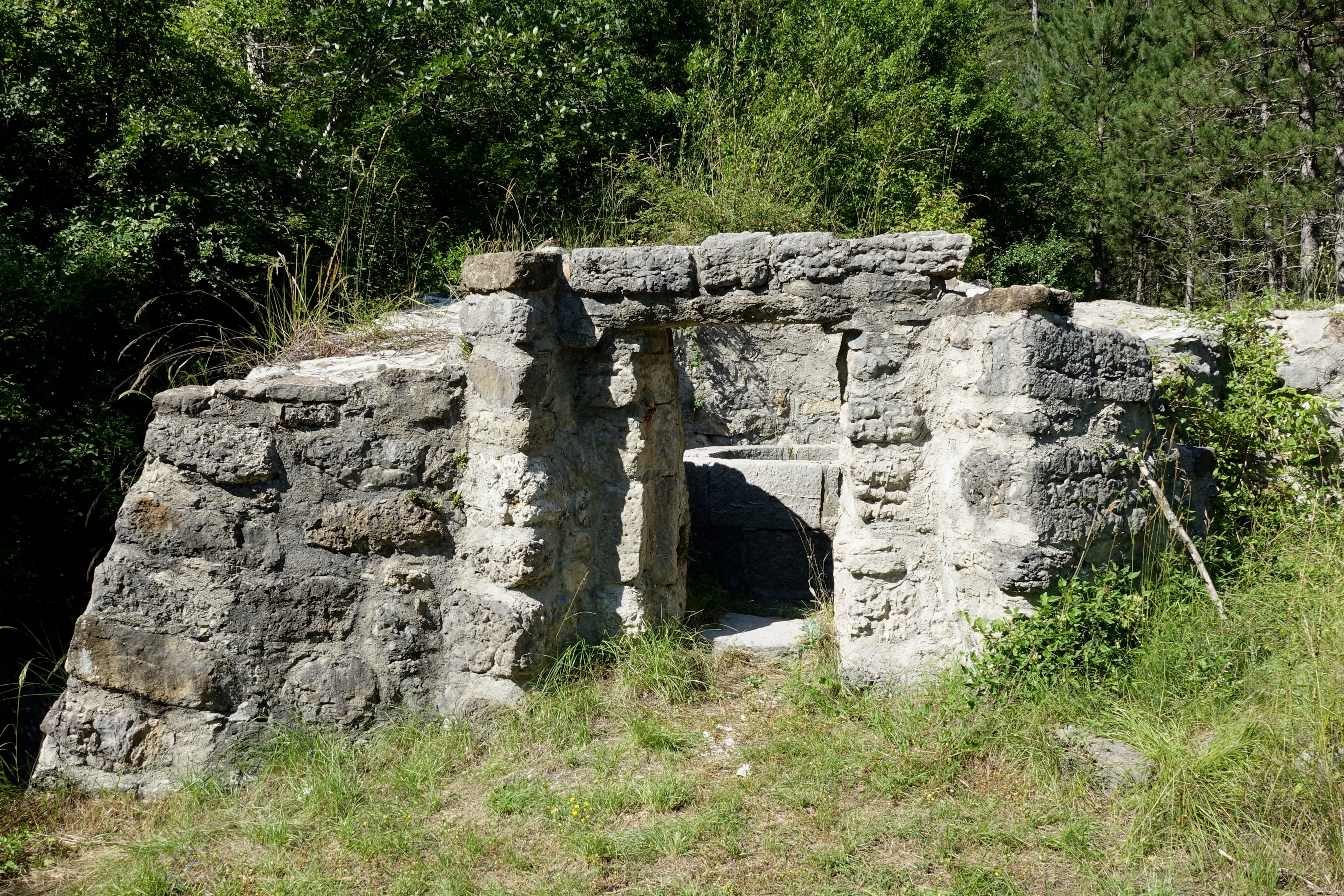
Source Salée (French: Source salée de Moriez) is a natural fountain that emerges from the limestone karst of the Alpes de Haute-Provence. Its exact height and altitude remain undocumented, but the spring is easily recognizable by the subtle white mineral deposits that line its basin—a tell‑tale sign of its salty composition. The water, slightly brackish, has been noted by locals for its gentle, soothing taste, a contrast to the sweet, clear mountain streams that dominate the area.
History & Significance
The fountain’s name derives from the French word salée (salty), reflecting the mineral content of the water. Historically, the spring served the nearby hamlet of Moriez as a communal watering point. While there is no grand legend attached to the site, its presence underscores the geological richness of the Verdon Regional Natural Park, where countless springs, caves, and underground rivers weave a complex hydro‑geological tapestry.
In recent years, hikers and cyclists have rediscovered Source Salée as a perfect rest stop on the routes that thread through the Verdon Gorge and the Alpes de Haute‑Provence. Its tranquil setting, framed by pine‑covered slopes and the distant silhouette of the Massif du Luberon, makes it an ideal spot for a brief meditation or a spontaneous photo session.
3. How to Get There
By Car
- From Castellane: The most straightforward approach is to drive north on the D952, then turn onto the D51 heading toward Moriez. After roughly 7 km of winding mountain roads, you’ll spot a modest parking area on the right, marked with a sign for “Source Salée”.
- From Nice or Marseille: Take the A8 motorway to the exit for Digne-les-Bains, then follow the N85 (Route des Grandes Alpes) north to Castellane. From there, continue as described above. The total drive from Nice is about 150 km (≈ 2 h 30 min).
By Public Transport
- Bus: The regional bus line Lignes du Pays de Castellane runs a daily service from Castellane to the village of Moriez. The stop is a short 5‑minute walk from the fountain. Check the latest schedules on the Région Provence-Alpes-Côte d’Azur website.
- Train: The nearest train station is Castellane on the Ligne de Provence. From the station, you can rent a bike or catch a local taxi.
By Bike or Foot
For the adventurous, the GR 57 (Grande Randonnée) trail passes within a few hundred metres of Source Salée, offering a scenic hike that rewards you with panoramic views of the Verdon valley. Cyclists can follow the Véloroute du Verdon, a low‑traffic route that threads through the countryside, making the fountain an ideal mid‑day pit‑stop.
4. Best Time to Visit
| Season | Weather | Why Visit |
|---|---|---|
| Spring (Mar–May) | Mild temperatures (12‑20 °C), blooming flora | Ideal for hiking; fewer tourists |
| Summer (Jun–Aug) | Warm to hot (20‑30 °C), occasional thunderstorms | Longer daylight hours; perfect for a cool dip in the spring water |
| Autumn (Sep–Nov) | Pleasant (15‑22 °C), golden foliage | Photographers love the soft light |
| Winter (Dec–Feb) | Cool, occasional snow on higher peaks | Quietest period; the fountain’s mineral crust glistens with frost |
Top recommendation: Late April to early June offers comfortable hiking weather, vibrant wildflowers, and the chance to see the spring at its fullest flow.
5. What to Expect
When you arrive at Source Salée, you’ll find a modest stone basin surrounded by low‑lying vegetation and a few wooden benches placed by local volunteers. The water emerges in a gentle, continuous stream, creating a soft murmur that blends with the rustle of pine needles.
- Sensory experience: The faint salty taste of the water is a novelty for most visitors. The air carries a subtle mineral scent, especially after a light rain.
- Photography: Early morning or late afternoon light casts a warm glow on the limestone, highlighting the delicate white crusts. A wide‑angle lens captures the surrounding forest, while a macro lens can focus on the tiny mineral formations.
- Picnicking: While there are no formal facilities, the shaded area makes a perfect spot for a quick snack. Remember to carry out any waste to preserve the pristine environment.
Because the fountain is not heavily commercialized, you’ll encounter few crowds—just the occasional hiker or local family. This serenity is part of its charm, allowing you to truly unwind amid nature.
6. Nearby Attractions
While Source Salée is the star of the day, the surrounding Provence‑Alpes‑Côte d’Azur region offers a cluster of equally intriguing sights within a short drive:
| Attraction | Distance | Highlights |
|---|---|---|
| Fountain (Unnamed) | 2.7 km | A small historic spring nestled in a meadow—perfect for a short walk. |
| Fountain (Unnamed) | 5.6 km | Known for its stone carvings and a legend of a hidden treasure. |
| Fountain (Unnamed) | 5.7 km | Surrounded by ancient olive groves; ideal for a leisurely picnic. |
| Fountain (Unnamed) | 5.7 km | Features a rustic stone bridge crossing a crystal creek. |
| Fontaine aux Ammonites | 5.7 km | A unique paleontological site where fossilized ammonites line the water’s edge. Learn more |
Tip: Combine a visit to Source Salée with a loop that includes the Fontaine aux Ammonites—the contrasting salty spring and the fossil‑rich water feature make for an educational and scenic day trip.
7. Travel Tips
| Tip | Details |
|---|---|
| Bring water shoes | The basin’s stones can be slippery, especially after rain. |
| Pack a reusable bottle | While the water is safe to taste, it’s best to carry your own drinking supply. |
| Respect the environment | No camping is allowed near the spring; keep the area clean. |
| Check road conditions | Winter snow can make the mountain roads icy; consult Météo France before heading out. |
| Timing | Arrive early in the morning during peak summer months to avoid the occasional crowd. |
| Photography gear | A polarizing filter helps reduce glare on the water surface. |
| Local cuisine | After your visit, stop in Castellane for a Provençal lunch—try the ratatouille or a socca (chickpea pancake). |
| Currency | France uses the Euro (€); most places accept cards, but small vendors may prefer cash. |
| Language | Basic French phrases (e.g., Bonjour, Merci, Où est la source?) go a long way. |
Final Thoughts
Source Salée may not appear on the typical tourist map of Provence, but that’s precisely why it feels like a personal discovery. Its gentle salty flow, serene setting, and proximity to other hidden fountains make it a rewarding stop for anyone exploring the Verdon and Alpes de Haute‑Provence region. Pack your camera, lace up your boots, and let this modest fountain add a splash of wonder to your Provençal adventure.
Ready to plan your trip? Bookmark this guide, share it with fellow travelers, and let the salty whispers of Moriez guide you to an unforgettable French countryside experience.