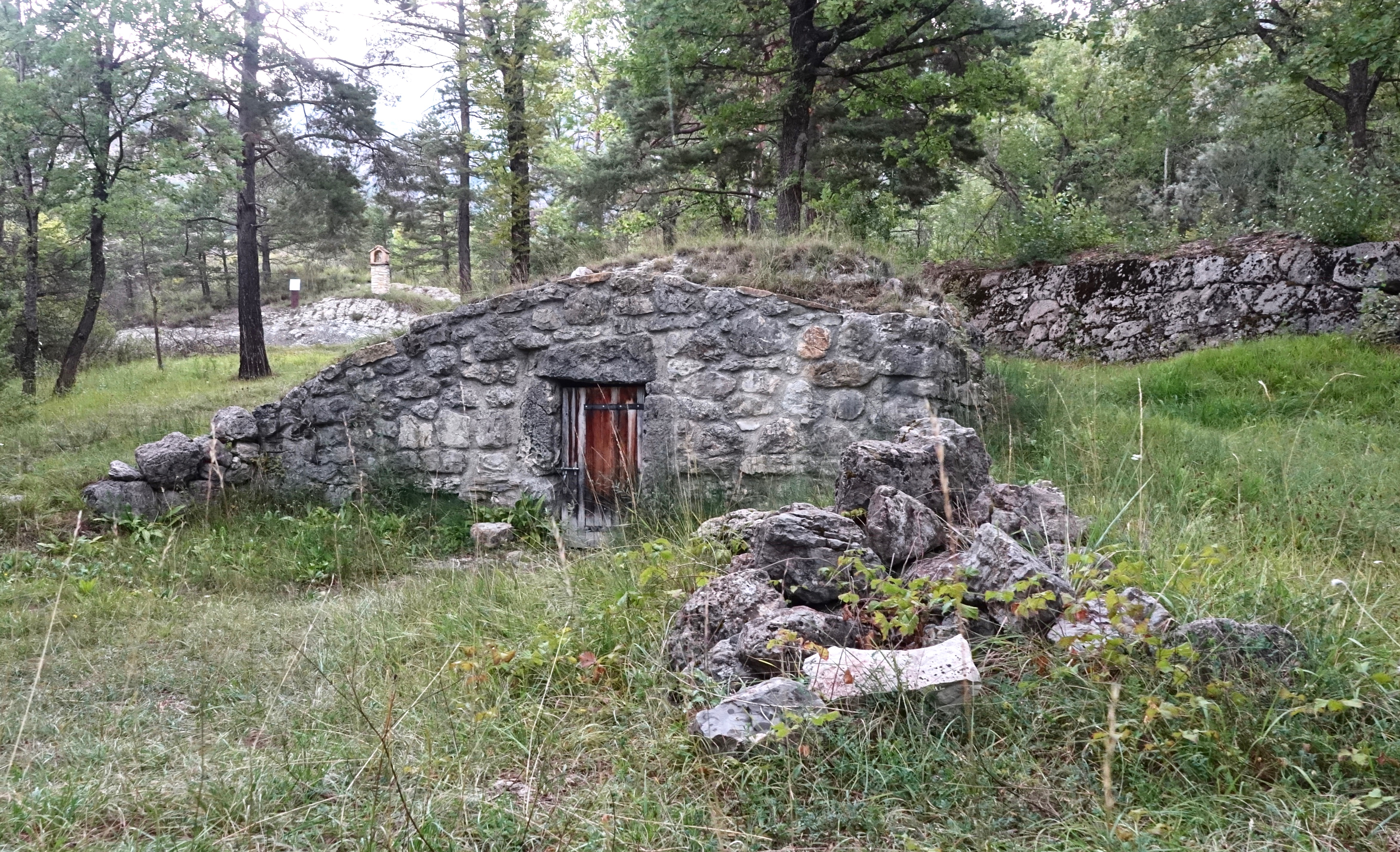
Discover the Hidden Gem of Provence: Source salée Fountain in Le Brusquet
If you think Provence is only lavender fields and sun‑kissed vineyards, think again. Nestled in the quiet hills of Le Brusquet lies a sparkling secret—Source salée, a natural saline fountain that has been drawing curious travelers for centuries. Follow this guide to uncover its charm, learn how to get there, and explore the surrounding treasures of the Provence‑Alpes‑Côte d’Azur region.
1. Introduction
Imagine a crystal‑clear spring bubbling up from the limestone of the Alpes de Haute‑Provence, its water tinged with a faint salty taste that instantly refreshes the senses. That’s Source salée, a modest yet mesmerizing fountain located at latitude 44.064172, longitude 6.408506, just outside the picturesque village of Le Brusquet.
Unlike the bustling fountains of Marseille or Nice, this hidden oasis offers solitude, a touch of mystery, and a glimpse into the geological history of the region. Whether you’re a seasoned hiker, a history buff, or simply a traveler seeking an off‑the‑beaten‑path experience, Source salée deserves a spot on your Provence itinerary.
2. About Source salée
What Is It?
Source salée (literally “salty spring”) is a natural fountain that releases mineral‑rich, slightly saline water from the underground karstic layers of the Tartonne basin. The water’s unique composition comes from ancient marine deposits that have been compressed and uplifted over millions of years, giving the spring its characteristic taste and a subtle mineral sheen.
A Brief History
The fountain has been known to locals for centuries, referenced in regional archives as the “Source salée de Tartonne.” Historically, villagers used the water for its reputed therapeutic properties, believing it could aid digestion and skin ailments. While modern science has yet to fully verify these claims, the tradition persists, and the spring remains a cultural landmark for the community of Le Brusquet.
Why It Matters
- Geological significance – The spring provides a living example of the Provence‑Alpes‑Côte d’Azur limestone landscape, illustrating how ancient seas have shaped today’s terrain.
- Cultural heritage – It is part of the local folklore and continues to be a gathering point for festivals and informal picnics.
- Eco‑tourism – As a low‑impact natural attraction, it promotes sustainable travel in a region better known for its vineyards and coastal towns.
3. How to Get There
By Car
The most convenient way to reach Source salée is by driving from Digne‑les‑Bains, the nearest sizable town (about 15 km north). From Digne‑les‑Bains:
- Take the D5 road heading south toward Le Brusquet.
- Follow the signs for Le Brusquet and continue on the D908.
- Look for the small parking area marked “Source salée” on the right-hand side of the road, just before the village limits.
The drive offers stunning panoramic views of the Alpes de Haute‑Provence, making the journey part of the adventure.
By Public Transport
- Train – The nearest SNCF station is Digne‑les‑Bains on the Ligne de la Méditerranée.
- Bus – Regional bus line LER 15 connects Digne‑les‑Bains to Le Brusquet several times a day (check the latest timetable on the LER Provence website).
- From the Le Brusquet stop, it’s a short 10‑minute walk to the fountain.
On Foot or By Bike
For the more adventurous, the GR 58 “Tour du Queyras” and several local hiking trails intersect near the spring. A well‑marked footpath leads from the village square to the fountain, offering a gentle 1.5 km stroll through olive groves and pine forests.
4. Best Time to Visit
| Season | Weather | Why Visit |
|---|---|---|
| Spring (April–June) | Mild temperatures (15‑22 °C), blooming wildflowers | Ideal for photography and comfortable walks |
| Summer (July–August) | Warm (25‑30 °C), occasional thunderstorms | Early mornings are pleasant; avoid midday heat |
| Autumn (September–October) | Cool evenings, golden foliage | Perfect for tranquil picnics and fewer crowds |
| Winter (November–March) | Cooler (5‑12 °C), occasional snow on higher peaks | Rarely visited; the fountain’s mist looks magical |
Tip: The spring’s flow is strongest after winter rains, so late winter or early spring often yields the most impressive water display.
5. What to Expect
When you arrive, you’ll be greeted by a modest stone basin where the water gently bubbles up. The surrounding area is a patchwork of lavender, thyme, and rosemary, scented by the Mediterranean breeze.
- Sensory experience – Take a sip of the slightly salty water (it’s safe to taste in small amounts) and feel the mineral richness on your palate.
- Scenic backdrop – The fountain sits against a backdrop of rolling hills, with occasional views of the Tartonne valley stretching to the horizon.
- Quiet ambiance – Unlike crowded tourist sites, you’ll often hear only birdsong and the soft rustle of leaves.
Visitors often linger to read a book, sketch the landscape, or simply enjoy a picnic on the nearby grassy knoll. The spot is also popular among locals for informal “fête du village” gatherings during summer evenings, where folk music and regional delicacies are shared.
6. Nearby Attractions
While Source salée is the star of the day, the surrounding Provence‑Alpes‑Côte d’Azur region offers several complementary sites within a short drive:
| Attraction | Distance | Type | Link |
|---|---|---|---|
| Unnamed Spring | 4.7 km | Spring | — |
| Unnamed Fountain | 4.9 km | Fountain | — |
| Source du Cheval Blanc | 5.4 km | Spring | Wikipedia |
| Fontaine du Pas d'Archail | 6.2 km | Spring | Wikipedia |
| Unnamed Dam | 7.9 km | Dam | — |
All distances are measured from the Source salée fountain.
If you have extra time, consider a short hike to the Source du Cheval Blanc, a picturesque spring surrounded by ancient oak trees, or explore the historic Pas d’Archail area, known for its rustic stone arches and tranquil water flow.
7. Travel Tips
| Tip | Details |
|---|---|
| Bring comfortable shoes | The final stretch to the fountain involves uneven stone paths and mild inclines. |
| Carry water and snacks | While the spring is drinkable, you may prefer bottled water for larger consumption. |
| Respect the environment | This is a natural site; avoid littering and stay on marked trails to protect the fragile karst ecosystem. |
| Check opening hours | The fountain is publicly accessible year‑round, but the nearby parking lot may be closed in heavy snow. |
| Photography | Early morning light (golden hour) enhances the water’s sparkle; a polarizing filter can reduce glare. |
| Local cuisine | Stop in Le Brusquet for a tarte aux myrtilles (blueberry tart) or a glass of Vin de Provence before heading back. |
| Currency | Euros are accepted everywhere; most small villages prefer cash, though card terminals are increasingly common. |
| Language | French is the primary language; a few basic phrases (“Bonjour”, “Merci”, “Où est la Source salée ?”) go a long way. |
Final Thoughts
Source salée may not boast towering arches or grand museums, but its quiet allure captures the essence of Provence‑Alpes‑Côte d’Azur—a region where nature, history, and local life intertwine. By adding this hidden fountain to your travel itinerary, you’ll experience a slice of authentic French countryside that many tourists overlook.
Pack your backpack, follow the winding road to Le Brusquet, and let the gentle whisper of the salty spring guide you into a moment of pure, unhurried discovery.
Happy travels, and may the waters of Source salée refresh both body and soul!