Discover the Hidden Gem of Provence: Source de la Rotonde
If you’re chasing the secret springs that lace the rugged landscapes of the French Alps, the Source de la Rotonde should be at the top of your bucket list. Nestled near the charming village of Guillestre in the Provence‑Alpes‑Côte d’Azur region, this pristine spring offers a tranquil escape for hikers, nature lovers, and anyone craving a slice of authentic Provençal serenity.
1. Introduction
Imagine stepping off a narrow mountain trail and hearing the gentle murmur of crystal‑clear water bubbling up from the earth. The air smells faintly of pine and wild herbs, and the surrounding hills roll in shades of emerald and limestone. This is the experience awaiting you at Source de la Rotonde, a modest yet captivating spring that remains off the typical tourist radar.
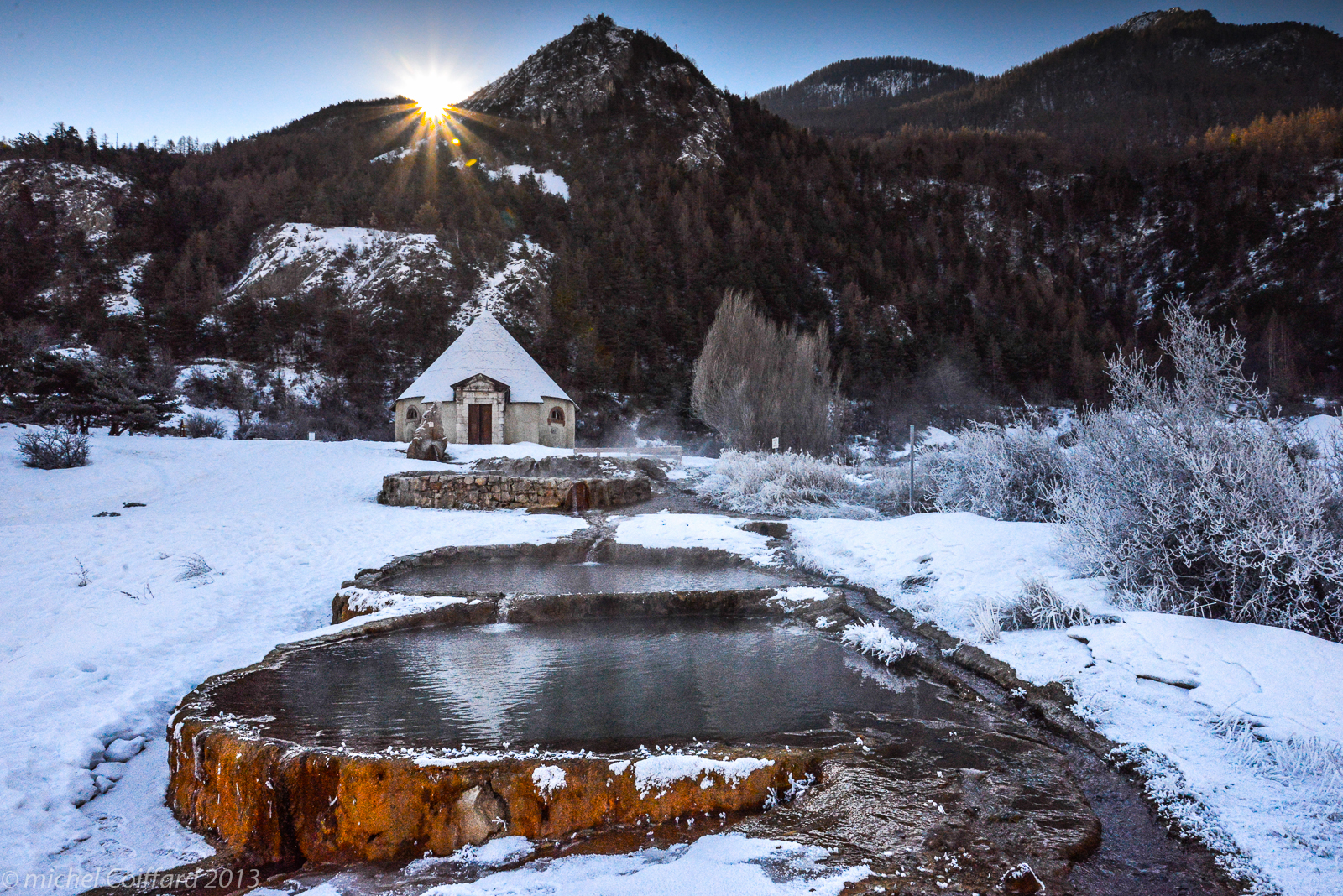
While the Côte d’Azur conjures images of sun‑kissed beaches, the inland Alpine side tells a different story—one of alpine meadows, ancient stone fountains, and hidden water sources that have sustained local communities for centuries. The spring’s name, “Rotonde,” hints at the circular pool where the water collects, creating a natural mirror that reflects the sky and the rugged peaks beyond.
If you’re planning a road trip through southeastern France, a weekend getaway to the Hautes-Alpes, or a multi‑day trek across the Alpes de Provence, make sure to add Source de la Rotonde to your itinerary.
2. About Source de la Rotonde
Description
Source de la Rotonde is a spring (French: source) located at 44.658365 N, 6.603730 E in the commune of Guillestre, a historic town perched at the foot of the Cottian Alps. The spring emerges from the limestone formations that dominate the region, feeding a small, circular pool that gives the water its “rotonde” (round) character.
Although the exact height and altitude of the spring are not documented, its setting is typical of the alpine karstic terrain—rocky outcrops, sparse vegetation, and a sense of isolation that makes it feel like a private oasis.
History & Significance
The spring is referenced in the French Wikipedia article for Plan de Phazy, a nearby plateau that has long been used for grazing and seasonal agriculture. Historically, mountain springs like Source de la Rotonde were essential water sources for shepherds, travelers, and the villages that dot the valleys. While no grand legends are attached to this particular spring, its presence has undoubtedly contributed to the sustainability of the local ecosystem and the traditional way of life in Guillestre.
In recent years, the spring has attracted hikers exploring the Parc naturel régional des Baronnies Provençales and those following the GR 58 (Tour du Queyras) trail network. Its modest size and pristine water make it a perfect spot for a quick refill or a peaceful pause before continuing on the high‑altitude paths.
3. How to Get There
By Air
The closest major airports are Grenoble Alpes–Isère Airport (GNB) (≈ 120 km) and Marseille Provence Airport (MRS) (≈ 210 km). From either airport, rent a car and follow the A51 motorway toward Briançon; the drive offers spectacular alpine scenery and takes roughly 2 hours from Grenoble or 3 hours from Marseille.
By Train
Guillestre is served by the SNCF TER line from Briançon and Gap. The train ride from Grenoble to Guillestre takes about 2 hours, with connections at Briançon. From the Guillestre station, the spring is a short walk or a brief taxi ride away.
By Car
Driving is the most flexible option. From Grenoble, take the A51 south, then exit onto D902 toward Guillestre. Follow signs for Plan de Phazy and look for local road markers pointing to the spring. Parking is limited but usually available in a small lot near the trailhead.
On Foot
For avid hikers, the spring lies on a well‑marked footpath that branches off the GR 58 trail. The hike from Guillestre village to Source de la Rotonde takes about 30‑45 minutes over moderate terrain—perfect for a half‑day excursion.
4. Best Time to Visit
| Season | Conditions | Why Visit |
|---|---|---|
| Spring (April‑June) | Snow melt feeds the spring; wildflowers bloom along the trail. | Ideal for vibrant colors, moderate temperatures (12‑20 °C). |
| Summer (July‑August) | Warm, dry days; longer daylight hours. | Perfect for early‑morning visits before the heat peaks; water remains clear. |
| Autumn (September‑October) | Leaves turn golden; fewer crowds. | Pleasant hiking weather (15‑22 °C) and crisp mountain air. |
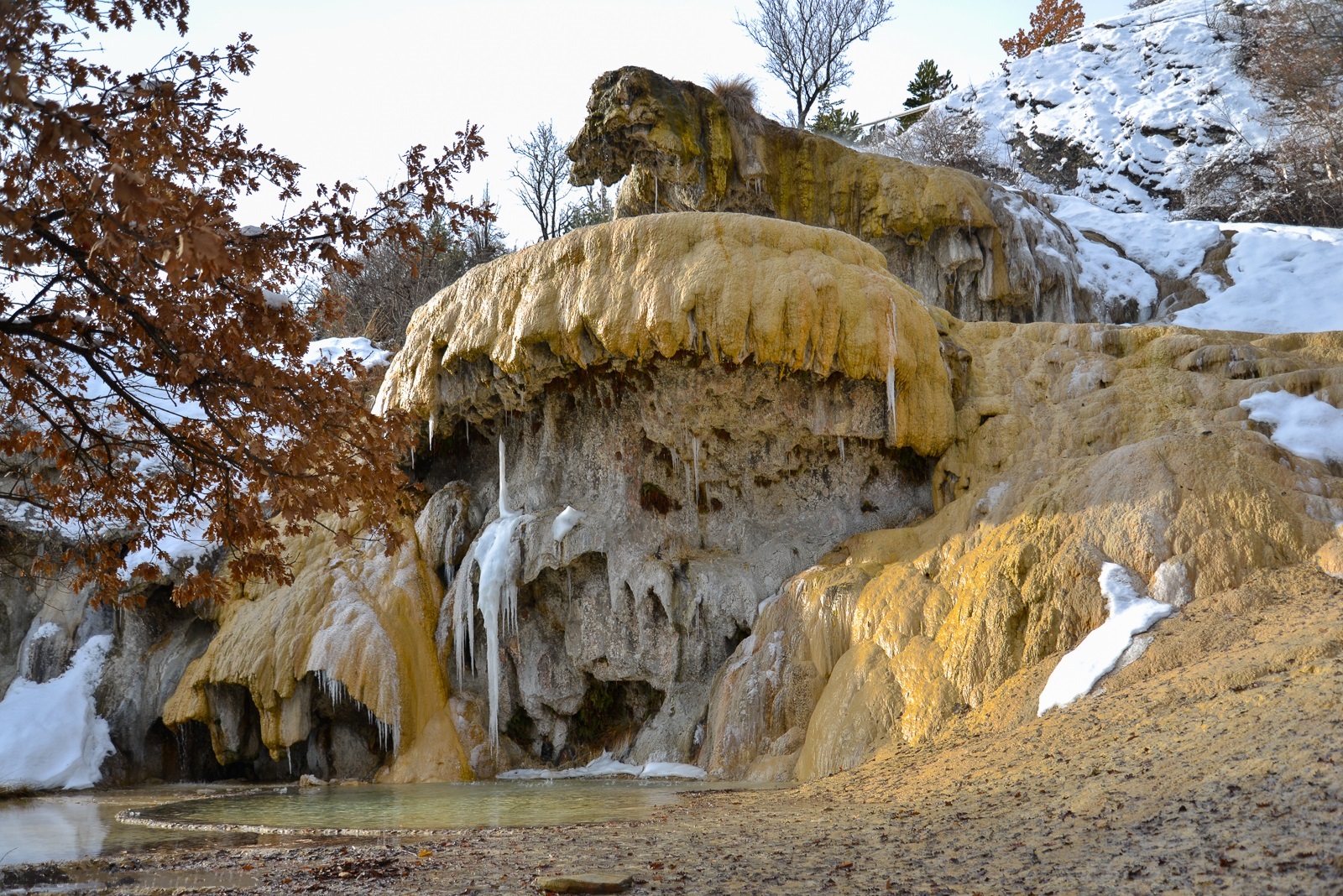
| Winter (November‑March) | Snow may cover the trail; the spring can be partially frozen. | For experienced winter trekkers seeking solitude, but be prepared for icy paths. |
Tip: The spring’s flow is strongest in late spring and early summer when snow melt is at its peak, making the water especially clear and the surrounding vegetation lush.
5. What to Expect
Arriving at Source de la Rotonde, you’ll first notice the gentle sound of water bubbling over limestone. The spring feeds a shallow, circular pool that reflects the sky like a natural mirror. The water is cold, fresh, and crystal‑clear, inviting you to dip your fingers—or, if you’re feeling adventurous, your toes—into the icy embrace.
The immediate surroundings are a mix of rocky outcrops, low‑lying alpine grasses, and occasional evergreen shrubs. In spring, you may spot Alpine poppies, gentians, and the occasional chamois grazing on the higher slopes. The area is relatively quiet; the only sounds are the wind rustling through the sparse vegetation and the distant call of a golden eagle soaring overhead.
Because the spring is not heavily commercialized, there are no facilities (no cafés, restrooms, or souvenir stalls). This lack of development is part of its charm, offering a genuine off‑the‑beaten‑path experience. However, you’ll find a small, discreet sign indicating the spring’s name and a modest trail marker that points toward the nearby Fontaine pétrifiante de Réotier and other attractions.
6. Nearby Attractions
While Source de la Rotonde is the star of the show, the surrounding area boasts several other natural and cultural points of interest that can easily be combined into a full day of exploration:
| Attraction | Distance | Type | Quick Note |
|---|---|---|---|
| Fontaine pétrifiante de Réotier | 1.0 km | Waterfall & historic stone fountain | A small cascade that feeds a stone “petrifying” fountain—legend says the water can turn objects into stone! |
| Fontaine Pétrifiante De Réotier (alternate listing) | 1.0 km | Fountain | Same site as above; often referenced under a slightly different name. |
| Unnamed Spring | 1.0 km | Spring | Another natural spring in the vicinity—great for a quick water refill. |
| Unnamed Fountain | 1.5 km | Fountain | A modest stone fountain set in a meadow, perfect for a photo stop. |
| Lavoir | 1.9 km | Historic communal washhouse | Traditional stone washhouse that once served the local villagers—offers a glimpse into rural Provençal life. |
Explore More: For detailed directions and visitor information, check the local tourism website of Guillestre or the Parc naturel régional des Baronnies Provençales portal.
7. Travel Tips
| Tip | Details |
|---|---|
| Footwear | Wear sturdy hiking boots with good grip; the trail can be rocky and slippery, especially after rain or during early spring melt. |
| Water & Snacks | Bring enough water and high‑energy snacks. Although the spring provides fresh water, it’s advisable to carry a small bottle for drinking, as the water is cold and may be shocking to the system. |
| Timing | Arrive early (7 – 9 am) during summer to avoid the occasional midday heat and to enjoy the tranquil atmosphere before other hikers arrive. |
| Navigation | Download offline maps (e.g., Maps.me or Komoot) that include the GR 58 trail and local POIs. Cell service can be spotty in the mountains. |
| Respect the Environment | Stay on marked paths, avoid trampling delicate alpine flora, and pack out all litter. The spring’s water is a delicate ecosystem; do not leave any waste. |
| Photography | The best light for photos is early morning or late afternoon when the sun casts a golden glow on the limestone. A polarizing filter can help reduce glare on the water’s surface. |
| Safety | Check weather forecasts before heading out. Sudden thunderstorms are common in the Alps, especially in late summer. If conditions deteriorate, turn back to the safety of Guillestre. |
| Local Culture | Take a moment to chat with locals in Guillestre. The village hosts a weekly market (usually on Saturdays) where you can sample Provençal cheeses, honey, and fresh bread—perfect for a post‑hike lunch. |
Final Thoughts
Source de la Rotonde may not appear on the typical “top 10 French springs” list, but its unspoiled beauty, crystal‑clear waters, and peaceful alpine setting make it a must‑visit for anyone exploring the Provence‑Alpes‑Côte d’Azur region. Whether you’re a seasoned trekker, a family on a weekend getaway, or a photographer hunting for that perfect reflective pool, this hidden spring offers a genuine slice of Provençal wilderness that will linger in your memory long after you’ve left the mountains behind.
Pack your boots, charge your camera, and set your compass for 44.658365 N, 6.603730 E—the Source de la Rotonde is waiting. Safe travels!