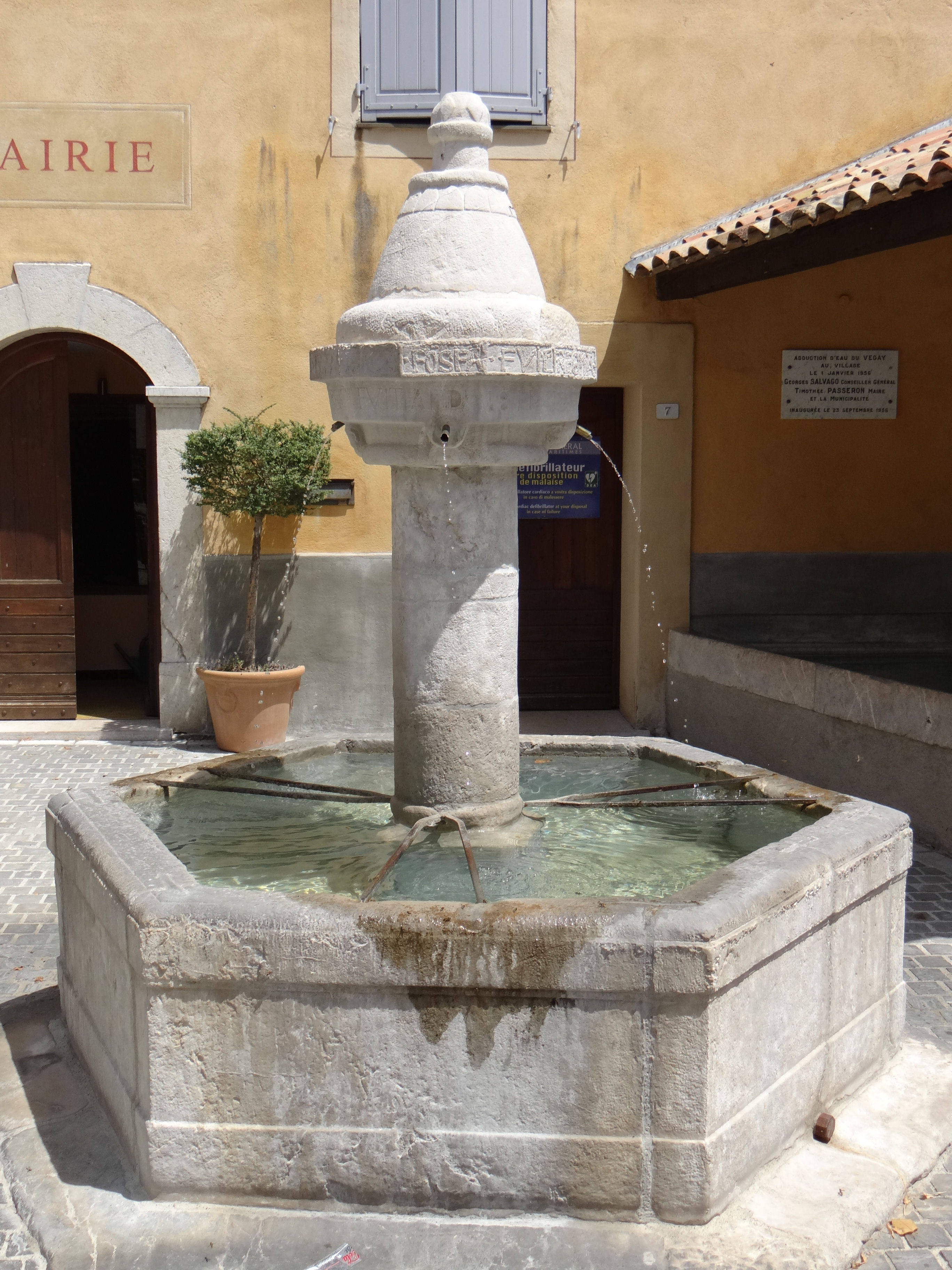
Fontaine Publique – A Hidden Gem in the Heart of Provence‑Alpes‑Côte d’Azur
Discover the quiet charm of the Fontaine Publique in Puget‑Théniers, a modest stone fountain that whispers stories of the Provençal countryside.
Introduction
When you think of Provence‑Alpes‑Côte d’Azur, sparkling Mediterranean coasts, lavender‑filled hills, and bustling markets often come to mind. Yet some of the region’s most authentic moments are found far from the tourist crowds—in the small villages and along the winding trails that stitch the landscape together. One such moment awaits you at the Fontaine Publique in the tranquil hamlet of Puget‑Théniers. Nestled at latitude 43.871986 and longitude 6.964681, this unassuming stone fountain may not boast a towering height or elaborate sculptures, but it offers a genuine slice of Provençal life, a perfect spot for a reflective pause, and a gateway to several spectacular natural sites nearby.
If you’re planning a road trip through southeastern France, a hiking weekend in the Alpes‑de‑Haute‑Provence, or simply a day‑trip off the beaten path, the Fontaine Publique deserves a place on your itinerary. Below, we’ll explore its history, how to reach it, the best time to visit, what you’ll experience on site, and the surrounding attractions that make this corner of France a treasure trove for travelers.
About Fontaine Publique
A Simple Fountain with a Rich Context
The Fontaine Publique (literally “public fountain”) is a stone water source that serves the local community of Puget‑Théniers. While the exact date of its construction is not recorded, many village fountains in this part of Provence were erected during the 19th‑century municipal improvements, when clean drinking water became a public priority. The fountain’s design follows the traditional Provençal style: a low, rectangular basin fed by a modest stone conduit, often sheltered by a simple stone lintel.
Although the fountain’s height and altitude are listed as unknown, its presence is documented on the French Wikipedia page for the Fontaine de Sigale, indicating that it is part of the broader network of historic water points that once dotted the region’s rural roads. These fountains were more than just functional—they acted as social hubs where villagers gathered, exchanged news, and rested during long walks across the hills.
Cultural Significance
In Provence, water is a symbol of life and community. Public fountains like this one are protected as cultural heritage because they embody the ingenuity of past generations who harnessed natural springs to sustain settlements. Even today, the Fontaine Publique continues to provide fresh water to hikers, cyclists, and locals alike, preserving the age‑old tradition of communal drinking sources.
Visiting the fountain offers a glimpse into the everyday rhythm of a Provençal village, far removed from the glossy postcards of Saint‑Tropez or Nice. It’s a reminder that the soul of the region lives in these modest, stone‑capped oases.
How to Get There
By Car
The most convenient way to reach the Fontaine Publique is by car. From Nice, follow the A8 motorway westward toward Cannes and Antibes, then take the A8 exit 31 for Draguignan. Continue on the N202 toward Puget‑Théniers (approximately 70 km). The village sits at the foot of the Alpes‑de‑Haute‑Provence, and the fountain is located near the town centre—look for signs pointing to the “Fontaine Publique” or simply ask a local shopkeeper for directions. Parking is available in the small municipal lot just off the main road.
From Marseille, head north on the A51 toward Aubagne, then switch to the A7 toward Nice and follow the same route described above. The total driving time from Marseille is roughly 2 hours 30 minutes.
By Public Transport
Public transport options are limited, but you can take a TER (regional train) to the Puget‑Théniers station from Draguignan or Fréjus. Trains run a few times per day, and the station lies within walking distance (≈ 15 minutes) of the fountain. From the station, follow the signs toward the town centre; the fountain is situated close to the main square, making it easy to locate on foot.
If you prefer a greener mode of travel, regional bus lines (e.g., line 720) connect Puget‑Théniers with neighboring villages such as Roquestéron and Sigale. Check the latest schedules on the SNCF website before you travel.
By Bike or Foot
For the adventurous, the area around Puget‑Théniers is criss‑crossed by GR (Grande Randonnée) hiking trails and EuroVelo cycling routes. The GR5 long‑distance trail passes a few kilometers east of the village, offering an excellent opportunity to combine a day‑hike with a visit to the fountain.
Best Time to Visit
Spring (March – May)
Spring is arguably the most rewarding season. Snowmelt from the surrounding peaks feeds the local springs, ensuring a steady flow of fresh water at the fountain. The countryside bursts into a kaleidoscope of wildflowers, almond trees, and budding olive groves, creating a picture‑perfect backdrop for photos. Temperatures range from 12 °C to 20 °C (54 °F–68 °F), ideal for walking and picnicking.
Summer (June – August)
Summer brings warm, sunny days (average highs of 28 °C/82 °F) that attract hikers to the nearby waterfalls—Clue du Riolan and Cascade du Végay. While the fountain remains a pleasant spot for a quick drink, be prepared for higher temperatures; bring water, a hat, and sunscreen.
Autumn (September – October)
Autumn offers milder weather (15 °C–22 °C) and fewer tourists. The surrounding vineyards begin to turn golden, and the harvest festivals in nearby villages add a cultural flavor to your visit.
Winter (November – February)
Winter is the quietest period. The fountain may be partially frozen, and some hiking trails could be snow‑covered. However, if you enjoy solitude and crisp mountain air, a winter visit can be magical—especially when the nearby waterfalls are fed by seasonal rains, creating powerful cascades.
What to Expect
A Quiet, Authentic Setting
Arriving at the Fontaine Publique, you’ll notice its rustic stone basin, a low wall of weathered limestone, and a simple water spout that gently bubbles out clear, cool water. The surrounding area is a modest square paved with local stones, shaded by a few plane trees that sway in the Provençal breeze.
You may hear the soft murmur of locals chatting, the distant clatter of a village bakery, or the occasional cyclist ringing a bell as they pass by. The atmosphere is relaxed, making it an ideal spot for a mid‑day break, a photo session, or simply a moment of contemplation.
Photographic Highlights
- Close‑up of the stonework: Capture the texture of the limestone, the moss that has claimed the edges, and the gentle flow of water.
- Wide‑angle of the square: Include the surrounding traditional houses with their pastel façades and terracotta roofs.
- Seasonal backdrops: In spring, frame the fountain with blooming almond blossoms; in autumn, let the golden light filter through the trees.
Amenities
There are benches near the fountain where you can sit and enjoy a snack. A small café a few minutes’ walk away offers coffee, croissants, and the famous tarte aux figues (fig tart). Public restrooms are located near the municipal office, a short stroll from the fountain.
Nearby Attractions
While the Fontaine Publique is a delightful destination on its own, the surrounding region boasts several natural wonders that can be combined into a full‑day itinerary. Below are the highlights, each within a 5‑km radius:
| Attraction | Distance from Fountain | Type | Why Visit? |
|---|---|---|---|
| Clue du Riolan | 1.2 km | Waterfall | A picturesque cascade tucked in a shaded ravine—perfect for a short hike and a refreshing mist on a hot day. |
| Lavoir | 2.4 km | Historic Fountain | An old communal washing basin that showcases traditional Provençal architecture; great for history buffs. |
| La Font Saint Martin | 3.0 km | Spring | A natural spring with crystal‑clear water, surrounded by limestone cliffs—ideal for picnics. |
| Fontaine de Roquestéron | 3.2 km | Fountain | Another historic fountain, set in the charming village of Roquestéron, known for its medieval stone houses. |
| Cascade du Végay | 4.2 km | Waterfall | A larger waterfall that plunges into a deep pool, offering excellent opportunities for photography and nature walks. |
Quick Links:
- Clue du Riolan – Waterfall
- Lavoir – Historic Fountain
- La Font Saint Martin – Spring
- Fontaine de Roquestéron – Fountain
- Cascade du Végay – Waterfall
(Note: Replace “#” with actual URLs when publishing.)
Travel Tips
- Carry Cash – Small villages often prefer cash for cafés and local markets; credit cards may not be accepted everywhere.
- Dress in Layers – Mountain weather can shift quickly, especially in spring and autumn. A light jacket and a breathable shirt will keep you comfortable.
- Stay Hydrated – While the fountain provides fresh water, bring a reusable bottle for convenience and to reduce plastic waste.
- Respect the Site – The fountain is a functional public water source. Avoid littering and refrain from climbing on the stonework.
- Parking – The municipal lot fills up quickly during weekend festivals. Arrive early or consider using the nearby bike‑share station if you’re staying in a larger town.
- Local Events – Check the Puget‑Théniers mairie website for seasonal events such as the Fête du Village (village festival) in August, which includes live music, a market, and traditional Provençal dances.
- Connectivity – Mobile reception can be spotty in the hills; download offline maps (e.g., Maps.me or Google Maps offline) before you set out.
Final Thought
The Fontaine Publique may not dominate travel guide headlines, but its quiet charm encapsulates the essence of Provence‑Alpes‑Côte d’Azur: a place where history, nature, and community flow together like the water from its stone spout. Whether you’re a seasoned backpacker, a family on a road trip, or a curious traveler seeking authentic French villages, a stop at this humble fountain adds depth and serenity to your journey.
So pack a light snack, fill your water bottle, and wander the winding lanes of Puget‑Théniers. Let the gentle sound of water guide you to moments of unexpected beauty—right at the heart of the French Riviera’s greener side.
Keywords: Fontaine Publique, Puget-Théniers, Provence-Alpes-Côte d'Azur fountain, travel France, hidden gems Provence, waterfalls near Puget-Théniers, French village fountains, best time to visit Provence, travel tips Provence

