Fontaine Pétrifiante de Réotier – A Hidden Waterfall Gem in Provence‑Alpes‑Côte d’Azur
Discover the mystical “stone‑making” fountain that drips from the heart of the French Alps.
Introduction
If you’re chasing waterfalls off the beaten path, the Fontaine pétrifiante de Réotier should be at the top of your list. Nestled near the charming Alpine village of Guillestre in the Provence‑Alpes‑Côte d’Azur region, this enchanting cascade isn’t just a pretty sight—it’s a natural wonder steeped in legend. Locals call it the “stone‑making fountain” because the water’s mineral‑rich spray has, over centuries, turned surrounding rocks into curious, petrified formations. Whether you’re a seasoned hiker, a photography enthusiast, or simply a traveler who loves secret spots, this waterfall offers a perfect blend of rugged beauty and quiet contemplation.
About Fontaine Pétrifiante de Réotier
What is it?
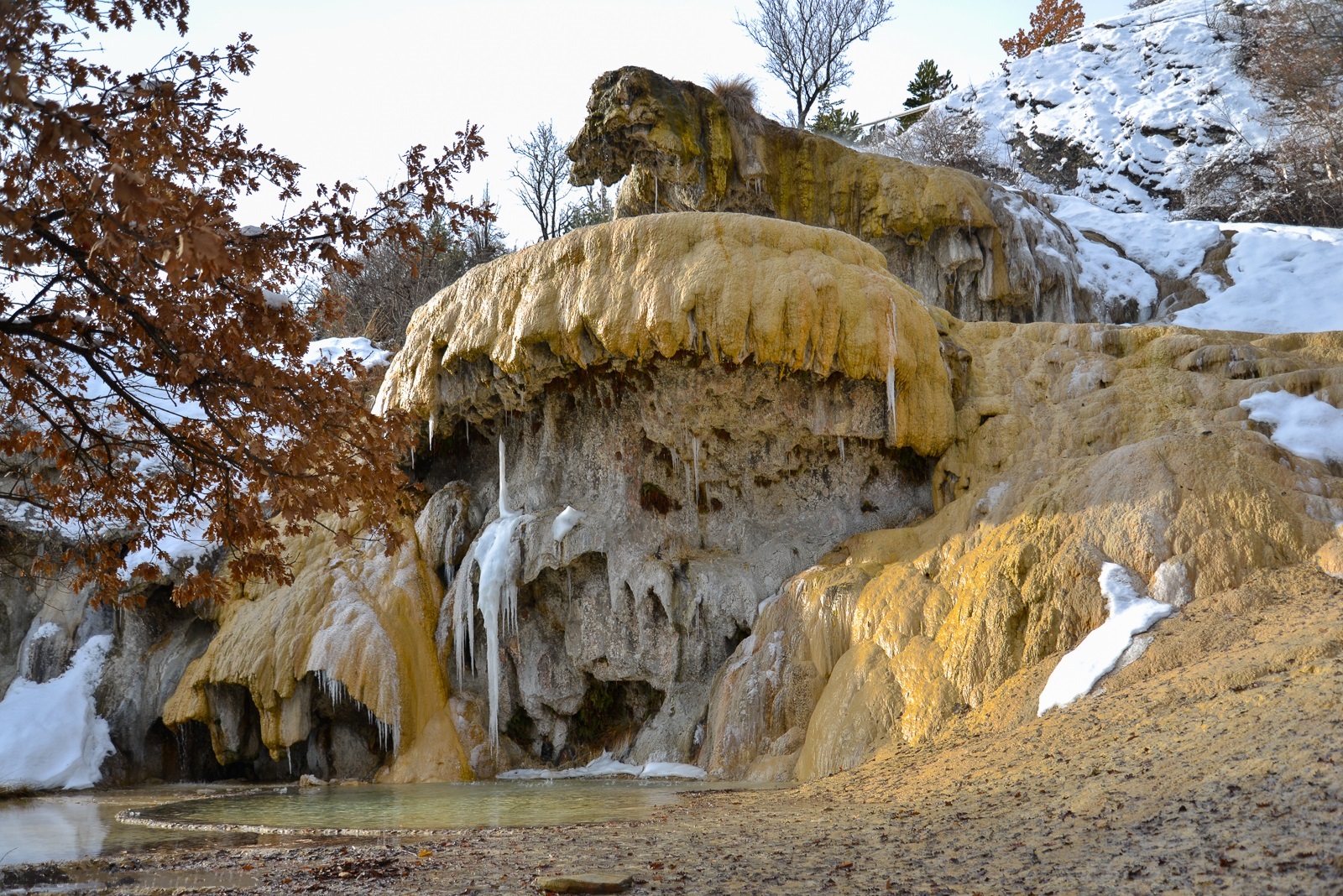
The Fontaine pétrifiante de Réotier is a small but striking waterfall that emerges from a rocky outcrop at the edge of the Durance River valley. While the exact height of the fall isn’t recorded, the water gushes out of a natural spring, creating a constant veil of mist that glistens in the sun. Over time, the mineral‑laden water has deposited calcium carbonate on the surrounding stones, giving the site its “pétrifiante” (stone‑forming) character.
A Touch of History
The name “Réotier” derives from the nearby hamlet of Réotier, a settlement that dates back to medieval times. Historically, the spring was a vital water source for shepherds and travelers crossing the high valleys. Folklore tells of the fountain’s “magical” powers—some stories claim that the water can turn objects to stone, while others speak of healing properties for those who drink from its clear pool. Though the myths are unverified, they add an alluring mystique that draws curious visitors year after year.
Why It Matters
In a region famed for dramatic Alpine peaks, turquoise lakes, and lavender fields, the Fontaine pétrifiante de Réotier stands out as a subtle yet powerful reminder of nature’s slow, artistic hand. Its unique mineral deposits have turned an ordinary waterfall into a living geological sculpture, making it a point of interest for both nature lovers and geology enthusiasts. Moreover, the site is part of a broader network of Alpine springs and fountains that sustain the local ecosystem, supporting diverse flora and fauna that thrive in the mist‑rich microclimate.
How to Get There
By Car
- Starting point: The nearest major town is Guillestre, accessible via the A51 autoroute (the “Autoroute des Estuaires”).
- Directions: From Guillestre, follow the D902 road north toward the village of Réotier. After about 3 km, look for a small, well‑marked turn‑off sign that reads “Fontaine pétrifiante.” The parking area is modest—just a few spaces beside the trailhead—so arriving early on weekends is advisable.
- Coordinates:
44.667159, 6.600429– paste these into your GPS for pinpoint accuracy.
By Public Transport
- Bus: The regional bus line Lignes Hautes-Alpes runs from Guillestre to Réotier (stop “Réotier – Fontaine”). Check the latest timetable on the Hautes‑Alpes transport website; services are limited on Sundays and holidays.
- Train: The nearest train station is Briançon, about 30 km north. From Briançon, you can catch a bus or hire a taxi to Guillestre.
On Foot
For the adventurous, the waterfall is reachable via a short 1.2 km hiking trail that starts at the Guillestre town center and follows the D902. The path is well‑marked, gently undulating, and takes roughly 20 minutes at a leisurely pace. The trail offers occasional vistas of the Durance valley, making the walk an integral part of the experience.
Best Time to Visit
| Season | Conditions | Why Visit |
|---|---|---|
| Spring (April‑June) | Snow melt feeds the spring, creating a fuller flow. Temperatures 12‑20 °C. | Lush greenery, vibrant wildflowers, and the waterfall at its most vigorous. |
| Summer (July‑August) | Warm, sunny days; occasional thunderstorms. | Ideal for picnics and photography, but expect more visitors. |
| Autumn (September‑October) | Cooler air, golden foliage. | Fewer crowds, soft light for photos, and crisp mountain air. |
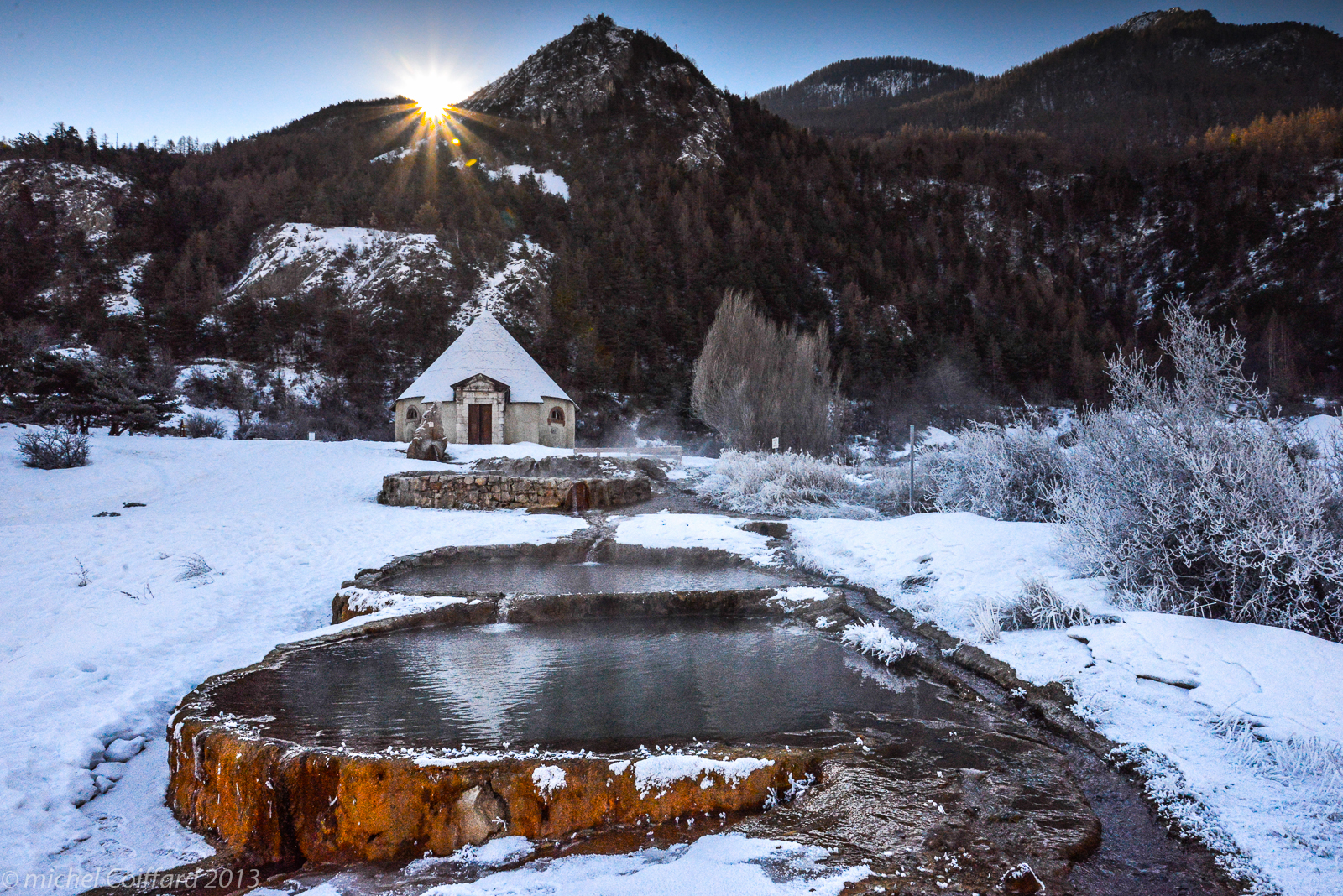
| Winter (November‑March) | Possible snow cover; water may be reduced. | A serene, almost mystical landscape for those prepared for cold conditions. |
Peak recommendation: Late spring (mid‑May to early June) offers the perfect balance of water volume, pleasant weather, and manageable visitor numbers.
What to Expect
Arriving at the Fontaine pétrifiante de Réotier, you’ll first notice the gentle roar of water striking stone. The cascade pours into a shallow, crystal‑clear pool that reflects the surrounding cliffs like a mirror. Mist rises in delicate ribbons, creating a cool, refreshing micro‑climate even on warm days.
The petrifying effect is evident: the rocks near the spray are coated with a thin, white crust of calcite, giving them a weathered, stone‑carved appearance. Walking close to the water, you can feel the fine droplets on your skin—a subtle reminder of the spring’s mineral richness.
The site is relatively tranquil; you’ll often hear only the water, birdsong, and occasional hikers’ footsteps. Benches placed a short distance from the cascade provide a perfect spot for a quick rest, a snack, or a moment of meditation.
Because the waterfall is part of a larger Alpine watershed, you may also spot alpine butterflies, mountain goats, and a variety of wildflowers that thrive in the moist environment.
Nearby Attractions
While the Fontaine pétrifiante de Réotier is the star, the surrounding area offers several complementary points of interest that can easily fill a half‑day itinerary:
| Attraction | Distance | Type | Link |
|---|---|---|---|
| Fontaine Pétrifiante De Réotier (fountain) | 0 km | Fountain | Wikipedia |
| Unnamed Spring | 0 km | Spring | Search on Google Maps |
| Nearby Fountain | 0.6 km | Fountain | Search on Google Maps |
| Source de la Rotonde | 1.0 km | Spring | Search on Google Maps |
| Another Local Fountain | 1.7 km | Fountain | Search on Google Maps |
Tip: Combine these stops with a short loop hike that starts at the waterfall, follows the D902, and returns via a forest trail. You’ll enjoy varied scenery—rocky outcrops, gentle streams, and panoramic views of the Durance valley.
Travel Tips
- Footwear: The trail to the waterfall is mostly gravel and some uneven stones. Sturdy hiking shoes or trail sneakers with good grip are essential.
- Weather Check: Alpine weather can change quickly. Bring a lightweight rain jacket, especially in spring when showers are common.
- Stay Hydrated & Pack Light: There are no shops at the site. Carry water, a snack, and a small backpack with essentials (camera, map, sunscreen).
- Respect the Environment: The mineral deposits are fragile. Avoid touching the rocks directly and stay on marked paths to protect the delicate ecosystem.
- Photography: Early morning or late afternoon light creates a soft glow on the mist. A polarizing filter can help reduce glare on the water surface.
- Parking: The small lot fills up fast in summer weekends. Arriving before 10 am gives you a guaranteed spot and a quieter experience.
- Accessibility: The path is not wheelchair‑friendly due to natural stone steps. However, the viewpoint is reachable for most able‑bodied visitors.
- Local Cuisine: After your visit, stop in Guillestre for a traditional Alpine dish such as tartiflette or raclette—perfect for recharging after a hike.
Final Thought
The Fontaine pétrifiante de Réotier may not boast the towering drops of the famous waterfalls of the world, but its quiet charm, geological intrigue, and Alpine backdrop make it a must‑see for anyone traveling through Provence‑Alpes‑Côte d’Azur. Add it to your itinerary, breathe in the mineral‑rich mist, and let the stone‑forming cascade remind you that sometimes the most memorable travel experiences are found in the smallest, most unexpected places.
Happy travels, and may your footsteps always lead you to hidden gems like this one!