Discover Fontaine – A Hidden Fountain Gem in Sospel, Provence‑Alpes‑Côte d’Azur
If you think the French Riviera is only about glamorous beaches and glittering yachts, think again. Tucked away in the charming mountain town of Sospel lies Fontaine, a modest yet enchanting fountain that whispers stories of centuries‑old water routes, local craftsmanship, and Provençal life. In this guide we’ll explore why this unassuming stone basin deserves a spot on your travel itinerary, how to reach it, the best time to visit, and what else you can discover nearby.
1. Introduction
Imagine stepping off the winding cobblestone streets of Sospel, breathing in the fresh Alpine‑Mediterranean air, and hearing the gentle splash of water echoing from a stone basin centuries old. That’s Fontaine, a small fountain that may not dominate guidebooks, but captures the soul of Provence‑Alpes‑Côte d’Azur in a single, sparkling droplet. Whether you’re a fountain‑enthusiast, a history lover, or simply a traveler hunting authentic local experiences, Fontaine offers a quiet pause amid the bustling summer crowds of the Côte d’Azur.
2. About Fontaine
Description
- Name: Fontaine (also referenced as Fontaine Souta Loggia on French Wikipedia)
- Type: Fountain ⛲
- Location: Sospel, Provence‑Alpes‑Côte d’Azur, France
- Coordinates: 43.878327 N, 7.449327 E
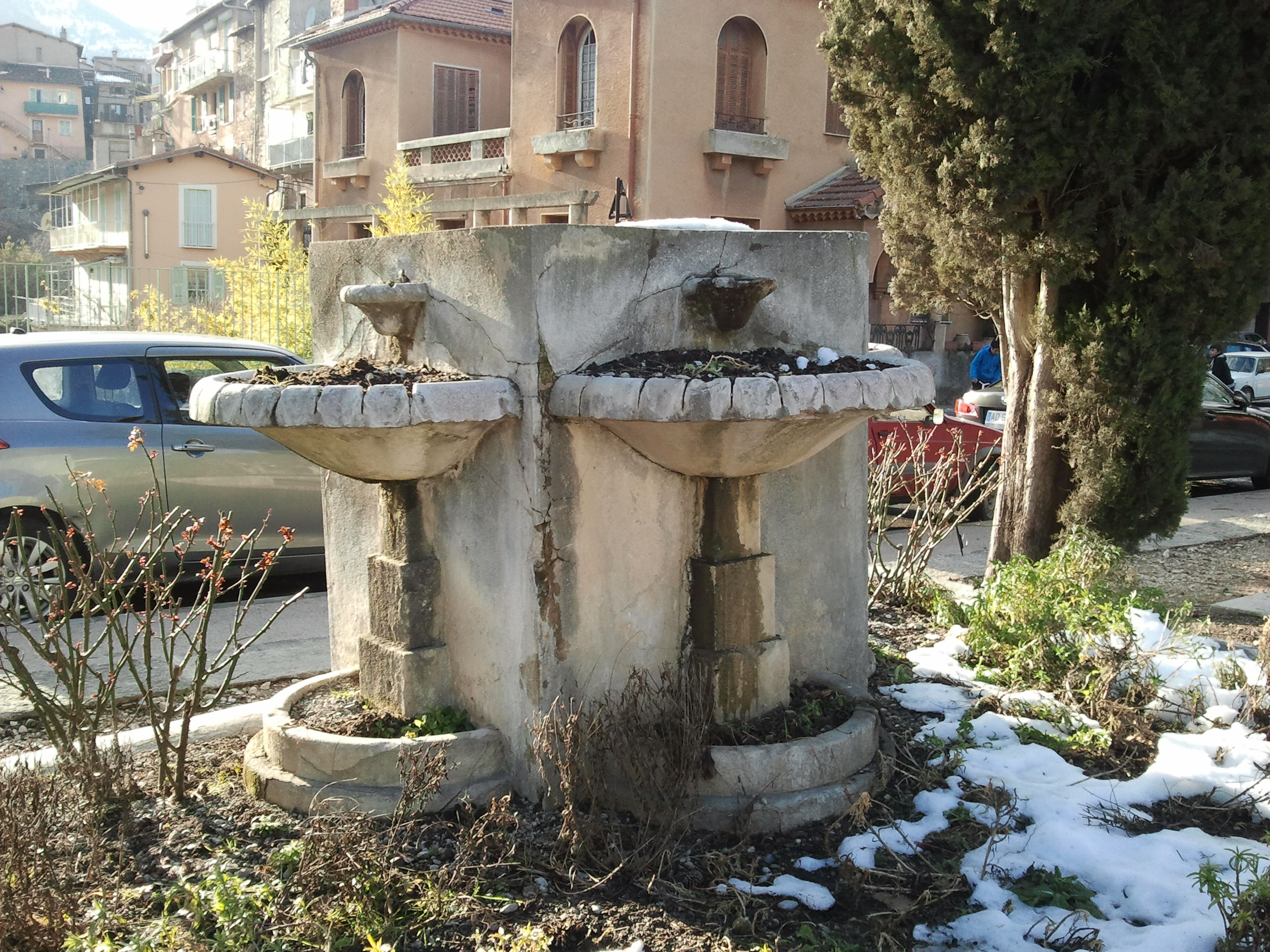
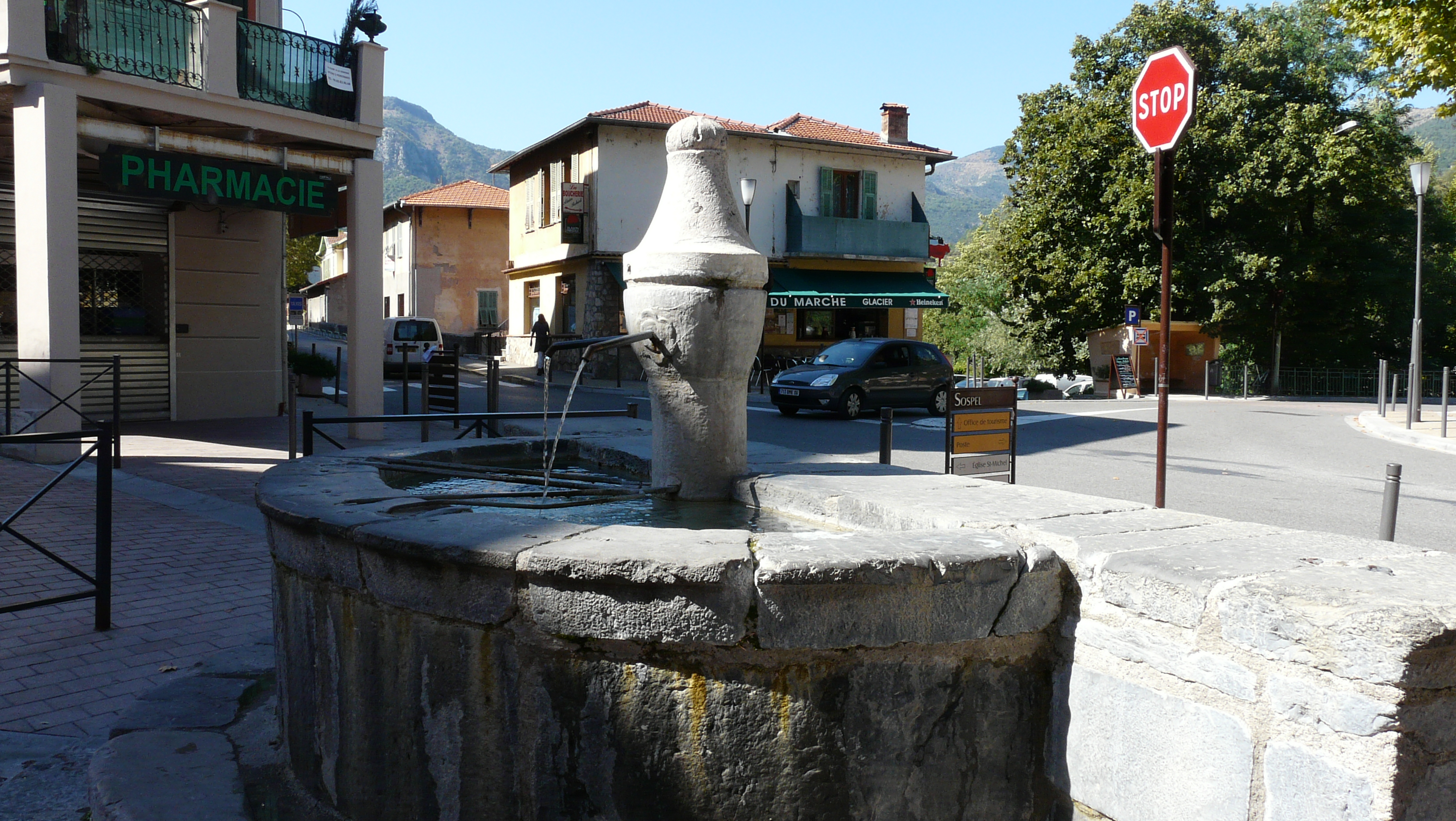
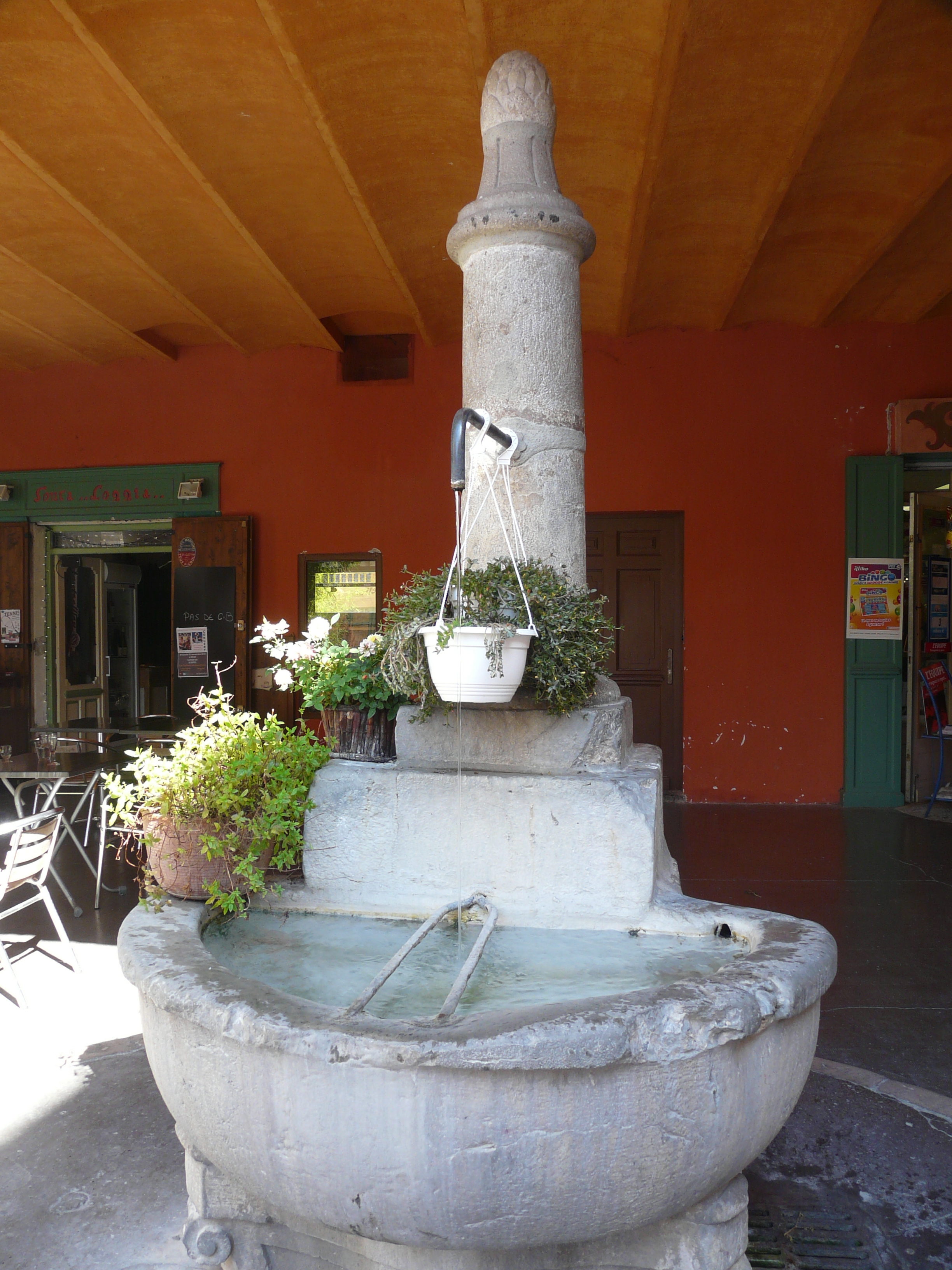
Fontaine is situated in the historic heart of Sospel, a town perched at the foot of the Mercantour National Park and the Bordighera border with Italy. The fountain’s stone basin is set into a modest plaza, framed by traditional Provençal façades. While the exact height and altitude of the structure remain undocumented, its presence is unmistakable: a simple stone rim, a low‑lying water channel, and a timeless rhythm of flowing water that has served locals for generations.
History & Significance
The fountain’s name appears in the French Wikipedia entry Fontaine Souta Loggia, suggesting a link to a historic loggia (a covered gallery) that once surrounded the water source. In medieval and early‑modern Provençal towns, fountains were vital communal assets, providing drinking water, a place for livestock, and a social hub where merchants, travelers, and townspeople gathered.
Sospel itself dates back to Roman times and was a strategic waypoint on the Via Domitia, the ancient road connecting Italy and Gaul. While specific archival records about Fontaine’s construction are scarce, its style—simple stonework with a modest water jet—mirrors the functional aesthetic of many Alpine‑Mediterranean fountains built between the 16th and 19th centuries.
Today, Fontaine stands as a living piece of the town’s heritage, reminding visitors of the importance of water in shaping the daily rhythm of Provençal life. It is also a photogenic spot for Instagrammers seeking an authentic backdrop beyond the typical Riviera glamour.
3. How to Get There
By Air
- Closest airports: Nice Côte d’Azur Airport (NCE) – about 80 km (≈1.5 h drive) or Marseille Provence Airport (MRS) – about 150 km.
- From Nice: Rent a car or take a regional train to Cannes, then a TER (regional) train to Cuneo (Italy) and a short bus/taxi back across the border to Sospel.
By Train
- Sospel Station is served by TER Provence‑Alpes‑Côte d’Azur trains on the Nice–Cuneo line. The journey from Nice Ville to Sospel takes roughly 2 hours, offering scenic views of the Bordighera valley.
By Car
- From Nice, follow the A8 motorway east, then take the D6202 (Route des Gorges de la Roya) north toward Sospel. Parking is available near the town centre; look for the “Parking Place du Marché” sign.
By Bus
- Local bus line Lignes de Bus du Pays de Sospel connects Nice, Menton, and Sospel. Check the latest timetable on the Lignes d’Azur website.
Walking Directions (once in Sospel)
- From the Sospel train station, head south on Rue du Pont (approx. 300 m).
- Turn right onto Rue de la Fontaine; the fountain sits just a few meters ahead, marked by a small stone plaque.
4. Best Time to Visit
| Season | Weather | Why Visit | Crowd Level |
|---|---|---|---|
| Spring (Mar‑May) | Mild (12‑20 °C), blossoming almond trees | Water flow is lively after winter melt; perfect for photos with blooming backgrounds. | Low‑moderate |
| Summer (Jun‑Aug) | Warm to hot (20‑30 °C) | Long daylight hours let you linger at the fountain after exploring the town. | Moderate‑high (especially July) |
| Autumn (Sep‑Nov) | Pleasant (15‑22 °C), golden foliage | Cooler temps, fewer tourists, and the nearby Cascade du Piaon is spectacular with autumn colors. | Low |
| Winter (Dec‑Feb) | Cool (5‑12 °C), occasional snow in the hills | Quiet atmosphere; the fountain’s gentle sound is especially soothing in the crisp air. | Very low |
Insider tip: The fountain’s water flow is strongest after the first heavy rain of the season (usually November). Visiting then gives you a more vivid display of the cascading water.
5. What to Expect
Arriving at Fontaine, you’ll be greeted by the soft murmur of water against stone, a sound that instantly calms the senses. The fountain’s basin is low enough to allow children to splash their feet, yet dignified enough to attract photographers seeking a minimalist composition.
- Atmosphere: Early mornings are especially tranquil; locals often fetch a cup of café from a nearby boulangerie and sit on the adjacent bench, watching the water dance.
- Surroundings: The fountain is framed by pastel‑colored houses with red‑tile roofs, typical of Provençal architecture. A small market square often hosts weekly farmers’ markets (Tuesday and Saturday), adding the aroma of fresh cheese, olives, and herbs to the air.
- Photography: The stone texture, combined with the natural lighting of the valley, makes for striking contrast shots. Try a low angle to capture the water’s movement against the historic backdrop.
Because the fountain is a public amenity, there are no entrance fees. However, respectful behavior—no littering, no swimming, and keeping noise levels low—helps preserve its charm for future visitors.
6. Nearby Attractions
While Fontaine is a delightful stop on its own, the surrounding area offers several other points of interest within walking distance or a short drive.
- Fontaine circulaire (fountain) – 0.1 km away. A circular stone basin with a slightly larger water jet, perfect for a quick photo comparison.
- Fontaine du Cours (fountain) – 0.1 km away. Nestled beside the historic Cours street, this fountain features decorative ironwork.
- [Fontaine (fountain) – another local basin] – 0.2 km away. A modest water source that locals use for filling bottles.
- Cascade du Piaon (waterfall) – 3.6 km away. A scenic waterfall set amidst pine forests; ideal for a gentle hike and a picnic.
- [Mercantour National Park] – Just beyond the town, offering alpine trails, wildlife spotting, and breathtaking vistas.
Each of these attractions can be reached on foot or by a short local bus ride, making a half‑day itinerary easy to assemble.
7. Travel Tips
- Carry cash: Small cafés and market stalls in Sospel often prefer euros in cash over cards.
- Dress for the terrain: Cobblestone streets can be uneven; wear comfortable walking shoes with good grip.
- Stay hydrated: Even in cooler months, the altitude can make the sun feel stronger; bring a reusable water bottle.
- Timing for photos: Early morning or late afternoon (golden hour) provides soft lighting that enhances the stone’s texture.
- Local etiquette: When the fountain is in use by locals (e.g., filling water containers), give them space and avoid blocking the flow.
- Language tip: A simple “Bonjour” or “Merci” goes a long way. Most shopkeepers speak basic English, but a few French phrases are appreciated.
- Parking: If you drive, use the municipal parking lot near the town hall; it’s free on weekdays and a short walk to Fontaine.
- Safety: The water flow is gentle, but the stone edges can be slippery when wet. Watch your step, especially after rain.
Wrap‑up
Fontaine may not be the most famous landmark in the Côte d’Azur, but its quiet charm, historical resonance, and central location in the picturesque town of Sospel make it a must‑see for travelers craving authentic Provençal experiences. Pair it with a stroll through the nearby fountains, a hike to the Cascade du Piaon, and a leisurely lunch of local goat cheese and rosemary focaccia, and you’ll have a day that captures the essence of Provence‑Alpes‑Côte d’Azur—far beyond the typical beach‑front itinerary.
Pack your camera, lace up your walking shoes, and let the gentle splash of Fontaine guide you into the heart of Sospel.
Keywords used: Fontaine fountain Sospel, Sospel travel guide, Provence-Alpes-Côte d'Azur attractions, fountains in France, what to see in Sospel, how to get to Fontaine Sospel, Cascade du Piaon, nearby attractions Sospel, French Riviera hidden gems.