Discover the Enchanting Fontaine of Sospel – A Hidden Gem in Provence‑Alpes‑Côte d’Azur
If you think the French Riviera is only about sun‑kissed beaches and glamorous yachts, think again. Tucked away in the charming medieval town of Sospel, the Fontaine de la Cabraïa (simply called “Fontaine”) offers a quiet, authentic slice of Provençal life. This modest stone fountain may not boast towering heights, but its timeless presence, historic roots, and picturesque setting make it a must‑see for travelers seeking off‑the‑beaten‑path experiences in Provence‑Alpes‑Côte d’Azur.
1. About Fontaine
A Brief Description
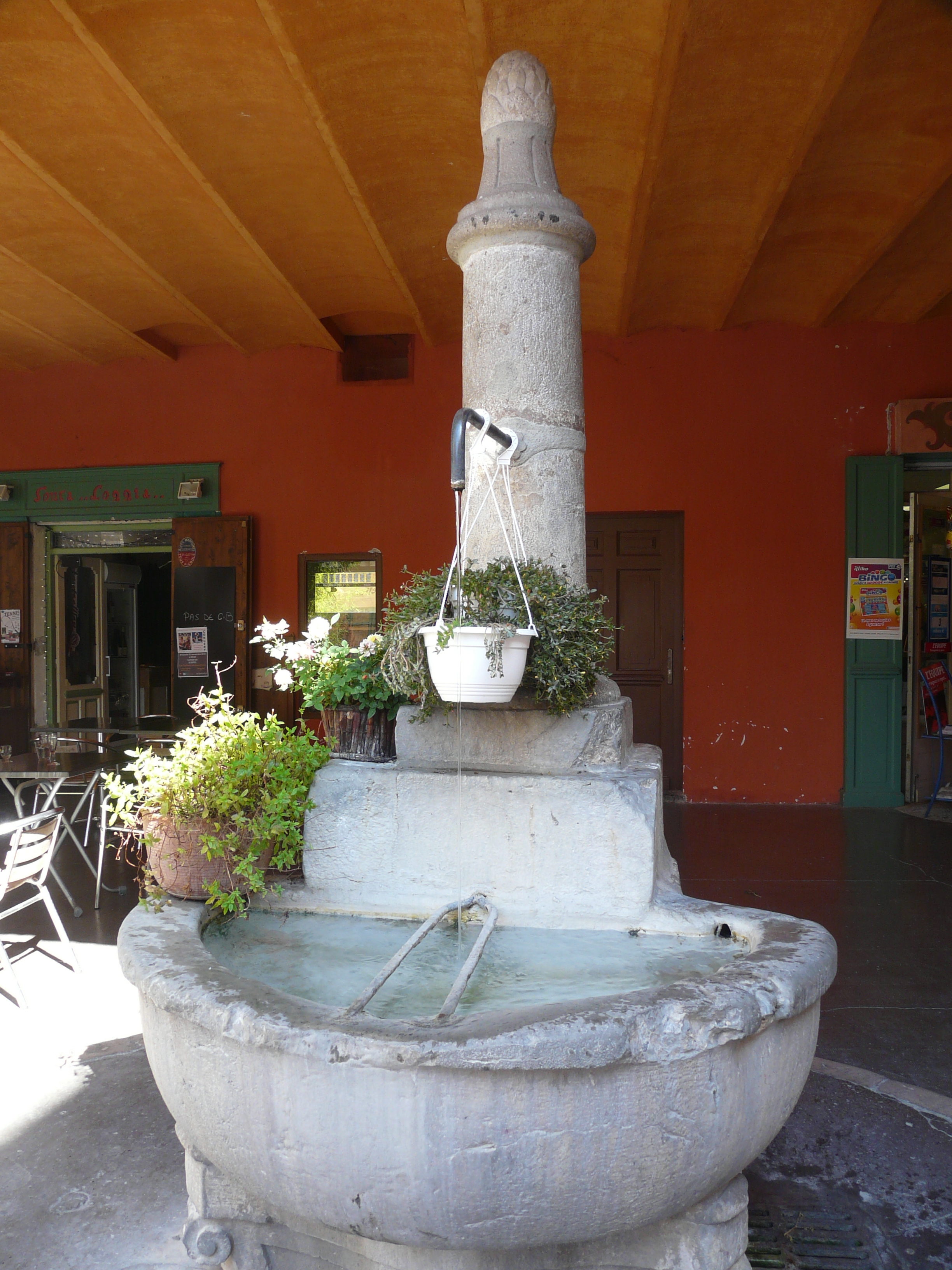
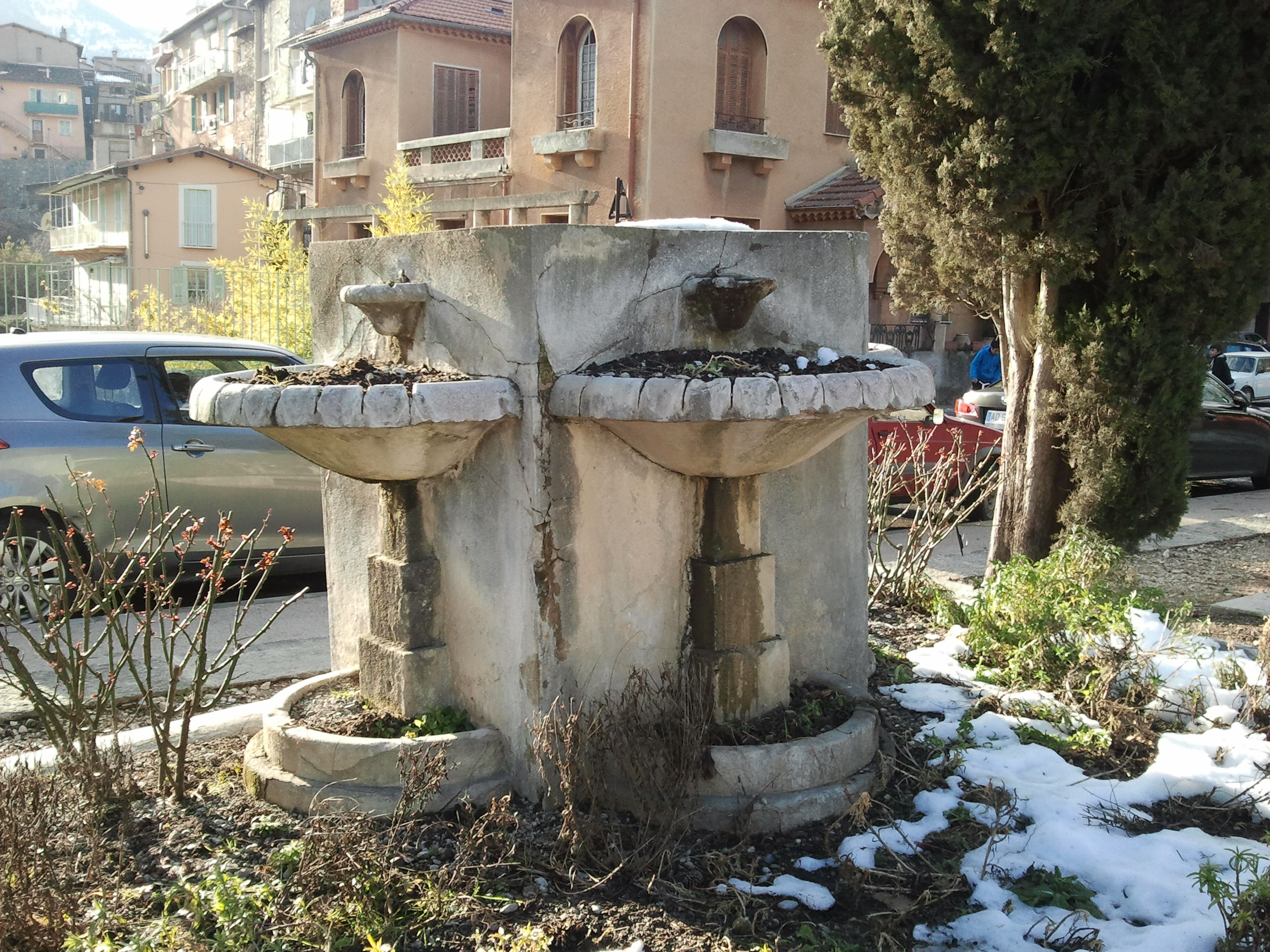
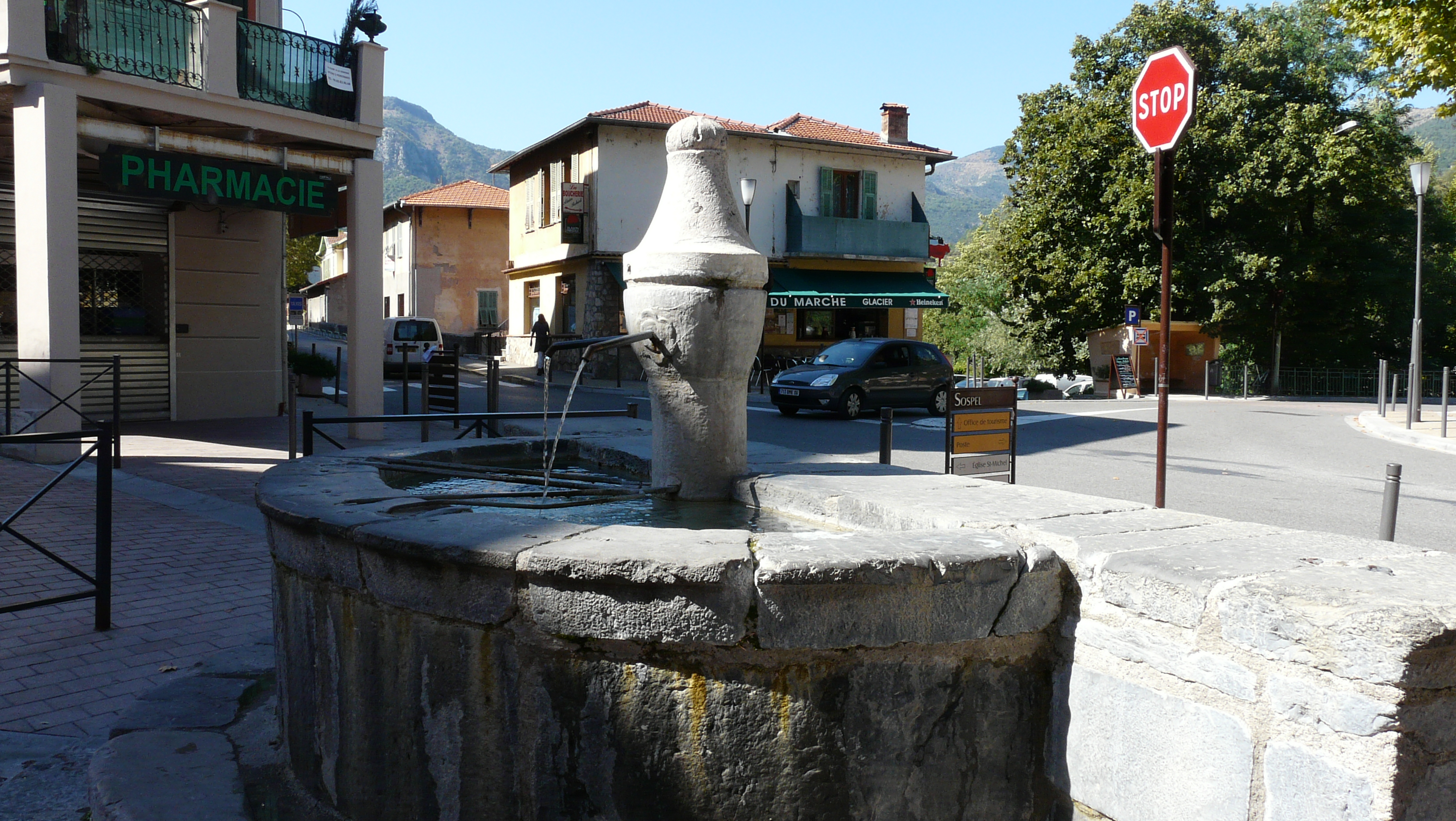
Located at 43.877753 N, 7.447503 E, the Fontaine sits in the heart of Sospel, a fortified town perched on the banks of the Bévéra River. The fountain’s stone basin collects clear mountain water that once served the daily needs of villagers—drinking, washing, and communal gatherings. Its simple yet elegant design reflects the functional aesthetics of traditional Provençal fountains, where form follows the rhythm of everyday life.
Historical Roots
The fountain is known locally as Fontaine de la Cabraïa (see the French Wikipedia entry for more context). While exact construction dates are not recorded, the structure aligns with the 17th‑ and 18th‑century wave of public waterworks that sprouted across Alpine‑border towns to provide reliable water sources after centuries of reliance on wells and rain‑catchment. Over the years, the Fontaine has witnessed Sospel’s evolution—from a medieval stronghold defending the Col de Tende pass to a tranquil tourist haven.
Cultural Significance
In Provençal culture, fountains are more than utilitarian objects; they are social hubs. Historically, locals would meet at the Fontaine to exchange news, share a glass of pastis, or simply pause for a moment of respite. Today, visitors can still feel that lingering sense of community, especially during the town’s seasonal festivals when the fountain becomes a backdrop for music, dancing, and local crafts.
2. How to Get There
By Air
The nearest major airports are Nice Côte d'Azur Airport (NCE) (≈ 75 km) and Genoa Cristoforo Colombo Airport (GOA) (≈ 90 km). From Nice, rent a car or hop on a regional train to Cannes, then transfer to the TER line toward Sospel.
By Train
SNCF’s TER Provence‑Alpes‑Côte d’Azur service connects Nice, Cannes, and Ventimiglia (Italy) to Sospel. The journey from Nice takes about 1 hour 45 minutes, with a scenic ride through the Alpes-Maritimes.
By Car
Driving offers flexibility to explore the surrounding countryside. From Nice, follow the A8 toward Cannes, then take the D2205 (also known as the Route des Gorges de la Bévéra) which winds up to Sospel. Parking is available near the town’s historic centre; look for signs directing you to “Parking du Centre.”
By Bus
Local bus lines (e.g., Line 400) run from Cannes and Antibes to Sospel, stopping near the town square where the Fontaine is located.
GPS & Maps
Enter the coordinates 43.877753, 7.447503 into any navigation app to pinpoint the exact location.
3. Best Time to Visit
| Season | Weather | Why Visit |
|---|---|---|
| Spring (April‑June) | Mild temperatures (15‑22 °C), blooming lavender & almond trees | Ideal for strolling the cobbled streets and seeing the fountain’s water flow at its freshest. |
| Summer (July‑August) | Warm to hot (25‑33 °C), occasional thunderstorms | Longer daylight hours let you enjoy evening festivals; bring a hat and water. |
| Autumn (September‑October) | Pleasant (18‑24 °C), fewer crowds | Perfect for photography, especially when the surrounding foliage turns golden. |
| Winter (November‑March) | Cooler (5‑12 °C), occasional snow in higher altitudes | Quiet atmosphere; the fountain’s stone looks striking against a misty backdrop. |
Tip: The fountain’s water flow is most robust after the spring rains, making April to early June the optimal window for a vivid experience.
4. What to Expect
Arriving at the Fontaine de la Cabraïa, you’ll be greeted by a stone basin set against the backdrop of Sospel’s pastel‑hued houses and the towering Bévéra River. The water, sourced from mountain springs, gently cascades into the basin, creating a soothing murmur that blends with the distant chime of church bells.
- Atmosphere: Quiet, contemplative, yet alive with the occasional chatter of locals buying fresh baguettes at nearby boulangeries.
- Visuals: The fountain’s modest stone arches are framed by climbing vines in summer, while winter’s frost adds a delicate sparkle.
- Sounds: Apart from the water, you’ll hear the soft clatter of horse‑drawn carts on the cobblestones and, during festivals, traditional Provençal accordion music.
- Senses: The air carries a subtle scent of rosemary and lavender from nearby gardens, and you might taste a sip of the cool, mineral‑rich water if a vendor offers a sample (always check local regulations).
Overall, the Fontaine offers a snapshot of everyday Provençal life—a place to pause, reflect, and absorb the authentic rhythm of a historic Alpine town.
5. Nearby Attractions
While the Fontaine is a highlight, Sospel and its surroundings are brimming with additional points of interest that can easily be explored on foot or by a short drive:
- Fontaine du Cours – Just 0.2 km away, this neighboring fountain features a slightly larger basin and ornate stonework, perfect for comparative photography.
- Fontaine circulaire – Located 0.3 km from the main fountain, its circular design offers a unique perspective on Provençal water architecture.
- Cascade du Piaon – A spectacular waterfall 3.5 km from Sospel. A short hike through pine‑filled valleys leads you to a cascading series of pools that sparkle in the sun—ideal for a refreshing dip or a picnic.
- Sospel Castle (Château de Sospel) – Overlooking the town, the medieval fortress provides panoramic views of the Bévéra Valley and the Alpes‑Maritimes.
- Eglise Saint‑Michaël – A Romanesque‑Gothic church with a bell tower that chimes hourly, adding a melodic backdrop to your visit.
Each of these sites is within easy reach, allowing you to craft a full‑day itinerary that blends history, nature, and local culture.
6. Travel Tips
- Timing: Arrive early (8 – 9 am) to beat any small crowds and capture the fountain in soft morning light.
- Footwear: Wear comfortable walking shoes; the streets are cobblestoned and can be uneven.
- Language: While French is the official language, many locals understand basic English, especially in tourist areas. Learning a few phrases like “Bonjour” and “Merci” goes a long way.
- Currency: Euro (€) is used throughout. Small cash amounts are handy for market stalls that may not accept cards.
- Safety: The fountain’s basin can be slippery when wet. Keep an eye on children and avoid stepping directly into the water.
- Photography: Use a polarizing filter to reduce glare on the water surface and enhance the stone’s texture. Sunrise and sunset provide the best natural lighting.
- Local Cuisine: After visiting the fountain, treat yourself to socca (chickpea pancake) or pissaladière at a nearby café. Pair it with a glass of Rosé de Provence for the full regional experience.
- Sustainability: Respect the historic site—do not litter, and avoid touching delicate stone carvings. Use refillable water bottles; the fountain’s water is clean, but always check local signage.
Wrap‑Up
The Fontaine de la Cabraïa may be modest in size, but it embodies the heart of Sospel—a town where history, nature, and community converge. Whether you’re a fountain enthusiast, a lover of Provençal architecture, or simply a traveler yearning for authentic French experiences away from the crowded Riviera beaches, this hidden gem offers a serene pause in your itinerary.
Plan your trip, follow the coordinates, and let the gentle flow of the Fontaine guide you into the timeless charm of Provence‑Alpes‑Côte d’Azur.
Happy travels, and may the waters of the Fontaine inspire your next adventure!