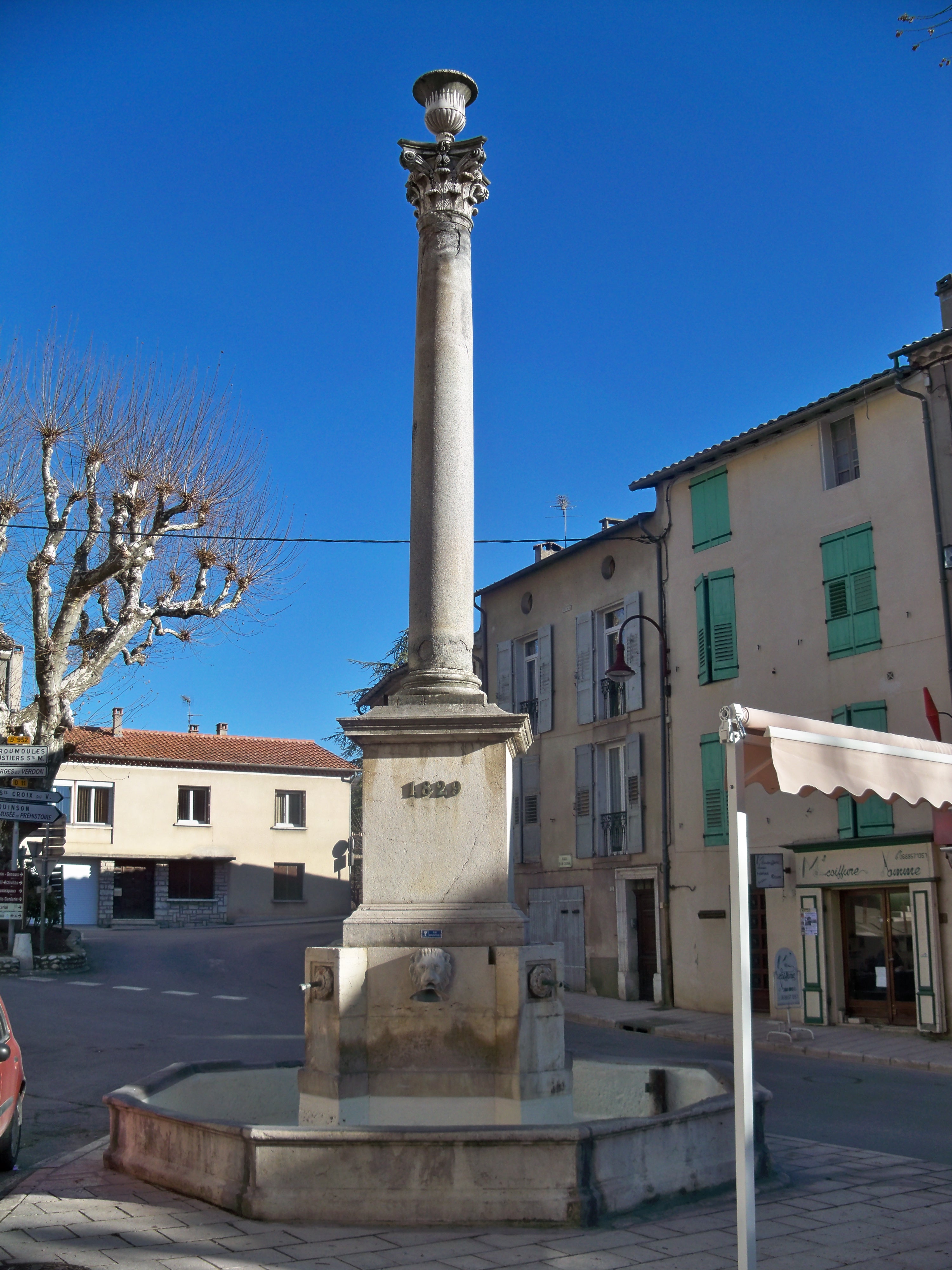
Fontaine de la Colonne – The Hidden Jewel of Riez, Provence‑Alpes‑Côte d’Azur
Discover the charm of a centuries‑old fountain that sits at the heart of a Provençal village, and learn how to make the most of this off‑the‑beaten‑path destination.
Introduction
If you’ve ever wandered through the sun‑kissed lanes of southern France, you know that the true magic of Provence lies not only in its lavender fields and vineyards, but also in the modest, stone‑capped treasures that pepper its villages. One such treasure is Fontaine de la Colonne, a graceful fountain perched in the historic centre of Riez, a small town nestled in the Provence‑Alpes‑Côte d’Azur region.
At first glance, the fountain may appear modest—a simple stone column crowned with a water basin—but its presence is a living reminder of the town’s communal life, centuries of local craftsmanship, and the timeless allure of Provençal water architecture. Whether you’re a history buff, a photography enthusiast, or simply a traveler seeking an authentic French experience, Fontaine de la Colonne deserves a spot on your itinerary.
About Fontaine de la Colonne
A brief description
The Fontaine de la Colonne (French for “Fountain of the Column”) is situated at the very centre of Riëz, at the coordinates 43.817306, 6.093914. The fountain consists of a stone column that supports a shallow basin, from which crystal‑clear water gently flows. While the exact height of the column is not recorded, its proportions blend seamlessly with the surrounding cobblestones, historic façades, and the town’s medieval layout.
Historical background
According to the French‑language Wikipedia entry, the fountain is a historic monument that has long served as a communal water source for the residents of Riez. Like many Provençal fountains, it likely dates back to the 19th century, a period when municipal authorities installed stone fountains to provide clean drinking water and to beautify public squares. Over time, Fontaine de la Colonne evolved from a practical utility into a symbolic gathering point—a place where locals exchange greetings, children play, and tourists pause for a moment of reflection.
Cultural significance
In Provençal towns, fountains are more than decorative elements; they are the lifeblood of the community. The rhythmic sound of water has historically signified health, prosperity, and civic pride. Today, Fontaine de la Colonne continues this tradition, acting as a focal point for seasonal festivals, open‑air markets, and impromptu street performances. Its stone surface, softened by centuries of weathering, tells a quiet story of Riez’s enduring connection to the land and its water sources.
How to Get There
By air
The nearest major airport is Marseille Provence Airport (MRS), about 120 km (≈ 75 mi) west of Riez. From Marseille, you can rent a car or take a regional train to the town of Manosque, then transfer to a local TER (Transport Express Régional) service that stops at Riez.
By train
Riez is served by the TER Provence‑Alpes‑Côte d’Azur line, which connects the town to Marseille, Toulon, and Nice. The Riez train station sits just a short walk (≈ 10 minutes) from the town centre, making the fountain easily reachable on foot.
By car
Driving through the scenic foothills of the Alpes-de‑Haute‑Provence offers the most flexibility. From Marseille, follow the A51 motorway north toward Manosque, then take the D7 road to Riez. Parking is available in several public lots near the town square; from there, the fountain is a matter of a few minutes’ stroll along the charming, narrow streets.
Public transport & walking
If you’re staying in a nearby village such as Moustiers‑Sainte‑Marie or Digne‑les‑Bains, regional bus lines (e.g., Lignes d’Azur) also stop in Riez. Once in town, the best way to explore is on foot—Riez’s historic centre is pedestrian‑friendly, and the fountain is centrally located, just off the main market square.
Best Time to Visit
| Season | Why it works | What to expect |
|---|---|---|
| Spring (March‑May) | Mild temperatures (15‑20 °C) and blooming lavender fields create a picture‑perfect backdrop. | Fewer tourists; the fountain’s water is especially clear after winter rains. |
| Summer (June‑August) | Long daylight hours (up to 15 h of sun) allow for extended exploring. | Warm weather (25‑30 °C); the square can get lively with market stalls and street musicians. |
| Autumn (September‑November) | Harvest festivals and golden foliage give a warm, rustic atmosphere. | Comfortable temperatures; the water flow remains steady, and local cafés offer seasonal menus. |
| Winter (December‑February) | Quiet, intimate ambience; the fountain often looks misty in the cooler air. | Cooler temps (5‑10 °C); some shops may close early, but the fountain remains accessible. |
Insider tip: The best lighting for photography is early morning or late afternoon, when the sun casts a soft glow on the stone column and the surrounding façades.
What to Expect
The visual experience
Approaching the fountain, you’ll first notice the harmonious blend of stone, water, and sky. The column’s weathered limestone glistens under the Provençal sun, while the shallow basin reflects the pastel hues of the surrounding buildings. In the summer, the gentle spray creates a refreshing micro‑climate—perfect for a quick pause on a hot day.
The sensory experience
Listen closely, and you’ll hear the soothing murmur of water—a sound that has echoed through Riez for generations. The scent of nearby rosemary and thyme gardens drifts on the breeze, adding an aromatic layer to the setting. If you visit during a market day, the chatter of locals, the clink of coffee cups, and the occasional accordion melody complete the tableau.
Photographic highlights
- Close‑up of the column: Capture the intricate stonework and the subtle moss that has claimed the base over time.
- Reflections: Position yourself opposite the basin to photograph the mirror‑like water reflecting the historic façades.
- Nighttime ambience: The fountain is illuminated by subtle street lamps, creating a romantic glow ideal for evening shots.
Nearby Attractions
Riez is a compact town, and several other fountains and natural sites lie within a short walk. Below are the most convenient spots to explore after visiting Fontaine de la Colonne:
| Attraction | Distance from Fontaine de la Colonne | Description |
|---|---|---|
| Unnamed Fountain #1 | 0.1 km | A small stone fountain tucked behind a local bakery—perfect for a quick photo. |
| Unnamed Fountain #2 | 0.2 km | Features a decorative bronze basin; often used by locals for fresh water. |
| Fontaine de Blanchon | 0.3 km | Known for its elegant arches and historic plaques. |
| Fontaine Benoîte | 0.3 km | A charming 19th‑century fountain surrounded by a lilac garden. |
| Source Saint‑Maxime (spring) | 0.5 km | A natural spring where locals collect mineral‑rich water; a short, pleasant walk through a shaded lane. |
All distances are approximate and easily walkable.
Travel Tips
- Footwear matters – The cobblestones can be uneven. Wear comfortable, closed‑toe shoes with good grip.
- Stay hydrated – Even though the fountain provides fresh water, bring a reusable bottle for convenience, especially in summer.
- Check market days – Riez’s weekly market (typically on Tuesdays) fills the square with stalls selling Provençal produce, cheese, and crafts. Visiting on market day adds vibrant colour to your experience.
- Timing for photos – Early morning (sunrise) or late afternoon (golden hour) offers soft lighting and fewer crowds.
- Respect local customs – The fountain is a public water source; avoid littering and keep noise levels moderate, especially during quiet evenings.
- Combine with a wine tour – The surrounding Alpes‑de‑Haute‑Provence region is dotted with vineyards producing Côtes de Provence rosé. Many local wineries offer short tasting sessions within walking distance of the town centre.
- Language tip – While most locals speak basic English, a few French phrases go a long way: “Bonjour,” “Merci,” and “Où est la fontaine?” (Where is the fountain?).
Final Thoughts
Fontaine de la Colonne may not have the grandeur of Parisian monuments, but its quiet elegance captures the essence of Provençal life: a harmonious blend of history, community, and natural beauty. A short stroll to this stone column offers travelers a moment of pause, a glimpse into centuries of local tradition, and a perfect backdrop for memorable photos.
So next time you find yourself wandering the sun‑drenched lanes of Riez, let the gentle flow of the fountain guide you to a deeper appreciation of France’s hidden gems. Pack your camera, lace up your walking shoes, and let the rhythm of the water lead you into the heart of Provence‑Alpes‑Côte d’Azur.
Happy travels!