Fontaine d'Eau Chaude – A Hidden Gem in the Heart of Aix‑en‑Provence
Discover the charm of one of Provence‑Alpes‑Côte d’Azur’s most tranquil fountains and why it belongs on every traveler’s itinerary.
Introduction
If you think of Aix‑en‑Provence, you probably picture bustling markets, fragrant lavender fields, and grand baroque architecture. Yet tucked away on a quiet corner of the historic centre lies a modest yet enchanting spot that locals have cherished for centuries: Fontaine d’Eau Chaude. Translating to “hot water fountain,” this stone‑crafted marvel offers a refreshing pause amid the city’s lively streets, a perfect backdrop for photos, and a subtle glimpse into the region’s love for public waterworks. Whether you’re a first‑time visitor to the French Riviera or a seasoned wanderer of Provençal towns, this fountain deserves a moment of your travel story.
About Fontaine d'Eau Chaude
Description
- Type: Public fountain ⛲
- Location: Aix‑en‑Provence, Provence‑Alpes‑Côte d’Azur, France
- Coordinates: 43.526888 N, 5.449864 E
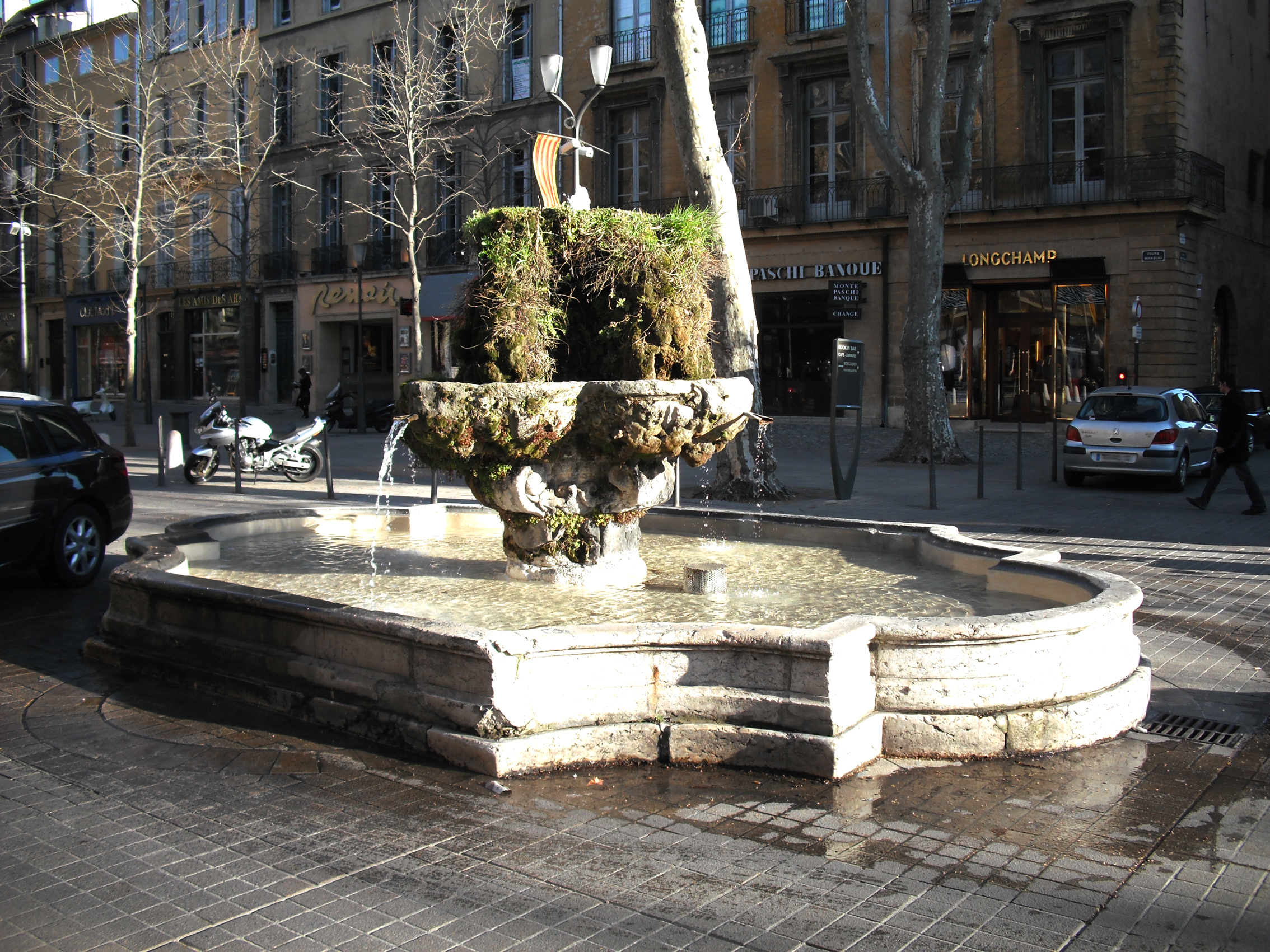
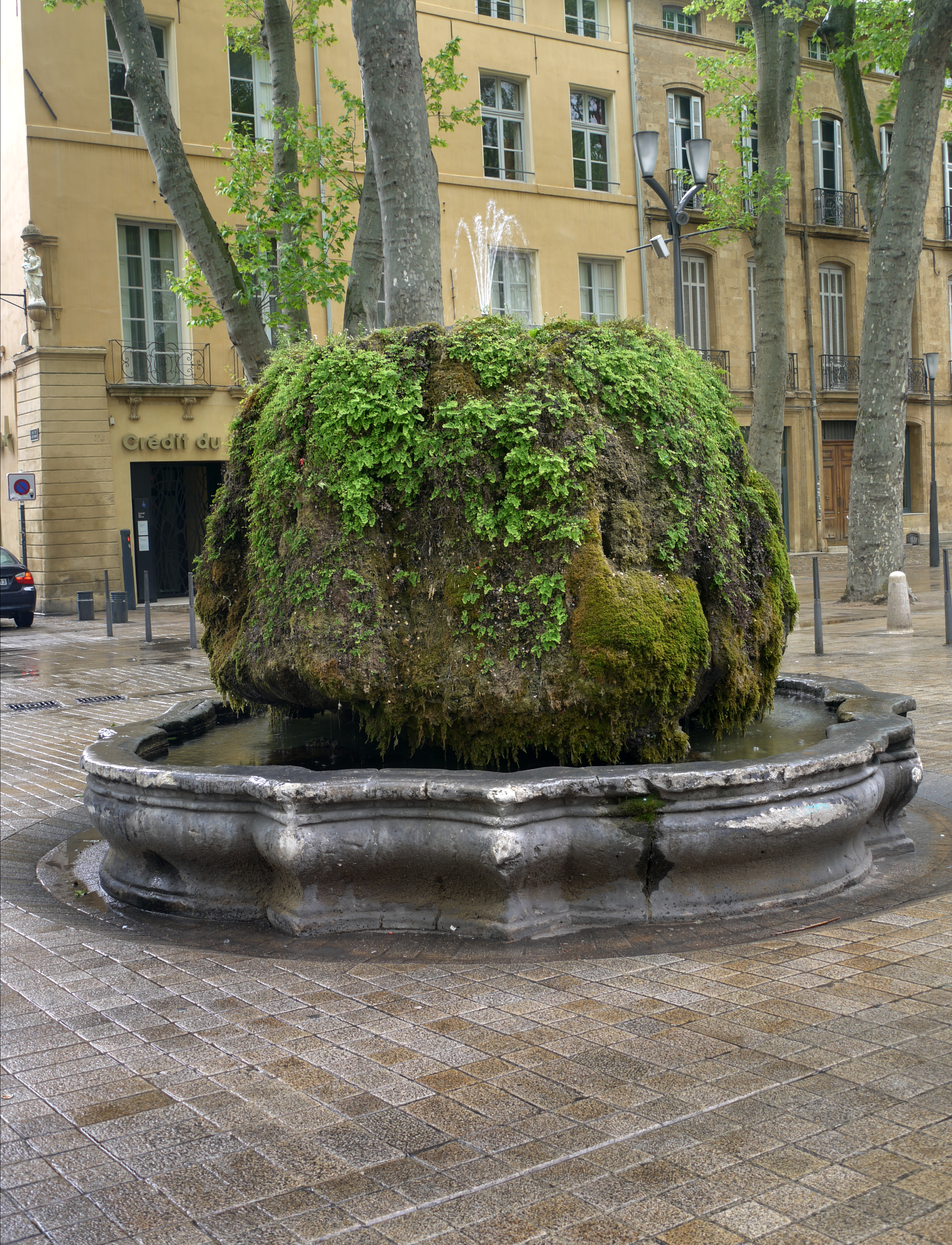
The fountain’s simple stone basin is framed by elegant, weather‑worn balusters that echo the classical style of the 18th‑century French municipal fountains. While the exact height and altitude remain undocumented, its modest scale invites close inspection—perfect for travelers who love to linger over architectural details.
History & Significance
Although detailed archival records are scarce, the name Eau Chaude hints at a historic function: many Provençal fountains supplied warm water for washing or therapeutic purposes, especially before modern plumbing. In the broader context of Aix‑en‑Provence, public fountains were not merely decorative; they were essential communal resources that reflected the city’s civic pride and commitment to public health.
The fountain is listed on the French Wikipedia page for Fontaine d’eau chaude, confirming its recognized place among the region’s cultural heritage. Its proximity to other historic fountains and monuments underscores a dense network of water features that once formed the lifeblood of the city’s daily rhythm.
How to Get There
By Air
- Nearest airport: Marseille Provence Airport (MRS) – about 30 km away. From the airport, take a shuttle or train to Aix‑en‑Provence (≈ 20 min).
By Train
- Aix‑en‑Provence TGV station connects directly to Paris, Lyon, and Marseille. From the station, the city centre is a 10‑minute walk or a short bus ride.
By Car
- From the A8 autoroute, exit at Aix‑en‑Provence and follow signs to the historic centre. Parking is limited; opt for the Parking Saint‑Rémy or Parking du Centre and enjoy a short stroll.
On Foot / Public Transport
- Bus lines 1, 2, 5, and 8 stop at Place de la Rotonde (a central hub). From there, it’s a 5‑minute walk northward along Rue de la Verrerie to the fountain’s exact spot.
- The fountain sits within the pedestrian‑only zone of the old town, making it easily reachable on foot from most major attractions.
Best Time to Visit
| Season | Why It Works | Tips |
|---|---|---|
| Spring (March‑May) | Mild temperatures, blooming almond trees, fewer crowds. | Wear comfortable shoes; the morning light is ideal for photography. |
| Summer (June‑August) | Long daylight hours; the fountain’s cool water offers a pleasant contrast to the heat. | Visit early morning or late afternoon to avoid peak tourist rush. |
| Autumn (September‑November) | Golden foliage, pleasant evenings, and the harvest festivals that fill the streets. | Combine with a local market visit for fresh Provençal produce. |
| Winter (December‑February) | Quiet atmosphere; the fountain’s stone takes on a serene, misty look. | Dress warmly; many cafés nearby provide a cozy spot to warm up. |
Overall, late spring and early autumn provide the perfect balance of pleasant weather, vibrant surroundings, and manageable visitor numbers.
What to Expect
Approaching Fontaine d’Eau Chaude, you’ll first notice its understated elegance—a stone basin framed by low, sculpted balusters. The water flows gently, creating a soft murmur that blends with the ambient chatter of nearby cafés and the occasional church bells.
- Sensory Experience: The cool spray against your skin on a warm day feels refreshing, while the subtle scent of nearby lavender and rosemary adds a quintessential Provençal aroma.
- Photographic Moments: The fountain’s symmetry works beautifully with the surrounding cobblestones. Capture sunrise reflections for a dreamy effect, or try a night shot when the surrounding street lamps cast a warm glow.
- Cultural Vibe: Locals often pause here to chat, sip an espresso, or simply watch the world go by. The relaxed atmosphere offers a genuine slice of daily life in Aix‑en‑Provence, far from the typical tourist checklist.
Nearby Attractions
A short stroll from Fontaine d’Eau Chaude reveals a cluster of historic fountains and monuments, each offering its own story:
- Fontaine des Neuf Canons – 0.1 km away, this ornate fountain boasts nine bronze cannons that once supplied water to the city’s old walls.
- Monument du Roi René – 0.1 km away, a tribute to the 15th‑century king who championed Provençal arts and agriculture.
- Fontaine des Trois Tritons – 0.1 km away, featuring mythological sea sprites that add a whimsical touch to the historic centre.
- Other fountains – Several unnamed fountains dot the immediate vicinity, each contributing to the city’s reputation as the “city of fountains.”
Because everything lies within a comfortable walking radius, you can design a self‑guided fountain tour that ends with a leisurely lunch at one of the nearby bistros, such as Le Café des Deux Garçons on the Place de l’Abbé.
Travel Tips
- Bring a reusable water bottle. While the fountain’s water is not intended for drinking, the city’s commitment to sustainability means refill stations are common nearby.
- Mind the footwear. Cobblestone streets can be slippery when wet, especially after a rain shower. Opt for sturdy, closed‑toe shoes.
- Check opening hours of nearby cafés. Many establishments close for a mid‑day siesta (typically 12:30‑14:30). Plan your coffee break accordingly.
- Respect local customs. The fountain is a public space; avoid climbing on the balusters or leaving litter.
- Capture the moment responsibly. If you’re using a tripod for night photography, be aware of pedestrian traffic and keep equipment low to avoid obstructing footpaths.
- Combine with a market visit. The Cours Mirabeau market (held on Tuesdays and Saturdays) is just a 10‑minute walk away—perfect for sampling Provençal cheeses, olives, and fresh figs.
- Seasonal events. During the Fête de la Musique (June 21), local musicians often perform near the fountain, creating an impromptu concert atmosphere.
Wrap‑Up
Fontaine d’Eau Chaude may not dominate travel brochures, but its quiet charm epitomizes the understated elegance that makes Aix‑en‑Provence a timeless destination. From its historic roots as a communal water source to its present role as a peaceful meeting point for locals and travelers alike, the fountain invites you to slow down, sip a café, and soak up the Provençal atmosphere.
Add this hidden gem to your itinerary, explore the surrounding fountains, and let the gentle flow of water guide you through one of France’s most captivating regions.
Happy travels, and may the waters of Fontaine d’Eau Chaude refresh both your body and your wanderlust!