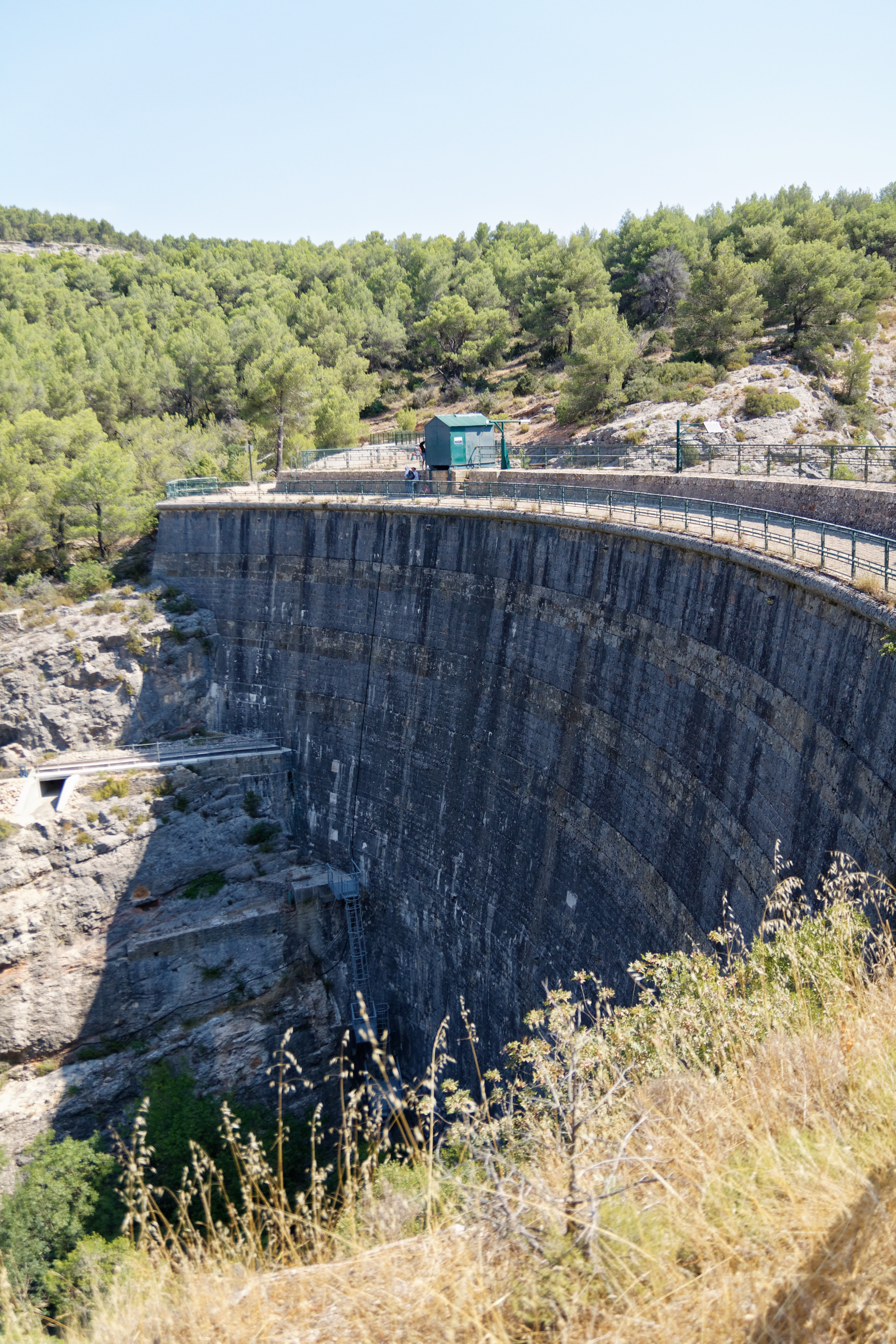
Aqueduc de Saint‑Antonin – A Hidden Engineering Gem in Provence‑Alpes‑Côte d’Azur
Discover the story, scenery, and travel tips for one of the region’s lesser‑known dams.
Introduction
Imagine strolling through the sun‑kissed hills of Le Tholonet, the scent of lavender drifting on the breeze, and suddenly stumbling upon a massive stone structure that has quietly shaped the water supply of Aix‑en‑Provence for centuries. That is the Aqueduc de Saint‑Antonin, a historic dam that blends Roman‑era ingenuity with the natural beauty of Provence‑Alpes‑Côte d’Azur. While the region is famed for its vineyards, olive groves, and iconic villages, this dam offers a unique glimpse into the engineering feats that kept the ancient city thriving. If you’re a history buff, a photography enthusiast, or simply a traveler looking for an off‑the‑beaten‑path experience, the Aqueduc de Saint‑Antonin should be on your itinerary.
About Aqueduc de Saint‑Antonin
A Brief Description
The Aqueduc de Saint‑Antonin is a dam situated at the coordinates 43.525176, 5.510893 in the commune of Le Tholonet, just a short drive from the historic centre of Aix‑en‑Provence. Though its exact height and altitude are not recorded in public sources, the structure’s massive stone arches and vaulted chambers are unmistakable. The dam was built as part of the extensive water‑management system that supplied the ancient city of Aix‑en‑Provence (then known as Aquae Sextiae) with fresh water from the surrounding mountains.
Historical Context
The dam’s origins are tied to the broader narrative of Histoire des eaux d’Aix‑en‑Provence—the centuries‑long effort to capture, transport, and store water for a growing urban population. According to the French Wikipedia entry on the subject, the Aqueduc de Saint‑Antonin formed a critical link in a network that combined Roman engineering principles with medieval and early‑modern upgrades. Over time, the structure was reinforced and adapted to meet the changing needs of the city, making it a living testament to the evolution of French hydraulic engineering.
Why It Matters
- Cultural Heritage: The dam is an integral part of the region’s water‑history, reflecting how ancient societies solved complex logistical challenges.
- Architectural Value: Its stone masonry showcases the durability of traditional building techniques that have withstood centuries of weathering.
- Scenic Setting: Nestled among olive groves and limestone cliffs, the Aqueduc offers stunning backdrops for photography and contemplation.
Visiting the Aqueduc de Saint‑Antonin is not just about seeing a dam; it’s about stepping into a piece of living history that continues to shape the landscape of Provence.
How to Get There
By Car
- From Aix‑en‑Provence: The most convenient way is to drive north on the A8 (Autoroute du Soleil) and exit at Le Tholonet. Follow the signs for Route de Saint‑Antonin; the dam is just a few kilometres from the town centre. The journey takes ≈ 20 minutes (≈ 15 km).
- Parking: A small public parking area lies near the dam’s entrance. It’s free but can fill up during peak tourist season, so arrive early.
By Public Transport
- Train & Bus: Take a TER train from Aix‑en‑Provence to Le Tholonet‑Saint‑Cyr station (≈ 10 minutes). From there, catch the local bus line #4 towards Saint‑Antonin; the stop is a short walk (≈ 5 minutes) from the dam.
- Bike Rental: The region is bike‑friendly, and several rental shops in Le Tholonet offer e‑bikes that make the 4‑km ride to the dam effortless.
By Foot
For the adventurous, the GR 4 long‑distance trail passes close to the Aqueduc. The hike from Le Tholonet’s historic centre takes roughly 1 hour and rewards you with panoramic views of the Bouches du Rhône countryside.
Best Time to Visit
| Season | Weather | Visitor Experience |
|---|---|---|
| Spring (Mar‑May) | Mild temperatures (15‑22 °C), occasional showers | Ideal for photography; wildflowers bloom around the dam. |
| Summer (Jun‑Aug) | Warm to hot (25‑35 °C), sunny days | Longer daylight hours, but expect more tourists. Early morning visits are recommended to avoid heat. |
| Autumn (Sep‑Nov) | Pleasant (18‑24 °C), crisp evenings | Fewer crowds, golden light perfect for sunset shots. |
| Winter (Dec‑Feb) | Cool (8‑12 °C), occasional rain | Quietest period; some facilities may have limited opening hours. |
Top Recommendation: Late April to early June offers a perfect blend of comfortable weather, vibrant scenery, and manageable visitor numbers.
What to Expect
The Experience
- First Glimpse: As you approach, the dam’s stone arches dominate the horizon, framed by the gentle slopes of the Provençal hills.
- Walking the Structure: A well‑maintained pathway runs alongside the dam, allowing you to get close to the water channel and observe the ancient masonry up close. Informational plaques (in French and English) explain the engineering principles used during construction.
- Sounds & Smells: The soft murmur of flowing water, combined with the scent of rosemary and thyme, creates a tranquil atmosphere that feels worlds away from the bustling city streets of Aix.
- Photography Hotspot: The dam’s geometric lines contrast beautifully with the surrounding greenery, especially during the golden hour. Don’t miss the view from the small overlook on the north side—it offers a sweeping panorama of the Bouches du Rhône valley.
Accessibility
- The main walkway is wheelchair‑friendly, though some sections near the water’s edge have uneven stones.
- Restrooms are available at the nearby Le Tholonet visitor centre (≈ 0.4 km away).
Nearby Attractions
While the Aqueduc de Saint‑Antonin is the star of the day, the surrounding area brims with complementary sites that can easily fill a half‑day itinerary:
| Attraction | Distance | Type | Quick Insight |
|---|---|---|---|
| Barrages romain | 0 km | Dam | A Roman‑era dam that predates the Aqueduc, showcasing ancient water‑management techniques. |
| [Unnamed Waterfall] | 0 km | Waterfall | A charming cascade hidden in the forested hills—perfect for a short nature break. |
| [Unnamed Fountain] | 0.4 km | Fountain | A historic stone fountain that once supplied the village of Le Tholonet. |
| Barrage de la Petite Mer | 0.4 km | Dam | Small but picturesque, this dam creates a serene pond ideal for picnics. |
| Barrage Zola | 0.8 km | Dam | Named after the famous writer Émile Zola, it offers scenic walking trails along its banks. |
Note: For more detailed information, you can explore each site’s Wikipedia page or local tourism website.
Travel Tips
- Start Early – Arriving at sunrise not only beats the crowds but also provides spectacular lighting for photos.
- Carry Water & Snacks – While there are cafés in Le Tholonet, the immediate vicinity of the dam has limited food options.
- Dress in Layers – Even in summer, the shade near the water can be cool; a light jacket ensures comfort.
- Respect the Site – The dam is a protected historic structure. Stick to marked paths and avoid climbing on the arches.
- Bring a Binocular – The surrounding hills host a variety of bird species, especially during migration periods (spring & autumn).
- Check Opening Hours – Although the dam itself is open year‑round, the nearby visitor centre and restrooms may have seasonal schedules.
- Use a Local Map App – Offline maps (e.g., MAPS.ME) are handy in areas with spotty mobile coverage.
- Combine with a Wine Tour – The Côtes de Provence vineyards lie just a short drive away; many local wineries offer tasting sessions that can round out your day.
Final Thoughts
The Aqueduc de Saint‑Antonin may not appear on every mainstream travel guide, but its blend of historical significance, architectural charm, and natural beauty makes it a must‑see for anyone exploring Provence‑Alpes‑Côte d’Azur. Whether you’re tracing the footsteps of Roman engineers, snapping Instagram‑worthy photos, or simply enjoying a peaceful walk by the water, this dam offers a rewarding slice of Provençal heritage that will linger in your memory long after you leave the region.
Pack your camera, lace up your walking shoes, and set out for Le Tholonet—your adventure into the heart of historic French engineering awaits!