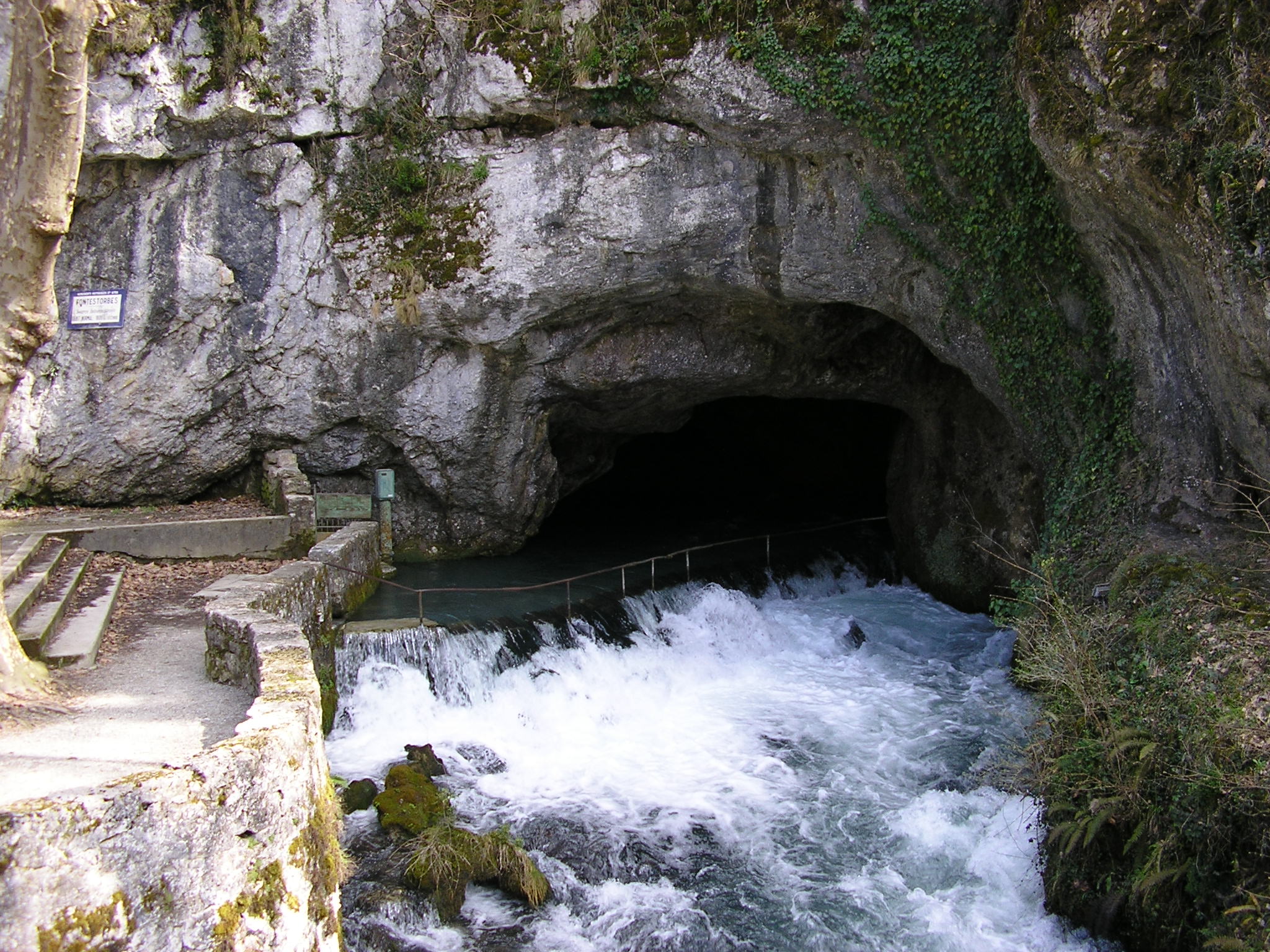
Fontaine Intermittente de Fontestorbes – A Hidden Karstic Gem in Midi‑Pyrenees
Discover the mysterious spring that bursts forth from the limestone heart of Southern France.
Introduction
Imagine standing on a quiet ridge in the rolling hills of Midi‑Pyrenees, the air scented with pine and wild thyme, when suddenly a crystal‑clear stream erupts from the ground, disappearing just as quickly as it appears. This is the Fontaine intermittente de Fontestorbes, a rare intermittent karst spring that has fascinated locals and travelers alike for centuries. Tucked near the charming village of Beléta in the historic department of Ariège, this natural wonder offers a perfect blend of geology, serenity, and off‑the‑beaten‑path adventure—making it an ideal stop for hikers, nature lovers, and anyone seeking a slice of authentic French countryside.
In this guide, we’ll explore the spring’s story, how to reach it, the best seasons to visit, what you’ll experience on site, nearby attractions, and essential travel tips to ensure a smooth and memorable journey.
About Fontaine Intermittente de Fontestorbes
What Is It?
The Fontaine intermittente de Fontestorbes is an intermittent karstic spring (exsurgence karstique) located at latitude 42.892582 and longitude 1.927056, within the commune of Belesta. Unlike permanent springs, an intermittent spring only flows when underground water pressure builds enough to force water through fissures in the limestone. When the pressure drops, the spring can cease flowing for hours, days, or even weeks, creating a captivating “on‑and‑off” spectacle.
Historical and Cultural Significance
While detailed historical records are scarce, intermittent springs have long been woven into local folklore across the Pyrenees. Their unpredictable nature often inspired legends of hidden treasures, protective spirits, and ancient rituals. In the case of Fontestorbes, the spring’s name—Fontestorbes—derives from the Occitan word “font” (spring) and “estorbes,” hinting at a possible link to old shepherd routes or a forgotten settlement that once relied on its waters.
Today, the spring is recognized by the French geological community as a classic example of karstic hydrology, and it appears on regional nature maps as a point of interest for hikers exploring the Ariège limestone plateau.
Why It Matters
- Geological curiosity: It illustrates the dynamic water‑rock interactions that shape the Pyrenean landscape.
- Ecological niche: When active, the spring supports a micro‑habitat of mosses, algae, and invertebrates uniquely adapted to intermittent water flow.
- Cultural heritage: It connects modern visitors with centuries‑old rural traditions of water stewardship in Midi‑Pyrenees.
How to Get There
By Car
The most convenient way to reach Fontestorbes is by car. From Toulouse, take the A61 west toward Pamiers, then exit onto N20 heading south to Foix. From Foix, follow the D18 road to Belesta (approximately 30 km). In Belesta, turn onto the local D112 that leads directly to the spring’s coordinates (42.892582, 1.927056). Parking is available in a small lay‑by near the trailhead; the site is free of charge.
| Starting Point | Approx. Driving Time |
|---|---|
| Toulouse | 1 hour 45 min |
| Foix | 30 min |
| Perpignan | 2 hours 20 min |
By Public Transport
Public transport options are limited, reflecting the spring’s remote nature. The nearest SNCF train station is Foix, served by regional TER services from Toulouse and Barcelona. From Foix, you can catch a local bus (line 112) to Belesta, though schedules are infrequent (typically one or two departures per day). A taxi or rideshare from the station to the spring is a reliable alternative.
On Foot or By Bike
For the adventurous, the spring lies on a network of marked GR (Grande Randonnée) trails that criss‑cross the Ariège plateau. The GR 10 long‑distance trail, which runs the length of the Pyrenees, passes within a few kilometers of Fontestorbes. Cyclists can follow the quiet D112 road, which offers gentle gradients and scenic views of rolling pastures.
Best Time to Visit
Because the spring is intermittent, timing your visit around its flow cycles is key. While exact predictions are impossible without local hydrological data, the following seasonal guidelines help maximize your chances of seeing the water in action:
| Season | Expected Flow | Visitor Experience |
|---|---|---|
| Spring (Mar‑May) | Higher likelihood of flow due to snowmelt and spring rains | Lush vegetation, vibrant wildflowers, pleasant temperatures |
| Summer (Jun‑Aug) | Variable; dry spells may halt flow | Warm days, ideal for longer hikes; bring extra water |
| Autumn (Sep‑Nov) | Moderate flow from autumn rains | Golden foliage, fewer crowds |
| Winter (Dec‑Feb) | Low flow; possible freezing of the spring outlet | Quiet, snow‑capped landscape; great for photography if you enjoy winter scenes |
Pro tip: Check recent weather reports and local hiking forums (e.g., Visorando or Camptocamp) the day before your trip. Local hikers often post real‑time updates on whether the spring is active.
What to Expect
The Visual Drama
When active, the Fontaine intermittente erupts from a shallow limestone fissure, creating a thin, silvery ribbon of water that cascades over smooth rocks before disappearing into a small pool. The flow can range from a gentle trickle to a modest gush, depending on underground pressure. The surrounding area is typically carpeted with mosses, lichen, and small alpine flowers, adding a delicate green contrast to the clear water.
The Soundscape
The intermittent nature gives the site an ever‑changing sound profile. When the spring is flowing, you’ll hear a soft, bubbling murmur that blends with the rustle of nearby oak and pine trees. When dormant, the silence is profound—perfect for meditation or simply soaking in the natural ambiance.
Wildlife
Look out for dragonflies, damselflies, and occasional frogs that gather near the water’s edge during flow periods. Birdwatchers may spot goldfinches, chiffchaffs, and the occasional buzzard soaring overhead.
Facilities
The location is intentionally rustic: there are no restrooms, food vendors, or information boards. Bring a packed lunch, water, and toilet paper (and pack it out). A small wooden bench near the trailhead offers a place to rest while you wait for the spring to awaken.
Nearby Attractions
While the Fontaine intermittente de Fontestorbes is the star of the day, the surrounding Midi‑Pyrenees region offers several complementary sites that can fill out a full‑day itinerary:
| Attraction | Distance from Fontestorbes | Type | Quick Info |
|---|---|---|---|
| [Weir – unnamed] | 0 km | Weir | A small historic weir located right at the spring’s edge, offering a glimpse of traditional water management. |
| [Spring – unnamed] | 0.8 km | Spring | Another modest karst spring nestled in a meadow; perfect for a short detour and photo opportunity. |
| [Fountain – unnamed] | 1.2 km | Fountain | A stone‑built fountain that once served the local hamlet; the surrounding garden is a quiet spot for a picnic. |
| [Fountain – unnamed] | 1.3 km | Fountain | Similar to the previous fountain, this one features an ornamental basin and a nearby legend about a hidden treasure. |
| [Penchère Weir] | 1.9 km | Weir | A larger, well‑preserved weir on the Penchère stream, showcasing historic engineering and offering a scenic riverside walk. |
Note: Exact names and URLs are not publicly listed; you can search each term on local tourism sites or Google Maps for precise locations.
Travel Tips
- Check the Flow Before You Go – Use local hiking apps or the Ariège Nature Facebook page for recent updates on the spring’s activity.
- Dress in Layers – Weather in the foothills can shift quickly; a lightweight waterproof jacket is advisable.
- Bring a Portable Power Bank – Cell service may be spotty, but you’ll want a charged phone for navigation and photos.
- Respect the Karst Environment – Stay on marked paths to avoid damaging fragile limestone formations and delicate vegetation.
- Pack Out All Trash – There are no waste bins on site; leave the area as pristine as you found it.
- Timing Your Visit – Arrive early in the morning to beat any occasional crowds and enjoy the soft sunrise light over the spring.
- Safety First – The ground around the spring can be slippery when water is flowing. Wear sturdy hiking boots with good traction.
- Combine With a Local Meal – After exploring, head back to Belesta for a traditional cassoulet or trout dish at Le Bistrot de la Fontaine, a cozy restaurant just a short walk from the village square.
Final Thoughts
The Fontaine intermittente de Fontestorbes may not appear on mainstream travel brochures, but that’s precisely what makes it a treasure for the curious traveler. Its intermittent dance of water, set against the rugged limestone backdrop of the Midi‑Pyrenees, offers a rare glimpse into the hidden hydrological rhythms that shape this part of France. Whether you’re a geology enthusiast, a photographer hunting for that perfect moment, or simply a wanderer seeking serenity, Fontestorbes invites you to pause, listen, and marvel at nature’s subtle surprises.
Pack your boots, check the weather, and let the spring’s intermittent whispers guide you to an unforgettable French countryside adventure. Safe travels!