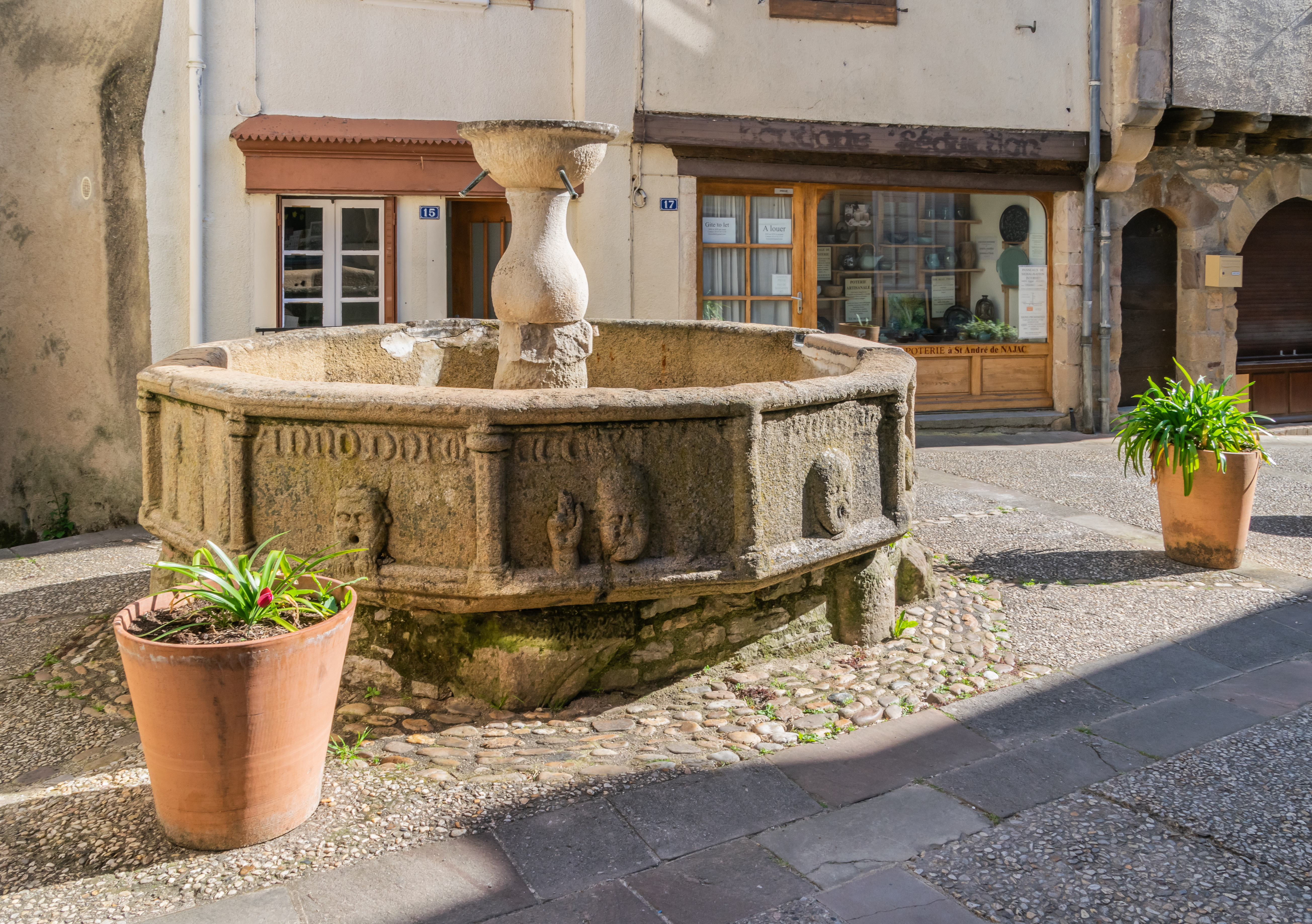
Fontaine du Bourguet – A Hidden Fountain Gem in La Fouillade, Midi‑Pyrénées
Discover the quiet charm of a centuries‑old stone fountain tucked away in the heart of the French countryside.
Introduction
If you’re chasing the road‑less‑travelled corners of southern France, the Fontaine du Bourguet should be on your radar. Nestled in the tiny commune of La Fouillade in the Midi‑Pyrénées region, this modest stone fountain may not boast the grand arches of Parisian landmarks, but it offers a genuine slice of Provençal‑style serenity. Whether you’re a history buff, a photography enthusiast, or simply a wanderer looking for a peaceful spot to pause, the Fontaine du Bourguet invites you to sip (figuratively) the local atmosphere and soak up the timeless rhythm of village life.
About Fontaine du Bourguet
A Brief Description
The Fontaine du Bourguet is a traditional public fountain (French: fontaine), built from local stone and fed by an underground spring. Though its exact height and altitude are not documented, the structure blends seamlessly with the surrounding cobblestones and terraced gardens of La Fouillade. The water that gently bubbles from its carved basin has historically served the village’s residents, livestock, and travelers—an essential lifeline before modern plumbing arrived.
Historical Roots
While specific archival records for the Fontaine du Bourguet are scarce, fountains of this type are typical of the 12th‑ to 15th‑century rural architecture in the Midi‑Pyrénées. They were often commissioned by local lords or religious orders to provide clean drinking water and to symbolize communal prosperity. The name “Bourguet” likely derives from a family name or a historic landowner who financed the fountain’s construction, a common practice in the region.
Cultural Significance
In French villages, a fountain is more than a water source—it’s a gathering point. Children play at its edge, elders exchange news, and festivals sometimes revolve around its cool mist. The Fontaine du Bourguet continues this tradition today, acting as a quiet backdrop for daily life and a subtle reminder of La Fouillade’s enduring heritage. Its modest charm has also earned a mention in the French Wikipedia entry for the nearby Fontaine de Najac, underscoring its place within the broader tapestry of historic French fountains.
How to Get There
By Air
The nearest major airports are Toulouse‑Blagnac (TLS) (≈ 130 km) and Carcassonne Airport (CCF) (≈ 90 km). From either airport, rent a car and follow the A61 motorway toward Albi, then take the D911 south to La Fouillade.
By Train
Albi-Ville is the closest train station (about 25 km away) on the SNCF TER line that connects Toulouse, Rodez, and Albi. From Albi, you can catch a regional bus (line XX) toward La Fouillade or hire a local taxi.
By Car
Driving is the most flexible option. From Toulouse, take the A68 toward Albi, then exit onto the D911. The drive is scenic, winding through rolling vineyards and oak‑filled hills. Parking is available on the small municipal lot just off Rue de la Fontaine, a short 2‑minute walk to the fountain.
By Bike or Foot
For the adventurous, the Canal du Midi cycle route passes within a few kilometers of La Fouillade. You can ride the quiet country lanes to the village center and enjoy the fountain as a rewarding mid‑day stop.
Best Time to Visit
| Season | What to Expect | Why It’s Ideal |
|---|---|---|
| Spring (Mar‑May) | Blossoming almond trees, mild temperatures (12‑18 °C) | The fountain’s water is crystal‑clear, and the surrounding gardens are at their most vibrant. |
| Summer (Jun‑Aug) | Warm days (20‑30 °C), longer daylight | Perfect for an early‑morning visit before the heat peaks; nearby Barrage de la Frégère offers cooling shade. |
| Autumn (Sep‑Nov) | Golden foliage, cooler evenings (10‑16 °C) | Fewer tourists, and the soft autumn light makes for stunning photographs of the stonework. |
| Winter (Dec‑Feb) | Quiet village atmosphere, occasional frost | While the fountain may be less active in freezing weather, the serene ambiance is unparalleled. |
Overall, late spring and early autumn provide the most comfortable climate and the richest visual palette for photography and leisurely strolling.
What to Expect
Arriving at the Fontaine du Bourguet, you’ll first notice the gentle sound of water flowing over the stone basin—a soothing backdrop that instantly calms the senses. The fountain is situated in a modest square paved with limestone cobbles, bordered by a few rustic benches and a handful of flowering shrubs.
- Visuals: The fountain’s stone arches are weathered but well‑preserved, displaying subtle carvings that hint at medieval craftsmanship. Sunlight filters through the surrounding oak trees, casting dappled patterns on the water’s surface.
- Atmosphere: Locals often gather here for a quick chat, a glass of Cahors wine, or to watch children splash their hands in the cool stream. The vibe is relaxed, almost timeless.
- Photography: The best angles are from the north side, where the light illuminates the façade, and from a low perspective that captures the water’s ripple. Bring a polarizing filter to reduce glare on the stone.
- Accessibility: The square is flat and wheelchair‑friendly, though the historic stone steps leading up to the fountain may be uneven for those with limited mobility.
Nearby Attractions
While the Fontaine du Bourguet is the star of the show, the surrounding Midi‑Pyrénées countryside offers several complementary sights within a short radius:
- Barrage de la Frégère – A small weir just 0.3 km away, perfect for a leisurely walk along the water’s edge.
- [Unnamed Spring] – Located 0.6 km from the fountain, this natural spring offers a quiet spot for picnicking.
- [Unnamed Spring] – 0.9 km away, another charming spring surrounded by native flora.
- Fontaine de Capélis – A historic spring‑fountain 2.7 km away, renowned for its decorative stonework (see more on the Wikipedia page for Fontaine de Najac).
All of these sites are reachable on foot or by a short bike ride, making the area ideal for a half‑day exploration of rural heritage.
Travel Tips
| Tip | Details |
|---|---|
| Carry Cash | Small villages often accept only cash for local cafés and market stalls. |
| Timing | Arrive early (7 – 9 am) to enjoy the fountain before any crowds and to capture the soft morning light. |
| Dress Comfortably | Cobblestone streets can be uneven; sturdy shoes are recommended. |
| Stay Hydrated | Even though the fountain’s water is beautiful, it’s not potable. Bring a reusable bottle. |
| Local Cuisine | Try the cassoulet or roquefort at the nearby bistro “Le Petit Auberge” – a short 5‑minute walk from the fountain. |
| Respect the Site | Keep the area clean, avoid climbing on the stone arches, and follow any posted signage. |
| Photography Etiquette | If locals are using the fountain, ask politely before taking close‑up shots. |
| Seasonal Events | Check the La Fouillade municipal calendar; the village often hosts a summer fête near the fountain in July. |
Bottom Line
The Fontaine du Bourguet may not dominate travel guide headlines, but its understated elegance and authentic village atmosphere make it a rewarding stop for any traveler exploring the Midi‑Pyrénées. Combine a visit with nearby natural spots, savor the local gastronomy, and you’ll leave La Fouillade with a deeper appreciation for France’s hidden, water‑kissed treasures.
Pack your camera, lace up your walking shoes, and let the gentle murmur of the fountain guide you into the heart of southern France.