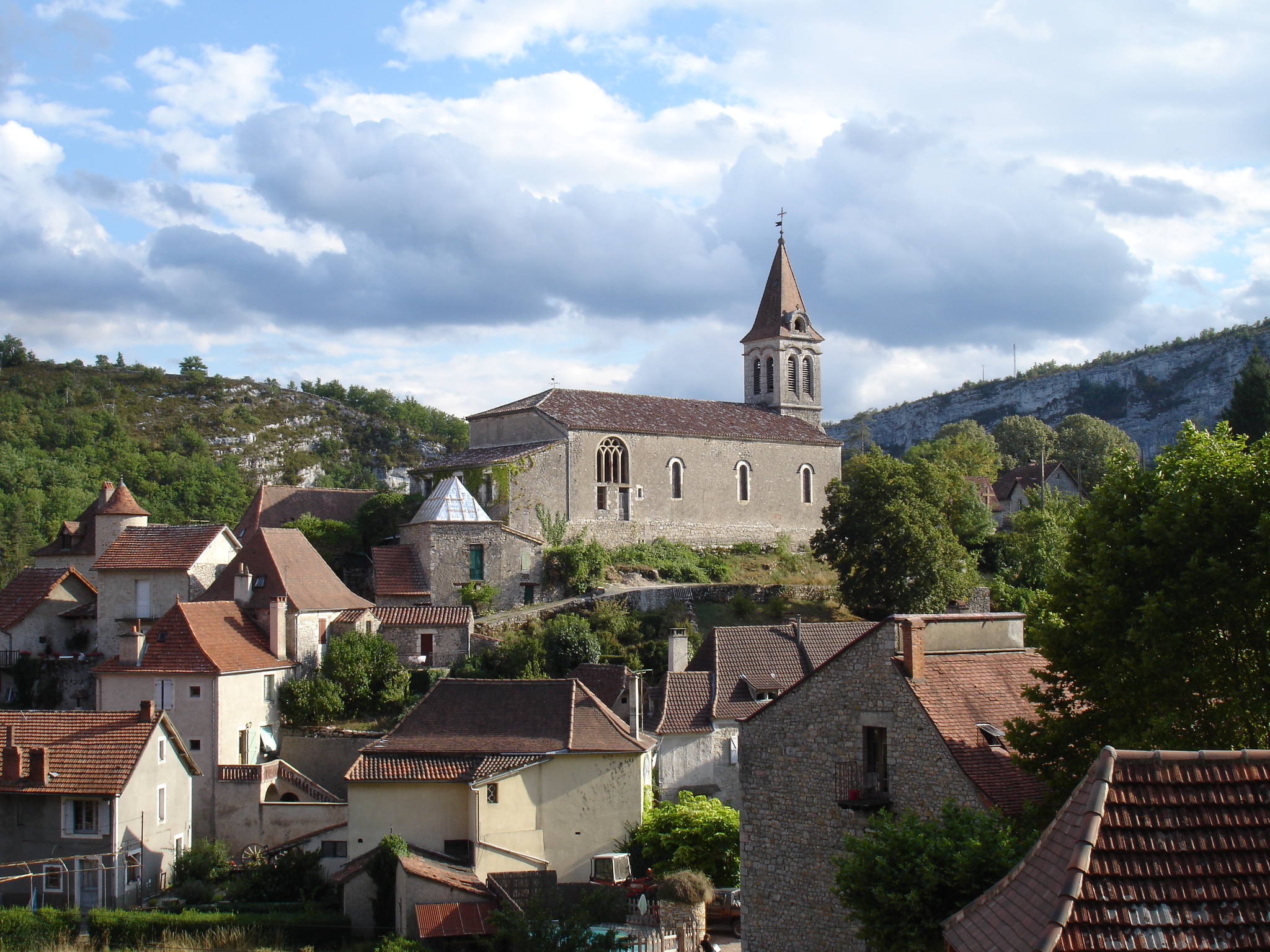
Émergence de la Pescalerie – A Hidden Spring Gem in Cajarc, Midi‑Pyrenees
Discover the crystal‑clear waters, tranquil surroundings, and the authentic charm of this lesser‑known spring in the heart of southwestern France.
1. Introduction
Imagine stepping off the winding country road of Cajarc and hearing the soft murmur of water bubbling up from the earth. The Émergence de la Pescalerie is exactly that – a pristine spring that feels like a secret whispered by the landscape itself. Nestled in the rolling hills of the Midi‑Pyrenees, this natural water source offers a perfect pause for hikers, photographers, and anyone craving a genuine taste of rural France. Whether you’re mapping a day‑trip itinerary or planning a longer adventure through the Occitanie region, the spring’s serene vibe makes it a must‑see spot that’s still off the typical tourist radar.
2. About Émergence de la Pescalerie
What Is It?
- Type: Natural spring (💧)
- Location: Cajarc, Midi‑Pyrenees, France
- Coordinates: 44.521439 N, 1.670114 E
The spring emerges from the limestone bedrock that characterises much of the Causse landscape. Though its exact height and altitude are not documented, the water’s clarity and steady flow suggest a deep underground aquifer feeding the surface.
Historical Context
The name Pescalerie hints at a historic connection to fish farming (“pesca” meaning “to fish” in Occitan). In centuries past, local families likely used the spring’s abundant water to sustain small ponds or “pescaleries,” a common practice in rural Midi‑Pyrenees where water‑rich sites supported both agriculture and aquaculture. While the spring today is primarily a natural attraction, traces of these traditional uses linger in the surrounding fields and stone walls.
Why It Matters
- Ecological value: The spring supports a micro‑habitat for amphibians, insects, and native plants, contributing to the region’s biodiversity.
- Cultural heritage: It stands as a living reminder of the agrarian lifestyle that shaped Cajarc and its neighboring villages.
- Scenic appeal: The surrounding meadow, dotted with wildflowers and framed by gentle hills, offers a picture‑perfect backdrop for Instagram‑ready shots.
For a deeper dive into the broader historical setting of the area, check out the Cabrerets Wikipedia page, which mentions the spring within the context of local monuments and natural sites.
3. How to Get There
By Car
- From Toulouse: Take the A61 motorway east toward Montauban → exit for Cajarc (N20). Follow the signs for Cajarc Centre and then look for local road D122 heading south toward the spring.
- From Cahors: Drive north on the D820 for about 15 km, then turn left onto D122. The spring is signposted just before the village outskirts.
Parking: A small gravel lot sits near the spring’s entrance. It’s free but can fill up on sunny weekends, so arrive early.
By Public Transport
- Train: The nearest SNCF station is Cajarc on the Toulouse–Brive line. Trains run roughly every hour.
- Bus: Local TER bus line Cajarc–Lacapelle‑Marival stops within walking distance (about 10 min) of the spring. Check the latest schedule on the Occitanie Transport website.
Walking & Cycling
The spring is part of a network of marked rural trails that link Cajarc’s historic centre to surrounding natural sites. Rent a bike in town and follow the green “Sentier des Sources” signposts for a scenic 3 km ride.
4. Best Time to Visit
| Season | What to Expect | Why It’s Ideal |
|---|---|---|
| Spring (March‑May) | Fresh green shoots, blooming wildflowers, moderate temperatures (12‑18 °C). | The water flow is strongest after winter rains, making the spring especially lively. |
| Summer (June‑August) | Warm days, occasional heatwaves (25‑30 °C). | Perfect for picnics, but visit early morning to avoid crowds and stay cool. |
| Autumn (September‑November) | Golden foliage, cooler air (10‑16 °C). | The surrounding woods turn amber, offering a tranquil atmosphere and fewer tourists. |
| Winter (December‑February) | Quiet, occasional frost, lower water temperature. | Ideal for contemplative walks and photography of misty landscapes. |
Tip: The spring’s water clarity is at its peak in late spring and early autumn, when runoff is moderate and the surrounding vegetation stabilises the banks.
5. What to Expect
The Sensory Experience
- Sight: Crystal‑clear water bubbling from a small stone basin, framed by low‑lying grasses and occasional poppies. In the distance, the gentle rise of the Causse de Gramat adds depth to the view.
- Sound: A soothing, continuous gurgle that masks distant traffic—a natural white‑noise soundtrack for meditation or reading.
- Touch: The water is refreshingly cool (typically 10‑12 °C). You can dip your hands or even take a brief splash—just remember to respect local wildlife.
- Smell: Earthy aromas of wet stone mingled with the faint perfume of wild lavender and rosemary that grow nearby.
Activities
- Photography: The spring’s reflective surface creates beautiful mirror images of the sky and surrounding hills.
- Birdwatching: Look for European kingfisher, common sandpiper, and various dragonflies that hover over the water.
- Picnicking: Bring a blanket and local cheese (e.g., Cantal), and enjoy a simple lunch on the grassy bank.
- Short Hikes: Follow the nearby weir and dam trails for a 1‑2 km loop that showcases the region’s water management heritage.
6. Nearby Attractions
While the Émergence de la Pescalerie is the star of the show, the surrounding area offers several complementary points of interest—all within a 1 km radius:
| Attraction | Distance | Type | Why Visit |
|---|---|---|---|
| Weir (0.0 km) | Right at the spring | Historical water structure | Observe traditional water regulation techniques used by locals. |
| Weir (0.2 km) | 200 m | Small cascade | Perfect for a quick photo stop; the sound of water adds to the ambiance. |
| Dam (0.4 km) | 400 m | Rural dam | Offers a panoramic view of the valley and insight into regional irrigation. |
| Source de Cavirande (spring) | 0.5 km | Natural spring | Compare two distinct spring ecosystems in the same landscape. |
| Dam (0.7 km) | 700 m | Agricultural dam | See how local farms store water for seasonal use. |
All attractions are accessible via well‑marked footpaths. For more detailed maps, consult the Cajarc Tourist Office or the Occitanie Hiking App.
7. Travel Tips
- Pack Light, Pack Smart: Bring a small backpack with water, a snack, sunscreen, and a reusable bottle to refill from the spring (if local regulations allow).
- Footwear: Sturdy walking shoes or hiking boots are advisable, especially after rain when the path can become slippery.
- Respect the Environment: The spring is a protected water source. Avoid leaving litter, and refrain from washing clothes or dishes directly in the water.
- Timing: Arrive early (7 – 9 am) during summer weekends to enjoy the site before it gets busier.
- Photography Gear: A polarizing filter helps reduce glare on the water surface, while a wide‑angle lens captures the surrounding landscape.
- Local Cuisine: After your visit, stop by Le Bistrot du Quai in Cajarc for a taste of cassoulet or foie gras paired with a glass of Cahors red wine.
- Language: While many locals speak basic English, a few French phrases go a long way—try “Bonjour” and “Merci”.
- Safety: The water can be cold; avoid swimming if you have heart conditions, and keep an eye on children near the spring’s edge.
Ready to Experience Émergence de la Pescalerie?
From the gentle whisper of its waters to the rolling hills that cradle it, Émergence de la Pescalerie offers a slice of authentic Midi‑Pyrenees serenity that’s perfect for solo travelers, couples, and families alike. Add it to your itinerary, follow the simple directions above, and let this hidden spring refresh both body and soul.
Happy travels, and may the spring’s crystal clarity inspire your next adventure!