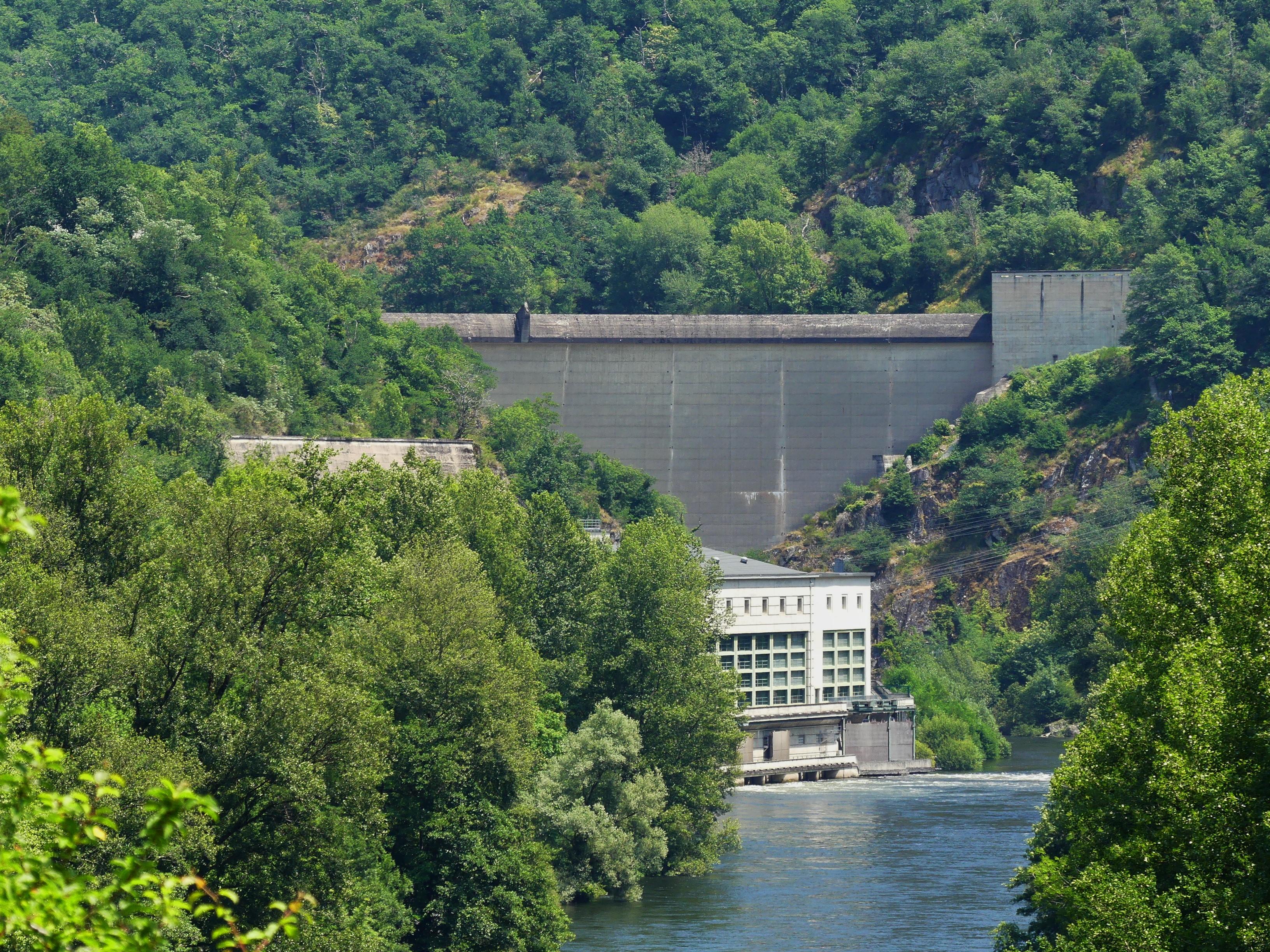
Barrage de Couesques – A Hidden Gem in the Heart of Midi‑Pyrénées
Discover the quiet majesty of one of France’s lesser‑known dams, set against the rolling hills and crystal‑clear waters of the Aveyron valley.
Introduction
If you’ve trekked the famous canals of the Canal du Midi or stood beneath the towering arches of the Millau Viaduct, you’ve already tasted the engineering brilliance that dots southern France. Yet, tucked away near the charming village of Entraygues‑sur‑Truyère lies a structure that blends utility with natural beauty: the Barrage de Couesques. At 70 meters high, this dam may not boast the fame of the Grand‑Manseng, but its serene reservoir, dramatic stone walls, and panoramic views make it a perfect stop for road‑trippers, cyclists, and nature lovers exploring the Midi‑Pyrénées region.
In this guide we’ll dive into the history of the dam, how to reach it, the best seasons to visit, what you’ll see on site, nearby attractions, and practical tips to make your trip smooth and unforgettable.
About Barrage de Couesques
- Type: Gravity dam (🏗️)
- Location: Entraygues‑sur‑Truyère, Midi‑Pyrénées, France
- Coordinates: 44.695675 N, 2.585351 E
- Height: 70 m
- Altitude: Data not publicly listed
Constructed in the mid‑20th century as part of a broader effort to harness the Aveyron River’s hydro‑electric potential, the Barrage de Couesques serves both power generation and water regulation for the surrounding agricultural valleys. While the exact year of completion isn’t widely publicized, the dam’s robust concrete façade and stone‑clad spillways reflect the functional aesthetic of post‑war French engineering.
Beyond its technical role, the reservoir created by Couesques has become a quiet oasis for locals and visitors alike. The water’s emerald sheen mirrors the surrounding limestone cliffs, and the surrounding woodlands provide habitat for a variety of bird species—making the site a subtle hotspot for birdwatchers and photographers.
How to Get There
By Car
The most flexible way to reach Barrage de Couesques is by car. From Rodez, the prefecture of Aveyron, follow the D922 south‑east for about 35 km. Turn onto the D922A toward EntrEntraygues‑sur‑Truyère; the dam sits just a few kilometres outside the village, signposted with a small parking area and a short walking path to the viewpoint.
- Driving time: ~45 minutes from Rodeu.
- Parking: Free, limited spaces near the reservoir’s edge (arrive early in peak season).
By Public Transport
- Train: The SNCF line from Toulouse to Entraygues‑sur‑Truyère stops at the village station. Trains run roughly every two hours. From the station, a local bus (line 12) or a short taxi ride will drop you near the dam.
- Bus: Regional bus routes (Occitanie Mobilité) connect Rodez and Millau to Entraygues‑sur‑Truyère; check the latest timetables as services can be limited on weekends.
By Air
The nearest major airport is Toulouse‑Blagnac (TLS), about 130 km north‑west. From the airport, rent a car or take a train to Rodez, then follow the directions above.
Best Time to Visit
| Season | Highlights | Why Visit |
|---|---|---|
| Spring (April‑June) | Fresh green foliage, blooming wildflowers, migratory birds returning. | Ideal for photography and gentle hikes around the reservoir. |
| Summer (July‑August) | Warm weather, longer daylight, water sports (kayak, paddle‑board) on the lake. | Perfect for families looking for a cool spot to relax after a day of exploring the Aveyron valley. |
| Autumn (September‑October) | Golden hues, lower visitor numbers, crisp air. | Great for tranquil walks and spotting autumnal wildlife. |
| Winter (November‑March) | Quiet, occasional frost on the dam’s stonework, dramatic mist over the water. | Best for solitude seekers and photographers chasing atmospheric scenes. |
Tip: The dam’s viewpoint is most spectacular when the sky is clear, so aim for days with low cloud cover. Spring and early autumn often provide the best balance of pleasant weather and manageable crowds.
What to Expect
When you arrive at Barrage de Couesques, you’ll be greeted by a modest yet striking concrete wall that rises 70 meters above the riverbed. A short, well‑maintained path leads to an observation platform that offers:
- Panoramic Views: Look north to see the Aveyron River winding through limestone gorges, and south toward the rolling vineyards of the Rouergue region.
- Water Activity: The reservoir’s calm surface invites kayaking, canoeing, or simply a leisurely paddle. Rental points are modest; local outfitters in Entraygues‑sur‑Truyère can arrange equipment.
- Wildlife Spotting: Keep an eye out for kingfishers, herons, and, in spring, the occasional bearded vulture soaring above the cliffs.
- Historical Markers: Small plaques explain the dam’s construction era and its role in regional hydro‑electric development—great for history buffs.
There are no large visitor centers or cafés directly at the dam, so consider packing a picnic or stopping in Entraygues‑sur‑Truyère for a bite of casse‑lait (a local cheese specialty) before heading out.
Nearby Attractions
While the dam itself offers a peaceful retreat, the surrounding area is peppered with other points of interest that make a day‑trip itinerary easy to assemble.
| Attraction | Distance | Type | Quick Note |
|---|---|---|---|
| Fountain (Unnamed) | 3.5 km | Fountain | A charming stone fountain nestled in a small woodland clearing—perfect for a quick photo stop. |
| Fountain (Unnamed) | 3.5 km | Fountain | Another historic fountain, featuring traditional Midi‑Pyrénées stonework. |
| Barrage de Goul | 4.0 km | Dam | Larger than Couesques, the Goul dam offers guided tours on hydro‑electric operations. Learn more |
| Spring (Unnamed) | 4.1 km | Natural spring | Crystal‑clear water bubbling from the limestone, a favorite spot for locals to refill water bottles. |
| Barrage de Cambeyrac | 4.6 km | Dam | A sleek concrete dam set against a dramatic valley backdrop. Read about it |
All these sites are reachable by a short drive or a pleasant bike ride along the Aveyron riverbanks. If you’re a cycling enthusiast, the regional Véloroute du Tarn‑Aveyron loops past several of these points, offering a scenic route with gentle elevation changes.
Travel Tips
- Check Opening Hours – While the dam’s viewpoint is free and open year‑round, nearby amenities (bike rentals, cafés) may have seasonal schedules. Call ahead or check the Entraygues‑sur‑Truyère municipal website.
- Bring Cash – Small rural shops often prefer cash, especially for picnics or souvenir purchases.
- Dress in Layers – Temperatures can shift quickly near the water, especially in spring and autumn. A light waterproof jacket is a smart addition.
- Stay Connected – Mobile coverage is generally good along the D922, but signal may dip near the reservoir. Download offline maps (Google Maps or Maps.me) before you set off.
- Respect the Environment – The area is a protected watershed. Pack out all trash, stay on marked paths, and avoid feeding wildlife.
- Photography Gear – A wide‑angle lens captures the dam’s full height, while a telephoto lens helps isolate birds perched on the cliffs. Sunrise shots from the east side are particularly dramatic.
- Bike Rentals – If you’re planning a cycling loop, reserve a bike in Entraygues‑sur‑Truyère the day before, especially during July‑August when demand peaks.
- Local Events – The village hosts a summer Fête du Bâton (traditional dance) in late July. Check the local calendar; attending adds a cultural flavor to your dam‑day adventure.
Wrap‑Up
The Barrage de Couesques may not dominate travel brochures, but its quiet charm, impressive engineering, and surrounding natural beauty make it a rewarding stop for anyone touring the Midi‑Pyrénées. Whether you’re chasing the perfect sunrise over a 70‑meter concrete wall, paddling across a glass‑like reservoir, or simply soaking up the tranquil rhythm of the Aveyron valley, this hidden dam offers a slice of authentic French countryside that’s both educational and soul‑soothing.
Pack your camera, fuel up the car, and set your GPS to 44.695675, 2.585351—the heart of a lesser‑known French masterpiece awaits. Safe travels!