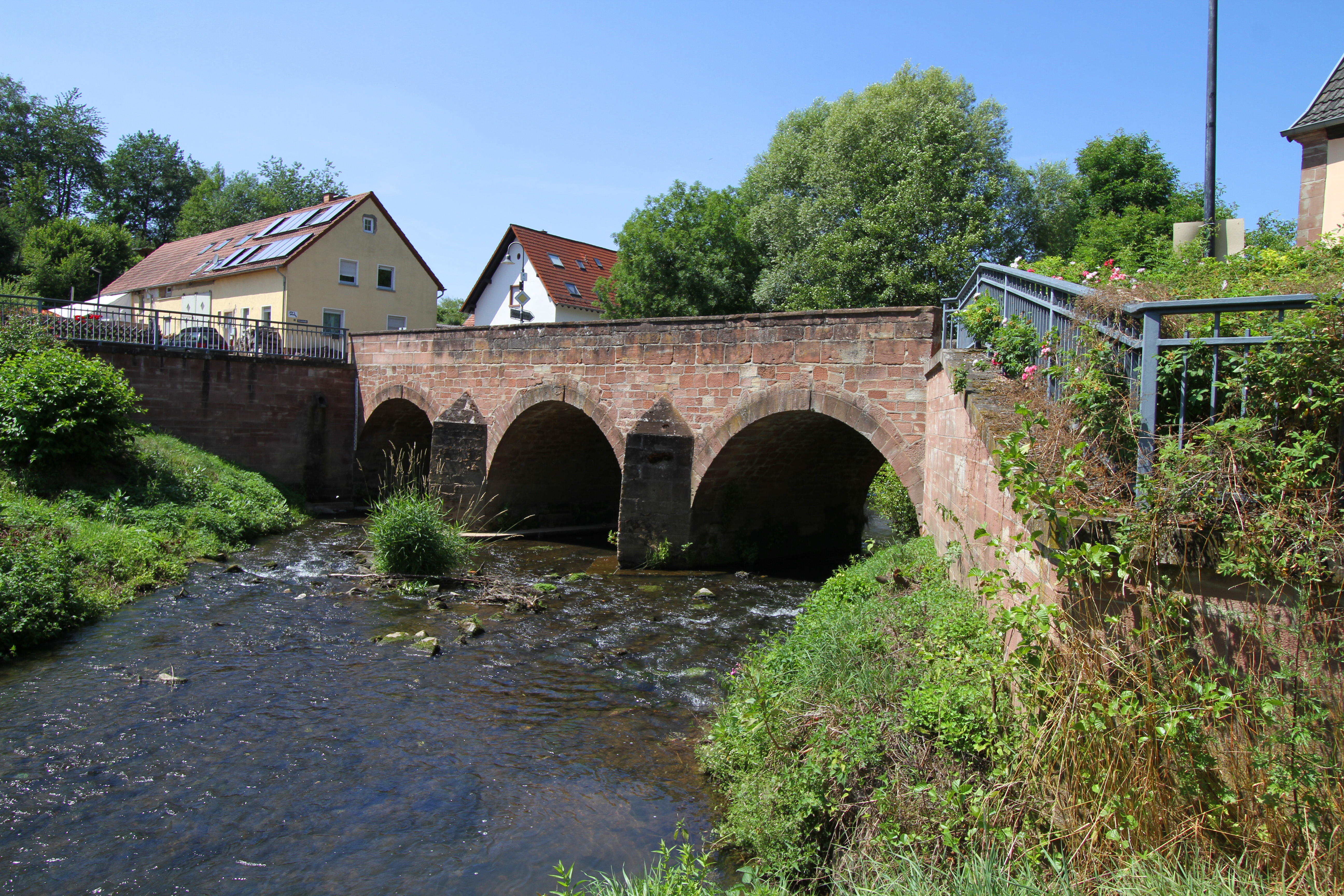
Source de la Horn – A Hidden Spring Gem in Lorraine, France
Discover the crystal‑clear waters, tranquil forest paths, and the quiet charm of Bitche’s most underrated natural attraction.
1. Introduction
If you’ve ever chased the sound of bubbling water through the rolling hills of northeastern France, you’ll know that the best finds are often the ones that aren’t on every tourist brochure. Nestled at an altitude of 315 m in the historic department of Moselle, the Source de la Horn is a pristine spring that whispers stories of the region’s geology, folklore, and centuries‑old water routes. Whether you’re a seasoned hiker, a family looking for a peaceful picnic spot, or a photographer hunting for that perfect sunrise over a glass‑like pool, this spring offers a slice of Lorraine’s natural heritage that feels both timeless and refreshingly off‑the‑beaten‑path.
2. About Source de la Horn
A Brief Description
- Type: Natural spring (💧)
- Location: Bitche, Lorraine, France
- Coordinates: 49.021260 N, 7.439558 E
- Altitude: 315 m above sea level
The spring marks the source of the Horn, a tributary that eventually joins the Schwarzbach river system (see the French Wikipedia entry for Horn (Schwarzbach) for more context). Water emerges from a small, moss‑lined basin, flowing gently into a clear, cool creek that winds through mixed beech‑oak woods. The surrounding landscape is a patchwork of gentle slopes, cultivated fields, and historic stone walls that have defined the Bitche countryside for generations.
Historical Significance
While the spring itself has not been the subject of extensive historical documentation, its presence has shaped local settlement patterns for centuries. In rural Lorraine, natural springs were vital for agriculture, livestock, and daily life. The Source de la Horn likely served as a communal water point for nearby hamlets, and its reliable flow contributed to the development of the Horn valley’s fertile farmland. The spring’s name appears in regional archives as part of the broader Horn (Schwarzbach) watershed, underscoring its role in the hydrological network that sustains the area’s ecosystems.
Why It Matters
- Ecological value: The spring feeds a pristine headwater stream that supports a variety of aquatic insects, amphibians, and riparian plants.
- Cultural heritage: Springs like Source de la Horn are woven into Lorraine’s folklore, often associated with legends of “water spirits” that guard the purity of the flow.
- Recreational appeal: Its secluded setting makes it an ideal spot for low‑impact hiking, birdwatching, and meditative moments away from the crowds of larger tourist sites.
3. How to Get There
By Car
The most convenient way to reach the spring is by car. From Bitche town centre, follow the D83 road south toward the hamlet of Horn. After about 6 km, turn left onto a local dirt track marked with a small wooden sign reading Source de la Horn. Parking is available in a modest gravel lot just a few meters from the trailhead. The drive takes roughly 15 minutes from Bitbit’s historic center.
- Address for navigation: 49.021260, 7.439558 (copy‑paste into Google Maps or your preferred GPS).
- Recommended parking: Small lot on the right side of the road, free of charge.
By Public Transport
- Train: The nearest train station is Bitche (Gare de Bitche) on the Saarbahn line, connecting to larger hubs such as Sarrebourg and Metz.
- Bus: Regional bus line R10 runs from Bitche to the surrounding villages. Get off at the Horn stop (approximately 4 km from the spring) and walk the remaining 1.5 km along a marked forest path.
Tip: Bus schedules are limited on weekends, so check the SNCF website or the CAR SA regional timetable in advance.
On Foot or Bike
For the adventurous, the spring is part of a 3‑km loop trail that starts at the Bitche town park. The route is well‑marked with white blazes and offers gentle elevation changes—perfect for a leisurely hike or a relaxed bike ride. Bring a sturdy pair of walking shoes; the final stretch to the spring is a compact gravel path that can be slippery after rain.
4. Best Time to Visit
| Season | What to Expect | Why Visit |
|---|---|---|
| Spring (April‑June) | Snowmelt feeds the spring, creating a higher flow and vibrant green foliage. | Ideal for photography, especially when wildflowers bloom along the banks. |
| Summer (July‑August) | Warm days make the water an inviting spot for a quick dip; longer daylight hours. | Perfect for family picnics and sunset watches. |
| Autumn (September‑October) | Leaves turn amber, and the forest takes on a golden hue. | Tranquil atmosphere and fewer visitors. |
| Winter (November‑March) | The spring may be partially frozen; misty mornings add a mystical feel. | Great for quiet contemplation and atmospheric shots—just bundle up! |
Overall, late spring to early autumn offers the most comfortable conditions for outdoor activities, while early winter provides a serene, almost ethereal experience for those who don’t mind cooler temperatures.
5. What to Expect
Arriving at the Source de la Horn, you’ll first notice the gentle, melodic gurgle of water emerging from a stone‑lined basin. The water is crystal‑clear, often reflecting the canopy above like a natural mirror. A short wooden boardwalk leads you to the edge of the pool, where you can sit on a weathered bench and watch minnows dart beneath the surface.
Sights & Sounds
- Flora: Beech and oak trees dominate the surroundings, interspersed with ferns, mosses, and occasional wild rosemary.
- Fauna: Listen for the call of the European robin, the rustle of squirrels, and the occasional croak of a common frog. In summer, dragonflies hover above the water.
- Atmosphere: The area is largely untouched by commercial development, offering a sense of solitude. The only “amenities” are a small informational plaque (in French) that explains the spring’s role in the Horn watershed.
Activities
- Short hikes: Follow the downstream trail for about 2 km to discover a series of small cascades and a historic weir (see Nearby Attractions).
- Photography: Early morning light filters through the trees, creating soft beams that illuminate the water—ideal for long‑exposure shots.
- Picnicking: Bring a blanket and a light snack; the designated flat stones near the water make a natural picnic table.
6. Nearby Attractions
While the Source de la Horn is the star of the day, the surrounding 3‑km radius hosts several other natural water features that can easily be added to your itinerary:
| Attraction | Type | Distance from Source de la Horn | Link |
|---|---|---|---|
| (Unnamed) Spring | Spring | 1.5 km | — |
| Carola Quelle | Spring | 2.1 km | — |
| (Unnamed) Weir | Weir | 2.1 km | — |
| Dragonnerbrunnen | Spring | 2.7 km | — |
| Stadtbrunnen | Spring | 3.0 km | — |
Note: While specific Wikipedia pages for these smaller sites may not exist, a quick search using the names above will provide additional local information and visitor photos.
If you have extra time, consider extending your walk to the Horn River valley, where you’ll encounter historic stone bridges and remnants of World War I fortifications—another reminder of Bitche’s rich cultural tapestry.
7. Travel Tips
- Footwear: Sturdy, waterproof hiking shoes are recommended, especially after rain when the gravel path can become slick.
- Weather Check: The Lorraine region can be unpredictable; bring a light rain jacket and layered clothing.
- Leave No Trace: The spring’s ecosystem is delicate. Pack out all trash, stay on marked paths, and avoid disturbing wildlife.
- Timing: Arrive early in the morning (especially in summer) to enjoy the spring before it gets busier with local families.
- Safety: The water is cold year‑round. If you plan to dip, test the temperature first and keep an eye on children.
- Connectivity: Mobile reception can be spotty in the forest; download offline maps (Google Maps or Maps.me) before you set out.
- Local Cuisine: After your visit, stop in Bitche for a traditional quiche lorraine or a glass of Moselle wine—the perfect way to round off a day of nature.
Wrap‑Up
The Source de la Horn may not have the fame of the Eiffel Tower or the allure of the French Riviera, but it embodies the quiet, authentic charm that makes Lorraine a hidden treasure for travelers who crave genuine experiences. From the soothing sound of fresh water to the lush forest backdrop, this spring offers a restorative escape that’s just a short drive from Bitche. Pack your sense of adventure, follow the coordinates, and let the gentle flow of the Horn guide you to one of Lorraine’s most serene natural wonders.
Happy exploring! 🌿💧