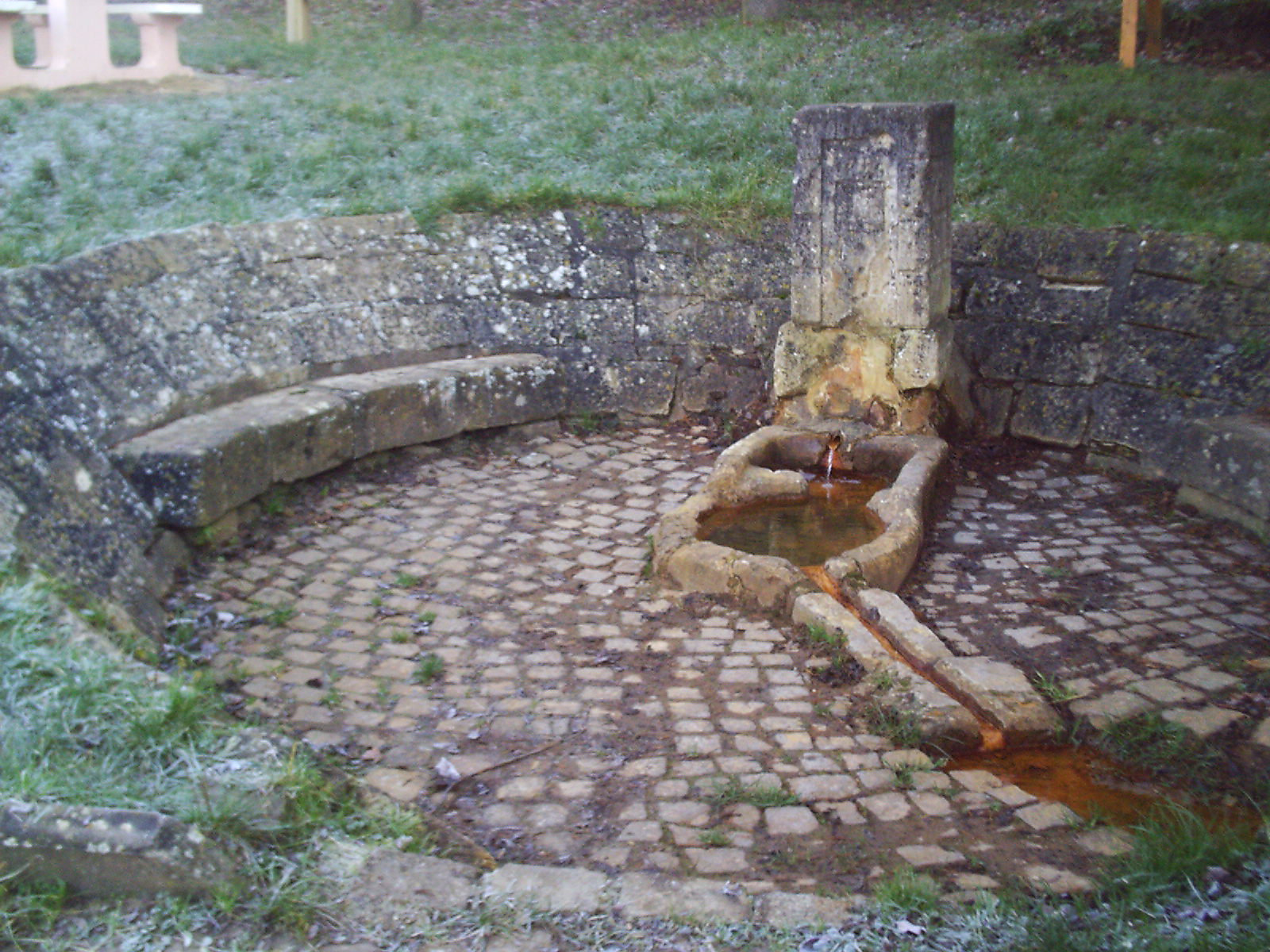
La Fontaine rouge – The Hidden Red Spring of Lorraine
Discover the iron‑rich waters that once attracted dukes, cardinals, and even Cardinal Richelieu, tucked away in the charming town of Pont‑à‑Mousson.
Introduction
If you think of French springs, you probably picture the crystal‑clear waters of Vichy or the famed thermal baths of Aix‑les‑Bains. Yet, tucked in the rolling countryside of Lorraine lies a lesser‑known treasure that boasts a strikingly reddish hue and a history steeped in aristocratic intrigue: La Fontaine rouge. This iron‑laden spring has been whispering its secrets to travelers for centuries, offering a unique blend of natural wonder and historic allure. Whether you’re a history buff, a wellness seeker, or simply a curious wanderer, La Fontaine rouge promises an unforgettable stop on any Lorraine itinerary.
About La Fontaine rouge
A Spring with a Scarlet Soul
La Fontaine rouge (literally “the red fountain”) is a natural spring that gushes water tinged with iron, giving it a characteristic rust‑red color. The water’s ferruginous composition has been documented since the 17th century, when the physician Charles Le Pois advised Duke Charles III of Lorraine to use the spring’s waters to treat his lingering “gravelle” (a term historically used for kidney stones).
Royal Patronage
The spring quickly became a favored retreat for the ducal family of Lorraine, who visited annually to “prendre les eaux” (take the waters). Its reputation even reached the court of Cardinal Richelieu, who is recorded as having traveled to Pont‑à‑Mousson specifically to sip from the red spring. The presence of such high‑profile visitors turned La Fontaine rouge into a symbol of aristocratic health tourism long before the modern spa movement took hold.
Cultural Significance
Beyond its medicinal reputation, La Fontaine rouge embodies the intertwining of natural resources and regional identity. In Lorraine, where iron ore once powered the local economy, the spring’s reddish hue mirrors the very earth that shaped the area’s industrial past. Today, the spring stands as a quiet reminder of that heritage, offering visitors a tangible connection to the stories that shaped the duchy of Lorraine.
How to Get There
By Car
- From Metz: Take the A31 north toward Nancy, then exit at Pont‑à‑Mousson (Exit 14). Follow the D603 for about 2 km; the spring sits just off the town centre, near the coordinates 48.908580, 6.068649.
- Parking: Limited street parking is available near the spring. For a stress‑free experience, use the public parking lot on Rue de la Fontaine (a short 3‑minute walk).
By Train
- Pont‑à‑Mousson Station lies on the SNCF regional line between Metz and Nancy. Trains run hourly, and the station is a 10‑minute walk to the spring.
- From the station, head south on Rue de la Gare, then turn left onto Rue de la Fontaine; the spring is sign‑posted.
By Bike or On Foot
The town’s compact layout makes La Fontaine rouge easily reachable on foot or by bike. The Loire à la Méditerranée cycling route passes near the spring, offering a scenic detour for cyclists exploring the Lorraine countryside.
Best Time to Visit
| Season | Why It Works | What to Expect |
|---|---|---|
| Spring (April‑June) | Mild temperatures and blooming gardens enhance the spring’s natural beauty. | Pleasant walks, fewer crowds, and the chance to see the surrounding flora at its peak. |
| Summer (July‑August) | Long daylight hours let you linger longer at the site. | Warm weather; bring sunscreen and water, as the iron‑rich water can leave a faint metallic taste. |
| Autumn (September‑October) | Golden foliage adds a dramatic backdrop to the red waters. | Crisp air, ideal for photography; the nearby Barrage de Pont à Mousson reflects autumn colors beautifully. |
| Winter (November‑March) | Quiet and introspective; the spring’s misty vapor is especially atmospheric. | Cooler temps; the spring may be partially frozen, creating a striking contrast between red water and white ice. |
Overall, late spring to early autumn offers the most comfortable conditions for most travelers, but each season brings its own charm.
What to Expect
Arriving at La Fontaine rouge, you’ll first notice the vivid, rust‑colored water bubbling from a modest stone basin. The iron content gives the surface a subtle metallic sheen, especially under sunlight. While the spring is not a large tourist complex, its historic stone surroundings and nearby informational plaque (in French) provide context for curious visitors.
Sensory Experience
- Sight: The striking red hue against the green of surrounding trees creates a photogenic tableau.
- Smell: A faint earthy aroma, reminiscent of iron filings, lingers in the air.
- Touch: The water feels cool and slightly mineral‑laden; a quick sip reveals a gentle metallic tang—exactly as it did for the dukes of old.
Quiet Reflection
Because La Fontaine rouge is tucked away from major traffic, you’ll often find a tranquil atmosphere perfect for a moment of contemplation. Locals sometimes gather here for brief picnics, and you may hear the soft murmur of nearby residents sharing stories about the spring’s legacy.
Nearby Attractions
While La Fontaine rouge is the star of the show, the surrounding area offers several complementary sights—perfect for a full day of exploration.
| Attraction | Distance | Highlights | Link |
|---|---|---|---|
| Fontaine de Mousson (spring) | 0.4 km | Another historic spring with a stone pavilion; ideal for a quick stroll. | Fontaine de Mousson |
| (Unnamed fountain) | 0.9 km | Small ornamental fountain in the town center, surrounded by cafés. | Local Fountain |
| (Unnamed fountain) | 1.2 km | Romantic spot often used for community events. | Community Fountain |
| Fontaine Voitée (spring) | 1.4 km | Known for its clear water and shaded benches. | Fontaine Voitée |
| Barrage de Pont à Mousson (dam) | 2.2 km | Impressive engineering work; great viewpoint for the Moselle River. | Barrage de Pont à Mousson |
Tip: Combine a visit to La Fontaine rouge with a leisurely walk along the Moselle River banks, where you can enjoy riverside cafés and panoramic views of the dam.
Travel Tips
- Bring a reusable water bottle – While the water is safe to taste, many travelers prefer to stay hydrated with fresh water.
- Wear comfortable shoes – Cobblestone streets and uneven paths are common in historic towns.
- Check opening hours of nearby cafés – The town center’s cafés often close for a long lunch break (around 12:30‑14:30).
- Language note – Signage is primarily in French. A basic phrase like “Bonjour, où est la Fontaine rouge?” will go a long way.
- Photography – Early morning light enhances the red hue; bring a polarizing filter to reduce glare on the water surface.
- Respect the site – The spring is a historic water source; avoid littering and keep the surrounding vegetation intact.
- Local events – The town hosts a small summer festival near the spring; checking the municipal website beforehand can add a cultural layer to your visit.
Final Thoughts
La Fontaine rouge may not appear on every travel brochure, but its blend of iron‑rich waters, aristocratic history, and serene natural setting makes it a hidden gem worth seeking out. Whether you’re tracing the footsteps of dukes, indulging in a quiet moment by the red spring, or exploring the surrounding Lorraine countryside, this modest yet captivating site offers a slice of French heritage that feels both timeless and refreshingly off the beaten path.
Pack your curiosity, follow the coordinates 48.908580, 6.068649, and let the red waters of La Fontaine rouge reveal their story to you. Safe travels!