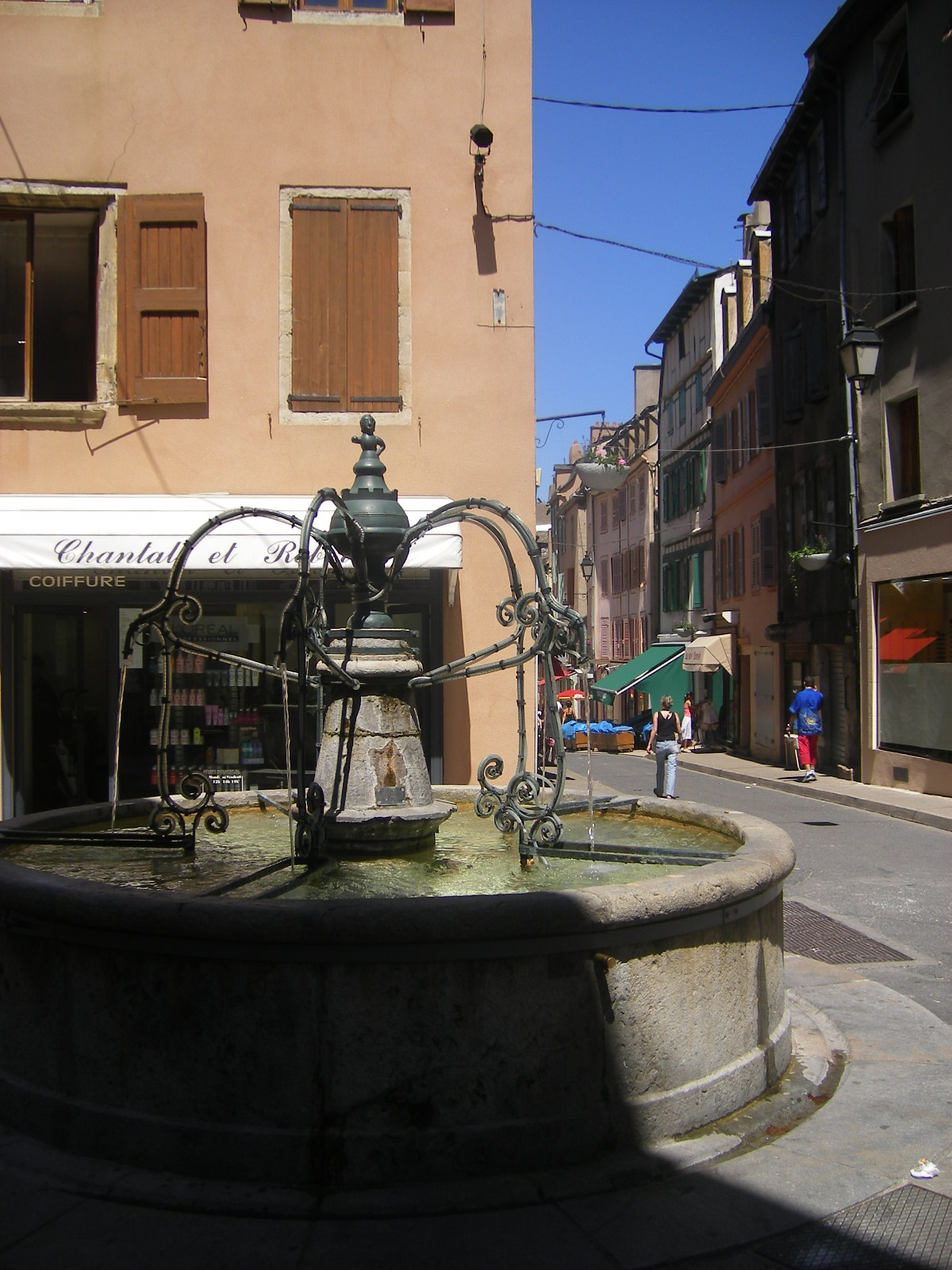
Fontaine du Griffon de Soubeyran – A Hidden Gem in Mende, Languedoc‑Roussillon
Discover the charm of one of Mende’s most enchanting fountains, and learn how to make the most of your visit to this historic corner of southern France.
Introduction
If you’re wandering the medieval streets of Mende, the capital of the Lozère department, you’ll soon hear locals whisper about a stone masterpiece that has watched the town’s daily life for generations. The Fontaine du Griffon de Soubeyran—a graceful fountain crowned by a proud griffon—offers a perfect snapshot of Languedoc‑Roussillon’s rich artistic heritage. Whether you’re a seasoned traveler chasing off‑the‑beaten‑path sights or a first‑time visitor to the French countryside, this fountain is a photo‑worthy stop that tells a story of civic pride, craftsmanship, and the simple pleasure of fresh water in the heart of town.
About Fontaine du Griffon de Soubeyran
A brief description
Located at 44.516605 N, 3.499098 E, the Fontaine du Griffon de Soubeyran sits in a small square near Mende’s historic centre. The fountain is built from locally quarried stone and features a sculpted griffon—a mythical creature with the body of a lion and the head of an eagle—perched atop the water basin. The griffon’s wings appear ready to take flight, while water gently spills from its beak into the basin below, creating a soothing sound that blends with the town’s ambient chatter.
History and significance
The fountain’s name, “Soubeyran,” refers to the family or benefactor who funded its installation in the 19th century, a period when many French towns commissioned public works to celebrate civic progress. While exact dates and the architect’s identity remain undocumented, the griffon motif reflects a broader European fascination with heraldic symbols that represented strength, vigilance, and protection—qualities that resonated with a growing urban community.
In Mende, the fountain quickly became more than a source of water; it turned into a gathering point for market days, festivals, and everyday conversations. Its placement near the Place du Champ de Mars (the town’s main square) cemented its role as a social hub, and the graceful griffon continues to welcome locals and travelers alike.
Why it matters today
Today, the Fontaine du Griffon de Soubeyran is listed on the French heritage register and is highlighted on the town’s tourism map. It stands as a reminder of Mende’s commitment to preserving its cultural patrimony while offering a tranquil spot for visitors to pause, reflect, and snap that perfect Instagram shot. The fountain’s timeless design also makes it a valuable case study for anyone interested in historic French fountains, public art, or the evolution of municipal water systems in rural France.
How to Get There
By air
The nearest major airport is Montpellier‑Méditerranée (MPL), about 150 km (≈ 2 hours by car) from Mende. From Montpellier, you can rent a car or catch a regional train (TER) to Mende station. For a quicker flight, consider Rodez–Marcillac Airport (RDZ), which offers limited domestic connections and is roughly 70 km away.
By train
Mende is well‑served by the TER Occitanie network. Direct services run from Clermont‑Ferrand, Nîmes, and Paris (via Intercités to Clermont‑Ferrand, then TER). The train station sits just a 15‑minute walk from the fountain; follow signs for the town centre and you’ll soon see the stone square where the griffon watches over the water.
By car
If you prefer driving, take the A75 autoroute (also called La Méridienne) and exit at Mende. Parking is available in several municipal lots near the town centre (e.g., Parking du Champ de Mars). From the lot, the fountain is a short, pedestrian‑only stroll—look for the stone archways and the faint sound of water.
By bike or on foot
Mende’s historic centre is compact and mostly car‑free. The Véloroute du Tarn passes close to the fountain, making it an excellent stop for cyclists exploring the Lozère countryside. Walking tours often include the Fontaine du Griffon de Soubeyran as a highlight, so you can combine it with nearby landmarks like the Mende Cathedral and the Place du Champ de Mars.
Best Time to Visit
| Season | Why it works | Tips |
|---|---|---|
| Spring (April‑June) | Mild temperatures (12‑20 °C) and blooming gardens make the square especially photogenic. | Bring a light jacket; the fountain’s water may be cooler. |
| Early Autumn (September‑October) | Fewer tourists, golden light, and comfortable weather. | Perfect for evening strolls; the fountain is beautifully illuminated. |
| Summer (July‑August) | Longer daylight hours; lively market atmosphere. | Arrive early to avoid peak heat; stay hydrated. |
| Winter (November‑March) | Quiet and contemplative; the stone glistens with occasional frost. | Check opening hours; some nearby cafés may have reduced service. |
Overall, late spring and early autumn provide the best blend of pleasant weather, vibrant local activity, and optimal lighting for photography.
What to Expect
- A tranquil oasis – Even when the town bustles, the fountain’s gentle cascade creates a calming backdrop. The sound of water is especially soothing after a walk through Mende’s narrow lanes.
- Architectural details – Look closely at the griffon’s wings, the intricate stone carving around the basin, and the subtle patina that tells a story of decades of weathering.
- Local life – You’ll often see residents pausing for a chat, children playing nearby, or street musicians adding a melodic soundtrack.
- Photo opportunities – Position yourself at the square’s edge for a low‑angle shot of the griffon, or capture the reflection of the surrounding historic facades in the water. Sunrise and sunset provide warm, golden hues that enhance the stone’s texture.
- Accessibility – The fountain sits on a level cobblestone surface, making it accessible for most visitors, though the surrounding streets may be uneven; comfortable walking shoes are advisable.
Nearby Attractions
Mende’s historic centre is compact, and several other charming fountains and sites are within a short walk of the Fontaine du Griffon de Soubeyran. While the exact names of these nearby fountains are not listed, they form a delightful “fountain trail” that lets you compare styles and histories.
| Distance | Attraction | Why visit? |
|---|---|---|
| 0.0 km | Central Square Fountain | The primary gathering spot for weekly markets; great for people‑watching. |
| 0.1 km | Fountain of the Old Town Hall | Features a classic 18th‑century design; perfect for architecture buffs. |
| 0.1 km | Petite Fontaine du Parc | A quiet, shaded spot ideal for a brief rest. |
| 0.2 km | Fountain near the Cathedral | Overlooks the impressive Mende Cathedral, adding a spiritual backdrop. |
| 0.2 km | Fountain of the Rue des Halles | Lined with cafés; ideal for a coffee break after exploring. |
For a deeper dive into Mende’s heritage, consider visiting:
- Mende Cathedral (Cathédrale Notre‑Dame et Saint‑Privat) – A stunning Gothic‑Renaissance blend, just a few minutes away.
- Musée du Vieux Mende – Housed in a former bishop’s palace, this museum showcases regional art and history.
- Place du Champ de Mars – The lively square where locals gather for festivals and outdoor concerts.
(All attractions can be located on a standard map of Mende; simply search the names for GPS coordinates.)
Travel Tips
- Check opening hours – While the fountain is public and accessible 24/7, nearby cafés and museums may have seasonal schedules.
- Stay hydrated – Even in mild weather, the altitude of the Lozère plateau can make the sun feel stronger. Carry a reusable water bottle.
- Mind the cobbles – Mende’s historic streets are paved with uneven stones. Wear supportive shoes and watch your step, especially if you’re photographing low angles.
- Respect the site – The fountain is a heritage monument; avoid climbing on the stonework and keep the water clean.
- Capture the light – Early morning or late afternoon provides the most flattering natural light for the griffon sculpture.
- Combine with local cuisine – After visiting the fountain, treat yourself to a plate of aligot (a creamy cheese‑potato dish) or a glass of Vin de Pays du Gard at a nearby bistro.
- Use public transport when possible – Mende’s bus network (Lines 1 & 2) connects the train station, parking areas, and the historic centre, reducing traffic in the narrow streets.
- Plan for rain – The region can experience sudden showers in spring; a compact umbrella will keep you dry without hindering your photo gear.
Bottom line
The Fontaine du Griffon de Soubeyran may not appear on every mainstream travel itinerary, but its quiet elegance, historic resonance, and central location make it a must‑see for anyone exploring Mende, Languedoc‑Roussillon, or the broader Occitanie region. Pair it with a stroll through the town’s charming squares, a taste of local gastronomy, and a few clicks of your camera, and you’ll leave with a vivid memory of a place where mythic art meets everyday life.
Ready to add this hidden fountain to your French adventure? Pack your walking shoes, bring your curiosity, and let the griffon guide you to Mende’s timeless heart.