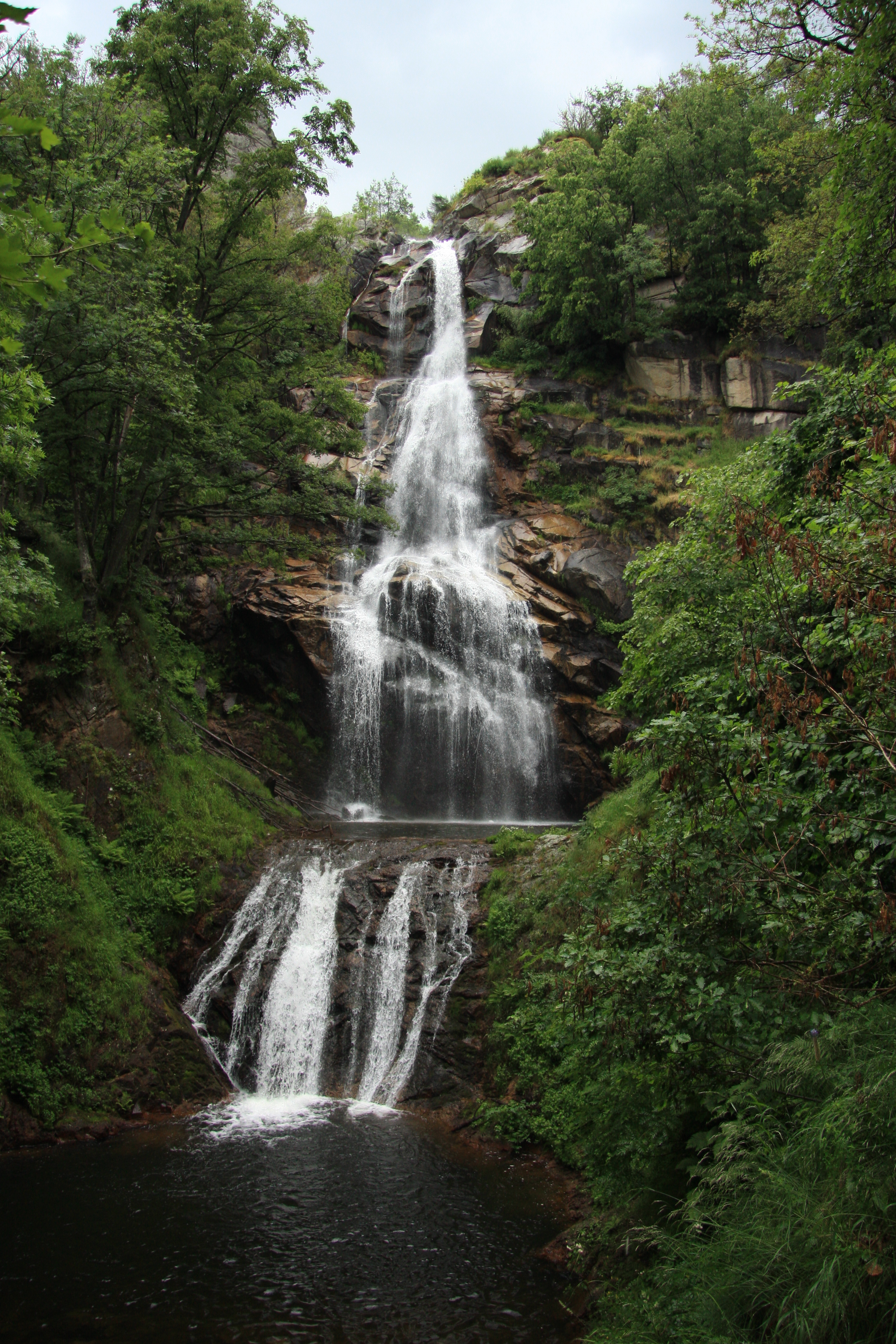
Cascade de Runes – The Secret Waterfall of Languedoc‑Roussillon
If you’re chasing the quieter side of France’s spectacular nature, the Cascade de Runes in Florac is the hidden gem you’ve been waiting for. Nestled in the heart of the Cévennes, this gentle waterfall invites hikers, photographers, and anyone who loves a splash of fresh mountain air.
1. Introduction
Imagine stepping off a forest path and hearing the soft roar of water tumbling over stone, the mist kissing your face, and the scent of pine filling the air. That’s the moment you experience at Cascade de Runes, a modest yet enchanting waterfall tucked away in the Languedoc‑Roussillon region of southern France. Unlike the crowded tourist hotspots of the French Riviera, the Cascade de Runes offers a tranquil, off‑the‑beaten‑track experience that feels like a private show put on by nature herself.
Whether you’re planning a day trip from Montpellier, a weekend hike in the Cévennes National Park, or a family adventure through the scenic valleys of Florac, this waterfall deserves a spot on your itinerary. In this guide, we’ll explore everything you need to know: the waterfall’s story, how to reach it, the best season to visit, what you’ll see on arrival, nearby attractions, and practical tips to make your visit smooth and memorable.
2. About Cascade de Runes
A Quiet Corner of the Cévennes
Cascade de Runes (sometimes written Cascade de Rûnes) is located at the coordinates 44.379107, 3.674505, just outside the charming town of Floran (often spelled Florac). The waterfall lies within the broader landscape of the Cévennes National Park, a UNESCO Biosphere Reserve known for its rugged limestone plateaus, deep valleys, and traditional stone villages.
While the exact height and altitude of the cascade are not officially recorded, the water’s gentle descent creates a series of small pools that reflect the surrounding forest canopy. The lack of precise measurements adds to its mystique—visitors often describe the waterfall more by its atmosphere than by numbers.
Historical Roots
The name “Runes” (or “Rûnes”) likely derives from the old Occitan language that once dominated the region, hinting at a long‑standing local connection to the water source. Historically, the Cévennes were a refuge for Protestant Huguenots and later a hub for silk‑weaving families who relied on the clear mountain streams for their craft. Although there is no specific documented event tied to the cascade, its presence in the landscape has made it a quiet gathering point for shepherds, hikers, and nature lovers for generations.
Why It Matters
Cascade de Runes may not boast dramatic drops like the famous Gorges du Tarn, but its understated beauty exemplifies the authentic, low‑impact tourism that the Languedoc‑Roussillon region promotes. The waterfall serves as a reminder that some of the most rewarding travel experiences come from simple, unspoiled natural sites that invite contemplation and a slower pace.
3. How to Get There
By Car
The most straightforward way to reach the cascade is by car. From Montpellier, take the A75 autoroute toward Alès, then exit onto D999 heading north to Florac. From Florac, follow the signs for D1089 and then turn onto the D107 (signposted for “Cascade de Runes”). The drive from Montpellier to the waterfall is roughly 150 km (about 2 hours).
- Parking: A small free parking area sits at the trailhead, just a few minutes’ walk from the waterfall. Space is limited in peak summer, so arriving early is advisable.
By Public Transport
- Train: The nearest SNCF station is Alès, served by regional TER trains from Montpellier, Nîmes, and Avignon.
- Bus: From Alès, take the Line 210 bus to Florac (approximately 45 minutes).
- Shuttle: During the high season (June–August), the local tourism office sometimes runs a shuttle from Florac to the trailhead; check the Florac Tourist Office website for current schedules.
From the Florac bus stop, the trailhead is a 10‑minute walk north along the main road.
By Foot / Hiking
If you’re already exploring the Cévennes on foot, the cascade is reachable via the GR 70 “Chemin de Stevenson”. A short detour from the main trail leads to a well‑marked footpath (signs show a blue water droplet). The hike from the nearest GR 70 waypoint to the waterfall takes 20–30 minutes over moderate terrain.
4. Best Time to Visit
| Season | Weather & Water Flow | Visitor Experience |
|---|---|---|
| Spring (March–May) | Snowmelt from higher elevations boosts water volume; temperatures range 12‑18 °C. | Lush greenery, vibrant wildflowers, fewer crowds. |
| Summer (June–August) | Warm, dry days (20‑30 °C). Water flow may be lower, but the mist remains refreshing. | Peak tourist season—expect more hikers; early morning visits are best. |
| Autumn (September–November) | Mild temperatures (15‑22 °C) and occasional rain increase flow. | Colorful foliage, tranquil atmosphere, ideal for photography. |
| Winter (December–February) | Cold (5‑10 °C) and occasional frost; water may be reduced. | Very quiet, but some paths can be slippery—wear sturdy boots. |
Overall recommendation: Late spring (mid‑April to early May) or early autumn (late September) provide the best combination of comfortable weather, decent water flow, and manageable visitor numbers.
5. What to Expect
The Walk to the Water
The approach to Cascade de Runes is a short, well‑maintained forest trail (≈ 500 m) that winds through a mix of beech, oak, and chestnut trees. The path is mostly level, with occasional rocky steps, making it suitable for families and casual walkers. Signage is minimal but clear—look for the blue water‑droplet marker.
The Waterfall Itself
Upon arrival, you’ll find a series of gentle cascades spilling over moss‑covered stones into crystal‑clear pools. The sound is soothing rather than thunderous, perfect for a moment of meditation or a quick picnic on a nearby rock. Sunlight filters through the canopy, creating dappled reflections that dance on the water’s surface—an excellent setting for nature photography.
Wildlife & Flora
The surrounding woods are home to European green woodpeckers, common buzzards, and occasional deer. In spring, you may spot bluebells, wild orchids, and ferns lining the banks. Keep an eye out for the tiny Alpine newt, which often inhabits the cooler pools.
Amenities
There are no built‑in facilities (toilets, cafés) directly at the site, preserving its natural charm. However, the nearby town of Florac (≈ 5 km) offers restaurants, grocery stores, and lodging options ranging from gîtes to boutique hotels.
6. Nearby Attractions
While Cascade de Runes is a highlight, the surrounding area offers several other natural points of interest that can round out a day trip:
-
[Local Dam] – 2.1 km away
A modest concrete dam that creates a calm reservoir, ideal for a short lakeside walk or bird‑watching. -
[Fountain of Saint‑Pierre] – 3.1 km away
A historic stone fountain set in a small clearing, often visited by locals for its clear spring water. -
[Fountain of La Vierge] – 5.9 km away
Nestled near a gentle slope, this fountain is surrounded by wild rosemary and lavender, offering a fragrant pause. -
[Mountain Spring] – 6.0 km away
A natural spring bubbling from the limestone, perfect for a quick refreshment stop (water is safe to drink). -
[Fountain of the Oak] – 6.2 km away
Set beside an ancient oak tree, this spot is a favorite for photographers seeking rustic charm.
(All distances are approximate and measured from the Cascade de Runes trailhead.)
For more detailed information on each site, you can consult the Florac Tourist Office or the official Cévennes National Park website.
7. Travel Tips
| Tip | Why It Matters |
|---|---|
| Arrive early | The parking lot fills quickly in summer; early morning also gives you softer light for photos. |
| Wear sturdy, waterproof shoes | Even though the trail is easy, the final approach can be slippery from mist. |
| Pack a lightweight picnic | No food vendors are on site; a sandwich and a bottle of water let you linger longer. |
| Bring a reusable water bottle | You can refill at the nearby spring (6 km away) – stay eco‑friendly. |
| Check the weather | Spring rain can make the path muddy; a rain jacket is advisable. |
| Respect the environment | Stay on marked paths, avoid picking plants, and take any litter with you. |
| Use a map or GPS | While the trail is simple, cell reception can be spotty in the forest. |
| Consider a guided hike | Local guides from Florac offer short tours that include the cascade and nearby fountains, adding cultural context. |
| Stay overnight in Florac | The town’s charming inns let you explore the area at a relaxed pace and enjoy local cuisine (e.g., aligot and cèpes). |
| Seasonal festivals | If you’re visiting in late summer, look for the Fête de la Nature in Florac, which often includes guided walks to the cascade. |
Final Thoughts
Cascade de Runes may not dominate travel guidebooks, but that’s precisely why it feels like a secret shared among those who truly love the French countryside. Its gentle cascade, surrounding forest, and proximity to other hidden gems make it an ideal stop for anyone exploring the Languedoc‑Roussillon region’s natural side.
So pack your hiking boots, grab a camera, and set your GPS to 44.379107, 3.674505. The waterfall awaits—ready to refresh your senses and add a quiet, unforgettable chapter to your French adventure.
Keywords: Cascade de Runes, waterfall Languedoc‑Roussillon, Florac travel, Cévennes National Park, hidden waterfall France, nature hike France, French countryside, travel tips France, nearby attractions Florac.