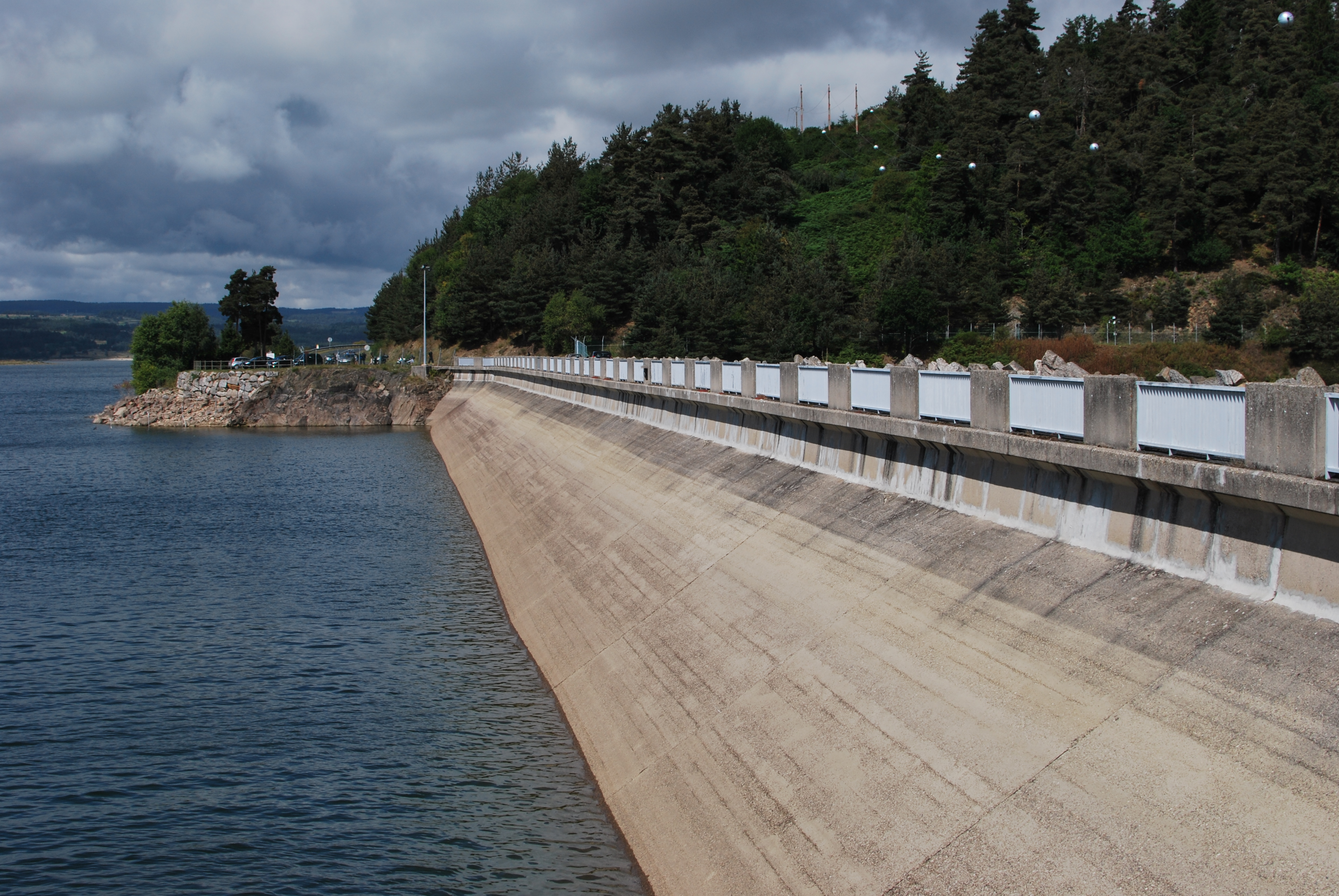
Barrage de Saint‑Étienne‑du‑Vigan: A Hidden Gem in Languedoc‑Roussillon
Discover the quiet charm of this 12‑meter high dam, the perfect stop for road‑trippers, nature lovers, and engineering enthusiasts exploring the French countryside.
1. Introduction
Tucked away in the rolling hills of Langogne, the Barrage de Saint‑Étienne‑du‑Vigan may not appear on the typical French travel itinerary, but it offers a uniquely tranquil slice of Languedoc‑Roussillon that’s worth the detour. Imagine a modest concrete dam perched beside a shimmering reservoir, framed by pine‑clad ridges and the distant silhouette of the Massif Central. Whether you’re chasing Instagram‑worthy landscapes, studying water‑management history, or simply craving a peaceful picnic spot away from the crowds, this dam delivers a surprisingly rich experience in just a few minutes’ drive from the historic town of Langogne.
2. About Barrage de Saint‑Étienne‑du‑Vigan
A Brief Description
- Type: Concrete gravity dam 🏗️
- Height: 12.0 m
- Location: Langogne, Languedoc‑Roussillon, France
- Coordinates: 44.774052 N, 3.824529 E
Built to regulate the flow of the Vigan River, the Barrage de Saint‑Étienne‑du‑Vigan plays a modest but vital role in local water supply and flood control. Though its altitude isn’t officially recorded, the surrounding landscape sits at roughly 800 m above sea level, giving the reservoir a crisp mountain‑air feel.
Historical Context
The dam was constructed in the mid‑20th century as part of a broader effort to modernize France’s rural water infrastructure. While it never achieved the fame of larger Alpine dams, its presence helped stabilize agriculture in the Langogne valley, supporting vineyards, orchards, and livestock farms that still dot the region today. Over the decades, the reservoir has also become a small ecological haven, attracting migratory birds and native fish species.
Why It Matters
- Engineering Insight: For anyone fascinated by civil engineering, the dam offers a hands‑on look at a classic gravity‑type structure—simple, sturdy, and effective.
- Environmental Balance: The water body supports local biodiversity, making it a subtle yet important piece of the regional ecosystem.
- Cultural Landscape: The dam’s location reflects the harmonious blend of human utility and natural beauty that defines much of Languedoc‑Roussillon’s countryside.
If you want a deeper dive, the Wikipedia page for Barrage de Saint‑Étienne‑du‑Vigan provides additional technical details and historical notes.
3. How to Get There
By Car
The most convenient way to reach the dam is by car. From Langogne (the nearest town with parking, cafés, and a train station), follow the D999 road south for about 7 km. Turn onto the local road marked “Barrage de Saint‑Étienne‑du‑Vigan” and you’ll see a small parking area just before the reservoir. The drive offers scenic views of the Cévennes foothills, so keep your camera ready.
- From Paris: Take the A75 autoroute toward Clermont‑Ferrand, exit at Mende, then follow the N106 and D999 to Langogne. The total journey is roughly 650 km (≈ 6 h 30 min).
- From Montpellier: Head north on the A75, exit at Mende, then follow the same route as above.
Public Transport
While there’s no direct train to the dam, you can reach Langogne via SNCF regional TER services from Mende or Clermont‑Ferrand. From the Langogne station, a short taxi ride (≈ 10 min) will drop you at the dam’s parking lot.
Bike & Hike
For the adventurous, the GR 70 “Chemin de Stevenson” passes near Langogne. You can bike or hike a portion of the trail and then walk the final 2 km on a marked forest path that leads to the reservoir—ideal for a day‑long trek.
4. Best Time to Visit
| Season | Weather | What to Expect | Why Visit |
|---|---|---|---|
| Spring (Mar‑May) | Mild temperatures (12‑18 °C), occasional rain | Blooming wildflowers, active birdlife | Perfect for photography and gentle walks |
| Summer (Jun‑Aug) | Warm (20‑28 °C), longer daylight | Calm water, families picnicking | Ideal for swimming (if permitted) and sunset views |
| Autumn (Sep‑Nov) | Cool (10‑17 °C), golden foliage | Rich colors, quieter atmosphere | Great for peaceful contemplation and leaf‑peeping |
| Winter (Dec‑Feb) | Cold (0‑8 °C), occasional snow | Sparse crowds, dramatic mist over the water | Photographers love the moody, low‑light scenes |
Tip: The dam’s reservoir is safest for swimming from late June through early September, when water levels are stable and lifeguard presence (if any) is most likely.
5. What to Expect
Scenic Views
From the modest observation platform, you’ll see the reservoir stretching like a glassy mirror, reflecting the surrounding pine forests and the distant silhouette of the Cévennes mountains. In early morning fog, the scene feels almost otherworldly—perfect for sunrise shots.
Quiet Recreation
- Picnicking: Bring a blanket and a baguette; the grassy banks are ideal for a relaxed lunch.
- Fishing: The river hosts trout and pike. Local regulations require a French fishing permit, which can be obtained in Langogne.
- Birdwatching: Look for European kingfishers, grey herons, and seasonal migrants such as waders and warblers.
Educational Insight
If you’re curious about dam mechanics, a short walk along the downstream side reveals the spillway and control gates. Though the site isn’t officially a museum, local signage explains the dam’s purpose and basic engineering principles.
Amenities
- Parking: Small, free lot (approx. 20 spaces).
- Restrooms: Portable toilets near the parking area (seasonally serviced).
- Refreshments: No on‑site café, but the nearby town of Langogne offers cafés, bakeries, and a weekly market.
6. Nearby Attractions
The Barrage de Saint‑Étienne‑du‑Vigan sits in a cluster of water‑related sites and natural points of interest. Here are a few you can easily combine into a single day trip:
| Attraction | Distance | Highlights | Link |
|---|---|---|---|
| Unnamed Dam #1 | 2.2 km | Small concrete structure, scenic walking trail | — |
| Unnamed Dam #2 | 2.7 km | Picnic area with river views | — |
| Barrage de Naussac | 2.9 km | Larger reservoir, popular for sailing and windsurfing | — |
| Unnamed Dam #3 | 2.9 km | Wildlife observation point | — |
| Local Fountain | 3.3 km | Historic stone fountain, perfect for a quick photo stop | — |
While some of these sites lack formal names, they are marked on local maps and easily reachable via short forest roads. If you have a GPS device, entering the coordinates (44.774052, 3.824529) will guide you straight to the main dam.
Extra Suggestion: Extend your visit to the historic town of Langogne (≈ 7 km north). Its medieval streets, the Saint‑Jean‑Baptiste Church, and the Museum of the Cévennes provide cultural depth to your nature‑focused itinerary.
7. Travel Tips
- Check Water Levels: Before you head out, call the local mairie (town hall) in Langogne to confirm reservoir conditions, especially if you plan to swim or fish.
- Bring Cash: Small rural cafés and the occasional roadside vendor may not accept cards.
- Dress in Layers: Weather can shift quickly in the hills; a light jacket is advisable even in summer evenings.
- Respect the Environment: The area is a protected habitat. Pack out all litter, stay on marked paths, and avoid disturbing nesting birds.
- Timing: Arrive early (7 – 8 am) during peak summer months to beat any crowds and capture the soft morning light.
- Parking Fees: None—parking is free, but be courteous and leave space for other visitors.
- Connectivity: Mobile signal can be spotty; download offline maps (Google Maps or Maps.me) ahead of time.
- Local Events: Langogne hosts a summer music festival in July; consider timing your dam visit to coincide with the festivities for a full‑day cultural immersion.
Bottom Line
The Barrage de Saint‑Étienne‑du‑Vigan may be modest in size, but it packs a big punch for travelers seeking authentic, off‑the‑beaten‑path experiences in Languedoc‑Roussillon. From its tranquil waters and subtle engineering marvel to the surrounding forest trails and nearby attractions, the dam offers a versatile stop that fits into road trips, nature hikes, and cultural tours alike. So fuel up, set your GPS to 44.774052 N, 3.824529 E, and let the quiet beauty of this French dam become a memorable chapter in your travel story.
Happy exploring!