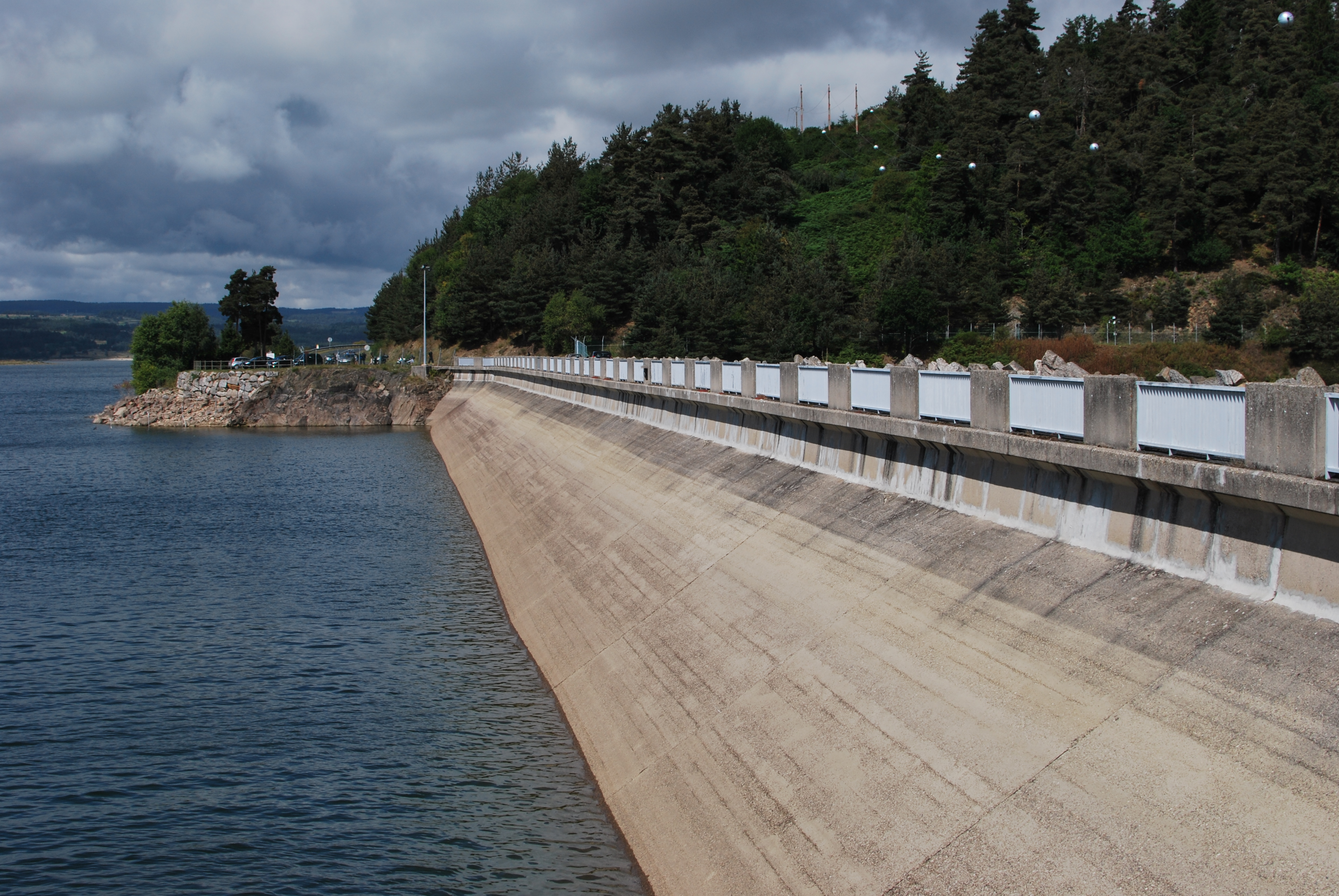
Discover the Hidden Gem of Southern France: Barrage de Naussac
If you think the Languedoc‑Roussillon region is only about vineyards and medieval towns, think again. Tucked near the charming village of Langogne, the Barrage de Naussac offers a striking blend of engineering marvel, tranquil waters, and breathtaking scenery – a perfect stop for road‑trippers, nature lovers, and anyone chasing a slice of French countryside that’s off the usual tourist radar.
1. About Barrage de Naussac
Located at 44.748118 N, 3.825222 E, the Barrage de Naussac (pronounced ba‑raʒ də no‑sak) is a concrete dam that dominates the landscape of the Langogne area in the historic Languedoc‑Roussillon region. While the exact height and altitude of the structure are not publicly listed, its sheer presence is unmistakable – the dam stretches across the Truyère River, forming a sizable reservoir that mirrors the rolling hills and sky above.
The dam’s importance goes beyond its impressive silhouette:
- Water management – It helps regulate river flow, mitigating flood risks downstream.
- Renewable energy – The dam contributes to France’s hydroelectric capacity, feeding clean electricity into the national grid.
- Recreation – The calm waters of the reservoir attract anglers, kayakers, and picnickers, making it a beloved spot for locals and visitors alike.
For a deeper dive into its history and technical details, the French Wikipedia entry offers a concise overview: Barrage de Naussac (fr).
2. How to Get There
By Air
The nearest major airports are Montpellier‑Méditerranée (about 150 km) and Toulouse‑Blagnac (roughly 180 km). From either airport, rent a car and follow the A75 “La Méridienne” motorway south toward Mende, then take the D809 to Langogne. The drive is scenic, winding through the Massif Central with plenty of photo‑ops along the way.
By Train
Langogne is served by the SNCF TER regional line. The Langogne train station lies just a few minutes’ walk from the town centre. From Paris, you can catch a high‑speed TGV to Clermont‑Ferrand and transfer to a TER service that stops at Langogne. Once you arrive, a short taxi ride (or a leisurely 20‑minute walk) brings you to the dam’s parking area.
By Car
If you’re already exploring the Languedoc‑Roussillon road network, the dam is easily reachable via the D809 (Langogne–Saint‑Étienne‑du‑Vigan). Signage for “Barrage de Naussac” appears well before the site, and a modest parking lot near the reservoir makes for a stress‑free arrival.
3. Best Time to Visit
| Season | What to Expect | Why It’s Ideal |
|---|---|---|
| Spring (April‑June) | Mild temperatures, blooming wildflowers, lower visitor numbers | Perfect for hiking around the reservoir and spotting migratory birds. |
| Summer (July‑August) | Warm weather, vibrant lake activity (kayaking, paddle‑boarding) | Ideal for water‑sports enthusiasts, though expect more families. |
| Autumn (September‑October) | Golden foliage, crisp air, harvest festivals in nearby villages | A photographer’s dream; the lake reflects the changing colors beautifully. |
| Winter (November‑March) | Quiet, occasional frost on the water’s edge, occasional snow‑capped hills | Great for peaceful walks and spotting the dam’s silhouette against a dramatic sky. |
Overall, late spring to early autumn offers the most comfortable climate for outdoor activities, while early winter provides a tranquil, almost meditative experience.
4. What to Expect
Arriving at Barrage de Naussac, you’ll first notice the expansive reservoir that stretches like a glassy mirror across the valley. The water’s surface is often calm, interrupted only by the occasional ripple of a passing boat or the splash of a fish jumping.
Activities
- Walking & Hiking – A network of well‑marked trails circles the lake, ranging from short, family‑friendly loops to more demanding routes that climb to panoramic viewpoints.
- Water Sports – Kayaks, canoes, and paddle‑boards are popular rentals in the summer months. The lake’s steady winds also make it a modest spot for sailing.
- Fishing – The Truyère River is known for trout and pike; local anglers often gather near the dam’s footbridge.
- Picnicking – Designated grassy areas near the parking lot provide tables and benches, perfect for a French‑style picnic with a baguette, cheese, and a glass of local wine.
Facilities
- Visitor Parking – Free, with a few spaces reserved for disabled visitors.
- Restrooms – Clean facilities located near the main viewpoint.
- Information Board – Offers details on the dam’s construction, wildlife, and trail maps.
- Café (seasonal) – A small kiosk opens from May to September, serving coffee, pastries, and cold drinks.
The atmosphere is relaxed, with a gentle hum of water flowing through the turbines occasionally audible in the background. Whether you’re a solo traveler seeking contemplation or a family looking for a day outdoors, the dam’s blend of natural beauty and engineering intrigue makes it a versatile destination.
5. Nearby Attractions
While the Barrage de Naussac is a highlight on its own, the surrounding area is dotted with additional points of interest that can easily be combined into a day‑trip itinerary.
| Attraction | Distance | What to See | Link |
|---|---|---|---|
| Unnamed Dam (0.7 km) | 0.7 km | Another small hydro‑structure offering a different perspective on local water management. | — |
| Unnamed Dam (0.9 km) | 0.9 km | A nearby dam that complements the main reservoir’s ecosystem. | — |
| Unnamed Dam (2.3 km) | 2.3 km | Larger waterworks, ideal for a quick stop and photo opportunity. | — |
| Cascade du Donozau | 2.8 km | A picturesque waterfall tucked in a forested gorge—great for a short hike and a splash of natural drama. | — |
| Barrage de Saint‑Étienne du Vigan | 2.9 km | A historic dam with a visitor centre that explains the region’s hydro‑electric heritage. | Barrage de Saint‑Étienne du Vigan (fr) |
Tip: The three unnamed dams are part of the same river system; they’re best explored on foot or by bike, allowing you to appreciate the engineering continuity of the Truyère watershed.
6. Travel Tips
| Tip | Details |
|---|---|
| Bring a Picnic | There are limited food options near the dam, so pack a lunch to enjoy by the water. |
| Wear Comfortable Shoes | Trails can be uneven, especially after rain. Good hiking shoes will keep you safe. |
| Check Weather Forecast | The lake can get windy; if you plan on water sports, a calm day is preferable. |
| Respect the Environment | The reservoir is a protected water source; avoid littering and follow marked paths. |
| Photography | Early morning or late afternoon light creates stunning reflections on the water—perfect for Instagram‑worthy shots. |
| Local Currency | While many places accept cards, small kiosks and rural cafés may prefer cash (euros). |
| Language | Basic French phrases (e.g., Bonjour, Merci, Où est…?) go a long way with locals. |
| Parking | Arrive early during peak summer weekends to secure a spot, as the lot fills quickly. |
| Safety | Swimming is not officially designated; always stay within sight of the shore and heed any posted warnings. |
7. Wrap‑Up: Why Barrage de Naussac Belongs on Your Travel List
The Barrage de Naussac may not have the fame of the Eiffel Tower or the glamour of the French Riviera, but it offers something uniquely French: a harmonious blend of nature, engineering, and quiet countryside charm. Whether you’re chasing the perfect sunrise over a glassy lake, paddling through serene waters, or simply enjoying a leisurely stroll in the heart of Languedoc‑Roussillon, this dam delivers an unforgettable experience that feels both authentic and off‑the‑beaten‑path.
So pack your camera, hop in the car, and let the tranquil waters of Barrage de Naussac guide you to a side of France that many travelers miss. Your next great adventure awaits—just a short drive from Langogne, waiting to be discovered.
Happy travels!