Fontaine Marta Pan – A Hidden Water‑Wonder in Le Pré‑Saint‑Gervais
Discover the poetic charm of one of Île‑de‑France’s most enigmatic fountains and learn how to make the most of your visit.
Introduction
If you think the Paris region is only about the Eiffel Tower, the Louvre, and bustling cafés, think again. Tucked away in the quiet suburb of Le Pré‑Saint‑Gervais, just a short ride from central Paris, lies Fontaine Marta Pan – a sculptural fountain that feels like stepping into a living piece of art. Designed by the avant‑garde artist Marta Pan, the fountain’s sleek, minimalist lines and reflective water create a meditative oasis that contrasts sharply with the city’s frenetic pace. Whether you’re a lover of modern design, a water‑feature enthusiast, or simply hunting off‑the‑beaten‑path gems, this fountain deserves a spot on your Île‑de‑France itinerary.
About Fontaine Marta Pan
A brief description
- Type: Fountain ⛲
- Location: Le Pré‑Saint‑Gervais, Île‑de‑France, France
- Coordinates: 48.876741 N, 2.393890 E
- Height / Altitude: Not publicly disclosed (the fountain blends seamlessly with its surrounding garden, making the exact dimensions part of the mystery).
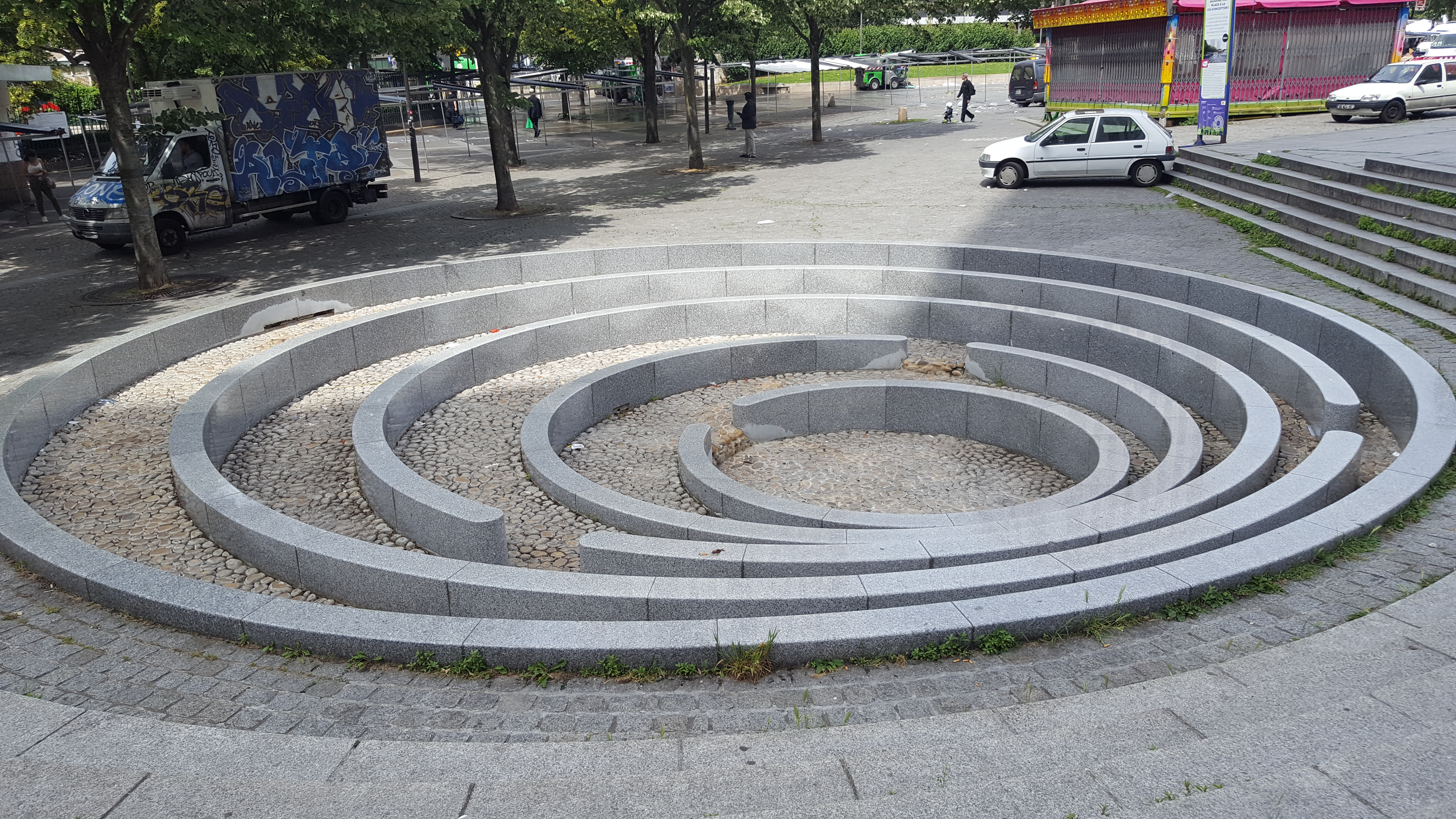
The fountain is often referred to as the “Fontaine‑labyrinthe” on French‑language sources, a nod to its labyrinthine water pathways that invite visitors to wander and contemplate. Its design is a hallmark of Marta Pan’s fascination with geometry, water, and the interplay of light. The sculptural basin is composed of clean, white concrete forms that channel water in a series of gentle cascades, producing a subtle, soothing soundscape that feels almost otherworldly.
Historical background
Marta Pan (1923‑2008) was a Hungarian‑born French artist celebrated for her kinetic and water‑based installations. While the exact year of the fountain’s inauguration isn’t widely documented, the piece belongs to a wave of post‑war public art projects that aimed to democratize modern art by placing it in everyday public spaces. The fountain’s location in Le Pré‑Saint‑Gervais—a former industrial suburb that has gradually transformed into a residential haven—reflects the city’s broader commitment to integrating culture into community life.
Why it matters
- Artistic significance: The fountain exemplifies Pan’s mastery of minimalist aesthetics and her ability to make water a dynamic, sculptural element.
- Cultural value: As a public artwork, it offers free, accessible culture to locals and tourists alike, embodying the French tradition of “art for all.”
- Urban oasis: Its tranquil water flow provides a rare pocket of calm amid the suburban bustle, making it a favorite spot for photographers, joggers, and anyone seeking a moment of reflection.
For more detailed background, see the French Wikipedia entry: Fontaine‑labyrinthe.
How to Get There
By public transport
| Mode | Nearest stop | Approx. travel time from central Paris | Frequency |
|---|---|---|---|
| RER | Le Pré‑Saint‑Gervais (RER E line) | 20 min from Gare du Nord | Every 10‑15 min |
| Bus | Line 151 – “Le Pré‑Saint‑Gervais – Porte de Pantin” | 25 min from Châtelet (via bus) | Every 12 min |
From the Le Pré‑Saint‑Gervais RER station, exit onto Rue de la République and walk north‑east for about 600 m (roughly a 7‑minute stroll). The fountain sits near the intersection of Rue de la Fontaine and Avenue du Parc; a small bronze plaque marks the entrance to the garden where the fountain is located.
By car
- From Paris: Take the A1 motorway toward Amiens, exit at Le Pre-Saint-Gervais (Exit 4). Follow signs for Rue de la République; parking is limited, but there are a few public spots on Rue de la Poudrière (free after 7 pm).
- From the airport (Charles de Gaulle): Follow the A1 southbound, then the D104 to Le Pré‑Saint‑Gervais. Total drive time ≈ 30 minutes without traffic.
Bike & walking
Le Pré‑Saint‑Gervais is part of the Vélib’’ bike‑share network. Dock a bike at the “Pré‑Saint‑Gervais – Place de la République” station (≈ 300 m from the fountain). The area is flat and pedestrian‑friendly, making a leisurely walk or bike ride a pleasant option.
Best Time to Visit
| Season | Why it works | Tips |
|---|---|---|
| Spring (March‑May) | Temperatures rise, cherry blossoms line the nearby streets, and the fountain’s water glistens in the soft morning light. | Arrive early (7‑8 am) to avoid the weekend crowd. |
| Summer (June‑August) | Long daylight hours let you linger; evenings are magical when the fountain is illuminated. | Bring a reusable water bottle—Parisian summer can be hot. |
| Autumn (September‑November) | Golden foliage adds a warm backdrop; fewer tourists. | Capture the sunset reflections on the water for stunning photos. |
| Winter (December‑February) | The fountain’s muted flow creates a serene, almost contemplative atmosphere; occasional mist adds drama. | Dress warmly; the fountain may be partially turned off during extreme cold, but the surrounding garden remains accessible. |
Overall, late spring to early autumn offers the most reliable water flow and pleasant weather, making it the sweet spot for most travelers.
What to Expect
When you step into the modest garden surrounding Fontaine Marta Pan, the first thing you’ll notice is silence broken only by the gentle ripple of water. The fountain’s design encourages you to walk around its perimeter, discovering new angles and reflections at each turn.
- Visual experience: The clean white concrete contrasts with the deep blue of the water, while sunlight creates shifting patterns that dance across the surface. In the evening, subtle LED lighting casts a soft glow, turning the fountain into a quiet lantern in the night.
- Sensory experience: The sound of water is deliberately soft—more a whisper than a roar—making it ideal for meditation or reading a book on a bench nearby.
- Photographic opportunities: Look for the interplay of geometry and fluidity. A low-angle shot that captures the water’s curve against the sky can be especially striking.
Because the fountain is part of a public space, you’ll often see locals—joggers, families, and artists—sharing the area. The vibe is relaxed, not overly touristy, which adds to its charm.
Nearby Attractions
While you’re in the area, consider extending your outing to explore these nearby water‑related sites and other points of interest (all within a 1 km radius):
- Unnamed Fountain – 0.7 km – A small, historic stone fountain tucked behind a local café.
- Second Unnamed Fountain – 0.7 km – Features a decorative bronze sculpture; great for a quick photo stop.
- Unnamed Waterfall – 0.8 km – A modest cascade built into a landscaped park, perfect for a picnic.
- Grande Cascade – 0.8 km – The largest waterfall in the immediate vicinity; its powerful flow offers a dramatic contrast to Marta Pan’s tranquil design.
- Third Unnamed Fountain – 0.9 km – A modern water feature with interactive lighting, especially beautiful after dusk.
Tip: All of these sites are reachable on foot or by a short bike ride. For exact locations, use the coordinates 48.876741, 2.393890 as a starting point in your navigation app.
Travel Tips
| Tip | Details |
|---|---|
| Check opening hours | The fountain is in a public garden that is open daily from 6 am to dusk. Seasonal maintenance may temporarily shut it down, so verify on the municipality’s website before you go. |
| Bring a camera | The low‑light setting at twilight yields excellent long‑exposure shots of the water’s motion. |
| Respect the space | No swimming or feeding the water. Keep the area clean to preserve its serene atmosphere. |
| Combine with a café break | Le Pré‑Saint‑Gervais boasts several charming cafés on Rue de la République—perfect for a croissant and espresso after your visit. |
| Accessibility | The garden pathways are level and wheelchair‑friendly. A tactile guide path is also available for visually impaired visitors. |
| Safety | While the fountain’s water depth is shallow, keep an eye on children. The surrounding area is well‑lit at night, but it’s advisable to stay on the main paths after dark. |
| Language | Signage is primarily in French, but most locals speak basic English. A quick phrase—“Où est la Fontaine Marta Pan?”—will earn you friendly directions. |
Final Thought
Fontaine Marta Pan may not appear on the typical Paris travel checklist, but that’s precisely why it’s worth the detour. Its minimalist elegance, soothing water, and tranquil setting provide a rare pause in a region famed for its bustling attractions. Pair it with a stroll through the neighboring fountains and waterfalls, and you’ll discover a micro‑landscape of water art that feels both intimate and unforgettable.
Pack your walking shoes, bring a sense of curiosity, and let the gentle cascade of Marta Pan’s masterpiece guide you into a quieter side of Île‑de‑France. Happy travels!