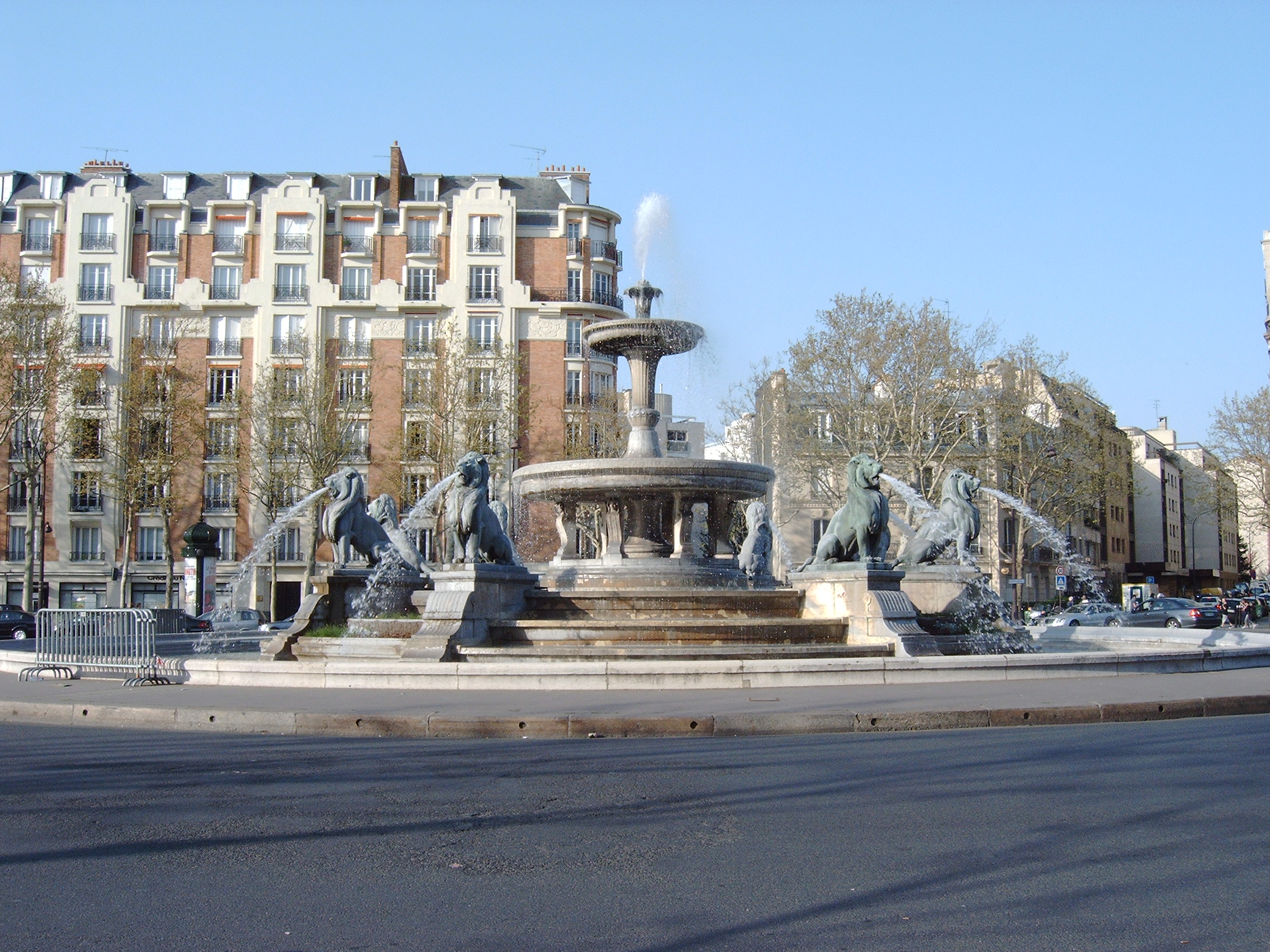
Fontaine du Château d'eau – A Hidden Jewel of Saint‑Mande, Île‑de‑France
Discover the charm of one of Gabriel Davioud’s lesser‑known fountains, tucked away in the tranquil village of Saint‑Mande. Whether you’re a fountain aficionado, a lover of 19th‑century French architecture, or simply hunting for a peaceful spot off the beaten path, this guide will help you make the most of your visit.
1. Introduction
Imagine strolling through a quiet Parisian suburb, the scent of freshly cut grass mingling with the faint hiss of water. Suddenly, you stumble upon a marble‑clad masterpiece that seems to have leapt straight out of a 19th‑century sketchbook. That’s the Fontaine du Château d'eau, a graceful fountain designed by the celebrated architect Gabriel Davioud. While the Eiffel Tower and the Louvre dominate most travel itineraries, this modest yet elegant water feature offers a serene alternative—perfect for photographers, history buffs, and anyone craving a slice of authentic French ambiance.
2. About Fontaine du Château d'eau
A Brief Description
- Type: Fountain ⛲
- Location: Saint‑Mande, Île‑de‑France, France
- Coordinates: 48.839602 N, 2.395809 E
- Designer: Gabriel Davioud (1824‑1881) – the same architect behind Paris’s iconic Fontaine Saint‑Martin and the Jardin du Luxembourg fountains.
The fountain’s exact height and altitude remain undocumented, adding a touch of mystery to its profile. Its name, Château d'eau, translates to “water tower,” hinting at its historic role in supplying the surrounding community with fresh water. Constructed during the Second Empire, the structure showcases Davioud’s signature blend of classicism and ornamental flair—think gently curving basins, delicate stone carvings, and a central jet that creates a soothing, rhythmic splash.
Historical Significance
Gabriel Davioud was a pivotal figure in shaping the visual identity of 19th‑century Paris and its suburbs. Working under Baron Haussmann’s massive urban renewal program, Davioud designed over 300 public works, ranging from parks to railway stations. The Fontaine du Château d'eau stands as a testament to his commitment to bringing beauty and utility together. Though modest in scale compared to his grand Parisian projects, the fountain served a practical purpose: it acted as a communal water source for Saint‑Mande’s residents before modern plumbing became widespread.
Today, the fountain is listed on the French heritage register (see the French Wikipedia entry: Fontaine du Château d'eau (Gabriel Davioud)). Its preservation reflects France’s broader dedication to protecting historic public works that enrich everyday life.
3. How to Get There
By Train & Bus
- Paris to Saint‑Mande – From Gare du Nord or Gare de l’Est, catch an RER D train toward Melun. Get off at Saint‑Mande (approximately a 45‑minute ride).
- Local Bus – The STIF Bus 201 runs from the Saint‑Mande train station to the town centre, stopping within a short walk of the fountain.
By Car
- From Paris: Take the A6 motorway south toward Melun, exit at Rocquencourt, then follow the D231 road signs for Saint‑Mande. Parking is available in the village’s public lot near the town hall.
- From Orly Airport: Follow the A86 ring road to the A6, then continue as above. The drive takes roughly 45 minutes, depending on traffic.
By Bicycle
Saint‑Mande lies on the Île‑de‑France bike network (Véloscénic). Cyclists can follow the EuroVelo 6 route, which passes near the fountain, offering a scenic, low‑traffic approach.
Pro tip: Keep a map or GPS app handy; the fountain is situated just off the main square, easily spotted by its stone balustrade and central water jet.
4. Best Time to Visit
| Season | Why It Works | Tips |
|---|---|---|
| Spring (Mar‑May) | Blossoming trees and mild temperatures create a picture‑perfect backdrop. | Bring a light jacket; early mornings are less crowded. |
| Summer (Jun‑Aug) | Long daylight hours let you linger longer by the water. | Arrive early to avoid the midday heat; stay hydrated. |
| Autumn (Sep‑Nov) | Golden foliage adds warmth to the stonework. | Ideal for photography; the fountain’s reflections are stunning. |
| Winter (Dec‑Feb) | Quiet, almost magical when a light frost dusts the surroundings. | The fountain remains operational year‑round; dress warmly. |
Overall, late spring to early autumn offers the most comfortable weather, but the fountain’s tranquil vibe makes it worth a visit any time of year.
5. What to Expect
When you step onto the small, cobblestone square surrounding the fountain, you’ll immediately feel a sense of calm. The central jet shoots a steady column of water, creating a gentle mist that cools the air—a welcome respite on a warm day. The stone basin is lined with subtle ornamental motifs, typical of Davioud’s attention to detail.
You’ll often see locals gathering for a quick chat, children playing nearby, and occasional street musicians adding a soft soundtrack. The surrounding area is dotted with historic houses, a modest café, and a small park, allowing you to combine a quick coffee break with your fountain visit.
Because the fountain is a public heritage site, there are no admission fees or strict opening hours; it is open 24/7. However, the water flow may be reduced during maintenance periods—signage will inform visitors if that’s the case.
6. Nearby Attractions
While the Fontaine du Château d'eau is the star of the show, the Saint‑Mande vicinity offers several other points of interest within a short walk:
| Distance | Attraction | Type | Link |
|---|---|---|---|
| 0.8 km | Unnamed Fountain | Fountain | (no dedicated page – explore on foot) |
| 0.8 km | Fontaine de la Baleine Bleue | Fountain | Fontaine de la Baleine Bleue |
| 1.0 km | Unnamed Fountain | Fountain | (no dedicated page – enjoy the local scenery) |
| 1.1 km | Unnamed Fountain | Fountain | (no dedicated page – perfect for a quiet stroll) |
| 1.1 km | Unnamed Fountain | Fountain | (no dedicated page – discover hidden gems) |
Bonus: The Saint‑Mande Church (Église Saint‑Martin) lies just a few minutes away, showcasing classic French Gothic architecture. The Parc de la Vallée offers walking trails and picnic spots, ideal for a post‑fountain lunch.
7. Travel Tips
- Bring a reusable water bottle – While the fountain is decorative, you can refill your bottle at nearby cafés or public drinking fountains.
- Respect the heritage site – No climbing on the stone balustrades; keep litter to a minimum.
- Photography – Early morning or late afternoon provides soft lighting that highlights the water’s sparkle and the stone’s texture. A polarizing filter can reduce glare on the water surface.
- Combine with a culinary stop – The café Le Petit Saint‑Mande (just across the square) serves classic French pastries and a selection of local wines.
- Check local events – Saint‑Mande hosts occasional summer concerts in the square; the fountain often serves as a picturesque backdrop.
- Accessibility – The square is flat and wheelchair‑friendly, though the cobblestones can be uneven; a sturdy pair of shoes is advisable.
- Safety – The water jet is shallow; children should be supervised, especially during the summer when the flow is strongest.
Wrap‑Up
The Fontaine du Château d'eau may not appear in the typical Paris travel guide, but its quiet elegance, historic pedigree, and welcoming atmosphere make it a rewarding destination for any traveler exploring Île‑de‑France beyond the capital’s borders. Pair it with a leisurely walk through Saint‑Mande’s charming streets, sip a café au lait at a local bistro, and you’ll experience a slice of authentic French life that many tourists miss.
Ready to add a hidden fountain to your French itinerary? Pack your camera, hop on the RER D, and let the gentle sound of water guide you to Saint‑Mande’s most serene secret.