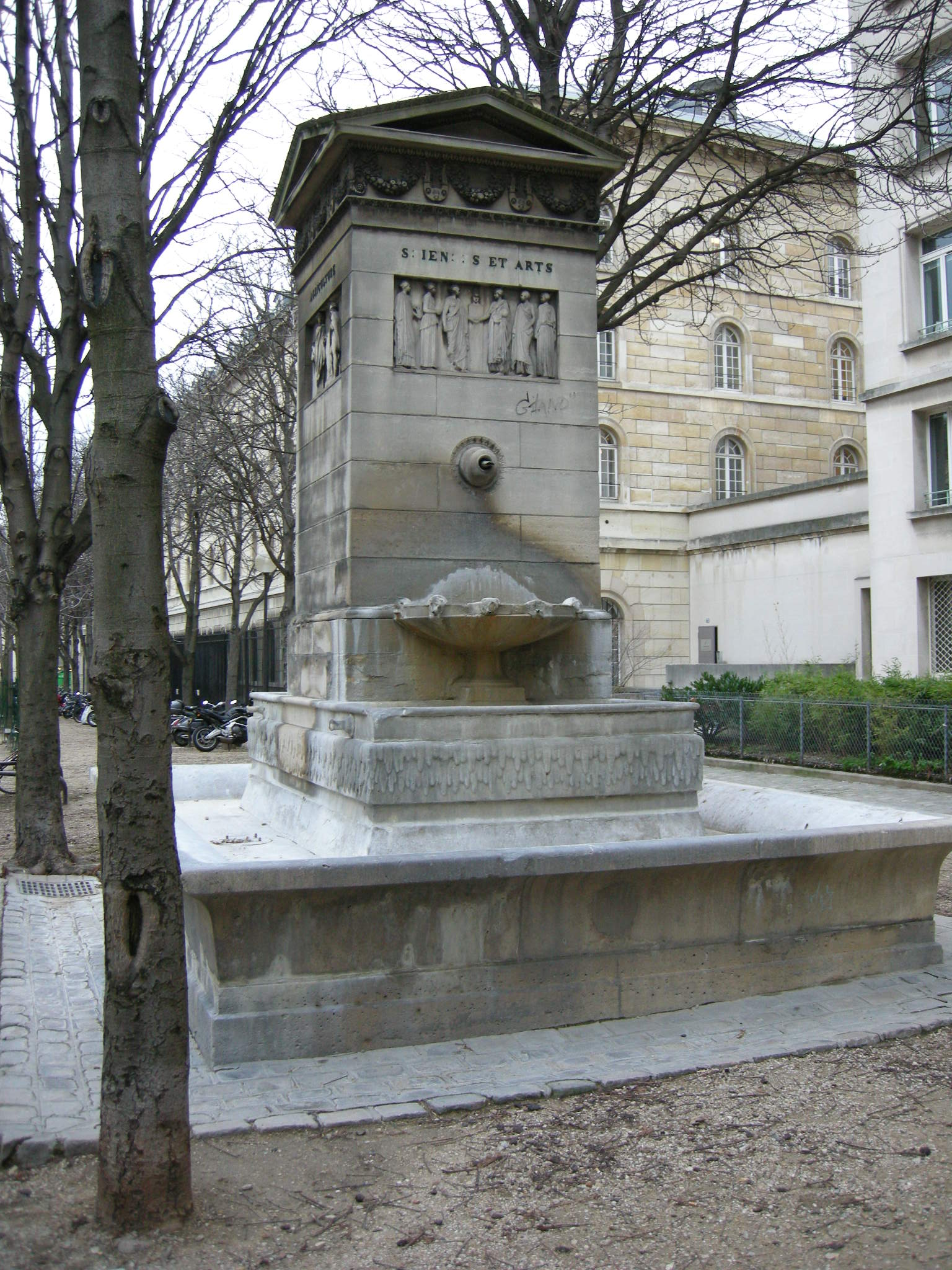
Fontaine de Neptune – Paris’s Hidden Water‑World Gem
If you think you’ve seen every iconic fountain in Paris, think again. Nestled in the quiet charm of the 6th arrondissement, the Fontaine de Neptune (also known as the Fountain of the Rue Cherche‑Midi) is a secret‑spot that blends classical mythology with Parisian urban elegance. Whether you’re a history buff, a photography enthusiast, or simply looking for a tranquil pause amid the city’s bustle, this lesser‑known fountain deserves a spot on your itinerary.
1. Introduction
Paris is famous for its grand boulevards, world‑class museums, and legendary monuments such as the Eiffel Tower and Notre‑Dame. Yet the city’s true soul often reveals itself in the small, unexpected places—like the Fontaine de Neptune. Tucked away on Rue Cherche‑Midi, just a stone’s throw from the bustling Saint‑Sulpice area, this elegant water feature offers a moment of mythic serenity. The fountain’s design, centered around the Roman god of the sea, Neptune, invites visitors to pause, reflect, and capture a piece of Parisian artistry that many tourists miss.
If you’re planning a cultural walk through the Latin Quarter, a leisurely afternoon in the 6th arrondissement, or simply want to discover a hidden Parisian treasure, read on for a complete guide to experiencing the Fontaine de Neptune.
2. About Fontaine de Neptune
A Brief Description
- Name: Fontaine de Neptune (also referred to as Fontaine de la rue Cherche‑Midi)
- Type: Fountain ⛲
- Location: Rue Cherche‑Midi, 75006 Paris, Île‑de‑France, France
- Coordinates: 48.848546, 2.322029
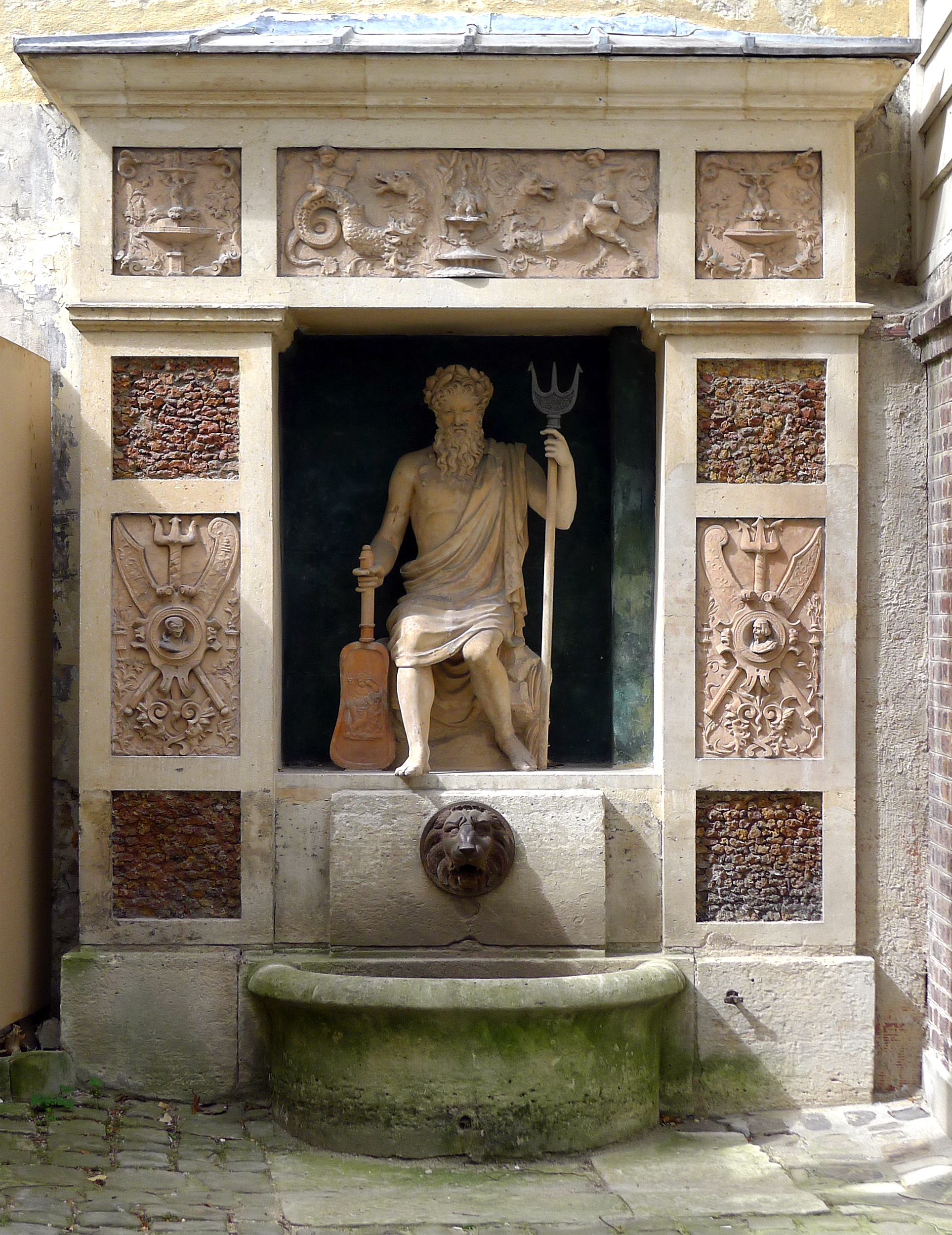
The fountain is set against a modest stone backdrop, where a sculpted figure of Neptune—trident in hand, crowned with a marine wreath—presides over a gentle cascade of water. While the exact height of the sculpture remains undocumented, its proportions harmonize perfectly with the surrounding architecture, creating a balanced visual dialogue between water, stone, and the historic Parisian streetscape.
Historical Context
The Fontaine de Neptune was installed as part of a broader 19th‑century initiative to beautify Paris’s public spaces with ornamental fountains. Its location on Rue Cherche‑Midi places it within an area historically linked to the city’s intellectual and artistic life, a stone’s distance from the famed Sorbonne and the Luxembourg Gardens. Although specific archival records about the fountain’s commissioning are scarce, its classical motif reflects the era’s fascination with antiquity and the desire to embed mythic symbolism into everyday urban environments.
For deeper research, the French‑language Wikipedia entry offers additional context: Fontaine de la rue Cherche‑Midi.
Cultural Significance
Beyond its aesthetic appeal, the fountain serves as a quiet gathering point for locals. Parisians often pause here to read, sip coffee from nearby cafés, or simply enjoy the soothing sound of water—a subtle reminder of the city’s commitment to integrating art, nature, and public life. The presence of Neptune, the ruler of the seas, also subtly nods to France’s maritime heritage, making the fountain a small but meaningful tribute to the nation’s broader cultural narrative.
3. How to Get There
By Metro
- Line 4 – Saint‑Sulpice Station (Exit 2): Walk north on Rue de Rennes, turn left onto Rue de la Montagne Sainte‑Geneviève, then follow signs to Rue Cherche‑Midi (≈ 7‑minute walk).
- Line 10 – Mabillon Station (Exit 1): Head east on Rue de la Harpe, then turn left onto Rue Cherche‑Midi (≈ 5‑minute walk).
By Bus
- Bus 63 (stop “Cherche‑Midi”): Alights directly on Rue Cherche‑Midi, just a few steps from the fountain.
- Bus 84 (stop “Saint‑Sulpice”) – a short walk toward the fountain.
By Bicycle or Foot
Paris’s Vélib’ bike‑share stations are plentiful nearby: the “Saint‑Sulpice” dock (around 200 m away) and “Place Maubert” (≈ 350 m). The flat terrain makes a pleasant stroll from the Luxembourg Gardens or the Latin Quarter, allowing you to soak up the historic atmosphere en route.
Driving & Parking
Driving in central Paris is generally discouraged for visitors. However, if you must, the nearest underground parking is Parking Saint‑Sulpice (Rue de la Harpe) or Parking Luxembourg (Rue de Vaugirard). Both are a 5‑minute walk to the fountain.
4. Best Time to Visit
| Season | Why It Works | Tips |
|---|---|---|
| Spring (March‑May) | Blossoming trees along Rue Cherche‑Midi create a romantic backdrop; mild temperatures make walking comfortable. | Arrive early on weekdays to avoid the occasional café crowd. |
| Summer (June‑August) | Longer daylight hours allow for extended photo sessions; the fountain’s water glistens in the sun. | Bring a light jacket for occasional evening breezes; stay hydrated. |
| Autumn (September‑November) | Golden foliage adds warmth to the stone setting; fewer tourists than peak summer. | Perfect for a quiet coffee break after admiring the fountain. |
| Winter (December‑February) | The fountain takes on a serene, almost magical feel when dusted with light frost; the surrounding streets are less busy. | Check weather forecasts; the water may be turned off during extreme cold, but the sculpture remains a striking sight. |
Overall, early mornings (7 – 9 am) provide the best lighting for photography and a peaceful atmosphere before the area fills with the lunch‑hour crowd.
5. What to Expect
When you arrive at Fontaine de Neptune, you’ll be greeted by the gentle sound of water cascading over sculpted stone—a subtle soundtrack that masks the city’s usual hum. The fountain’s central figure, Neptune, exudes a calm authority, his trident pointing skyward as if inviting passersby to contemplate the mythic depths of the sea.
The surrounding cobblestones and historic façades of the 6th arrondissement create an intimate setting, ideal for:
- Photography: Capture the contrast between the classical statue and the modern life that swirls around it. The early morning golden hour or the soft glow of the evening “blue hour” yields particularly striking images.
- People‑watching: Locals often sit nearby, reading newspapers or enjoying a croissant from a street‑side bakery.
- Quiet Reflection: The fountain’s modest size makes it a perfect spot for a brief meditation break during a busy day of sightseeing.
While the fountain itself is the star, the nearby cafés—such as Café de Flore (a short walk away) and Le Procope—offer an authentic Parisian ambiance for a post‑visit espresso.
6. Nearby Attractions
Your visit to the Fontaine de Neptune can easily become a mini‑tour of the area’s other charming water features and historic sites. All are within a 1‑kilometer radius, making them perfect for a leisurely walking itinerary.
| Attraction | Distance | Highlights | Link |
|---|---|---|---|
| Fontaine du Fellah | 0.1 km | A small, ornamental fountain featuring a stylized figure; great for quick photo stops. | — |
| Fontaine des Quatre Saisons | 0.7 km | Represents the four seasons with elegant sculptural motifs; located near the Luxembourg Gardens. | — |
| Fontaine de la Paix | 0.8 km | A tranquil fountain embodying the theme of peace; sits beside a quiet courtyard. | — |
| Luxembourg Gardens (not a fountain but a must‑see) | 0.9 km | Expansive park with statues, ponds, and the iconic Medici Fountain. | — |
| Saint‑Sulpice Church | 0.6 km | A magnificent Baroque church known for its grand organ and historic frescoes. | — |
(If you have specific URLs for these fountains, replace the “—” with the appropriate link.)
7. Travel Tips
- Dress Comfortably: Cobblestone streets can be uneven. Wear supportive shoes, especially if you plan to explore nearby attractions on foot.
- Carry a Small Umbrella: Paris weather is famously unpredictable; a compact umbrella ensures you won’t miss a photo opportunity because of a sudden drizzle.
- Mind the Water Schedule: While the fountain generally runs year‑round, maintenance or extreme weather may temporarily shut off the water. Check local signage or ask a nearby shopkeeper for the current status.
- Respect the Space: The fountain is a public artwork and a gathering spot for locals. Keep noise levels low and avoid climbing on the sculpture.
- Photography Etiquette: If you’re using a tripod, be mindful of pedestrians and other visitors. A handheld setup works well in this compact area.
- Combine with a Café Break: The Rue Cherche‑Midi area boasts several historic cafés. Pair your fountain visit with a croissant and café au lait for the full Parisian experience.
- Safety: The area is safe both day and night, but like any urban setting, keep an eye on your belongings, especially in crowded spots.
Final Thought
The Fontaine de Neptune may not have the towering fame of the Trevi Fountain or the grandeur of the Place de la Concorde fountains, but its quiet elegance, mythic symbolism, and prime location make it a hidden gem worth seeking out. Whether you’re mapping a literary walk through the Latin Quarter, hunting for Instagram‑worthy spots, or simply craving a moment of calm amid Paris’s energetic rhythm, let this modest yet majestic fountain guide you to a deeper, more intimate side of the City of Light.
Happy travels, and may the waters of Neptune inspire your Parisian adventure!