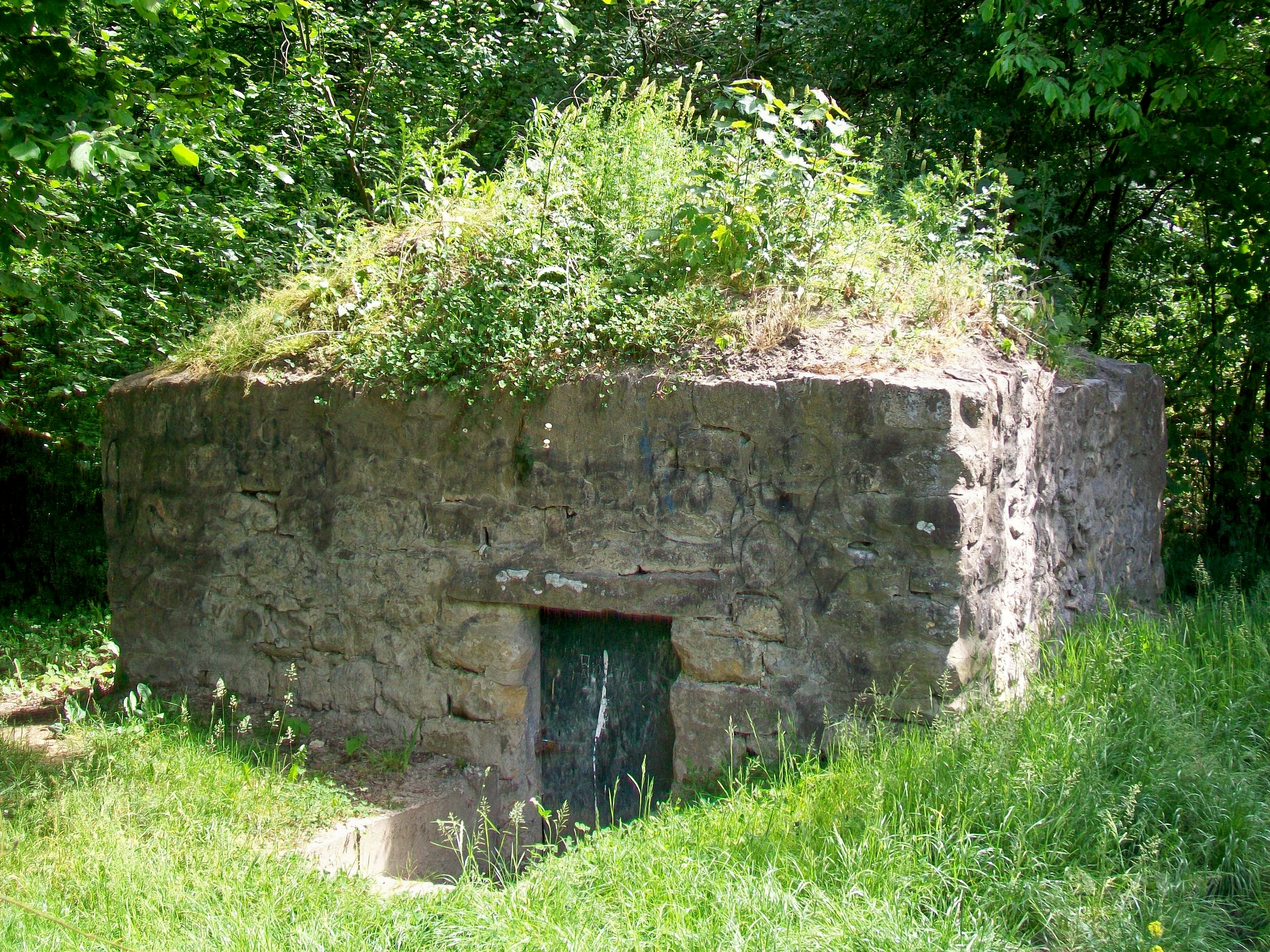
Fontaine aux Moines – A Hidden Jewel in Viarmes, Île‑de‑France
Discover the quiet charm of a centuries‑old fountain that once fed the abbey of Royaumont and today offers travelers a peaceful pause in the French countryside.
1. Introduction
If you’re wandering the rolling fields of Île‑de‑France and crave a slice of authentic French heritage away from the tourist throngs of Paris, look no further than Fontaine aux Moines. Tucked in the modest village of Viarmes, this historic fountain is more than just a decorative water feature—it’s a living reminder of the monastic engineering that sustained the legendary Abbey of Royaumont. With its gentle stone basin, the soft murmur of water, and the surrounding pastoral scenery, Fontaine aux Moines invites you to slow down, sip the history, and capture a moment that feels timeless.
2. About Fontaine aux Moines
A Brief Description
- Type: Fountain ⛲
- Location: Viarmes, Île‑de‑France, France
- Coordinates: 49.120956 N, 2.379116 E
- Historical Context: Part of the Réseau d'adduction d'eau de l'abbaye de Royaumont (the water‑supply network that served the Cistercian abbey).
While the exact height and altitude of the fountain remain undocumented, its stone construction and simple yet elegant design speak to the functional aesthetics of medieval monastic architecture. The water that once flowed to nourish the monks now provides a tranquil backdrop for visitors, echoing the centuries‑old purpose of quenching both body and spirit.
Historical Significance
The Abbey of Royaumont, founded in the 13th century, was a center of religious, cultural, and agricultural activity. To sustain its community, the monks engineered an extensive network of canals, wells, and fountains—among them, Fontaine aux Moines. The fountain served as a distribution point for the abbey’s water, illustrating the Cistercian order’s mastery of hydraulic engineering. Over the ages, the fountain survived wars, revolutions, and the march of modernity, retaining its original stonework and the gentle flow that once served the monks.
Today, Fontaine aux Moines stands as a cultural landmark that connects visitors with the daily rhythms of monastic life, offering a tangible link to the region’s medieval past.
3. How to Get There
By Train
- Nearest station: Viarmes (Transilien H line) – a short, scenic ride from Paris Nord (approximately 35 minutes).
- From the station, the fountain is a 10‑minute walk through the village center. Follow signs for “Place de la Fontaine” or ask a local for “la Fontaine aux Moines”.
By Car
- From Paris: Take the A1 motorway north toward Péronne, exit at Aubergenville, then follow the D1010 (Route de Viarmes). The drive is roughly 45 km and takes about 45 minutes depending on traffic.
- Parking is available in the small public lot near the village square; street parking is also common.
By Bus
- Bus line 511 (Région Hauts‑de‑France) connects Pontoise and Villers‑Couture and stops in Viarmes. Check the latest schedule on the Île‑de‑France Mobilités website.
Bike & Walking
- The surrounding countryside is crisscrossed by marked cycling routes (Véloroute 12) that lead to Viarmes. A leisurely ride from the Royaumont Abbey (≈ 2 km) offers a scenic approach to the fountain.
4. Best Time to Visit
| Season | Why Visit | Tips |
|---|---|---|
| Spring (Mar‑May) | Blossoming orchards, mild temperatures, and the fountain’s water is at its freshest. | Bring a light jacket; early mornings are less crowded. |
| Summer (Jun‑Aug) | Long daylight hours allow for extended exploration of nearby attractions. | Arrive early to avoid midday heat; bring water and sunscreen. |
| Autumn (Sep‑Nov) | Golden foliage creates a postcard‑perfect backdrop; fewer tourists. | Ideal for photography; pack a warm sweater for cooler evenings. |
| Winter (Dec‑Feb) | Quiet, almost meditative atmosphere; the stone glistens with frost on rare cold days. | Check opening hours of nearby sites; the fountain may be less accessible after heavy rain. |
Overall, late spring and early autumn provide the most comfortable climate and the richest visual experience.
5. What to Expect
When you step onto the cobblestones of Viarmes’ central square, the first thing you’ll notice is the soft, rhythmic sound of water spilling from the stone basin of Fontaine aux Moines. The fountain’s design is modest—no towering sculptures or elaborate mosaics—yet the weathered limestone exudes an authentic, timeless charm.
Around the fountain, you’ll find:
- Seating benches made of reclaimed wood, perfect for a moment of contemplation.
- Local cafés serving freshly baked croissants and espresso, where you can sip while watching villagers go about their day.
- Interpretive plaques (in French) that briefly explain the fountain’s role in the abbey’s water system.
The atmosphere is peaceful yet alive; you may hear the distant bells of the nearby Abbey of Royaumont, see cyclists cruising past, and feel the subtle scent of wildflowers carried on a gentle breeze. It’s an ideal spot for photography, sketching, or simply a quiet break from a day of sightseeing.
6. Nearby Attractions
While Fontaine aux Moines is a destination in its own right, the surrounding area offers several hidden gems within a short radius—perfect for a full‑day itinerary.
| Distance | Attraction | Type | Why Visit |
|---|---|---|---|
| 0.8 km | Unnamed historic fountain | Fountain | A charming, lesser‑known water feature that complements the main fountain’s story. |
| 2.1 km | Fontaine Saint‑Louis | Fountain | Features a more elaborate stone carving; great for comparative photography. |
| 2.2 km | Another local fountain | Fountain | Offers a quiet spot for a picnic amid mature trees. |
| 3.5 km | Local weir | Weir (Picardie) | Demonstrates historic water management; ideal for nature lovers. |
| 3.7 km | Additional fountain | Fountain | A small, picturesque fountain perfect for a short stroll. |
Quick links for further reading (where available):
- Fontaine Saint‑Louis – Wikipedia (French)
- Abbey of Royaumont – Official Site – Explore the abbey’s gardens, art exhibitions, and the historic water network.
Pro tip: Combine a visit to Fontaine aux Moines with a guided tour of Royaumont Abbey (just 2 km away). The abbey’s staff often discuss the fountain’s role in the monastic water system, giving you deeper insight into the region’s engineering heritage.
7. Travel Tips
- Check Opening Hours – While the fountain itself is public, nearby cafés and the abbey may have seasonal schedules.
- Bring Cash – Small village shops sometimes prefer cash, especially for pastries or bottled water.
- Language – Basic French phrases (“Bonjour”, “Merci”, “Où est la fontaine aux Moines ?”) go a long way with locals.
- Photography – Early morning light (golden hour) offers the softest illumination on the stonework. A polarizing filter can reduce glare on the water surface.
- Stay Hydrated – Even in summer, the area can feel warm; carry a reusable water bottle (you can refill at the fountain’s basin if needed).
- Respect the Site – The fountain is a historic monument; avoid climbing on the stone and dispose of litter responsibly.
- Combine with Local Events – Viarmes hosts a summer market (usually the third Saturday of July) where you can taste regional cheeses and wines.
Wrap‑Up
Fontaine aux Moines may not have the grandeur of Parisian landmarks, but its quiet elegance, rich history, and picturesque setting make it a must‑visit for travelers seeking authentic French experiences. Whether you’re a history buff, a photography enthusiast, or simply a wanderer looking for a serene spot to pause, this modest fountain in Viarmes offers a memorable glimpse into the monastic life that once shaped the landscape of Île‑de‑France.
Pack your camera, follow the sound of water, and let Fontaine aux Moines refresh your travel spirit.
Keywords: Fontaine aux Moines, Viarmes travel guide, historic fountains France, Abbey of Royaumont water system, things to do Île‑de‑France, hidden gems near Paris, French countryside attractions, monastic engineering, travel tips France.