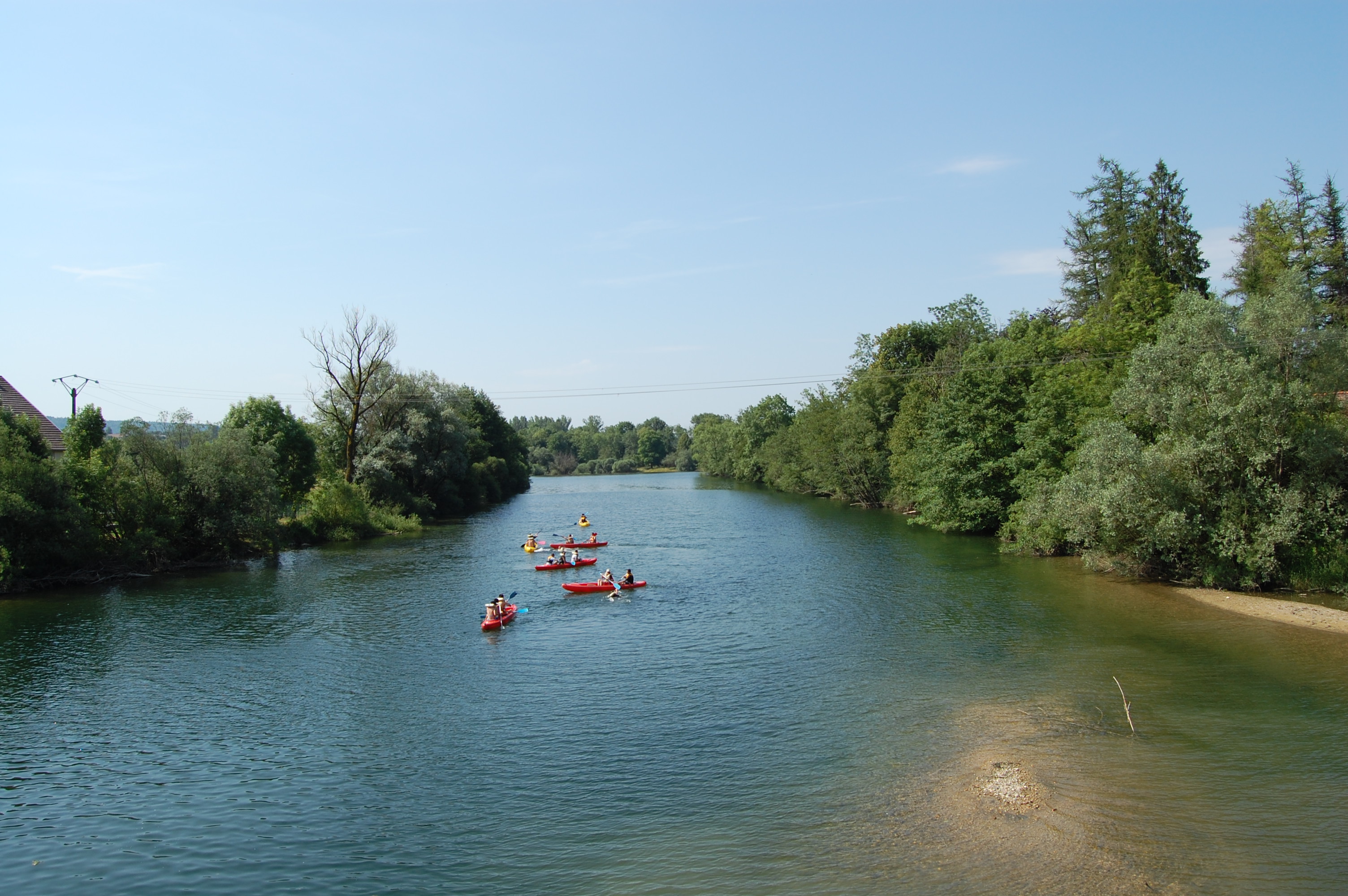
Source de l’Ain – The Pristine Spring Hidden in Franche‑Comté
Discover the crystal‑clear waters that give birth to the mighty Ain River, nestled in the lush Jura landscape of Champagnole, France.
Introduction
Imagine standing at the very point where a river begins its journey through the French countryside. The air is fresh, the sound of water bubbling over stone is soothing, and the surrounding forest feels untouched by time. This is Source de l’Ain, a modest yet spectacular spring that marks the birthplace of the Ain River, one of the major tributaries of the Rhône. For nature lovers, hikers, and anyone craving a quiet escape, the spring offers a rare glimpse into the origins of a waterway that has shaped the history, agriculture, and culture of the Franche‑Comté region.
If you’re planning a road trip through eastern France, a weekend in the Jura, or simply a day‑trip from Dijon or Besançon, add Source de l’Ain to your itinerary. Below you’ll find everything you need to know to make the most of this hidden gem.
About Source de l’Ain
What is it?
Source de l’Ain is a natural spring (💧) located at 46.749361 N, 6.023430 E in the commune of Champagnole, within the department of Jura in the historic region of Franche‑Comté. The spring marks the official source of the Ain River, which flows for more than 200 km before joining the Rhône near Lyon.
Historical significance
The Ain River has been a lifeline for the region since Roman times, providing water for agriculture, powering mills, and shaping settlement patterns along its banks. While the spring itself has never been the site of grand monuments, its presence is recorded in local archives and maps dating back to the 19th century, when French hydrographers began systematically charting the country’s watercourses. The spring’s name—Source de l’Ain—appears in the French Wikipedia entry for the river (see the reference: Ain (rivière)).
Why it matters today
In an era of increasing environmental awareness, Source de l’Ain serves as a reminder of the importance of protecting headwaters. The spring feeds pristine mountain streams that support a rich biodiversity of fish, amphibians, and aquatic insects. Its clear waters also contribute to the high quality of drinking water for nearby villages, making the spring a vital natural resource for both ecosystems and local communities.
How to Get There
| Mode of transport | Details |
|---|---|
| By car | From Dijon, take the A31 north toward Dole, then follow the N83 to Champagnole. From the town centre, follow signs for “Source de l’Ain” (about 4 km west of the town). Parking is available in a small, free lot just off the access road. |
| By train | The nearest SNCF station is Champagnole (TER Bourgogne‑Franche‑Comté line). Trains from Besançon or Dijon run roughly hourly. From the station, you can either take a local bus (line 12) toward “Le Moulin du Saut” or grab a taxi for a 10‑minute ride to the spring. |
| By bike | The Jura region is famous for its well‑marked cycling routes. The Véloroute du Haut-Jura passes near Champagnole, offering a scenic 15‑km ride to the spring with gentle climbs and forested sections. |
| Public transport | A limited bus service (line 12) runs from Champagnole town centre to the Moulin du Saut area; get off at the “Source de l’Ain” stop (check the latest timetable on the Mairie de Champagnole website). |
Practical tips for arrival
- GPS coordinates: 46.749361, 6.023430 – paste directly into your navigation app.
- Signage: Look for a small wooden board with the name “Source de l’Ain” and a blue water droplet icon.
- Parking: The lot holds about 15 cars; arrive early in summer to secure a spot.
Best Time to Visit
| Season | What to expect | Why it’s ideal |
|---|---|---|
| Spring (April‑June) | Snowmelt feeds the spring, creating a steady flow; wildflowers carpet the surrounding meadow. | Perfect for photography and gentle hikes. |
| Summer (July‑August) | Warm days, longer daylight; the water remains cool and refreshing. | Ideal for picnics, but expect modest crowds. |
| Autumn (September‑October) | Leaves turn golden, the forest smells of pine and earth. | Excellent for tranquil walks and bird‑watching. |
| Winter (November‑March) | The spring may be partially frozen; the landscape is quiet and dramatic. | Great for solitude, but some paths can be slippery. |
Overall recommendation: Late spring to early autumn (May‑September) offers the most comfortable weather and vibrant scenery, making it the peak season for visitors.
What to Expect
Arriving at Source de l’Ain feels like stepping into a living postcard. A narrow, well‑maintained footpath leads you through a mixed‑forest of beech, oak, and fir. The spring itself emerges from a small fissure in the rock, its water clear enough to see the smooth pebbles at the bottom. A gentle, melodic gurgle accompanies the sight, and a faint mist hovers over the pool on cooler days.
Senses
- Sight: Crystal‑clear water, moss‑covered stones, and the surrounding Jura hills in the distance.
- Sound: The continuous babble of water, punctuated by birdsong—especially the European robin and the black‑cap.
- Smell: Fresh, mineral‑rich water mixed with pine and damp earth.
Facilities
- Interpretive sign: Provides a brief overview of the Ain River’s course and the spring’s ecological role.
- Picnic table: A simple wooden bench near the water, perfect for a snack.
- Restroom: A modest, eco‑friendly toilet is available a few meters downstream (seasonally maintained).
While there are no cafés or souvenir shops on site, the nearby town of Champagnole offers bakeries, cafés, and a small tourist office where you can pick up maps and local products (cheese, honey, and Jura wine).
Nearby Attractions
The spring sits in a pocket of natural beauty that includes several waterfalls and historic weirs, all within a 1.2 km radius. These sites are perfect for a relaxed day of exploring the Jura’s water heritage.
| Attraction | Distance | What to see | Link |
|---|---|---|---|
| Cascade du Moulin du Saut | 1.2 km | A graceful cascade dropping over limestone, surrounded by a forest trail. | Cascade du Moulin du Saut |
| Moulin du Saut | 1.2 km | Remains of an old water‑mill that once harnessed the river’s power; interpretive panels explain its history. | Moulin du Saut |
| Saut des Maillys (weir) | 1.2 km | A historic weir used for flood control and traditional fishing; a good spot for bird‑watching. | Saut des Maillys |
| Waterfall (unnamed) | 1.1 km | A small, hidden waterfall that creates a natural pool—ideal for a quick dip in summer. | — |
| Weir (unnamed) | 1.2 km | A modest stone weir that illustrates historic water management in the Jura. | — |
All these attractions are reachable via well‑marked forest paths that loop back to the spring, allowing you to create a pleasant 3–4 km walking circuit.
Travel Tips
- Dress for the terrain – Sturdy walking shoes with good grip are essential, especially after rain when the forest floor can be slippery.
- Pack a reusable water bottle – The spring water is safe to drink, and staying hydrated is key for the moderate hikes.
- Respect the environment – Keep the area clean, stay on marked trails, and avoid disturbing the natural vegetation.
- Check opening times – The restroom and interpretive signs are maintained seasonally; if you’re visiting in late autumn or winter, verify that they are accessible.
- Bring a camera – The spring’s clear pool and surrounding forest provide excellent photo opportunities, especially during the golden hours of sunrise and sunset.
- Combine with Champagnole – The town’s weekly market (every Saturday) offers local cheeses, charcuterie, and Jura wines—perfect for a post‑hike picnic.
- Use local apps – The Jura Mobilité app provides real‑time bus schedules and alerts for any road works on the route to the spring.
Final Thought
Source de l’Ain may be modest in size, but its significance ripples through the landscape of Franche‑Comté. Whether you’re a seasoned hiker, a family looking for a peaceful day out, or a geography enthusiast tracing the origins of France’s rivers, the spring offers an authentic, unspoiled experience. Pair it with the nearby waterfalls, historic weirs, and the charming town of Champagnole, and you have a complete, off‑the‑beaten‑path itinerary that showcases the natural and cultural richness of the Jura.
Plan your visit, breathe in the fresh mountain air, and let the gentle flow of the Ain’s source remind you of the simple, timeless beauty that still exists in today’s world.
Keywords: Source de l’Ain, Ain River source, spring in Franche‑Comté, Champagnole travel, Jura waterfalls, Cascade du Moulin du Saut, natural spring France, hiking Jura, French river headwaters, travel to Champagnole.