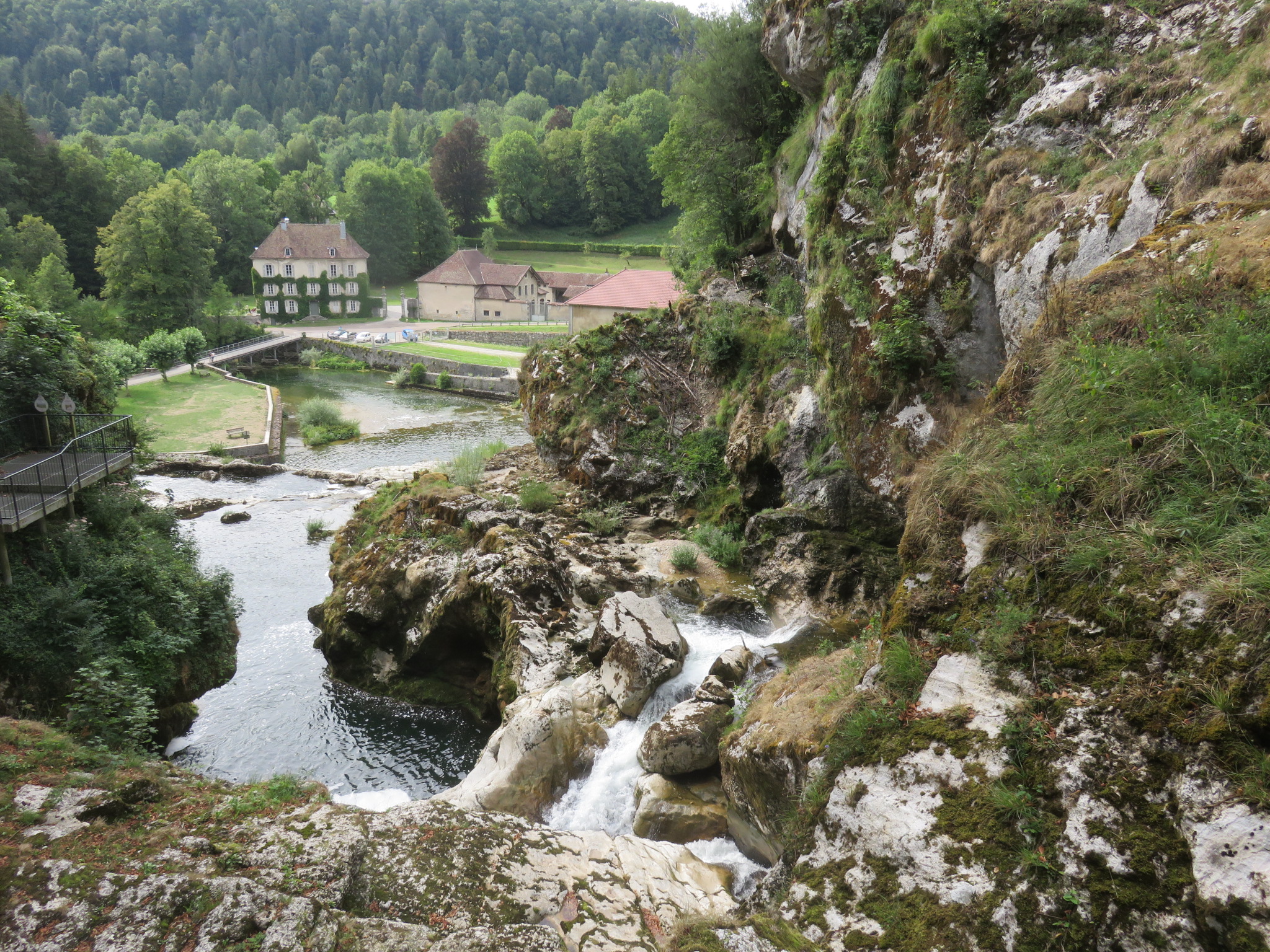
Les Pertes de l'Ain – A Hidden Waterfall Gem in Franche‑Comté, France
Discover the mist‑kissed cascade that locals call “the lost river” and why it belongs on every nature‑lover’s French itinerary.
Introduction
Tucked away in the rolling Jura foothills of eastern France, Les Pertes de l'Ain is a waterfall that feels like a secret whispered by the forest itself. Unlike the crowded tourist hotspots of the Alps or the Côte d’Azur, this tranquil cascade invites you to step off the beaten path, breathe in crisp mountain air, and listen to the gentle roar of water disappearing into limestone cracks. If you’re planning a road trip through Champagnole, a weekend getaway in Franche‑Comté, or simply hunting for a picturesque spot to snap that perfect Instagram shot, Les Pertes de l'Ain should be at the top of your list.
About Les Pertes de l'Ain
What is it?
Les Pertes de l'Ain (literally “the losses of the Ain”) is a natural waterfall where the Ain River briefly vanishes underground, re‑emerging downstream. The water seeps through a series of limestone fissures, creating a series of small cascades and a misty pool that looks like a miniature alpine lake. While the exact height of the falls is not officially recorded, the sight of water plunging into the rocky gorge is enough to leave a lasting impression.
Historical and Cultural Significance
The name “Pertes” comes from the French word perdre—to lose—referring to the river’s sudden disappearance. Historically, the site has been a point of curiosity for geologists and naturalists studying karst landscapes in the Jura region. Local folklore tells stories of travelers who followed the hidden stream, only to be led to hidden valleys rich in wildflowers and wildlife.
The waterfall is also part of the Ain River watershed, an essential water source for the surrounding agricultural lands and the town of Champagnole. Its presence has helped shape the region’s ecology, supporting a variety of mosses, ferns, and alpine flora that thrive in the moist micro‑climate.
Why It Matters for Travelers
- Off‑the‑radar beauty – Few guidebooks mention Les Pertes de l'Ain, so you’ll likely be among the first to discover it.
- Photographer’s dream – The interplay of water, stone, and mist creates dramatic lighting, especially in the early morning or late afternoon.
- Eco‑friendly adventure – The site is easily accessible on foot, encouraging low‑impact tourism and a deeper connection with nature.
How to Get There
By Car
Les Pertes de l'Ain lies just 0.1 km from the center of Champagnole, a charming town known for its porcelain factories and mountain views. From the A39 autoroute (L'Autoroute des Titans), take exit Champagnole and follow the D437 signs toward the town center. Parking is available at the Parc du Lac municipal lot (free for a few hours) or at the small Pertes de l'Ain lay‑by, marked with a wooden sign and a short walking trail.
By Public Transport
- Train – The nearest SNCF station is Champagnole (TER Bourgogne-Franche‑Comté). Trains from Dijon or Lons-le‑Saunier run roughly every two hours.
- Bus – Local bus line C3 connects Champagnole with nearby villages such as Mouchard and Foncine‑le‑Haut. Get off at the “Pertes de l'Ain” stop (the final stop on the line).
From the bus stop, a well‑marked footpath leads directly to the waterfall in under five minutes.
By Bike or Hike
The Jura region boasts an extensive network of cycling routes. The Véloroute du Jura passes through Champagnole, making a scenic bike ride to Les Pertes de l'Ain both feasible and rewarding. If you’re an avid hiker, the GR 5 long‑distance trail skirts the area; a short detour brings you to the cascade.
Coordinates
- Latitude: 46.724306
- Longitude: 5.959180
Plug these into your GPS or mapping app for pinpoint accuracy.
Best Time to Visit
| Season | Conditions | Why Visit |
|---|---|---|
| Spring (April‑June) | Water flow is at its peak from snowmelt; surrounding meadows burst with wildflowers. | Ideal for photography, vibrant colors, and a lively forest soundtrack. |
| Summer (July‑August) | Warm days, occasional thunderstorms that boost waterfall volume. | Great for picnics and longer hikes; bring sunscreen and a hat. |
| Autumn (September‑October) | Leaves turn golden‑amber; water levels moderate. | Perfect for serene walks, fewer crowds, and crisp air. |
| Winter (November‑March) | Water may be reduced; occasional ice formations create a magical scene. | For adventurous souls who enjoy quiet, mist‑filled landscapes; wear waterproof boots. |
Tip: The waterfall is most spectacular after a rainstorm, when the water rushes through the limestone cracks with audible power. Check local weather forecasts before heading out.
What to Expect
When you arrive, a short, shaded trail (about 300 m) leads you through a mixed forest of beech, oak, and spruce. The path is well‑maintained, with wooden railings in steeper sections. As you approach, the sound of rushing water grows louder, and a fine mist settles on the trail—an instant cue that you’re close.
The cascade itself is a series of tiered drops that tumble over a rugged limestone wall, disappearing into a dark fissure before re‑emerging downstream. The water’s turquoise hue reflects the surrounding foliage, creating a vivid contrast that photographers love.
Sensory Highlights
- Sight: Crystal‑clear water, moss‑covered rocks, and occasional rainbows in the mist.
- Sound: A soothing roar that drowns out city noise, perfect for meditation.
- Touch: Cool, damp air; the occasional splash if you step near the edge.
- Smell: Fresh pine and earth, especially after rain.
Facilities – There is a small informational board describing the geological formation and local wildlife. Restrooms are located at the nearby parking area, and a picnic table sits under a canopy of trees, ideal for a snack break.
Nearby Attractions
While Les Pertes de l'Ain can easily fill a half‑day, the surrounding area offers additional points of interest within a short walk:
| Attraction | Distance | Type | Quick Link |
|---|---|---|---|
| Waterfall #1 | 0.1 km | Waterfall | Waterfall (Wikipedia) |
| Dam | 0.4 km | Dam | Dam (Wikipedia) |
| Waterfall #2 | 0.4 km | Waterfall | Waterfall (Wikipedia) |
| Weir | 0.4 km | Weir | Weir (Wikipedia) |
| Spring | 0.8 km | Natural spring | Spring (water) (Wikipedia) |
These sites are all part of the same karst system, offering a mini‑tour of the region’s hydrology. You can easily combine them into a “Water Wonders Walk”, looping back to the town center for a coffee at a local café.
Travel Tips
- Footwear Matters – The trail can be slippery when wet. Sturdy, waterproof hiking shoes or trail runners are recommended.
- Pack Light, Pack Smart – A small daypack with water, a snack, and a rain jacket will keep you comfortable.
- Respect the Environment – Stay on marked paths to protect delicate limestone formations and the surrounding flora.
- Timing for Photos – Early morning (sunrise) or late afternoon (golden hour) provides the best lighting and fewer visitors.
- Bring a Binocular – If you’re a bird‑watcher, the forest hosts species such as the Eurasian kingfisher and common buzzard.
- Cash for Parking – While most municipal lots are free, some nearby private spots may require a small fee. Keep a few euros handy.
- Check the Weather – The waterfall’s flow can vary dramatically. A quick glance at the local Meteo‑France forecast will tell you if you’ll see a full‑force cascade or a gentle trickle.
- Local Cuisine – After your visit, treat yourself to a plate of Comté cheese or a hearty saucisse de Morteau at one of Champagnole’s traditional bistros.
Final Thought
Les Pertes de l'Ain may not have the fame of the Cascades du Hérisson or the Gorges du Verdon, but its understated charm, geological intrigue, and peaceful setting make it a must‑see for anyone traveling through Franche‑Comté. Whether you’re a seasoned hiker, a family on a weekend outing, or a photographer chasing the perfect mist‑filled frame, this hidden waterfall offers a slice of French nature that feels both timeless and freshly discovered.
Pack your camera, lace up your boots, and let the river guide you to one of the Jura’s best‑kept secrets. Happy travels!