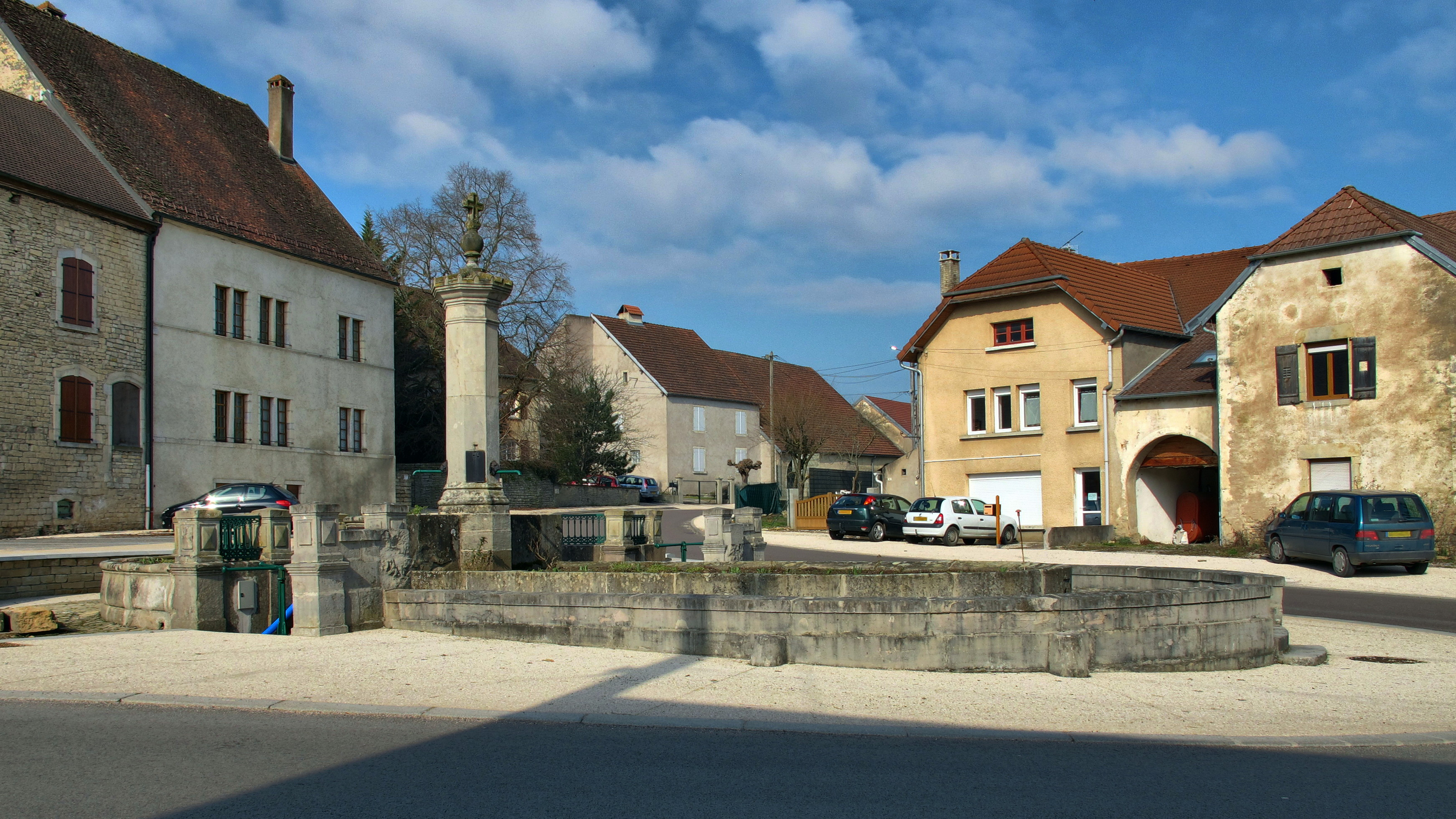
Lavoir des Tilleuls – A Hidden Fountain Gem in Rougemont, Franche‑Comté
Discover the charm of a centuries‑old stone fountain tucked away in the rolling countryside of eastern France.
Introduction
If you think the French countryside is only about vineyards and medieval castles, think again. Nestled amid the gentle hills of Roumelont in Franche‑Comté, the Lavoir des Tilleuls (also known as the Fontaine d’Esprels) is a modest yet captivating fountain that invites travelers to pause, sip the history, and soak up the serene atmosphere. Whether you’re a seasoned road‑tripper, a cultural explorer, or simply hunting off‑the‑beaten‑path photo ops, this stone‑crafted water feature is a perfect stop on any itinerary through eastern France.
About Lavoir des Tilleuls
A Brief Description
- Type: Public fountain / historic lavoir
- Location: Rougemont, Franche‑Comté, France
- Coordinates: 47.534701 N, 6.372213 E
- Height / Altitude: Not documented (the fountain blends naturally into the surrounding terrain)
The Lavoir des Tilleuls is built from local stone, its basin framed by a simple yet elegant arch that once served the practical purpose of a communal washing place (a lavoir) for villagers. The name “Tilleuls” (lime trees) hints at the once‑lush canopy that shaded the site, creating a cool, shady spot for laundry and conversation alike.
Historical Roots
While precise construction dates are scarce, the fountain’s design mirrors the 19th‑century rural lavoirs that dotted the French landscape. These communal washing stations were essential to daily life before modern plumbing, providing a gathering place for women to clean clothes, exchange news, and reinforce community bonds. Over time, many lavoirs fell into disuse, but the Lavoir des Tilleuls has been preserved as a cultural landmark, reminding visitors of the region’s agrarian heritage.
Cultural Significance
The fountain is more than a relic; it’s a living piece of Franche‑Comté’s rural identity. Locals still regard it as a symbolic meeting point, and seasonal festivals occasionally revive its original purpose with demonstrations of traditional laundry techniques. For travelers, the site offers a tangible connection to the everyday lives of past generations—a rare glimpse into the rhythms that shaped this part of France.
How to Get There
By Car
- From Besançon (regional capital): Take the A36 east toward Montbéliard, then exit onto D437 toward Rougemont. Follow local signs for the village center; the fountain sits just a short walk from the main road.
- Driving Time: Approximately 45 minutes (≈70 km).
- Parking: Free roadside parking is available near the village square; the fountain is a brief 3‑minute stroll away.
By Public Transport
- Train: The nearest SNCF station is Montbéliard (on the Besançon–Montbéliard line). From there, catch a regional bus (line 84) to Rougemont.
- Bus: Direct bus services run from Besançon and Montbéliard to Rougemont, with a journey time of around 1 hour 15 minutes.
- Final Leg: The fountain is within walking distance (≈5 minutes) from the village bus stop.
By Bike or Hiking
The region’s well‑marked GR (Grande Randonnée) trails weave through the Jura foothills, making the Lavoir des Tilleuls an ideal waypoint for cyclists and hikers seeking a scenic rest stop. The gentle elevation changes suit both casual walkers and seasoned trekkers.
Best Time to Visit
| Season | Highlights | Visitor Tips |
|---|---|---|
| Spring (April‑June) | Blossoming lime trees, fresh mountain air, and low tourist traffic. | Bring a light jacket; the water may be cooler. |
| Summer (July‑August) | Long daylight hours, vibrant local festivals, and lush green surroundings. | Arrive early to avoid midday heat; pack sunscreen. |
| Autumn (September‑October) | Golden foliage, crisp breezes, and harvest celebrations in nearby villages. | Perfect for photography; the fountain’s stone glows in the amber light. |
| Winter (November‑March) | Quiet, snow‑capped scenery; a magical, almost mystical atmosphere. | Dress warmly; some nearby attractions may have limited opening hours. |
Overall, late spring and early autumn provide the most comfortable climate and the richest visual palette for photography and leisurely exploration.
What to Expect
When you step onto the stone path leading to the Lavoir des Tilleuls, you’ll be greeted by a tranquil tableau: a modest stone basin, the faint sound of water trickling over centuries‑old channels, and the gentle rustle of lime leaves overhead (when they’re in season). The surrounding village retains a traditional Franche‑Comté charm, with half‑timbered houses, red‑tile roofs, and narrow cobblestone lanes.
- Photographic Moments: Capture the fountain framed by the arch, the reflection of sky in the water, and the backdrop of rolling hills. Early morning light adds a soft glow, while sunset paints the stone in warm hues.
- Sensory Experience: The cool mist from the fountain, the scent of nearby wildflowers, and the occasional distant clatter of a farmer’s cart create an immersive rural ambiance.
- Quiet Reflection: Many visitors find the spot ideal for a short meditation or a picnic. Bring a baguette, local cheese, and a bottle of Vin Jaune for an authentic taste of the region.
Because the fountain is a public heritage site, there are no entrance fees, and it remains open year‑round. Respectful behavior—such as refraining from swimming in the basin and keeping noise to a minimum—helps preserve its historic character.
Nearby Attractions
While the Lavoir des Tilleuls is a highlight on its own, the surrounding area offers several complementary sights within a short radius. Most are weirs (small dams) that showcase the region’s historic water management and provide scenic walking routes.
| Distance | Attraction | Description | Link |
|---|---|---|---|
| 1.5 km | Weir of La Roche | A picturesque stone weir set in a gentle stream, perfect for a short stroll. | Weir of La Roche |
| 1.6 km | Weir of Saint‑Pierre | Offers a tranquil spot for birdwatching and photography. | Weir of Saint‑Pierre |
| 1.6 km | Weir of Les Vignes | Surrounded by vineyards, this weir highlights the local wine culture. | Weir of Les Vignes |
| 1.6 km | Weir of Le Champ | Features a historic mill wheel that once powered local grain processing. | Weir of Le Champ |
| 1.9 km | Weir of Le Bois | Nestled in a small forest, ideal for a shaded hike. | Weir of Le Bois |
Tip: Many of these weirs are accessible via marked footpaths that loop back to the village, allowing you to create a pleasant half‑day walking circuit.
Travel Tips
- Bring Cash: Small villages often have limited card‑acceptance; a few euros will cover a café or local bakery.
- Dress for the Terrain: Cobblestones and uneven paths are common; sturdy walking shoes are advisable.
- Timing: If you’re visiting during a local festival (often in July or August), expect a modest crowd and possible road closures.
- Language: While French is the primary language, most locals understand basic English. A friendly “Bonjour” goes a long way.
- Stay Connected: Mobile coverage can be spotty in the hills; download offline maps (Google Maps or Maps.me) before you set out.
- Respect the Site: The fountain is a protected heritage structure; avoid climbing on the stone arches or littering.
- Photography Etiquette: If you’re using a tripod, be mindful of other visitors and keep the setup low‑profile.
Final Thought
The Lavoir des Tilleuls may not boast the grandeur of Parisian monuments, but its quiet elegance captures the soul of Franche‑Comté’s rural heritage. A short detour from your journey through eastern France rewards you with a slice of authentic village life, a splash of history, and a perfect backdrop for unforgettable photos. Pack your curiosity, follow the stone path, and let the gentle murmur of this historic fountain guide you into the heart of the French countryside.
Happy travels, and may the water of Lavoir des Tilleuls refresh both your spirit and your itinerary!