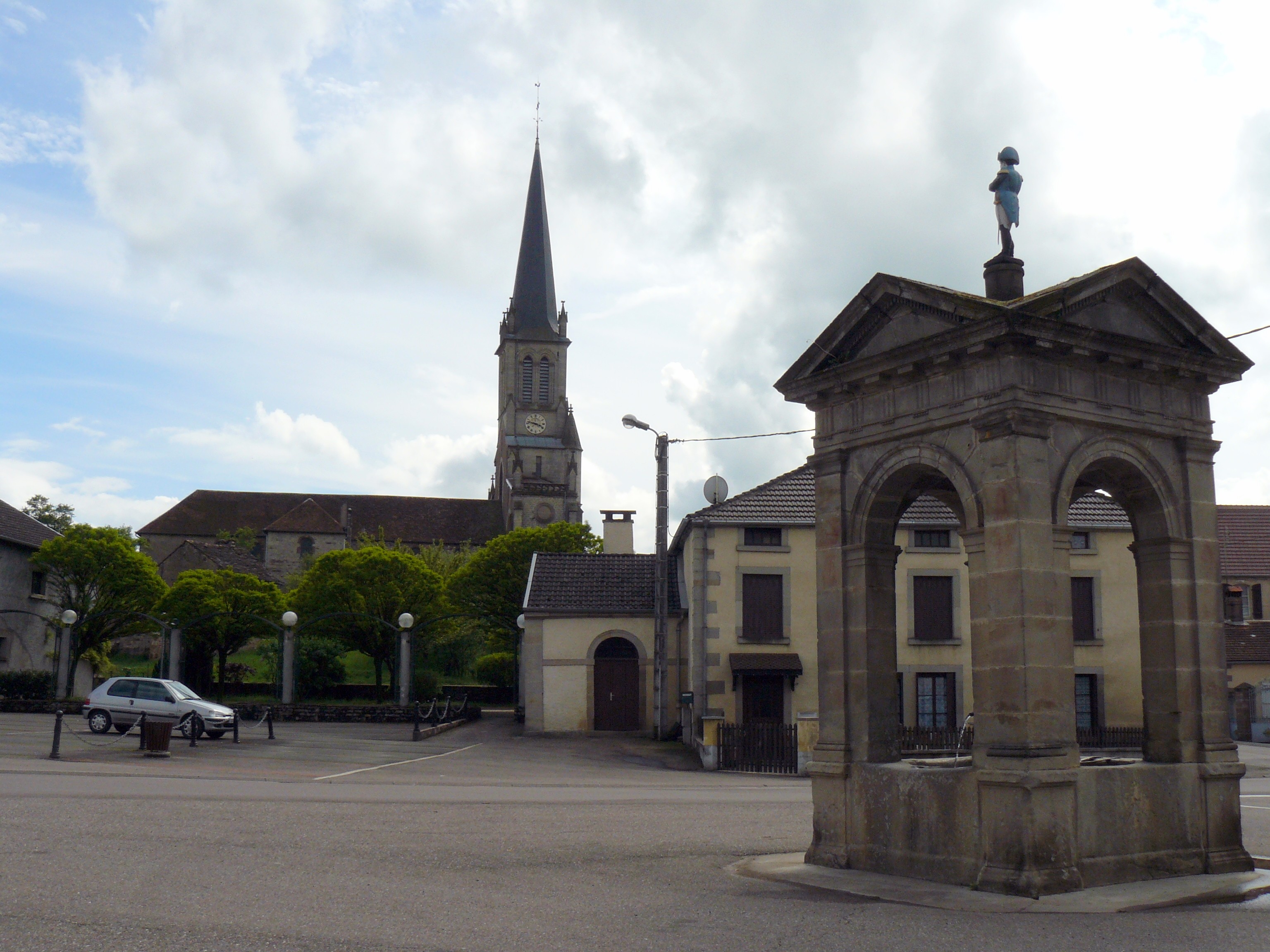
Fontaine Napoléon – A Hidden Jewel in Saint‑Loup‑sur‑Semouse, Franche‑Comté
Discover the charm of a lesser‑known French fountain that whispers stories of empire, community, and the timeless flow of water.
Introduction
If you think the iconic fountains of Paris are the only ones worth a detour, think again. Nestled in the tranquil village of Saint‑Loup‑sur‑Semouse in the heart of Franche‑Comté, the Fontaine Napoléon (sometimes called Fontaine Napoléon de Bouligney) offers a quiet, picturesque pause for travelers seeking authentic French heritage away from the crowds. With its modest setting, historic aura, and easy access from the surrounding countryside, this fountain is quickly becoming a favorite stop for road‑trippers, history buffs, and lovers of classic European waterworks.
In this guide we’ll explore everything you need to know to make the most of a visit to Fontaine Napoléon – from its fascinating backstory to practical travel tips, the best season to soak in the atmosphere, and nearby attractions that can round out a perfect day in Franche‑Comté.
About Fontaine Napoléon
A Brief Description
The Fontaine Napoléon is a historic stone fountain located at 47.894589 N, 6.241159 E in the commune of Saint‑Loup‑sur‑Semouse. While the exact height and altitude of the structure remain undocumented, its simple yet elegant design reflects the utilitarian style typical of early‑19th‑century public works. The fountain still draws water from an underground source, creating a gentle cascade that has been quenching the thirst of locals for more than two centuries.
Historical Roots
The fountain takes its name from Napoléon Bonaparte, whose reign (1804‑1815) sparked a wave of civic improvements across the French Empire. In many rural towns, the imperial administration funded the construction of public fountains to provide clean drinking water, improve sanitation, and showcase the power of the state. Although specific archival records for this particular fountain are scarce, its naming convention and architectural cues strongly suggest it was erected during the Napoleonic era, likely as part of a broader initiative to modernise the Doubs department.
Cultural Significance
Beyond its practical function, Fontaine Napoléon has become a symbolic gathering point for the residents of Saint‑Loup‑sur‑Semouse. Villagers have historically used the fountain as a meeting place, a spot for children to play, and a backdrop for local festivals. Its enduring presence offers a tangible link to the region’s past, reminding visitors that even the smallest monuments can hold a wealth of communal memory.
For those who want a deeper dive, the French Wikipedia entry—Fontaine Napoléon de Bouligney—provides additional context in French, including references to local archives and preservation efforts.
How to Get There
By Car
The most convenient way to reach the fountain is by car. From Besançon, the capital of Franche‑Comté, take the A36 eastward toward Montbéliard, then exit onto D437 toward Saint‑Loup‑sur‑Semouse. Follow the D437 for roughly 12 km, then turn onto the local road marked “Rue de la Fontaine” (signage may be minimal, so a GPS coordinate is handy).
- Coordinates:
47.894589, 6.241159 - Parking: A small municipal parking lot sits just off the main road, a short 2‑minute walk to the fountain.
By Public Transport
While the village is not directly served by high‑speed rail, you can take a TER train to Montbéliard or Dijon, then catch a regional bus (line 112) to Saint‑Loup‑sur‑Semouse. The bus stop is a few minutes’ walk from the fountain, though schedules are limited on weekends, so check the latest timetables on the Franche‑Comté Mobilité website.
By Bike or Foot
For the adventurous, the Véloroute du Doubs cycle path passes within a few kilometers of the fountain, offering scenic countryside views. Cyclists can park their bikes at the designated rack near the fountain and enjoy a leisurely stroll through the village’s historic center.
Best Time to Visit
Spring (April‑June)
Spring is arguably the most photogenic season. The surrounding fields burst into a kaleidoscope of wildflowers, and the water flow in the fountain is at its freshest after the winter melt. Temperatures hover between 12 °C and 20 °C, making it comfortable for walking and picnicking.
Summer (July‑August)
Summer brings longer daylight hours—perfect for those who love golden‑hour photography. However, be prepared for occasional heat spikes (up to 30 °C). Early mornings or late afternoons are ideal for a cooler, quieter experience.
Autumn (September‑October)
The foliage in Franche‑Comté turns amber and russet, providing a dramatic backdrop to the stone fountain. Autumn also sees fewer tourists, allowing for a more intimate encounter with the locals.
Winter (November‑March)
While the fountain remains functional year‑round, winter visits can be chilly, and the water may appear more subdued. If you’re a fan of quiet, reflective landscapes and don’t mind bundling up, the winter scene has its own stark beauty.
Overall recommendation: Aim for late spring or early autumn to enjoy pleasant weather, vibrant surroundings, and manageable crowds.
What to Expect
The Atmosphere
Approaching the Fontaine Napoléon, you’ll first notice the gentle sound of water—an inviting murmur that blends with the soft rustle of nearby trees. The fountain’s stone basin, worn smooth by centuries of use, reflects the sky and surrounding architecture, creating a natural mirror that captures the ever‑changing light.
Photographic Highlights
- Close‑up details: The carved stone brackets and the subtle patina that tells a story of time.
- Wide shots: Position yourself a few meters back to frame the fountain against the village’s traditional houses and the rolling hills beyond.
- Seasonal contrasts: Capture the fountain with spring blossoms, summer sun, autumn leaves, or even a light dusting of snow for a truly atmospheric series.
Interaction
Locals often fill small reusable bottles with the fountain’s fresh water—feel free to do the same, but remember to respect any signage indicating whether the water is suitable for drinking. Children love splashing at the edge of the basin, and you’ll sometimes see a friendly dog pausing for a sip.
Amenities
The site is modest—there are no cafés directly at the fountain, but a short walk brings you to the village’s central bakery (Boulangerie du Coin) where you can grab a croissant and coffee. Public restrooms are located near the municipal hall, about 300 m away.
Nearby Attractions
A day in Saint‑Loup‑sur‑Semouse can easily extend beyond the fountain. Here are five nearby points of interest, all within a 4‑km radius, perfect for a relaxed itinerary:
| Distance | Attraction | Type | Quick Details |
|---|---|---|---|
| 0.1 km | Another historic fountain | Fountain | A short stroll away, this small stone fountain offers a complementary perspective on local water architecture. |
| 2.0 km | Source du Planey | Spring | A natural spring surrounded by woodland trails—ideal for a short hike and a picnic. |
| 2.9 km | Local heritage fountain | Fountain | Located near the old mill, this fountain showcases traditional ironwork. |
| 3.7 km | Rural chapel & fountain | Fountain | Set beside a 12th‑century chapel, the fountain adds a spiritual touch to the countryside scenery. |
| 3.9 km | Village square fountain | Fountain | The centerpiece of the neighboring village’s market square, bustling on Saturdays. |
Tip: Most of these sites are reachable on foot or by bike, allowing you to enjoy the gentle rolling landscapes of Franche‑Comté without needing a car.
Travel Tips
- Bring a reusable water bottle. The fountain’s water is historically clean, and refilling reduces plastic waste.
- Check local event calendars. Saint‑Loup‑sur‑Semouse often hosts seasonal fairs near the fountain—visiting during a market day adds extra vibrancy.
- Dress for the weather. Even in summer, mornings can be cool; a light jacket is advisable.
- Respect the site. Avoid climbing on the stone basin and keep the area tidy—these small gestures help preserve the fountain for future visitors.
- Use a portable charger. While the village has Wi‑Fi in cafés, signal can be spotty near the fountain; a power bank ensures you can capture photos without interruption.
- Language tip: Basic French phrases (“Bonjour,” “Merci,” “Un verre d’eau, s’il vous plaît”) go a long way with locals, who are generally friendly and happy to share stories about the fountain.
- Parking: The municipal lot fills up quickly on weekends; arriving early (before 10 am) secures a spot and gives you quiet moments before the midday bustle.
Closing Thoughts
The Fontaine Napoléon may not boast the grandeur of Parisian landmarks, but its quiet elegance, historical resonance, and picturesque setting make it a standout gem for travelers exploring Franche‑Comté. Whether you’re tracing the footsteps of Napoleonic-era public works, savoring a leisurely coffee in a village bakery, or simply listening to the soothing flow of water against stone, this fountain offers a genuine slice of French life that’s both timeless and refreshingly off the beaten path.
Pack your camera, map out the nearby attractions, and let the gentle cascade of Fontaine Napoléon guide you into the heart of rural France. Happy travels!