Fontaine du Lavoir – A Hidden Gem in Orchamps, Franche‑Comté
Discover the quiet charm of a historic French fountain that whispers stories of rural life, community, and the pure joy of water.
Introduction
If you’re wandering the rolling hills of Franche‑Comté and looking for a slice of authentic French countryside, the Fontaine du Lavoir in Orchamps is the perfect stop. Tucked away from the bustling tourist routes, this modest yet captivating fountain offers a moment of reflection, a splash of history, and a photo‑op that feels like stepping back in time. Whether you’re a seasoned traveler chasing off‑the‑beaten‑path attractions or a local explorer seeking a peaceful spot for a picnic, the Fontaine du Lavoir invites you to pause, listen to the gentle flow, and soak up the serene atmosphere of eastern France.
About Fontaine du Lavoir
A Brief Description
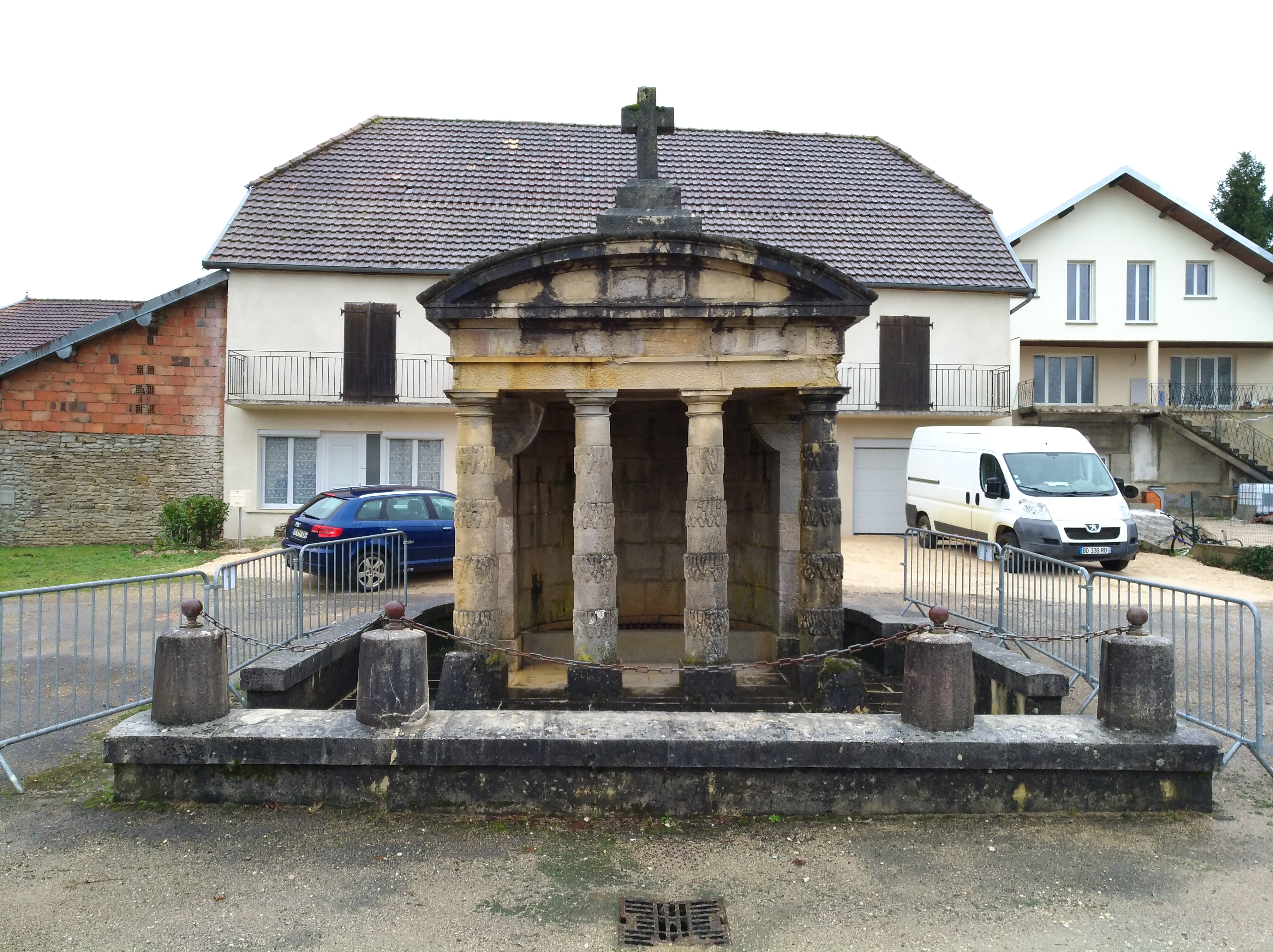
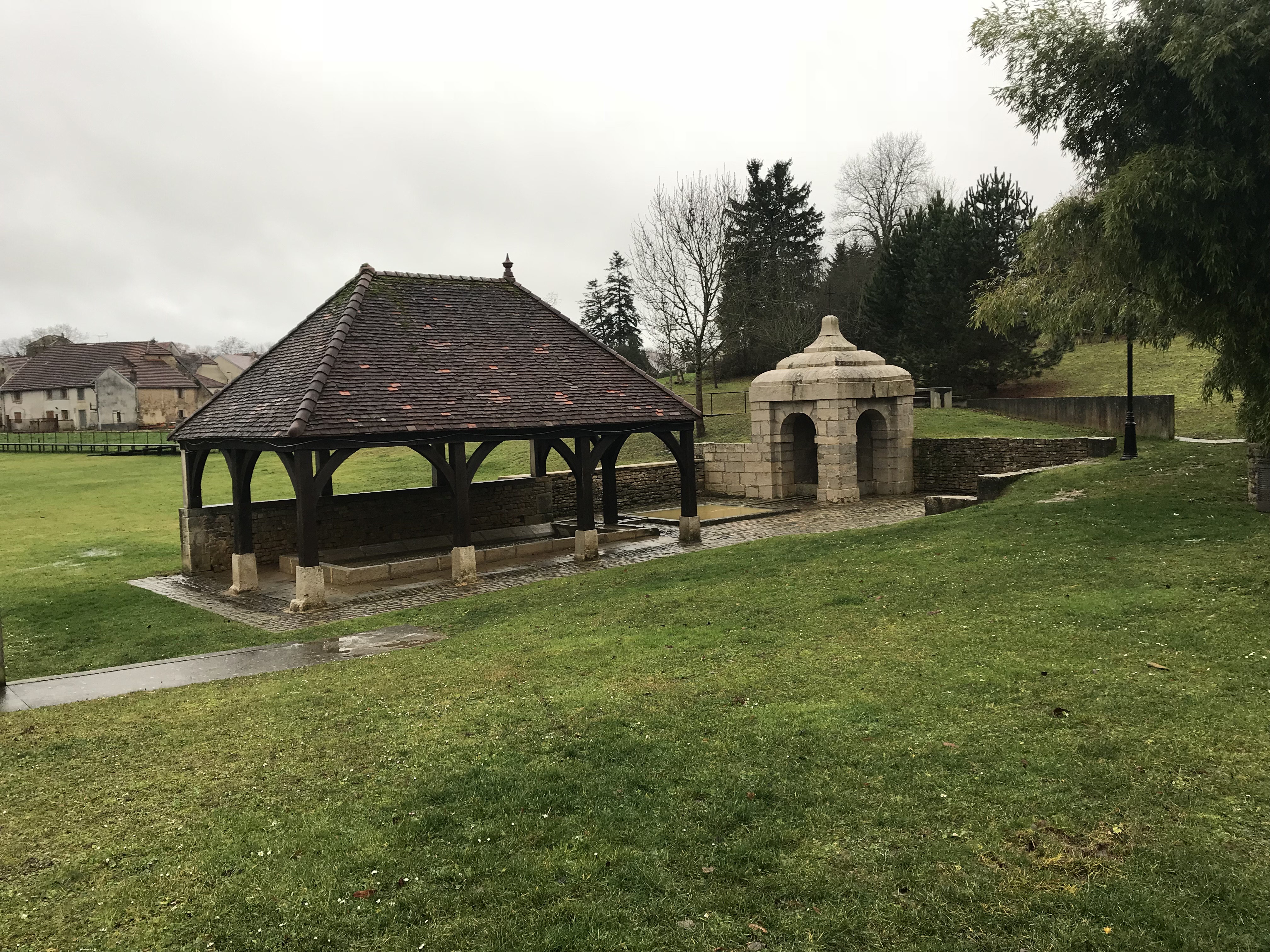
The Fontaine du Lavoir (literally “the washing‑place fountain”) sits in the small hamlet of Orchamps, a part of the commune of Sermange in the Doubs department. Though its exact height and altitude remain undocumented, the fountain’s stone basin and simple stone arch are characteristic of rural French lavatories built in the 19th century to serve villagers who needed a communal place for washing clothes and fetching water.
Historical Roots
While detailed records are scarce, fountains like the Fontaine du Lavoir were essential to daily life before modern plumbing. They acted as social hubs where women gathered to wash linens, exchange news, and reinforce community bonds. The name “lavoir” itself points to this historic function. Over the decades, the fountain has been preserved as a cultural landmark, reminding visitors of the region’s agrarian past and the timeless importance of water in French rural life.
Why It Matters
- Cultural heritage – The fountain is a living reminder of the traditional “lavoir” system that shaped daily routines in Franche‑Comté.
- Architectural simplicity – Its stone construction showcases the modest, functional design typical of 19th‑century public works in the French countryside.
- Scenic setting – Nestled among gentle fields and forest patches, the fountain offers a picturesque backdrop for photography, sketching, or simply a quiet moment of contemplation.
For a deeper dive into its background, you can consult the French‑language Wikipedia entry: Fontaine du lavoir de Sermange.
How to Get There
By Car
- From Besançon (the regional capital): Take the D437 south toward Sermange. After about 30 km, follow the signs for Orchamps. Parking is limited, so aim for the small lay‑by near the village centre and walk the final 200 m to the fountain.
- From Montbéliard: Head west on the A36, exit at Besançon‑Ouest, then follow the N83 and D437. The drive takes roughly 45 minutes.
By Public Transport
- Train: The nearest SNCF station is Besançon-Viotte. From there, catch a regional TER train to Morteau (about a 1‑hour ride).
- Bus: The Réseau Haute‑Doubs line 72 runs from Morteau to Sermange several times daily. Get off at the Orchamps stop; the fountain is a short walk uphill.
Walking & Cycling
The area is popular with cyclists exploring the Doubs river valley. A scenic 12‑km loop from Sermange passes the fountain, offering gentle climbs and rewarding views of the surrounding farmland.
Best Time to Visit
| Season | Why Visit | Tips |
|---|---|---|
| Spring (April‑June) | Blossoming wildflowers, mild temperatures, and the fountain’s water flow is at its freshest. | Bring a light jacket; early mornings are less crowded. |
| Summer (July‑August) | Long daylight hours for photography, perfect for picnics on the nearby meadow. | Pack sunscreen and plenty of water—heat can be intense inland. |
| Autumn (September‑October) | Golden foliage, crisp air, and fewer tourists. The fountain’s stone glows in the low autumn light. | Ideal for sunrise shots; check weather forecasts for rain. |
| Winter (November‑March) | A quiet, almost mystical scene when the surrounding fields are frosted. | The fountain may be partially frozen; dress warmly and watch for icy paths. |
Overall, late spring to early autumn provides the most comfortable conditions for a leisurely visit.
What to Expect
- A tranquil atmosphere – Unlike larger tourist sites, the Fontaine du Lavoir is rarely crowded. You’ll hear only the soft murmur of water, birdsong, and distant farm activity.
- Scenic surroundings – The fountain sits amid open fields bordered by low woodlands. In spring, you’ll see lupines and poppies; in autumn, the hedgerows turn amber.
- Historical ambience – Imagine villagers of the 1800s gathering here. The stone basin still holds water, and the surrounding stones bear the patina of centuries.
- Photography opportunities – The fountain’s simple geometry makes for striking compositions, especially when framed by seasonal flora or a dramatic sky.
- Picnic potential – Bring a baguette, cheese, and a bottle of Jura wine for an authentic French countryside lunch. A nearby bench (or a portable blanket) offers a perfect spot to enjoy your meal while watching the water flow.
Nearby Attractions
While the Fontaine du Lavoir is the star of the day, the surrounding area offers several other charming fountains and natural sites that are perfect for a short walk or a quick drive.
- Fontaine de Sermange – Only 0.1 km away, this historic fountain shares a similar design and offers a complementary glimpse into the region’s water heritage.
- Fontaine des Auges – Located 2.7 km away, this stone fountain sits beside a small creek and is a favorite spot for local hikers.
- Fontaine d'Embrun – Also 2.7 km distant, this fountain is perched on a gentle hill, providing panoramic views of the Doubs valley.
- Local Springs – Two natural springs lie about 2.9 km from the Lavoir. While they lack Wikipedia pages, they are marked on local trail maps and offer fresh mountain water for adventurous walkers.
All of these sites can be reached on foot or by bike, making them ideal for a leisurely half‑day itinerary.
Travel Tips
- Bring cash – Small villages often accept only cash for parking or local cafés.
- Respect the site – The fountain is a protected heritage object. Avoid climbing on the stonework and keep the basin clean.
- Stay connected – Mobile reception can be spotty; download offline maps (e.g., Google Maps offline area or the IGN French topographic maps).
- Timing – Early mornings (sunrise) or late afternoons (golden hour) provide the best light for photography and the fewest visitors.
- Local cuisine – After visiting the fountain, try the nearby bouchon in Sermange for regional specialties like coq au vin or comté cheese.
- Weather watch – The Doubs region can experience sudden rain showers, especially in spring. Pack a lightweight rain jacket and waterproof shoes.
- Bike rentals – If you’re staying in Besançon, several bike‑share stations allow you to rent a road or hybrid bike for a day‑trip to Orchamps.
Bottom Line
The Fontaine du Lavoir may not appear on every travel brochure, but its quiet elegance, historical resonance, and idyllic setting make it a must‑see for anyone exploring Franche‑Comté’s rural heart. Combine a visit with nearby fountains, enjoy a picnic on the meadow, and let the gentle flow of water remind you why the French countryside has inspired poets, painters, and wanderers for centuries.
Pack your camera, lace up your walking shoes, and let the hidden charm of Orchamps’ fountain become a memorable highlight of your French adventure.
Keywords: Fontaine du Lavoir, fountain in Franche‑Comté, Orchamps travel, historic French fountain, things to do in Franche‑Comté, French countryside attractions, hidden gems France, rural tourism France, Doubs department, French heritage fountains.