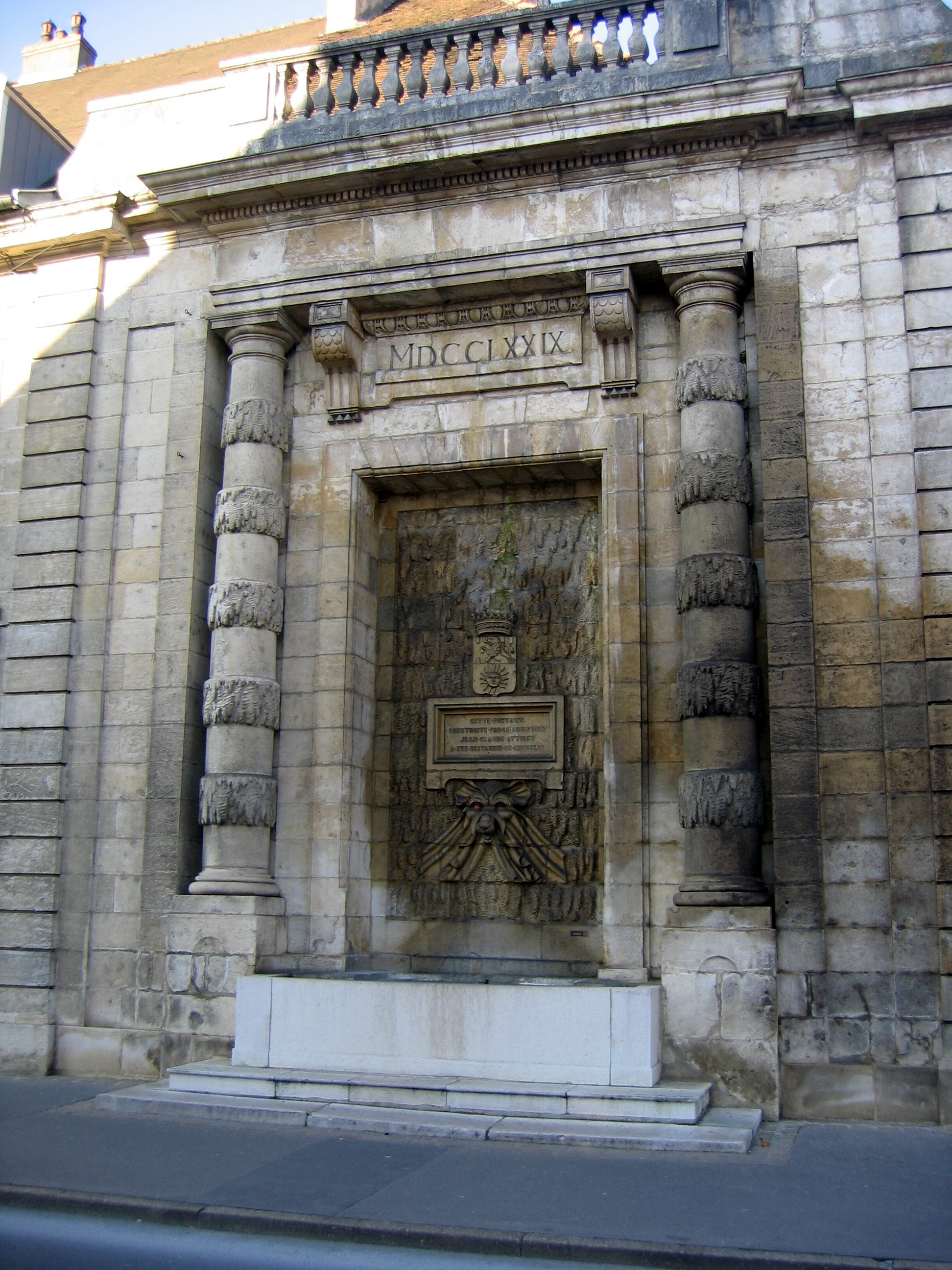
Fontaine Attiret – The Hidden Jewel of Dole, Franche‑Comté
Discover the charm of a historic French fountain that locals adore and travelers often overlook.
Introduction
If you think the romance of France is limited to Eiffel Tower selfies and lavender fields, think again. Nestled in the heart of Dole, a picturesque town in the Franche‑Comté region, lies a modest yet captivating piece of civic art: Fontaine Attiret. This 19th‑century fountain may not boast towering heights or elaborate sculptures, but its quiet elegance, historic roots, and central location make it a perfect stop for anyone exploring the Jura‑rich landscape of eastern France. Whether you’re a history buff, a photography enthusiast, or simply strolling through Dole’s charming streets, Fontaine Attiret offers a slice of authentic French life that’s both Instagram‑worthy and deeply rooted in local heritage.
About Fontaine Attiret
A Brief Description
- Name: Fontaine Attiret
- Type: Public fountain ⛲
- Location: Place de la Fontaine, Dole, Franche‑Comté, France
- Coordinates: 47.091840 N, 5.492077 E
The fountain sits at the intersection of Dole’s historic center, surrounded by stone façades, boutique cafés, and the gentle hum of daily town life. While the exact height and altitude remain undocumented, the structure’s modest size blends seamlessly with the surrounding architecture, allowing visitors to appreciate its details up close.
Historical Background
Fontaine Attiret was erected in the 19th century during a wave of urban improvement projects across French municipalities. Named after the local benefactor Jean‑Baptiste Attiret, a notable figure in Dole’s civic development, the fountain originally served both a practical and ornamental purpose: supplying fresh water to townspeople while embellishing the square with a touch of neoclassical style. Over the decades, it has witnessed the evolution of Dole—from the bustling market days of the 1800s to the modern tourism hub it is today—yet it has retained its original stone basin and modest water jets, a testament to the town’s respect for its heritage.
Cultural Significance
For locals, Fontaine Attiret is more than a decorative element; it is a meeting point, a landmark for directions, and a symbol of Dole’s commitment to preserving its historical identity. The fountain often features in community events, from seasonal festivals to outdoor concerts, and its gentle murmurs provide a soothing backdrop to the town’s lively streets. Visitors who pause to listen can hear the faint echo of centuries of conversation, commerce, and celebration—a subtle reminder that history lives not only in museums but also in everyday public spaces.
How to Get There
By Train
The Dole‑Jura railway station (Gare de Dole) is a major stop on the high‑speed TGV line connecting Paris to Geneva. From the station, Fontaine Attiret is a pleasant 10‑minute walk (≈800 m). Exit the station onto Place de la Gare, head south on Rue du 8 Mai, then turn left onto Rue de la République. The fountain sits just off the main square, marked by a small plaque indicating its name.
By Car
If you’re driving through the Jura region, take the A39 autoroute (Autoroute du Bassin) and exit at Dole‑Centre. Parking options include the underground Parking Saint‑Claude (1 km from the fountain) or the free street‑parking zones along Rue de la République. From any central parking spot, the walk to Fontaine Attiret is straightforward—just follow the signs toward the historic center.
By Bus
Local bus line C2 (Dole – Besançon) stops at Place de la Fontaine, directly in front of the fountain. The bus runs every 20 minutes on weekdays and every 30 minutes on weekends, making it an easy, eco‑friendly way to reach the site.
On Foot or Bike
Dole’s compact old town is perfect for pedestrians and cyclists. The EuroVelo 6 cycling route passes near the fountain, and the city’s bike‑share program (Vélopop) offers stations within a five‑minute ride. Strolling through the cobblestone lanes, you’ll encounter charming shops, cafés, and historic buildings that set the perfect backdrop for a leisurely visit to Fontaine Attiret.
Best Time to Visit
Spring (April–June)
The gardens surrounding the fountain burst into color, and the weather is mild—ideal for sitting on a nearby bench with a coffee and people‑watching. Spring festivals often use the square as a venue, adding music and local crafts to the atmosphere.
Summer (July–August)
Long daylight hours mean you can enjoy the fountain well into the evening. The water jets sparkle under the setting sun, and the nearby cafés extend their terraces, creating a vibrant, lively scene. Be prepared for occasional crowds, especially on weekends.
Autumn (September–October)
Cooler temperatures and golden foliage make for a picturesque setting. The fountain’s stone glows warmly against the amber leaves, and the tourist flow eases, offering a more tranquil experience.
Winter (November–March)
While the fountain may be turned off during the coldest months, the surrounding historic architecture takes on a cozy, festive charm. The nearby market square often hosts a traditional Christmas market, allowing you to enjoy mulled wine while admiring the fountain’s stone silhouette against twinkling lights.
What to Expect
- A Quiet Urban Oasis: Unlike the bustling tourist hotspots of Paris, Fontaine Attiret offers a calm, reflective space where you can hear the soft splash of water and the chatter of locals.
- Photographic Opportunities: Capture the fountain’s stone details framed by historic façades, or experiment with long‑exposure shots of the water at night.
- Café Culture: A handful of cafés line the adjacent streets—perfect for a croissant, espresso, or a glass of Jura wine while you soak in the ambience.
- Historical Context: Look for the bronze plaque on the fountain’s base; it provides a concise history and honors Jean‑Baptiste Attiret.
- Accessibility: The fountain is situated on a flat, paved square, making it wheelchair‑friendly and easy to navigate with strollers or luggage.
Nearby Attractions
While you’re in the vicinity of Fontaine Attiret, consider extending your itinerary to include these nearby points of interest, all within a short walk:
| Attraction | Distance | Description |
|---|---|---|
| Fontaine des Lépreux | 0.2 km | A historic fountain dedicated to the medieval lepers’ guild, featuring a modest stone basin and an informative plaque. |
| Place du Marché | 0.0 km | The bustling market square where local vendors sell fresh produce, cheese, and Jura wines. |
| Dole Cathedral (Cathédrale Saint‑Bénigne) | 0.3 km | A stunning Romanesque‑Gothic cathedral with intricate stained‑glass windows and a rich religious heritage. |
| Musée des Beaux‑Arts de Dole | 0.5 km | An art museum housing works from the 15th to 20th centuries, including pieces by local Jura artists. |
| Jura River Promenade | 0.6 km | A scenic riverside walk perfect for sunset views and photo ops of Dole’s historic bridges. |
All attractions are reachable on foot, allowing you to explore Dole’s cultural core without the need for additional transport.
Travel Tips
- Check Fountain Operation Times – During winter, the water may be turned off for maintenance. Look for signage or ask a local shopkeeper for the current schedule.
- Carry Cash for Small Purchases – While most cafés accept cards, some market stalls and souvenir vendors still prefer cash (euros).
- Dress for the Weather – Dole’s climate can shift quickly, especially in spring and autumn. A light jacket and comfortable walking shoes are advisable.
- Use a Local SIM or Offline Maps – The coordinates (47.091840, 5.492077) are handy for GPS navigation, but cellular coverage can be spotty in narrow alleys.
- Respect Local Customs – The fountain is a public space; avoid climbing on the stonework and keep noise levels moderate, especially during early mornings or late evenings.
- Plan a Café Break – The nearby Café de la Place offers a terrace with free Wi‑Fi—a great spot to recharge both your phone and yourself.
- Visit During a Festival – Dole hosts several cultural festivals (e.g., Fête du Jura in June). The fountain area often becomes a lively stage for music and street performances, enriching your experience.
Final Thought
Fontaine Attiret may not be the most famous monument in France, but its understated charm, historical roots, and central location make it an essential stop for anyone seeking an authentic taste of Franche‑Comté life. Pair it with a leisurely stroll through Dole’s historic streets, a bite of local cheese, and perhaps a glass of Vin Jaune, and you’ll leave with a memory that’s as refreshing as the fountain’s own waters.
Ready to add a hidden French gem to your itinerary? Pack your camera, slip on comfortable shoes, and let Fontaine Attiret welcome you to the heart of Dole.