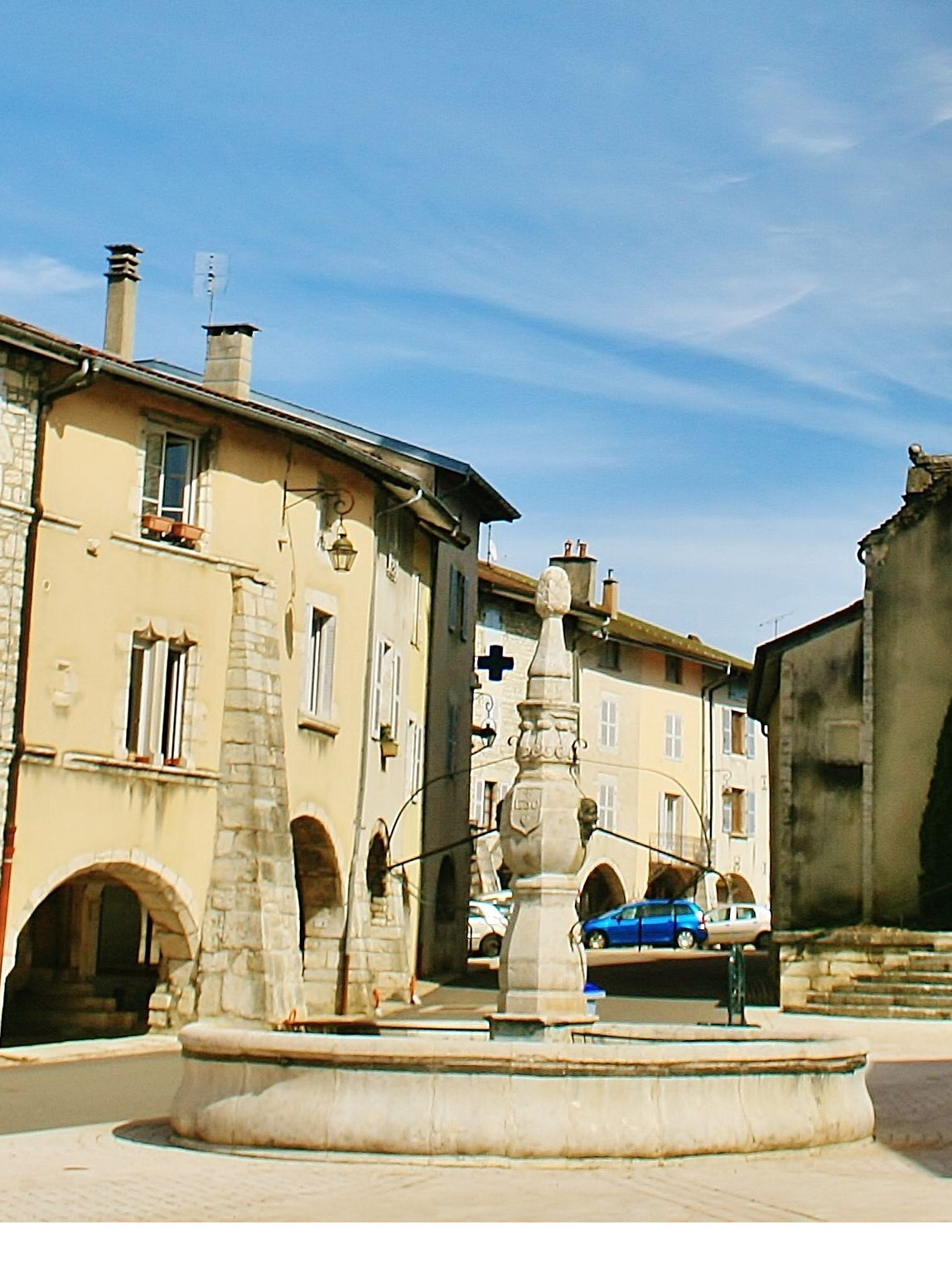
Fontaine – The Charming Village Fountain of Arinthod, Franche‑Comté
Discover the quiet allure of a historic French fountain tucked away in the heart of the Jura countryside.
Introduction
If you picture the quintessential French countryside, you might imagine rolling vineyards, stone farmhouses, and the gentle sound of water bubbling from a centuries‑old stone basin. In the small commune of Arinthod, nestled in the Franche‑Comté region of eastern France, that picture comes to life at the Fontaine d’Arinthod – a modest yet captivating fountain that has been quenching the thirst of locals and travelers alike for generations. Whether you’re a road‑trip enthusiast, a history buff, or simply a lover of tranquil water features, this hidden gem offers a perfect pause on your French adventure.
About Fontaine
A Brief Description
The Fontaine (French for “fountain”) stands at the crossroads of Arinthod’s historic centre, marked by a simple stone basin fed by a subterranean spring. While its exact height and altitude remain undocumented, the fountain’s modest dimensions are typical of rural French water sources that date back to the medieval period. Its stonework, weathered by centuries of rain and sunshine, blends seamlessly with the surrounding cobblestones, creating a timeless tableau that feels both lived‑in and lovingly preserved.
Historical Roots
Although specific archival records for this particular fountain are scarce, fountains like the one in Arinthod historically served several vital roles:
- Practical: Providing fresh drinking water for villagers, livestock, and passing travelers before the advent of modern plumbing.
- Social: Acting as a communal gathering spot where news, gossip, and market information were exchanged.
- Symbolic: Representing the lifeblood of the community, often celebrated in local festivals and religious processions.
The Fontaine d’Arinthod is no exception. Its presence in the village’s layout hints at a longstanding relationship between the water source and the daily rhythm of Arinthod’s residents. The fountain’s continued operation today is a testament to the community’s dedication to preserving its heritage.
Cultural Significance
In the broader context of Franche‑Comté, fountains are more than decorative features; they are cultural landmarks that echo the region’s agrarian past. The Jura mountains, with their abundant springs, gave rise to a network of stone fountains that dotted villages and hamlets. Visiting the Fontaine allows travelers to step into that historic network and experience a piece of living history that still serves its original purpose.
How to Get There
By Car
- From Besançon (regional capital): Take the A36 motorway eastward toward Dole, then follow the D437 road north for about 30 km. Turn onto D1085 heading south to Arinthod. The fountain is located near the centre of the village, just a short walk from the Mairie (town hall).
- From Dijon: Travel west on the A38, then switch to the A36 toward Mulhouse. Exit at D1085 toward Arinthod. Parking is available in the small municipal lot adjacent to the town hall.
By Public Transport
- Train: The nearest SNCF station is Dole‑Jura, approximately 15 km away. From Dole, catch a regional TER bus (line X) to Arinthod; the journey takes around 30 minutes.
- Bus: Local bus routes (e.g., Ardenne‑Jura line) stop at the Arinthod village centre, a few minutes’ walk from the fountain.
By Bike or On Foot
The Jura countryside is criss‑crossed with well‑marked cycling paths. If you’re exploring the Franche‑Comté region by bike, the EuroVelo 6 route passes within a few kilometres of Arinthod, offering a scenic detour to the fountain.
Best Time to Visit
Spring (April–June)
The surrounding fields burst into a kaleidoscope of wildflowers, and the fountain’s water flow is at its freshest after the winter melt. Mild temperatures make strolling through the village especially pleasant.
Summer (July–August)
Long daylight hours allow for leisurely exploration. While temperatures can rise, the fountain’s cool mist offers a refreshing respite. Keep an eye on local festivals—summer often brings fête du village, where the fountain may serve as a focal point for celebrations.
Autumn (September–October)
Golden foliage frames the stone basin, creating photogenic scenes. The harvest season brings local markets to the village square, where you can sample Comté cheese and Jura wines while admiring the fountain.
Winter (November–March)
Although the fountain may be partially frozen, the quiet, snow‑capped village provides a magical, almost fairy‑tale atmosphere. It’s an ideal time for photographers seeking serene, low‑light shots.
Overall recommendation: Aim for late spring or early autumn to enjoy comfortable weather, vibrant scenery, and fewer crowds.
What to Expect
Visual Experience
Approaching the Fontaine, you’ll notice its rugged stone basin set against a backdrop of historic timber‑framed houses. Water gently cascades from a modest spout, creating a soft, rhythmic sound that blends with the rustle of nearby trees. Sunlight often catches the water droplets, producing a subtle sparkle that adds a touch of elegance to the otherwise humble structure.
Sensory Highlights
- Sound: The gentle murmur of flowing water provides a soothing soundtrack, perfect for a moment of meditation or a quick photo break.
- Taste: If you’re lucky, local vendors may offer a glass of fresh spring water drawn directly from the fountain—an authentic taste of the Jura’s natural purity.
- Smell: The surrounding garden beds, often planted with lavender or rosemary by the villagers, lend a faint aromatic breeze that mingles with the cool mist.
Interaction
Feel free to sit on the low stone ledge, dip your hands into the cool water, or simply pause to watch children play nearby. The fountain remains a living community hub, so you may encounter locals sharing stories, tourists snapping photos, or a market stall offering regional snacks.
Nearby Attractions
While the Fontaine d’Arinthod is the star of the show, the surrounding area boasts several charming sights within walking distance:
| Distance | Attraction | Description | Link |
|---|---|---|---|
| 0.1 km | Fountain #1 | Another historic stone fountain, often used during local celebrations. | Visit Fountain #1 |
| 0.1 km | Fountain #2 | A smaller basin tucked behind the town hall, featuring intricate carvings. | Visit Fountain #2 |
| 0.2 km | Fountain #3 | Known for its decorative ironwork and a nearby café terrace. | Visit Fountain #3 |
| 0.2 km | Fountain #4 | A picturesque spot favored by photographers for sunrise shots. | Visit Fountain #4 |
| 0.5 km | Fountain #5 | Set in a tranquil garden, this fountain is surrounded by local flora. | Visit Fountain #5 |
Tip: All these fountains are part of a “Fountain Trail” that the Arinthod tourism office promotes. Grab a map at the Mairie and enjoy a leisurely stroll linking each water feature.
Other Points of Interest
- Église Saint‑Léger: A 12th‑century Romanesque church just a few minutes from the fountain.
- Parc de la Ville: A small public park with picnic tables, perfect for a lunch break after exploring the fountains.
- Local Artisan Shops: Browse handmade pottery, cheese, and Jura honey in the village’s boutique stores.
Travel Tips
| Tip | Details |
|---|---|
| Bring Comfortable Shoes | Cobblestone streets can be uneven; sturdy walking shoes will keep you comfortable. |
| Carry a Reusable Water Bottle | You can refill it from the fountain (if locals allow) – a sustainable way to stay hydrated. |
| Check Opening Hours of Nearby Attractions | While the fountain is always accessible, the church and museums may have limited hours. |
| Learn a Few French Phrases | Simple greetings like “Bonjour” and “Merci” go a long way with the friendly locals. |
| Seasonal Packing | Spring/autumn layers are essential; summer may require a hat and sunscreen, winter a warm coat. |
| Cash for Small Purchases | Many village stalls prefer cash, especially for local delicacies. |
| Photography Etiquette | Ask permission before photographing residents, especially children, to respect privacy. |
| Stay Connected | Mobile coverage is generally good in Arinthod, but consider offline maps for rural stretches. |
| Respect the Fountain | Do not climb on the stone basin or litter; preserving the site ensures future visitors can enjoy it. |
| Explore on Foot | The best way to soak in the atmosphere is to wander the narrow lanes at a relaxed pace. |
Final Thoughts
The Fontaine d’Arinthod may not boast the grandeur of Parisian monuments, but its quiet charm embodies the soul of Franche‑Comté—a region where history, nature, and community flow together like the water from its stone spout. A visit to this humble fountain offers more than a photo opportunity; it provides a genuine connection to the rhythms of rural French life. So pack your camera, slip on those walking shoes, and let the gentle splash of the Fontaine guide you into the heart of the Jura countryside.
Happy travels, and may the waters of Arinthod refresh both your spirit and your wanderlust!