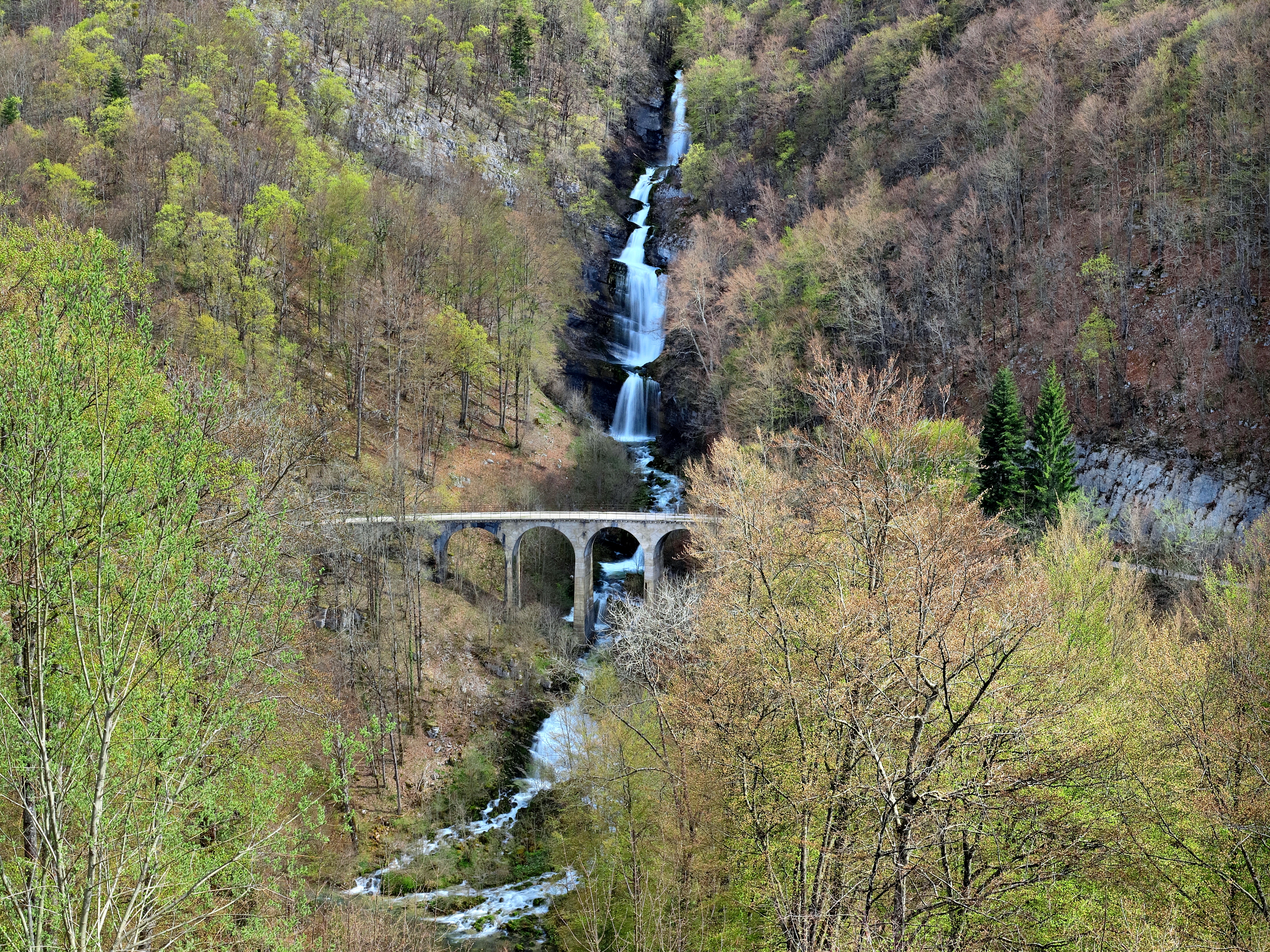
Cascade du Bief de la Ruine – A Hidden Waterfall Gem in Franche‑Comté, France
Discover the tranquil beauty of the Cascade du Bief de la Ruine, a lesser‑known waterfall nestled in the Jura‑type landscape of Morbier, Franche‑Comté. Perfect for hikers, photographers, and anyone craving a quiet escape into nature.
1. Introduction
If you think you’ve seen every waterfall France has to offer, think again. Tucked away in the rolling hills of the Jura department, the Cascade du Bief de la Ruine whispers a promise of pristine water, moss‑draped rocks, and panoramic forest views. Unlike the crowded cascades of the Alps, this waterfall remains a secret favorite among locals—making it an ideal spot for travelers who love off‑the‑beaten‑path adventures. In this guide, we’ll explore everything you need to know to experience this hidden treasure, from getting there to the best time to visit and nearby attractions that can round out a perfect day in Franche‑Comté.
2. About Cascade du Bief de la Ruine
What Is It?
The Cascade du Bief de la Ruine (French for “Ruine Stream Waterfall”) is a natural waterfall on the Bief de la Ruine stream, located just outside the charming village of Morbier in the Franche‑Comté region of eastern France. The waterfall sits at the coordinates 46.649273 N, 6.024763 E, and while its exact height has never been officially recorded, the cascade creates a lively, frothy plunge that feeds the surrounding woodland streams.
History & Significance
Although there is limited documented history, the waterfall has long been part of the local landscape that shaped Morbier’s agricultural and cultural identity. The Jura region is renowned for its cheese (Morbier, Comté), forestry, and water-powered mills. Small streams like the Bief de la Ruine historically powered water wheels and contributed to the rural economy. Today, the cascade serves as a quiet reminder of that heritage, offering a natural sanctuary for hikers and nature lovers alike.
Why It Matters
- Ecological Value – The cascade supports a micro‑habitat for aquatic insects, amphibians, and mosses that thrive in the cool, oxygen‑rich water.
- Scenic Appeal – Surrounded by mixed beech‑oak forest, the waterfall provides a perfect backdrop for photography, especially when sunlight filters through the canopy.
- Cultural Connection – Visiting the cascade gives travelers a glimpse into the everyday natural environment that has shaped the traditions of Franche‑Comté for centuries.
For a quick reference, you can read the French Wikipedia entry here: Cascade du Bief de la Ruine.
3. How to Get There
By Car
- From Besançon (the regional capital, ~45 km north): Take the A36 east toward Dijon, exit at N57 toward Morbier. Follow signs for Morbier and then look for the local road D437 that leads toward the waterfall.
- From Geneva (Swiss border, ~70 km south): Follow the A1 north to Belfort, then the A36 east to the N57 exit for Morbier.
Parking is available in a small municipal lot just outside the village center (approximately 5 minutes walk to the trailhead). The lot is free but fills quickly on sunny weekends, so arriving early is advisable.
By Public Transport
- Train – The nearest SNCF station is Morbier‑Les-Bains, served by TER Bourgogne‑Franche‑Comté regional trains from Besançon, Dijon, and Lons-le-Saunier.
- Bus – Local bus line C2 connects Morbier with the surrounding villages. Check the latest schedule on the Franche‑Comté transport website.
From the station, a short 10‑minute walk or a quick local taxi ride brings you to the trailhead.
Trailhead & Navigation
- Starting Point: Look for the sign “Sentier du Bief de la Ruine” near the municipal parking area.
- Coordinates: 46.649273 N, 6.024763 E – you can paste these into any GPS or smartphone map app for precise navigation.
- Trail Length: Approximately 1.2 km (round‑trip) of gentle forest paths, suitable for all fitness levels.
Make sure to wear sturdy walking shoes, as the trail includes some uneven, moss‑covered sections near the water.
4. Best Time to Visit
| Season | Conditions | Why Visit |
|---|---|---|
| Spring (April‑June) | Water flow is at its strongest after snowmelt; wildflowers bloom along the trail. | Ideal for photographers chasing vibrant colors and lively cascades. |
| Summer (July‑August) | Warm temperatures, longer daylight hours. | Perfect for a leisurely hike combined with a picnic near the stream. |
| Autumn (September‑October) | Leaves turn golden‑red, creating a dramatic backdrop; water level moderates. | Great for atmospheric shots and quieter trails. |
| Winter (November‑March) | Water may be reduced; occasional frost adds a magical icy sheen. | For the adventurous, a winter walk offers solitude, but check weather and trail safety. |
Peak visitor months are May and September, when the weather is mild and the scenery is at its most photogenic. Arriving early in the morning helps you beat any crowds and capture the soft, golden light.
5. What to Expect
The Walk
The forested path to the cascade is well‑marked, winding through a mix of beech, oak, and pine. You’ll hear the gentle murmur of the Bief de la Ruine long before you see it, a soothing soundtrack that grows louder as you approach the falls. The trail is relatively flat, with a few short, rocky sections that add a touch of adventure without being strenuous.
The Waterfall
When you reach the Cascade du Bief de la Ruine, you’ll find a modest but lively drop that creates a spray of mist—perfect for a quick cool‑down on a warm day. The pool at the base is shallow enough to wade in, but be mindful of slippery rocks. The surrounding mosses and lichens give the area a lush, emerald feel, and the sunlight filtering through the canopy creates a dappled pattern on the water’s surface.
Photography Tips
- Golden Hour (sunrise or late afternoon) provides warm tones and soft shadows.
- Use a polarizing filter to reduce glare on the water and bring out the green foliage.
- A tripod is handy for longer exposures that smooth the water’s motion, creating a silky effect.
Wildlife
Keep an eye out for kingfishers, dragonflies, and occasional frogs near the water’s edge. The forest is also home to deer and small mammals, though they are shy and usually spotted early in the morning.
6. Nearby Attractions
After you’ve soaked in the serenity of the cascade, extend your day with these nearby natural spots—all within a 1.5 km radius:
| Attraction | Distance | What to See | Link |
|---|---|---|---|
| Source du Bief de la Ruine (spring) | 0.4 km | The crystal‑clear spring that feeds the stream. Ideal for a quick photo stop. | — |
| Le Saut de la Pisse | 0.8 km | Another charming waterfall, slightly larger, set in a narrow gorge. | — |
| Unnamed Weir #1 | 1.0 km | Small historic weir that once powered a local mill. | — |
| Unnamed Weir #2 | 1.1 km | Similar to the first, offers a glimpse into the region’s water‑management past. | — |
| Local Fountain | 1.3 km | A rustic stone fountain often used by hikers for a refreshing drink. | — |
Tip: Pack a small snack and make a loop that visits the spring, the Saut de la Pisse, and the weirs. The entire circuit takes about 2 hours and showcases the varied hydrology of the area.
7. Travel Tips
| Tip | Details |
|---|---|
| Dress in layers | The Jura climate can shift quickly; bring a lightweight waterproof jacket. |
| Footwear | Waterproof hiking boots or sturdy trail shoes with good grip are essential on mossy rocks. |
| Stay hydrated | There are limited water sources on the trail; bring enough water, especially in summer. |
| Leave No Trace | Pack out all litter, stay on marked paths, and avoid disturbing the natural vegetation. |
| Timing | Arrive before 10 am in high season to enjoy the waterfall in peaceful solitude. |
| Safety | The pool at the base can be slippery; watch your step and keep children close. |
| Local cuisine | After your hike, stop at a Morbier café for the famous Morbier cheese and a glass of Vin Jaune. |
| Connectivity | Mobile signal is limited in the forest; download offline maps beforehand. |
| Parking | Free municipal parking fills quickly on weekends; consider taking the train if possible. |
| Photography | Bring extra batteries—cold mornings can drain them faster. |
Final Thoughts
The Cascade du Bief de la Ruine may not boast the towering heights of the Alps, but its quiet charm, lush surroundings, and authentic Jura atmosphere make it a must‑visit for anyone traveling through Franche‑Comté. Whether you’re a seasoned hiker, a nature photographer, or simply a traveler seeking a peaceful spot to unwind, this hidden waterfall offers a refreshing slice of French countryside that will stay with you long after you leave.
Pack your boots, charge your camera, and set your GPS to 46.649273, 6.024763—the Cascade du Bief de la Ruine is waiting to welcome you. Safe travels!