Fontaine Sainte‑Madeleine – A Hidden Gem in Hanvec, Brittany
Discover the quiet charm of a Breton fountain that has been quietly welcoming locals and travelers alike for generations.
Introduction
If you think the iconic landmarks of Brittany are limited to rugged coastlines, medieval castles, and the famed Carnac stones, think again. Tucked away in the peaceful commune of Hanvec lies Fontaine Sainte‑Madeleine, a modest yet enchanting fountain that captures the spirit of rural France. Whether you’re a seasoned road‑tripper chasing off‑the‑beaten‑path attractions, a history buff intrigued by centuries‑old stonework, or simply someone who enjoys a cool glass of water beside a centuries‑old basin, this fountain offers a moment of calm in a region famed for its dramatic scenery.
In this travel guide we’ll walk you through everything you need to know: the fountain’s story, how to reach it, the best time to visit, what you’ll experience on site, and a handful of nearby sights that make a day‑trip around Hanvec truly unforgettable. Let’s dive in!
About Fontaine Sainte‑Madeleine
A Brief Description
Fontaine Sainte‑Madeleine is a traditional Breton fountain located at the heart of Hanvec, a commune in the Finistère department of Brittany, France. Its exact coordinates are 48.324890, -4.156560, placing it within easy walking distance of the village’s main road. While the fountain’s height and altitude remain undocumented, its stone basin and carved stonework reflect the typical design of rural French fountains built during the 19th‑century public‑water movement.
Historical Roots
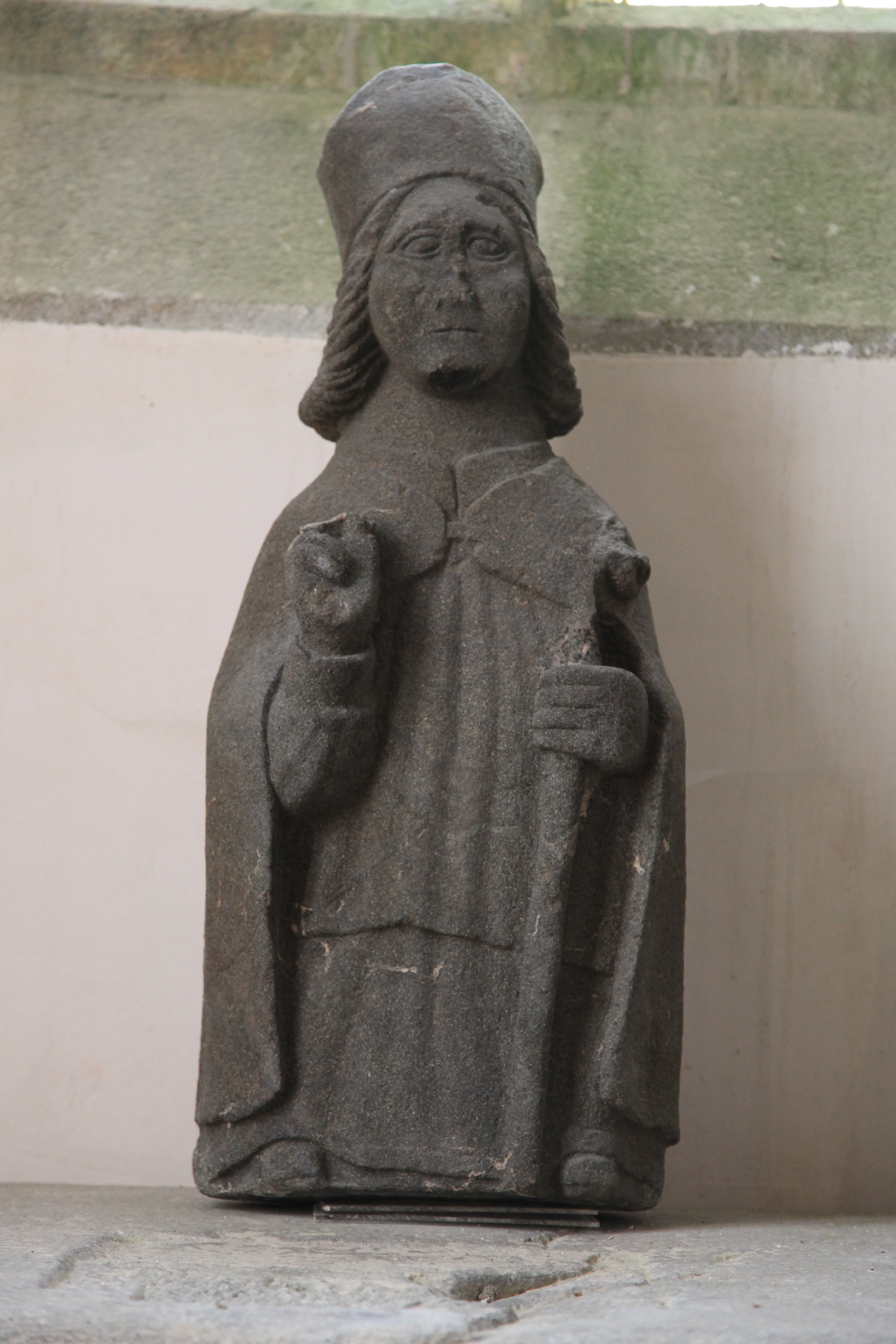
The fountain takes its name from Saint Madeleine, a revered figure in Christian tradition. In many Breton villages, fountains were erected not only to provide clean drinking water but also to serve as devotional sites where locals could pause for a moment of prayer. Though specific archival records for Fontaine Sainte‑Madeleine are scarce, its style suggests it was likely constructed during the era when French municipalities invested heavily in public water infrastructure—roughly between the 1800s and early 1900s.
Hanvec itself has a rich agricultural heritage, and fountains such as this were essential for livestock, irrigation, and daily life. Over the decades, the fountain has transitioned from a utilitarian source of water to a cultural landmark, symbolizing the continuity of community life in this quiet part of Brittany.
Why It Matters
- Cultural Identity: The fountain embodies the Breton tradition of blending practical architecture with spiritual symbolism.
- Local Pride: Residents of Hanvec maintain the fountain, ensuring it remains clean and functional—a testament to communal stewardship.
- Scenic Spot: Set against a backdrop of rolling fields and historic stone houses, the fountain offers a picturesque pause for photographers and wanderers alike.
How to Get There
By Air
The closest major airport is Rennes–Saint‑Jacques Airport (RNS), located about 55 km east of Hanvec. From the airport, you can rent a car or catch a regional train to Rennes and then transfer to a local bus or drive the remaining 30 km to Hanvec.
By Train
Hanvec is served by the SNCF TER Bretagne regional line. The nearest stations are:
- Hanvec‑Saint‑Malo (≈ 2 km from the fountain)
- Brest‑Gare (≈ 30 km north)
From either station, you can either walk (if you’re up for a short stroll) or take a local taxi. The walk from Hanvec‑Saint‑Malo station to the fountain takes roughly 20 minutes along well‑marked village streets.
By Car
Driving is the most flexible option. From Rennes, follow the N12 towards Brest, then take the D12 exit toward Hanvec. The journey takes about 1 hour 15 minutes. Parking is available on the small municipal lot near the village center—just a few minutes’ walk to the fountain.
By Bus
The Bretagne Bus network runs a line (Bus 13) connecting Rennes, Brest, and several intermediate villages, including Hanvec. Check the latest schedule on the Bretagne Mobilité website, as frequencies vary seasonally.
Best Time to Visit
Spring (April–June)
- Why: Blossoming hedgerows and mild temperatures make for pleasant walks. The fountain’s stone glistens after the frequent spring rains.
- Tip: Bring a light jacket; mornings can still be crisp.
Summer (July–August)
- Why: Long daylight hours allow for relaxed exploration of nearby attractions.
- Tip: Arrive early in the morning to avoid the occasional tourist rush and to enjoy the cooler air.
Autumn (September–October)
- Why: The surrounding fields turn golden, offering a photogenic backdrop.
- Tip: This is the ideal time for photographers seeking soft, golden‑hour lighting.
Winter (November–March)
- Why: While colder, the fountain takes on a serene, almost mystical quality when dusted with frost.
- Tip: Dress warmly and be prepared for shorter daylight hours.
Overall, late spring and early autumn provide the best balance of comfortable weather, fewer crowds, and vibrant scenery.
What to Expect
The Immediate Experience
Approaching the fountain, you’ll first notice the smooth, weather‑worn stone basin, often lined with moss that hints at centuries of use. A gentle trickle of water—still flowing thanks to the local water network—creates a soothing soundscape, perfect for a moment of reflection.
Photographic Highlights
- Close‑up Details: Capture the intricate carvings that may depict Saint Madeleine’s attributes (often a pot of ointment).
- Wide Shots: Frame the fountain against the surrounding stone cottages and the patchwork of fields beyond.
- Seasonal Variations: In autumn, the golden leaves provide a warm contrast; in winter, a thin veil of ice adds a magical touch.
Sensory Elements
- Sound: The soft murmur of water blends with distant farm sounds—birds, cattle, and the occasional church bell from the nearby Église Saint‑Pierre.
- Touch: If the water is accessible, you can dip your hands into the cool basin—a simple pleasure that locals have enjoyed for generations.
- Taste: Bring a reusable bottle; you can fill it with fresh, filtered water straight from the fountain (check local signage for any restrictions).
Nearby Attractions
Hanvec’s location makes it an excellent base for exploring a cluster of charming Breton fountains and historic sites—all within a short drive.
| Attraction | Distance | What to See |
|---|---|---|
| Fontaine Notre Dame | 2.6 km | A beautifully restored stone fountain dedicated to the Virgin Mary. |
| Fontaine Saint‑Paul | 4.4 km | Features a classic Breton basin and a small garden area. |
| Unnamed Fountain #1 | 2.1 km | A modest village fountain perfect for a quick photo stop. |
| Unnamed Fountain #2 | 3.5 km | Known locally for its historic plaque dating back to the 19th century. |
| Unnamed Fountain #3 | 3.7 km | Set near a scenic walking trail that winds through farmland. |
Bonus Stops
- Hanvec Town Hall (Mairie de Hanvec): A classic Breton municipal building showcasing local architecture.
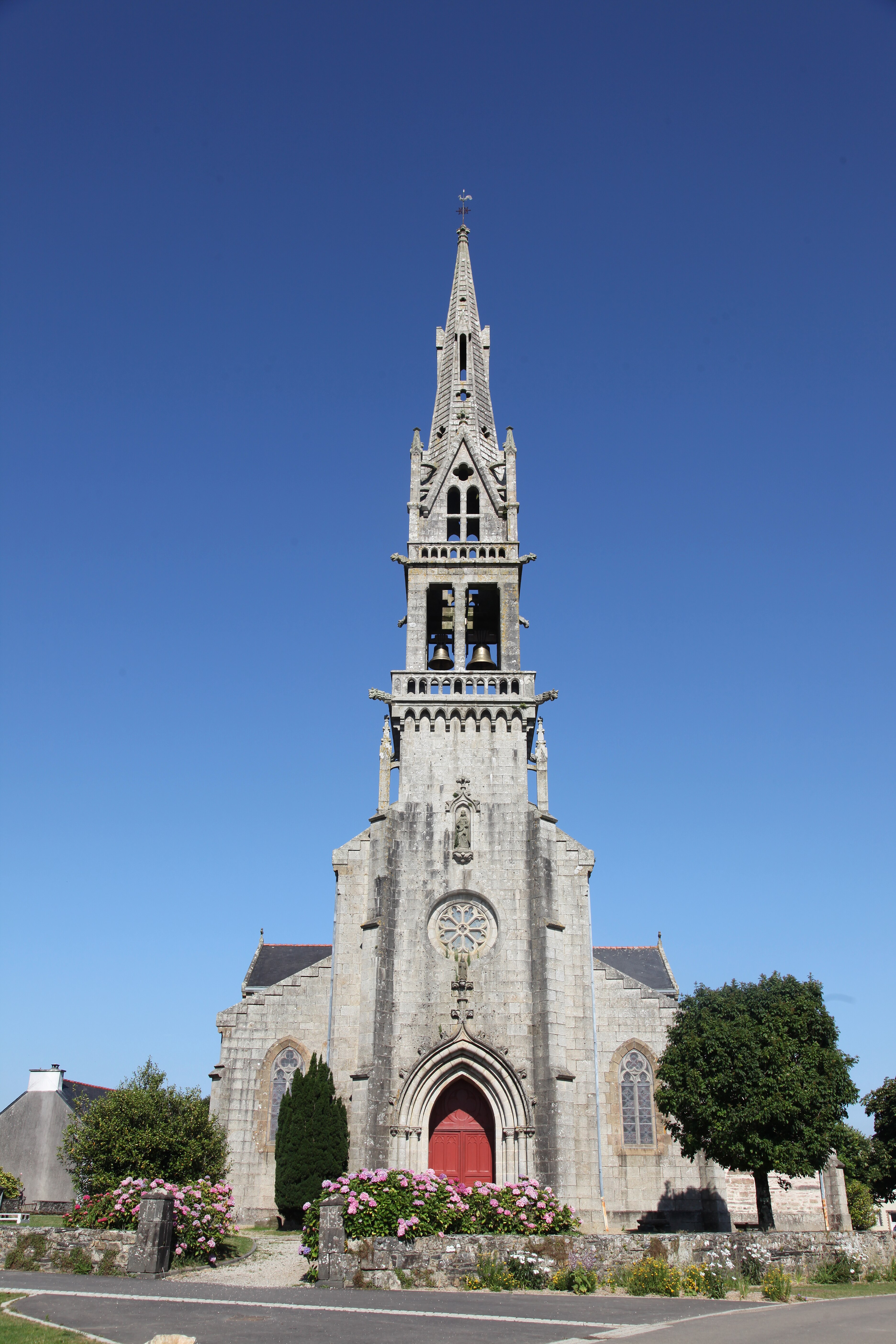
- Église Saint‑Pierre de Hanvec: A modest parish church with a striking bell tower, just a 5‑minute walk from the fountain.
- Parc Naturel Régional d’Armorique: If you have extra time, venture north to this protected natural park for hiking, wildlife spotting, and breathtaking coastal views.
Travel Tips
| Tip | Details |
|---|---|
| Bring Cash | Some smaller cafés and local shops in Hanvec accept only cash. |
| Wear Comfortable Shoes | Rural paths can be uneven; sturdy walking shoes will keep you comfortable. |
| Check Water Access | While the fountain is generally open, signage may indicate seasonal maintenance. |
| Respect Local Customs | It’s customary to leave a small offering (e.g., a flower) at historic fountains in Brittany. |
| Timing | Early mornings (7–9 am) provide the best light for photography and a quieter atmosphere. |
| Language | French is the primary language; a few Breton phrases (e.g., “Demat” for hello) are appreciated by locals. |
| Stay Connected | Mobile coverage is good in Hanvec, but consider downloading offline maps if you plan to wander off the main roads. |
| Parking | The municipal lot near the village center fills up quickly on weekends; arrive early or consider a short walk from the nearest street parking spot. |
| Weather Prep | Brittany weather can change quickly; pack a lightweight rain jacket even in summer. |
| Local Cuisine | Don’t miss the chance to try crêpes bretonnes at a nearby crêperie—perfect after a day of exploring fountains. |
Final Thoughts
Fontaine Sainte‑Madeleine may not appear on the typical “must‑see” list for Brittany, but that’s precisely what makes it special. It offers an authentic slice of French rural life, a tranquil spot to pause, and a gateway to a cluster of equally charming fountains and historic sites. By adding this hidden gem to your itinerary, you’ll experience a side of Brittany that many travelers overlook—one where stone, water, and community intertwine to create lasting memories.
Pack your camera, lace up your walking shoes, and set your GPS for 48.324890, -4.156560. The quiet elegance of Fontaine Sainte‑Madeleine awaits. Safe travels!