Fontaine Sainte‑Anne – A Hidden Gem in the Heart of Brittany
Discover the charm of a centuries‑old fountain nestled in the tranquil village of Plumelec, and learn how to make the most of your Brittany adventure.
1. Introduction
If you think Brittany’s allure is limited to rugged coastlines, medieval towns, and buttery crepes, think again. Tucked away amid the rolling green fields of Plumelec lies Fontaine Sainte‑Anne, a modest yet captivating stone fountain that has quietly witnessed the daily lives of locals for generations. Whether you’re a history buff, a photography enthusiast, or simply a traveler hunting off‑the‑beaten‑path treasures, this little water‑feature offers a perfect pause in an otherwise bustling itinerary.
“In the silence of the countryside, the sound of water from an ancient fountain feels like a conversation with the past.”
Ready to sip the history of Brittany? Let’s dive into everything you need to know about Fontaine Sainte‑Anne.
2. About Fontaine Sainte‑Anne
A Brief Description
- Location: Plumelec, Brittany, France
- Coordinates: 47.909935 N, ‑2.666175 E
- Type: Historic public fountain (fontaine)
- Height & Altitude: Not officially recorded (the structure rises modestly from the surrounding stone base)
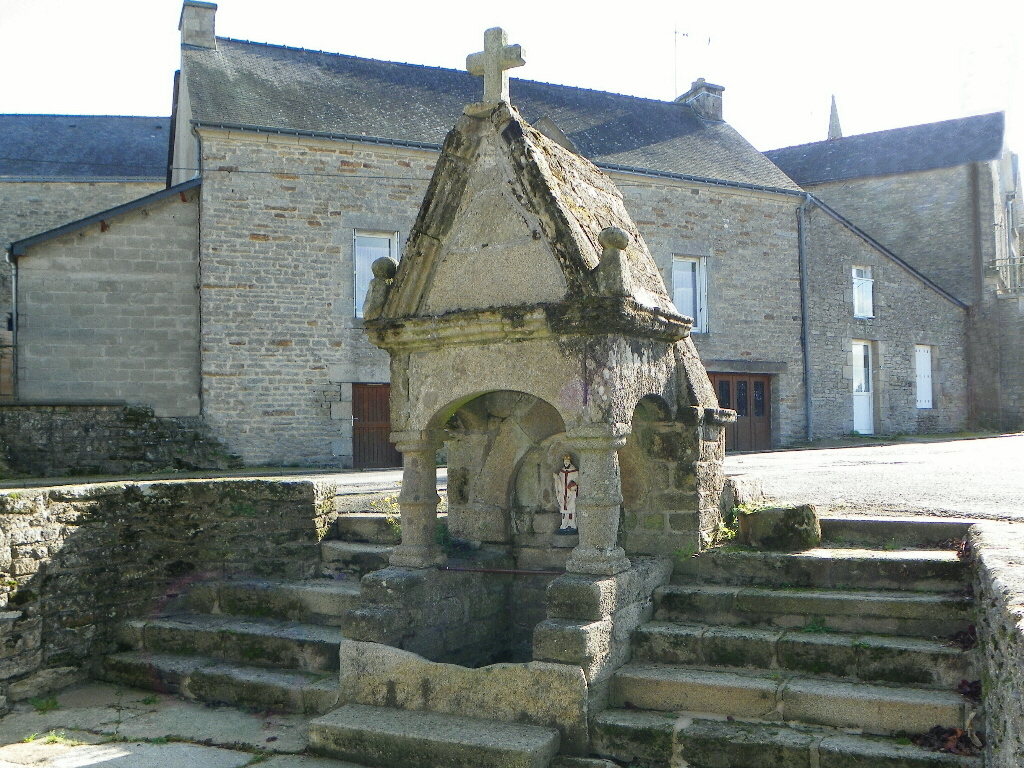
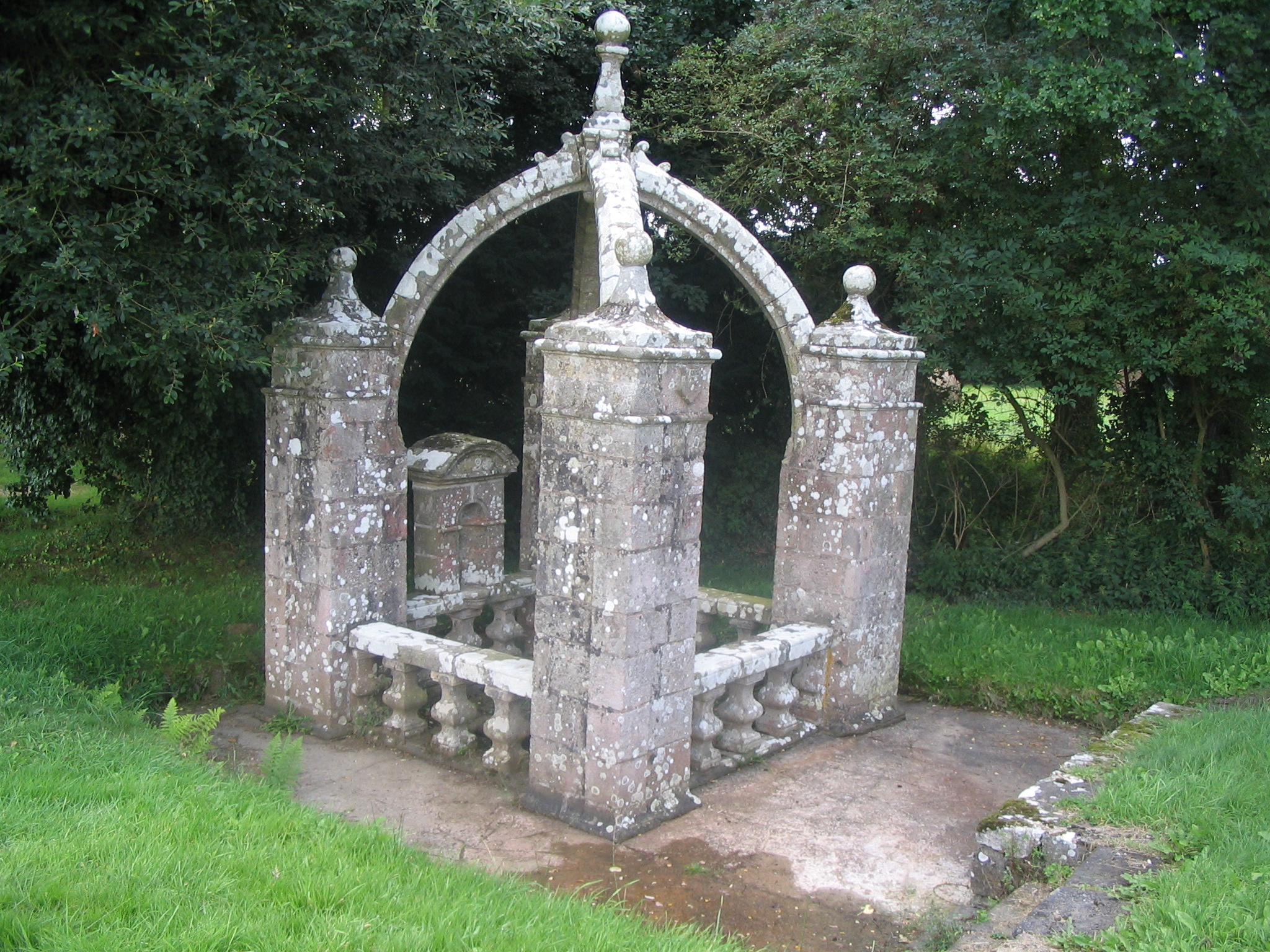
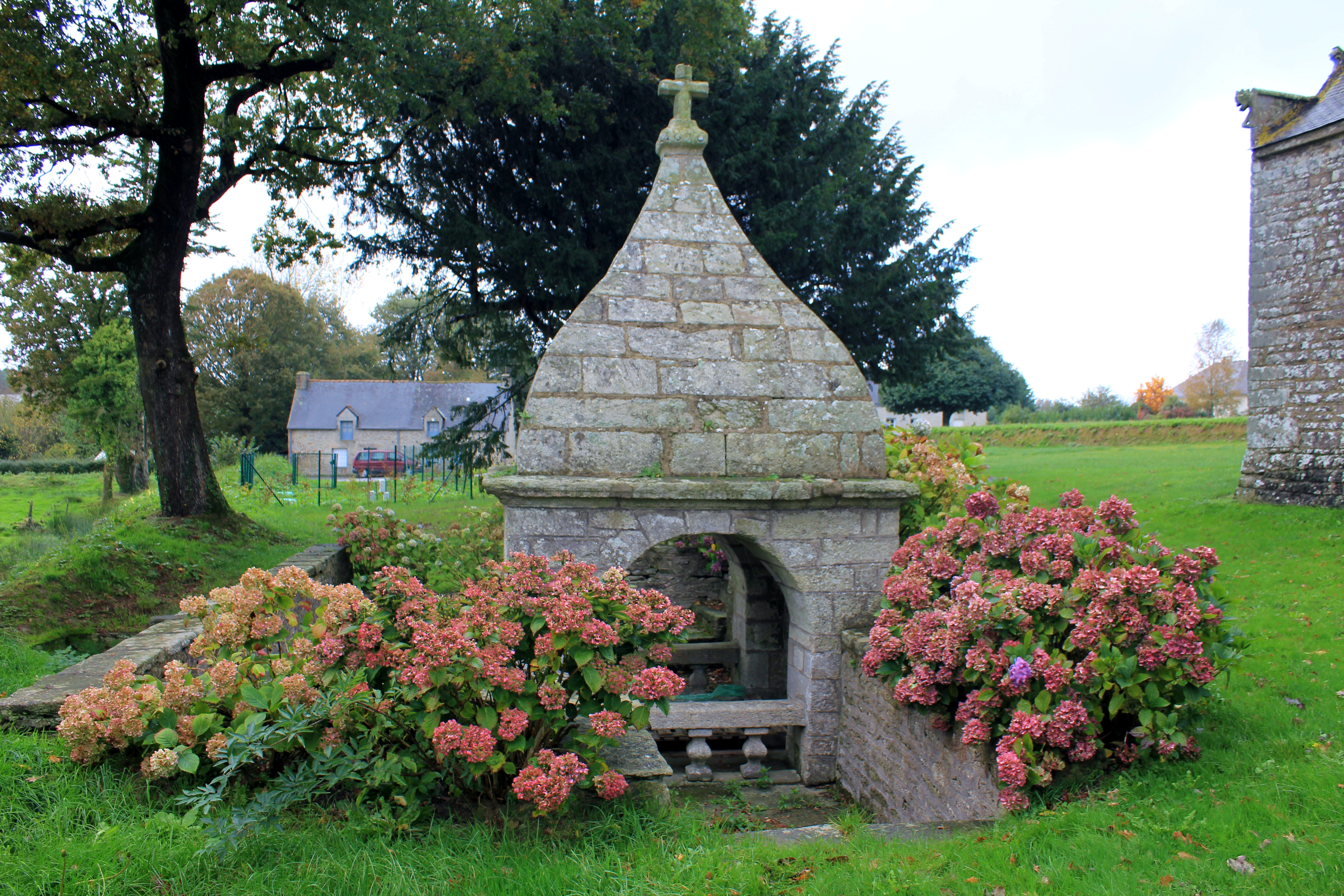
The fountain is built from local granite, a material that gives it a rugged, weather‑worn appearance that blends seamlessly with the Breton landscape. Its simple, rectangular basin is crowned by a stone spout that gently pours water into the basin below—an age‑old design that served both practical and symbolic purposes.
History & Significance
While the exact construction date of Fontaine Sainte‑Anne remains undocumented, the fountain is listed in regional heritage registers and is mentioned in the French Wikipedia entry for Fontaine Sainte‑Anne de Buléon. The name pays homage to Saint Anne, revered in Catholic tradition as the mother of the Virgin Mary and a patron saint of Brittany. Historically, communal fountains like this one were vital sources of fresh water for villagers, livestock, and travelers, making them social hubs where news, gossip, and prayers were exchanged.
In the modern era, Fontaine Sainte‑Anne stands as a cultural landmark that reflects the rural way of life that still thrives in Brittany. Its stone walls have absorbed centuries of weather, yet the fountain continues to flow, reminding visitors of the region’s enduring connection to its natural resources and spiritual heritage.
3. How to Get There
By Car
- From Rennes (the regional capital): Take the N12 westward toward Lorient, then exit onto the D777 toward Plumelec. The drive is roughly 80 km and takes about 1 hour 15 minutes.
- From Vannes: Follow the N165 toward Lorient, then switch to the D777 southbound. The distance is about 45 km, a 45‑minute journey.
Parking is available in a small municipal lot just a few minutes’ walk from the fountain. The lot is free, but it can fill up during local festivals, so arriving early is advisable.
By Public Transport
- Train: The nearest SNCF station is Plumelec‑Buzançais, served by TER Bretagne regional trains from Rennes and Vannes.
- Bus: Bus line 33 (Vannes ↔ Pontivy) stops at Plumelec. From the bus stop, it’s a pleasant 10‑minute walk along Rue de la Fontaine to the fountain.
Walking & Cycling
If you’re staying in a nearby village such as Buléon (about 5 km away) or Saint‑Brieuc‑de‑Plumelec, the route to Fontaine Sainte‑Anne is ideal for a leisurely bike ride or a scenic countryside stroll. The roads are quiet, and you’ll pass through fields of wheat, hedgerows, and traditional Breton stone houses.
4. Best Time to Visit
| Season | Weather | Why Visit |
|---|---|---|
| Spring (April‑June) | Mild temperatures (10‑18 °C), blooming wildflowers | The surrounding meadows burst into color, perfect for photography. |
| Summer (July‑August) | Warm (20‑25 °C), occasional rain | Longer daylight hours let you linger; however, bring a hat for midday sun. |
| Autumn (September‑October) | Cool (12‑17 °C), golden foliage | The fountain’s stone glows against the amber landscape—great for tranquil walks. |
| Winter (November‑March) | Cold (5‑10 °C), occasional frost | Fewer tourists, a quiet atmosphere; the water may be slower but still flows. |
Insider tip: Early mornings in spring or late afternoons in autumn provide the softest light for capturing the fountain’s texture.
5. What to Expect
Arriving at Fontaine Sainte‑Anne feels like stepping into a living postcard. The stone basin sits in a modest square framed by a low stone wall, with a few benches where locals often pause to rest. The gentle murmur of water creates a soothing backdrop, especially after a walk through the surrounding fields.
- Photographic moments: The contrast between the dark granite and the clear water, framed by the distant Breton hills, makes for striking images.
- Cultural vibe: You may encounter villagers refilling water jugs, children playing nearby, or an elderly couple sharing a quiet conversation—authentic slices of daily life.
- Quiet reflection: The fountain’s historic aura invites contemplation. Many travelers leave a small token (a flower or a coin) as a modest offering to Saint Anne.
Because the site is not heavily commercialized, there are no souvenir stalls or cafés directly on the square. However, a short walk brings you to the café du village where you can enjoy a cup of café au lait and a freshly baked galette while admiring the fountain from a distance.
6. Nearby Attractions
While Fontaine Sainte‑Anne is the star of the show, the surrounding area offers several other points of interest that can easily be combined into a day‑trip itinerary.
| Attraction | Type | Distance from Fountain | Link |
|---|---|---|---|
| Unnamed Fountain | Fountain | 5.3 km | More info |
| Unnamed Spring | Spring | 5.3 km | More info |
| Unnamed Fountain #2 | Fountain | 5.8 km | More info |
| Unnamed Dam | Dam | 5.9 km | More info |
| Fontaine‑lavoir Saint‑Brieuc | Historic washhouse/fountain | 6.3 km | More info |
Tip: The Fontaine‑lavoir Saint‑Brieuc is a beautifully restored 19th‑century washhouse that offers a glimpse into the communal laundry practices of rural Brittany. It’s a short drive from Fontaine Sainte‑Anne and makes an excellent addition to a cultural heritage tour.
7. Travel Tips
| Tip | Details |
|---|---|
| Dress for the weather | Breton weather can change quickly. Pack a light waterproof jacket and comfortable walking shoes. |
| Respect the site | As a historic public fountain, avoid climbing on the stonework and keep litter to a minimum. |
| Language | French is the primary language; a few Breton phrases (e.g., “Demat” for hello) are warmly received. |
| Cash | Small villages may have limited card facilities. Carry some euros for café stops or small purchases. |
| Timing | Arrive early (7‑8 am) in peak season to enjoy the fountain in tranquil solitude. |
| Photography | No restrictions, but be mindful of locals’ privacy—ask before taking close‑up portraits. |
| Parking | Free municipal lot is available, but spaces fill quickly on market days (Wednesday). |
| Nearby food | Try the local specialty crêpes bretonnes at the village bakery, just a 3‑minute walk from the fountain. |
| Connectivity | Mobile reception is generally good, but consider downloading offline maps if you plan to explore the countryside. |
Final Thoughts
Fontaine Sainte‑Anne may not boast the grandeur of Parisian monuments, but its quiet elegance encapsulates the soul of Brittany: history, nature, and community intertwined. A visit here offers a gentle reminder that some of the most memorable travel experiences come from the simplest places—a stone basin, a trickle of water, and the soft hum of everyday life.
So, when you map out your next trip to north‑west France, carve out a few hours for Plumelec’s hidden fountain. Bring a camera, a curious mind, and perhaps a small token for Saint Anne—she’ll be waiting, as she has for centuries, to welcome you with open arms and a refreshing splash.
Happy travels, and may the waters of Fontaine Sainte‑Anne quench your wanderlust!