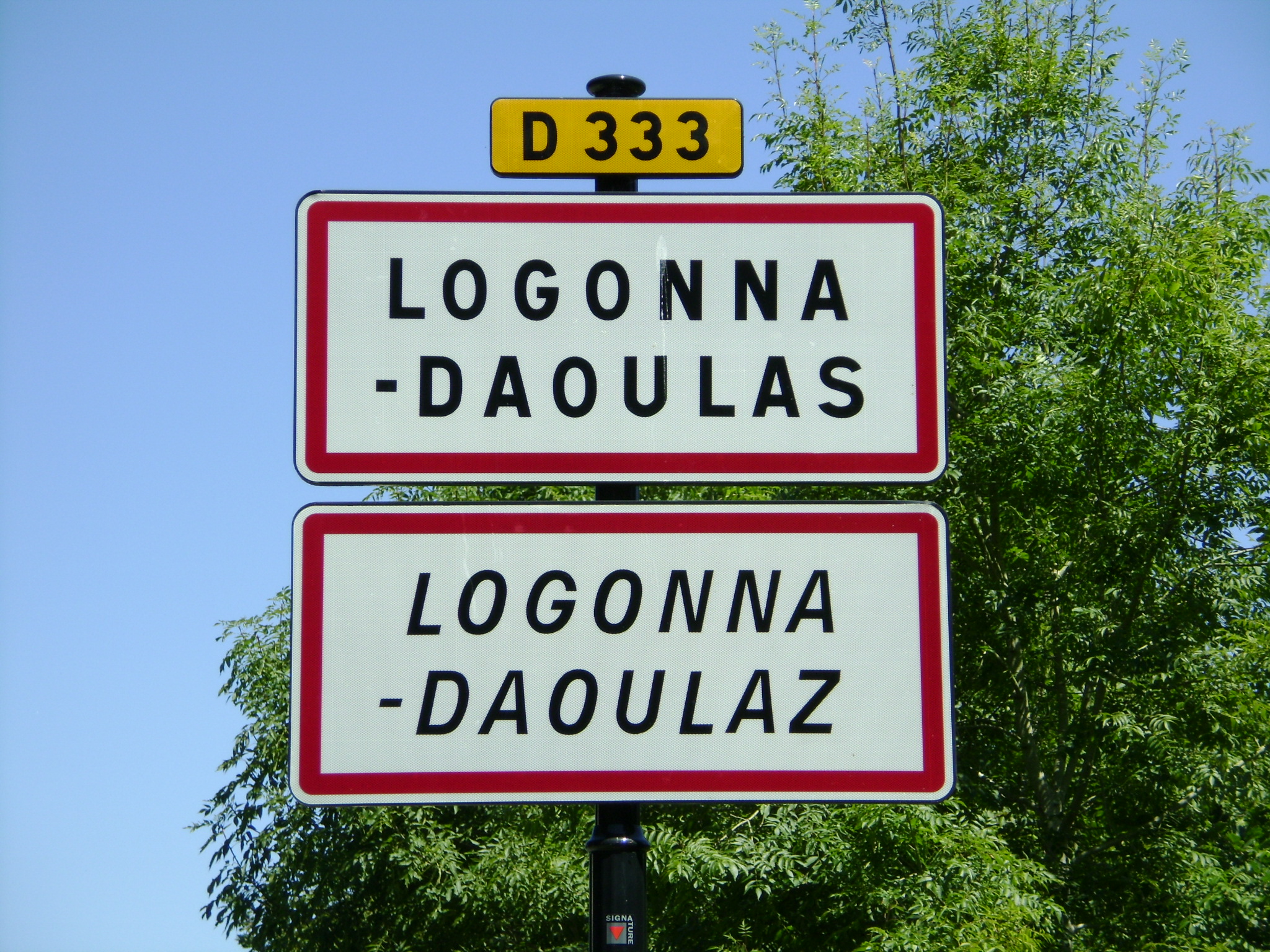
Fontaine Saint‑Jean l'Évangéliste – A Hidden Breton Treasure in Logonna‑Daoulas
Discover the quiet charm of one of Brittany’s lesser‑known fountains and why it deserves a spot on your travel itinerary.
Introduction
Imagine strolling through the rolling green fields of western Brittany, the salty breeze from the Atlantic whispering through ancient stone walls, and stumbling upon a modest stone fountain that has been quietly quenching the thirst of locals for centuries. That’s the experience awaiting you at Fontaine Saint‑Jean l'Évangéliste, a tucked‑away gem in the tranquil commune of Logonna‑Daoulas. While the region is famed for its rugged coastline, medieval towns, and Celtic heritage, this humble fountain offers a peaceful pause—a perfect snapshot of rural French life that many travelers overlook.
If you’re planning a road‑trip through Brittany, a cultural tour of historic sites, or simply a day‑trip off the beaten path, add this fountain to your list. Its simple elegance, historic aura, and surrounding countryside make it an ideal stop for photographers, history buffs, and anyone seeking a slice of authentic Breton serenity.
About Fontaine Saint‑Jean l'Évangéliste
Description
- Type: Fountain ⛲
- Location: Logonna‑Daoulas, Brittany, France
- Coordinates: 48.332731 N, ‑4.311964 W
The fountain is built from local stone, featuring a modest basin that collects clear spring water. Though its exact height and altitude remain undocumented, the structure blends seamlessly with the surrounding farmland, reflecting the traditional Breton style of utilitarian yet aesthetically pleasing public works.
History & Significance
While specific archival records for Fontaine Saint‑Jean l'Évangéliste are scarce, its name offers clues to its heritage. “Saint‑Jean l'Évangéliste” (Saint John the Evangelist) is a common dedication for religious sites throughout France, suggesting that the fountain may have originally served a small chapel or a wayside shrine dating back to the medieval period. In many Breton villages, fountains were not merely practical water sources; they were communal gathering points, places of prayer, and symbols of the town’s prosperity.
Logonna‑Daoulas itself is a historic commune in the Finistère department, known for its megalithic sites, traditional Breton architecture, and the nearby Parc naturel régional d'Armorique. The presence of a saint‑named fountain aligns with the region’s deep-rooted Catholic traditions and its reverence for saints as protectors of water sources.
Why It Matters
- Cultural continuity: The fountain stands as a living reminder of how everyday life and faith intertwined in rural Brittany.
- Architectural simplicity: Its stonework showcases the craftsmanship of local masons who built functional art that has endured for generations.
- Community focal point: Even today, locals use the fountain’s water for gardening and occasional ceremonial blessings, keeping the tradition alive.
How to Get There
By Car
The most convenient way to reach Fontaine Saint‑Jean l'Évangéliste is by car. From Brest (≈ 45 km west), take the N165 toward Quimper, then exit onto D770 heading north to Logonna‑Daoulas. Follow local signs to the village centre; the fountain sits just a short walk from the main road, near the intersection of Rue de la Fontaine and Chemin du Moulin (check the latest GPS map for the exact spot).
- Parking: Free roadside parking is available near the village square.
- Driving time: Approximately 1 hour from Brest, 1 hour 15 minutes from Quimper.
By Public Transport
- Bus: The Bretagne Bus line 32 connects Quimper to Logonna‑Daoulas (check the latest timetable). Get off at the “Logonna‑Daoulas – Centre” stop; the fountain is a 5‑minute walk north.
- Train: The nearest SNCF station is Quimper. From there, catch a regional bus or rent a bike for the final stretch.
By Bike or On Foot
For the adventurous, the Véloroute du Pays de Léon offers scenic cycling routes that pass through Logonna‑Daoulas. The gentle terrain makes for a pleasant ride, and you’ll arrive at the fountain with a refreshing sense of accomplishment.
Best Time to Visit
| Season | Why Visit | Weather & Tips |
|---|---|---|
| Spring (April‑June) | Blossoming hedgerows, vibrant wildflowers, and the fountain’s water at its clearest. | Mild temperatures (12‑18 °C). Pack a light rain jacket as showers are common. |
| Summer (July‑August) | Long daylight hours for photography and picnics. | Warm (20‑25 °C). Arrive early to avoid the occasional tourist crowd from nearby coastal towns. |
| Autumn (September‑October) | Golden foliage creates a magical backdrop; fewer visitors. | Cool (13‑18 °C). Ideal for peaceful walks. |
| Winter (November‑March) | Quiet, almost mystical atmosphere; the fountain may be partially frosted. | Cool to cold (5‑10 °C). Dress warmly; daylight is limited. |
Pro tip: The fountain’s water flow is most robust after a rainstorm, making the sound of cascading water especially soothing. Check local weather forecasts for recent rain before planning your visit.
What to Expect
When you arrive, you’ll be greeted by the gentle murmur of water spilling into a stone basin, framed by a modest stone wall that has weathered centuries of Breton weather. The surrounding landscape is a patchwork of pastures, hedgerows, and stone farmhouses, offering a quintessential view of rural Brittany.
- Photography: The fountain looks especially photogenic at sunrise when the low light casts soft shadows on the stone. A wide‑angle lens captures the interplay between the water, the surrounding fields, and the distant Breton hills.
- Quiet contemplation: Locals often sit on a nearby bench, sipping water straight from the basin or simply enjoying the calm. It’s a perfect spot for a short meditation or a moment of reflection.
- Local interaction: If you’re lucky, a farmer may be nearby, happy to share a story about the fountain’s role in the community. A few French phrases—“Bonjour, comment allez‑vous?”—go a long way.
Nearby Attractions
While Fontaine Saint‑Jean l'Évangéliste is the star of the day, the surrounding area offers several other points of interest within a short walk or bike ride:
| Distance | Attraction | Type | How to Reach |
|---|---|---|---|
| 0.2 km | Unnamed Spring | Spring | A short stroll north along the footpath behind the fountain. |
| 0.4 km | Fontaine Saint‑Jean | Fountain | Follow the village lane east; signs point to the historic fountain near the old chapel. |
| 0.7 km | Unnamed Fountain | Fountain | Walk west towards the small hamlet of Kerhuel; the fountain sits beside a stone well. |
| 1.0 km | Unnamed Spring | Spring | Head south along the riverbank trail; the spring feeds a tiny irrigation channel. |
| 1.0 km | Unnamed Fountain | Fountain | Continue south to the Moulin de Logonna area; the fountain is near the old mill’s stone wall. |
Note: Because many of these water features are modest and not officially listed on major tourism sites, they are best discovered by following local signage or asking a resident for directions.
Travel Tips
- Bring a reusable water bottle – The fountain’s water is clean and safe for drinking; refill and stay hydrated while you explore.
- Wear comfortable shoes – Rural paths can be uneven, especially after rain. Sturdy walking shoes or hiking boots are advisable.
- Respect the site – As a functional water source, avoid littering and keep the basin clean.
- Check opening hours for nearby chapels – If you plan to visit the small chapel near the second fountain, verify that it is open to the public (most are, but some may be closed for services).
- Capture the moment – Bring a small tripod for low‑light shots at sunrise or sunset; the fountain’s stone texture looks stunning with a slight depth of field.
- Language tip – While many locals speak basic English, a few French phrases such as “Merci beaucoup” (thank you very much) and “Où est la fontaine?” (where is the fountain?) will be appreciated.
- Seasonal festivals – Logonna‑Daoulas hosts a Fête de la Saint‑Jean in June, featuring traditional Breton music, dance, and a communal bonfire near the fountain. If your travel dates align, you’ll experience the fountain in a festive context.
Final Thought
Fontaine Saint‑Jean l'Évangéliste may not appear on the typical “top 10 things to do in Brittany” list, but that’s precisely why it shines for the curious traveler. It offers a genuine glimpse into the rhythm of Breton village life—where water, stone, and community intertwine. Whether you’re a solo explorer, a couple seeking a romantic pause, or a family on a cultural road‑trip, this modest fountain invites you to slow down, listen to the gentle flow, and savor the timeless beauty of western France.
Pack your camera, map out the route, and let the quiet charm of Logonna‑Daoulas’s hidden fountain add a memorable chapter to your Brittany adventure.
Keywords: Fontaine Saint‑Jean l'Évangéliste, Logonna‑Daoulas, Brittany fountains, travel Brittany, things to do in Brittany, French countryside, hidden gems France, historic fountains, travel guide Brittany, rural France attractions