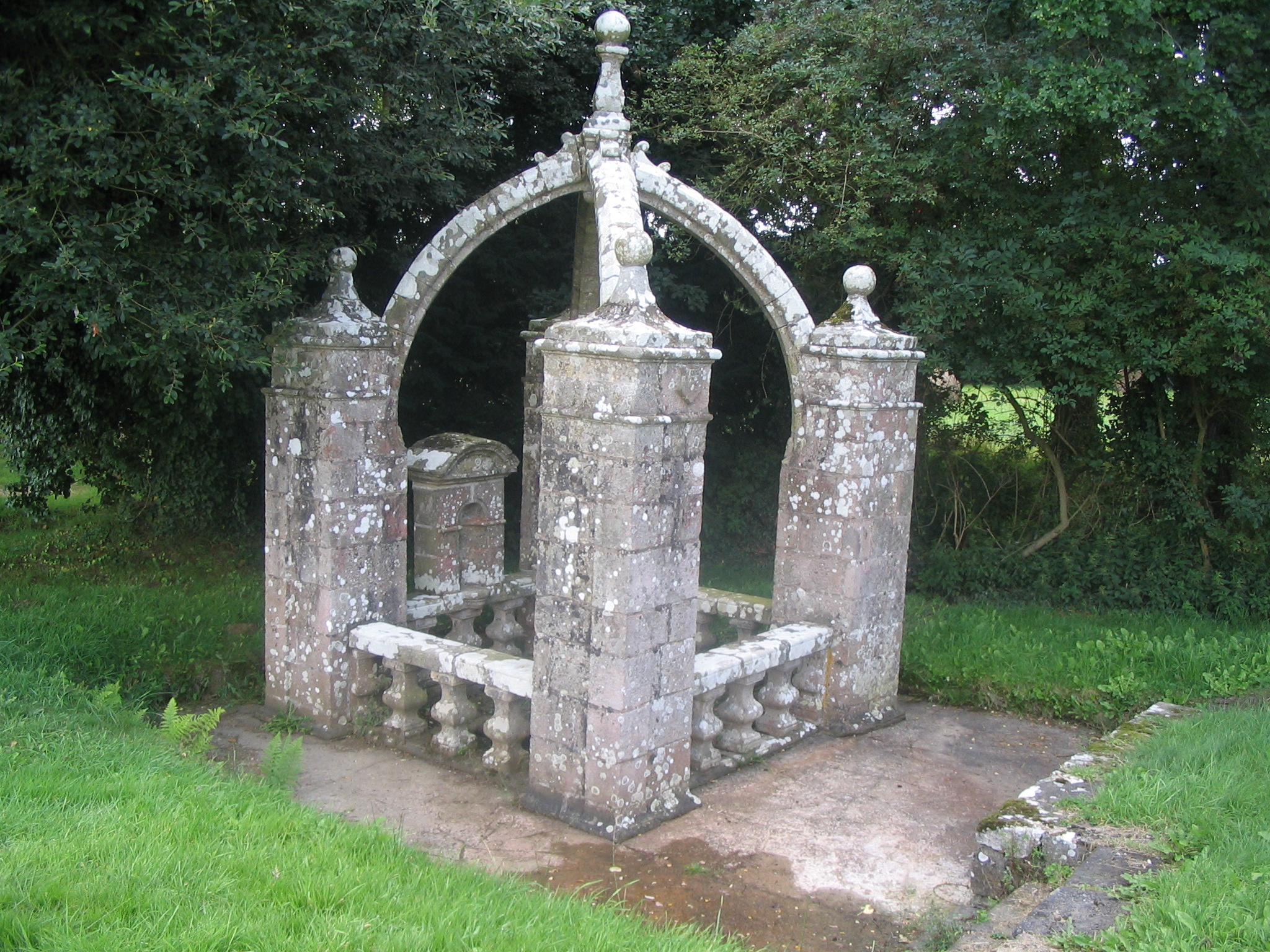
Discover the Charm of Fontaine Saint‑Fiacre – A Hidden Fountain Gem in Brittany
If you’re wandering the emerald countryside of Brittany and crave a quiet spot steeped in local legend, the Fontaine Saint‑Fiacre in Reguiny is the perfect stop. This modest yet enchanting fountain invites travelers to pause, sip a splash of history, and soak up the serene atmosphere of north‑west France.
1. Introduction
Nestled amid rolling fields near the tiny hamlet of Reguiny, the Fontaine Saint‑Fiacre may not appear on the usual tourist itineraries, but that’s exactly why it feels like a secret treasure. Named after Saint Fiacre, the patron saint of gardeners and travelers, the fountain has long been a place where locals gather for a cool drink, a moment of reflection, or simply to admire the simple stonework that has withstood centuries of Breton weather.
For road‑trippers, cyclists, and cultural explorers alike, this unassuming water source offers a genuine slice of Breton life—far from the bustling ports of Saint‑Malo or the medieval streets of Dinan. In this guide, we’ll dive into the fountain’s story, how to reach it, the best time to visit, and what else you can explore nearby.
2. About Fontaine Saint‑Fiacre
A Brief Description
- Location: Reguiny, Brittany, France
- Coordinates: 47.962942, ‑2.723445
- Type: Historic public fountain (stone basin, water‑driven)
The fountain sits at the crossroads of a quiet country lane, surrounded by hedgerows and patchwork fields. Though its exact height and altitude remain undocumented, the structure’s stone basin and modest arch echo the typical Breton rural fountains built in the 19th‑century to provide clean water to villagers and livestock.
Historical Roots
The name Saint‑Fiacre harks back to the 7th‑century Irish hermit who settled in France and became renowned for his gardening prowess. In many Breton villages, fountains bearing his name were erected as both practical water sources and symbolic guardians of fertility and health. While specific archival records for this particular fountain are scarce, its enduring presence suggests it served the agricultural community of Reguiny for generations, offering a reliable water point before modern plumbing arrived.
Cultural Significance
Today, the Fontaine Saint‑Fiacre stands as a modest cultural landmark. Locals still gather here during village festivals, and the fountain is occasionally featured in regional postcards that celebrate Brittany’s rustic charm. Its stone walls have witnessed countless stories—children splashing in summer, couples sharing a quiet moment, and travelers like you discovering a hidden piece of French heritage.
3. How to Get There
By Car
-
From Lorient (≈ 45 km):
- Take the N165 toward Quimper.
- Exit onto D786 toward Pont‑de‑Buis.
- Follow signs for Radenac and then Reguiny. -
From Vannes (≈ 70 km):
- Head north on the N165, then turn onto D768 at Moustoir‑Alain.
- Continue toward Radenac, then follow local signs to Reguiny.
The fountain is located just off the main road, with a small parking area on the right side of the lane. A short 2‑minute walk leads you to the stone basin.
By Public Transport
- Train: The nearest station is Radenac, served by TER Bretagne regional trains from Lorient, Vannes, and Quimper.
- Bus: Local bus line C3 stops at Radenac. From the station, you can rent a bike or take a short taxi ride (≈ 5 km) to Reguiny.
By Bike or On Foot
Brittany’s countryside is criss‑crossed with well‑marked cycling routes. The Véloroute de la Loire and EuroVelo 4 pass within a few kilometers of Reguiny, making the fountain an ideal waypoint for a leisurely ride. Expect gentle hills and scenic farmland along the way.
4. Best Time to Visit
| Season | Weather | Why It’s Ideal |
|---|---|---|
| Spring (April‑June) | Mild temperatures, blooming wildflowers | The fountain’s surroundings burst into color, and the water flow is fresh after winter rains. |
| Summer (July‑August) | Warm, occasional showers | Perfect for a cool drink from the fountain on a sunny afternoon; longer daylight hours for exploring nearby attractions. |
| Autumn (September‑October) | Crisp air, golden foliage | The landscape turns amber, and fewer tourists mean a peaceful experience. |
| Winter (November‑March) | Cooler, occasional frost | The fountain takes on a quiet, almost mystical vibe—great for photography, though the water may be slower. |
Pro tip: Aim for early morning or late afternoon in summer to avoid the midday heat and capture the best light for photos.
5. What to Expect
Arriving at Fontaine Saint‑Fiacre feels like stepping into a living postcard. The stone basin, worn smooth by centuries of use, holds clear, cool water that still drips from a modest stone spout. The surrounding hedgerows often shelter a chorus of songbirds, while the occasional breeze carries the scent of nearby lavender fields.
Key experiences:
- A Refreshing Sip: Many visitors enjoy a quick drink straight from the fountain—just be sure the water looks clean (it usually does!).
- Photography: The simple stone architecture against the backdrop of green fields makes for striking compositions, especially during sunrise or golden hour.
- Quiet Reflection: With no crowds, you can sit on the stone ledge, read a book, or simply listen to the gentle flow—perfect for a moment of mindfulness.
Because the site is not commercialized, there are no cafés or souvenir stalls on site. However, a small picnic you bring along can be enjoyed on the nearby grass, allowing you to savor the countryside ambiance.
6. Nearby Attractions
While the fountain itself is a highlight, the surrounding region offers several additional points of interest within a short drive—ideal for a full‑day itinerary.
| Distance | Attraction | Type | Why Visit |
|---|---|---|---|
| 6.4 km | [Unnamed Weir] | Weir | A picturesque water control structure perfect for a short walk and bird‑watching. |
| 6.6 km | [Unnamed Weir] | Weir | Offers a tranquil riverside setting; great for photography of reflections. |
| 6.8 km | [Unnamed Weir] | Weir | Ideal spot for a quick picnic beside flowing water. |
| 6.9 km | [Unnamed Dam] | Dam | Provides insight into local water management and a scenic viewpoint over the reservoir. |
| 7.0 km | [Unnamed Weir] | Weir | Another charming water feature, often less visited, offering solitude. |
Note: These attractions are modest rural structures rather than major tourist sites, but they showcase the region’s relationship with water—an essential element of Breton life. Feel free to explore them at your own pace; many have informal walking paths and small informational plaques.
7. Travel Tips
| Tip | Details |
|---|---|
| Bring Cash | While the fountain area has no shops, nearby villages (Radenac, Pont‑de‑Buis) have cafés and bakeries that accept only cash. |
| Wear Comfortable Shoes | Rural paths can be uneven; sturdy walking shoes or hiking boots are recommended. |
| Pack a Picnic | There are no food services on site, so bring a sandwich, fruit, and a reusable water bottle. |
| Check Water Flow | In very dry summer months, the fountain’s flow may reduce. A quick visual check ensures the water is fresh before drinking. |
| Respect the Site | As a historic public fountain, avoid littering and refrain from climbing on the stone structure. |
| Photography Gear | A lightweight tripod and a polarizing filter can help capture the water’s sparkle and the surrounding landscape. |
| Local Events | Occasionally, Reguiny hosts a “Fête du Saint‑Fiacre” in early June. If your travel dates align, you’ll experience traditional Breton music, dancing, and local delicacies. |
| Language | Basic French phrases (e.g., “Bonjour,” “Merci”) go a long way with locals; Breton is also spoken in the area, though French is universal. |
| Safety | The water is generally safe to drink, but if you have a sensitive stomach, consider using a portable water filter or drinking bottled water. |
Wrap‑Up
The Fontaine Saint‑Fiacre may be a modest stone fountain, but it embodies the quiet beauty and deep-rooted traditions of Brittany’s countryside. Whether you’re a history buff, a nature lover, or simply a traveler seeking an off‑the‑beaten‑path experience, a stop at this fountain adds a genuine, soul‑soothing chapter to your French adventure.
So load up your camera, fill your water bottle, and set your GPS to 47.962942, ‑2.723445—the heart of Reguiny’s hidden treasure awaits. Safe travels, and may the waters of Saint‑Fiacre refresh both your body and spirit!