Fontaine des Carmes – A Hidden Jewel in Quintin, Brittany
Discover the quiet charm of one of Brittany’s most understated landmarks, the Fontaine des Carmes, and learn how to make the most of a day in the historic town of Quintin.
1. Introduction
If you picture Brittany, you might first think of rugged coastlines, medieval castles, and bustling seafood markets. Yet some of the region’s most memorable moments happen far from the shoreline – in the heart of a small town where a centuries‑old stone fountain whispers stories of daily life long gone. The Fontaine des Carmes in Quintin is exactly that: a modest yet captivating fountain that invites travelers to pause, sip the local atmosphere, and step back into a quieter era of French history.
Whether you’re a seasoned road‑tripper chasing hidden water features, a cultural explorer hunting the lesser‑known sites of Brittany, or simply someone who loves wandering through picturesque streets, the Fontaine des Carmes deserves a spot on your itinerary.
2. About Fontaine des Carmes
A Brief Description
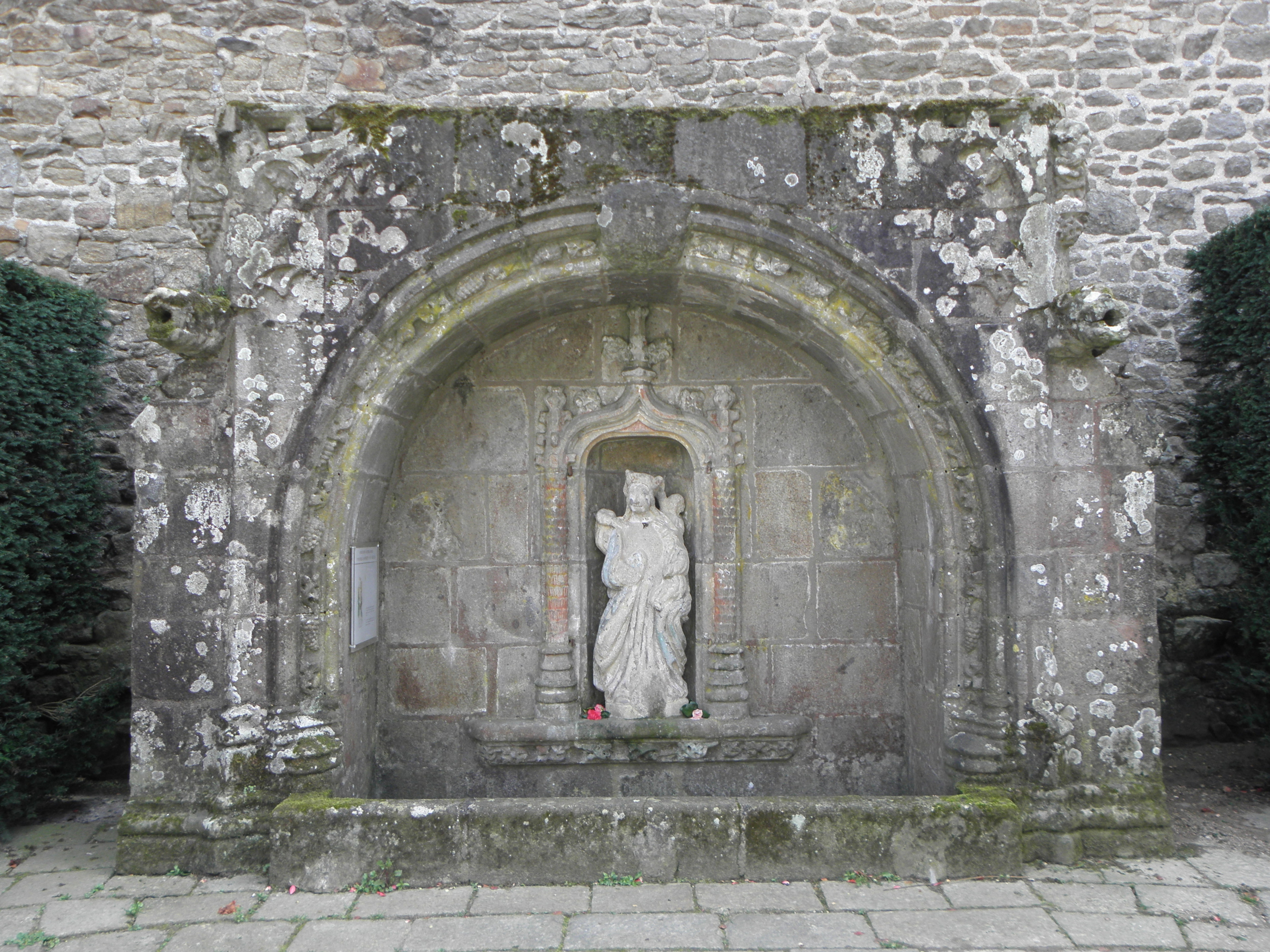
Nestled at the crossroads of Quintin’s historic center, the Fontaine des Carmes (French for “Fountain of the Carmelites”) is a stone structure dating back to the town’s medieval period. While the exact height and altitude of the fountain remain undocumented, its sturdy basin, carved stone arches, and gently flowing water create a timeless focal point for locals and visitors alike.
The fountain’s name hints at a connection to the Carmelite order, which once maintained a modest presence in the region. Though the original convent has long vanished, the water source endured, becoming a communal gathering place for centuries. Today, the fountain is listed on the French heritage register and appears on the French Wikipedia page for Fontaine des Carmes (Quintin).
Historical Significance
In medieval towns, public fountains were more than decorative elements – they were essential for daily life. Residents fetched drinking water, washed clothes, and exchanged news at these communal hubs. The Fontaine des Carmes served precisely that purpose, supplying fresh water to the surrounding neighborhoods and the nearby Carmelite friars.
Over time, the fountain witnessed Quintin’s evolution from a fortified market town to a modern commune. Its stonework, weathered yet resilient, reflects the craftsmanship of local masons who blended functional design with subtle ornamental touches. While the exact construction date is elusive, the fountain’s style aligns with 16th‑ to 18th‑century Breton stonework, making it a living piece of the region’s architectural heritage.
3. How to Get There
By Air
The nearest major airports are Rennes–Saint‑Jacques (RNS) (about 120 km north‑west) and Brest Bretagne Airport (BES) (roughly 150 km south‑west). From either airport, rent a car and follow the A84 motorway toward Saint‑Malo, then take the N12 eastward to Quintin. The drive offers scenic views of Brittany’s rolling countryside and takes roughly 1.5–2 hours from Rennes.
By Train
Quintin is served by the SNCF TER regional rail line. The most convenient route is to board a TER train from Rennes or Lannion to Quintin station (stop = Quintin). Trains run several times daily, and the journey from Rennes lasts about 1 hour 30 minutes.
From the station, the Fontaine des Carmes is a pleasant 10‑minute walk: head south on Rue de la République, turn left onto Rue de la Fontaine, and you’ll spot the stone basin framed by historic facades.
By Car
If you’re exploring Brittany by road, the fountain is easily reachable via the N12 (Rennes → Saint‑Brieuc). Take the exit for Quintin, follow the D12 toward the town center, and look for signage pointing to the Place des Carmes. Parking is available on the nearby Rue du Château or in the municipal lot just off Rue de la République.
By Bike or On Foot
Quintin’s compact historic district is perfect for cyclists and walkers. The town’s greenway network connects the main square to surrounding neighborhoods, allowing you to arrive at the fountain with minimal traffic and maximum enjoyment of the local ambiance.
4. Best Time to Visit
| Season | Weather | Why Visit |
|---|---|---|
| Spring (April‑June) | Mild temperatures (12‑18 °C), blossoming gardens | The fountain’s stone glistens with fresh rain; fewer tourists. |
| Summer (July‑August) | Warm (20‑25 °C), occasional showers | Ideal for combining the fountain with nearby outdoor cafés; longer daylight hours. |
| Autumn (September‑October) | Cool (10‑16 °C), colorful foliage | The surrounding streets turn amber, providing a picturesque backdrop for photos. |
| Winter (November‑March) | Cold (5‑10 °C), occasional frost | Quietest period; the fountain’s mist creates a romantic, mist‑laden scene. |
Insider tip: Visit in early May or late September to enjoy comfortable weather while avoiding the peak summer crowds that flock to coastal towns.
5. What to Expect
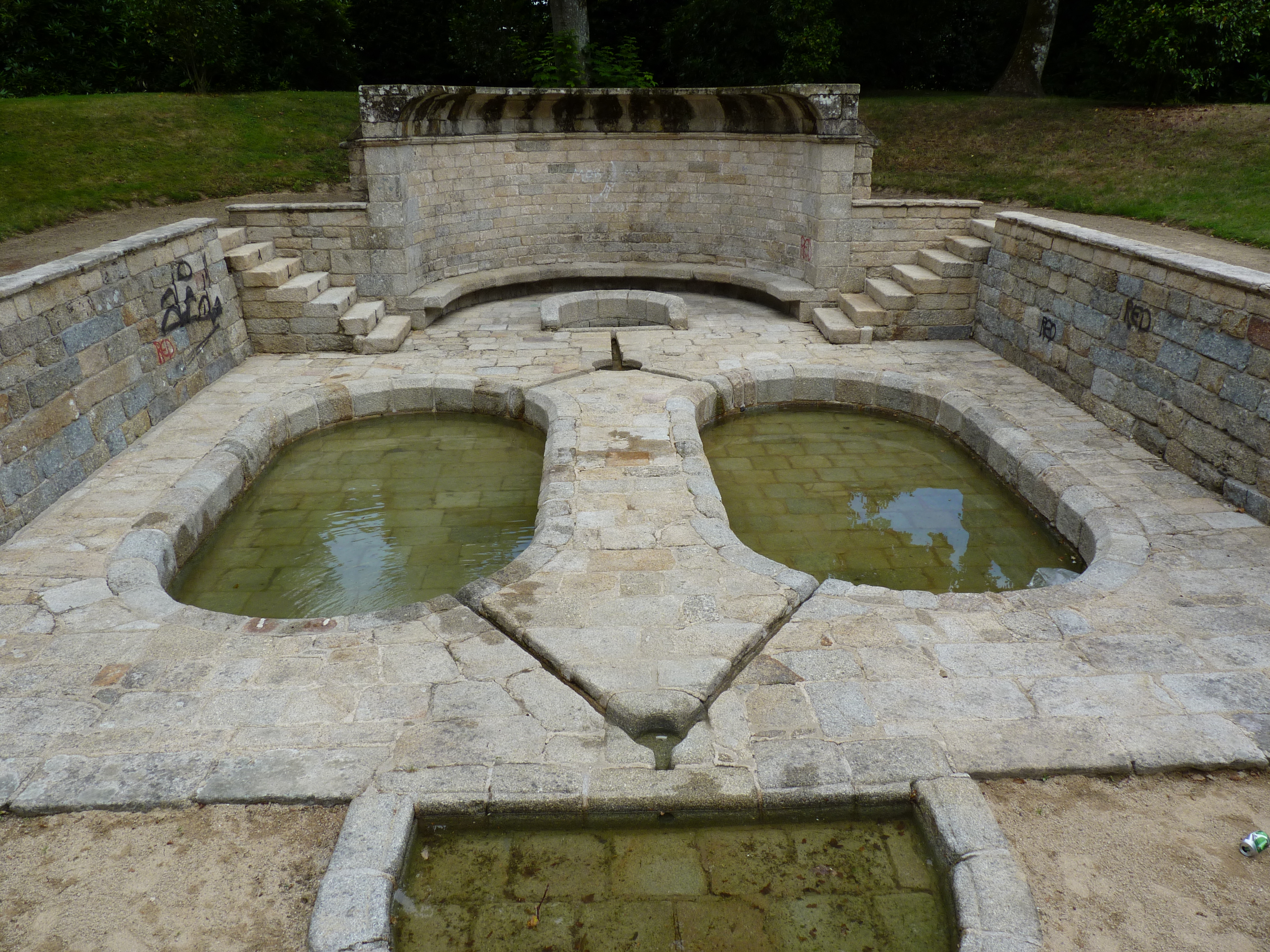
Approaching the Fontaine des Carmes, you’ll first notice the gentle murmur of water flowing over ancient stone. The basin, lined with worn cobblestones, reflects the surrounding historic facades—most notably the half‑timbered houses that line Rue de la République.
During the day, locals often gather here for a quick drink, a chat, or to let children splash in the shallow edge. The fountain’s water is non‑potable, so bring a reusable bottle for hydration elsewhere, but feel free to enjoy the soothing soundscape.
The surrounding square is dotted with café terraces where you can sip a café au lait while watching the rhythm of daily life. In the evenings, lanterns cast a soft glow on the fountain, turning it into a romantic meeting point for couples and a quiet spot for solo travelers to reflect on their journey through Brittany.
Because the fountain is a protected heritage site, there are no commercial vendors directly on the structure, preserving its historic integrity. However, you’ll find souvenir stalls a few steps away, offering locally crafted ceramics and Breton lace.
6. Nearby Attractions
While the Fontaine des Carmes is the star of the show, Quintin’s historic center offers several complementary sights within walking distance:
- Fontaine de Notre‑Dame de la Porte – A beautifully sculpted 19th‑century fountain just 0.3 km away, featuring a bronze statue of the Virgin Mary.
- Fontaine et Lavoir du Pissot – An authentic public washhouse (lavoir) accompanied by a stone fountain, located 0.4 km from the Carmes. Perfect for history buffs interested in communal laundry traditions.
- Local Market Square (Place du Marché) – A bustling market held every Saturday, where you can taste Breton crepes, cider, and fresh seafood.
- Quintin Castle Ruins (Château de Quintin) – A short 10‑minute walk uphill, offering panoramic views of the town and the surrounding countryside.
- Lake of Saint‑Malo (Lac de Saint‑Malo) – Approximately 5 km away, this tranquil dam‑created lake is ideal for a picnic or a paddle‑board session.
Each of these attractions can be combined into a relaxed half‑day itinerary, allowing you to soak up Quintin’s heritage without feeling rushed.
7. Travel Tips
| Tip | Details |
|---|---|
| Bring a reusable water bottle | The fountain’s water is not for drinking, but you’ll appreciate staying hydrated while strolling the town. |
| Wear comfortable shoes | Cobblestone streets can be uneven, especially after rain. |
| Check opening hours of nearby cafés | Most cafés open around 8 am and close by 7 pm; they’re perfect for a quick coffee break. |
| Use a translation app | While French is the primary language, many locals understand basic English; a translation app can help with menu items or signage. |
| Respect the heritage site | No climbing on the fountain, and avoid littering to preserve its charm. |
| Parking | Free municipal parking is available on Rue du Château; arrive early during market days to secure a spot. |
| Seasonal events | Quintin hosts a “Fête de la Fontaine” in early June, celebrating local water heritage with music, food stalls, and guided tours. Check the town’s website for dates. |
| Connectivity | Free Wi‑Fi is offered at the town hall (Mairie) and several cafés; perfect for uploading those Instagram shots of the fountain. |
| Currency | Euro (€) is the standard; most shops accept card payments, but carrying some cash is handy for small market stalls. |
Final Thoughts
The Fontaine des Carmes may not boast the grandeur of Parisian monuments, but its understated elegance captures the soul of Brittany’s small‑town life. A quick stop here offers a moment of pause, a glimpse into centuries of communal history, and a perfect backdrop for photos that tell a story beyond the usual tourist clichés.
Plan your visit, wander the historic streets of Quintin, and let the gentle flow of the fountain remind you that sometimes the most memorable travel experiences are found in the quiet corners of a region’s heritage.
Happy travels, and may the waters of Fontaine des Carmes inspire your next adventure in Brittany!