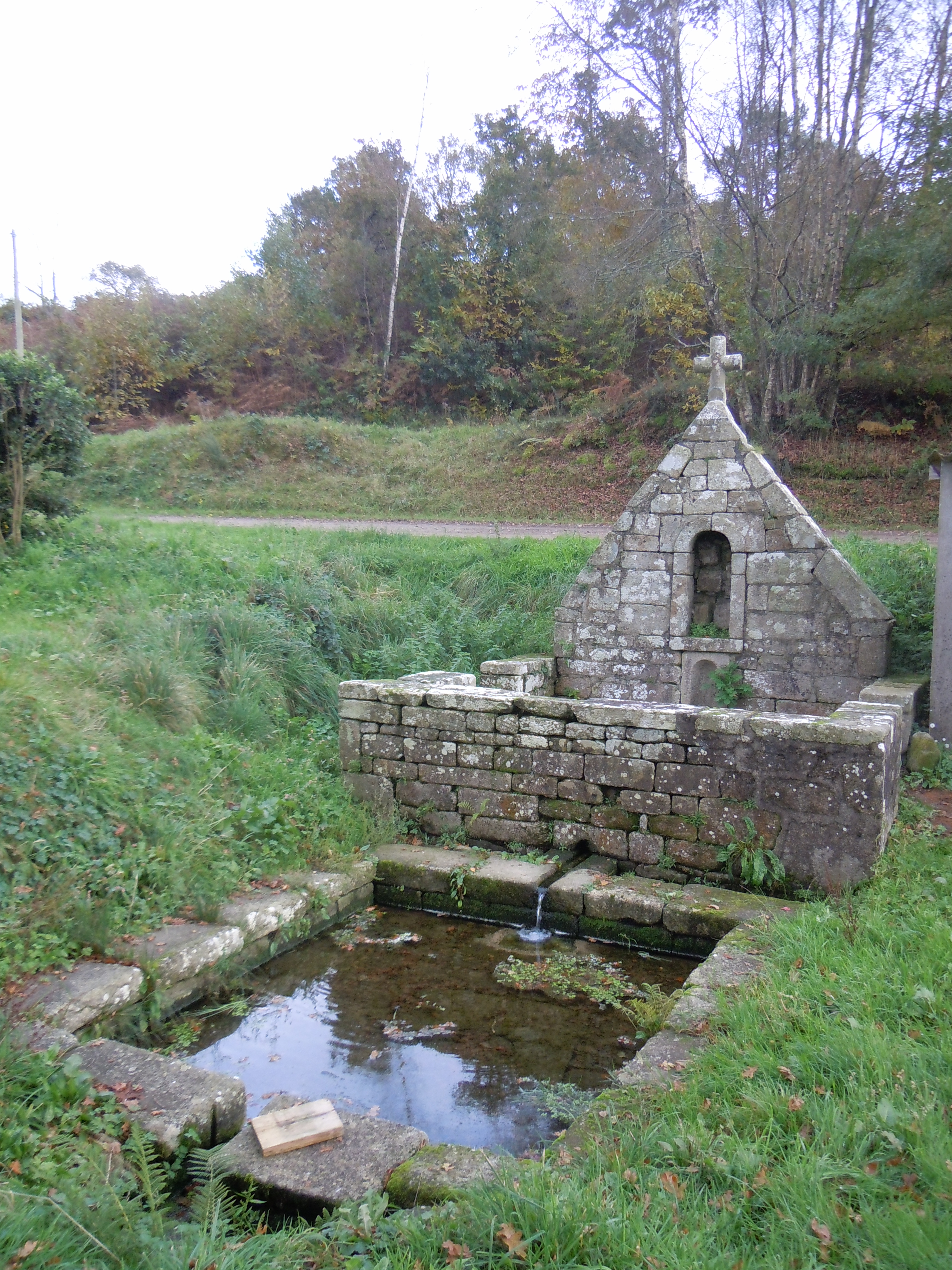
Fontaine de Locmeltro – A Hidden Fountain Gem in Brittany, France
Discover the quiet charm of the Fontaine de Locmeltro, a little‑known water feature tucked away in the rural heart of Guern, Brittany. Perfect for off‑the‑beaten‑path travelers, history buffs, and anyone who loves a splash of local culture.
1. Introduction
Imagine strolling through the rolling green fields of Brittany, the salty breeze from the Atlantic mingling with the scent of wild thyme, when you stumble upon a stone‑crowned fountain that has been quietly feeding the land for generations. That’s the moment you experience at Fontaine de Locmeltro – a modest yet enchanting fountain perched in the commune of Guern. While it doesn’t boast towering heights or elaborate sculptures, its simplicity makes it a perfect photo‑stop and a genuine slice of Breton life. If you’re mapping out a road‑trip through north‑west France, add this hidden treasure to your itinerary and let the water’s gentle murmur guide you into the region’s rich cultural tapestry.
2. About Fontaine de Locmeltro
- Type: Fountain ⛲
- Location: Guern, Brittany, France
- Coordinates: 48.046629 N, -3.145319 W
- Height & Altitude: Not officially recorded
The Fontaine de Locmeltro is listed on the French Wikipedia page for local landmarks, confirming its status as an acknowledged point of interest in the area. Although detailed historical records are scarce, fountains such as this one traditionally served several purposes in Breton villages:
- Practical water source – before modern plumbing, communal fountains supplied fresh water for drinking, livestock, and irrigation.
- Social hub – villagers would gather around the fountain to exchange news, celebrate festivals, and perform daily chores.
- Spiritual symbol – many Breton fountains were blessed by the local parish, reflecting the deep connection between water and faith in rural France.
The stone basin at Locmeltro is built from locally quarried granite, a material that gives the structure its rugged, weather‑worn appearance. The water that flows from the fountain is sourced from an underground spring, emerging with a cool, clear quality that has sustained the surrounding farmland for centuries.
While the exact date of construction remains unknown, the fountain’s design is typical of 19th‑century Breton public works, when many rural communes invested in stone fountains to improve public health and hygiene. Today, the Fontaine de Locmeltro stands as a quiet reminder of that era, offering visitors a glimpse into the everyday life of past Breton inhabitants.
3. How to Get There
By Car
The most straightforward way to reach the fountain is by car. From the major city of Rennes (the capital of Brittany), follow these steps:
- Take the N12 east toward Saint‑Malo, then merge onto the A84 toward Lannion.
- Exit at Saint‑Brieuc (Exit 31) and follow the D786 south toward Guingamp.
- After passing Guingamp, turn right onto the D2 (signs for Guern).
- Continue on the D2 for roughly 12 km; look for a small sign marking “Fontaine de Locmeltro – 48.046629, -3.145319”.
The drive is scenic, winding through patchwork fields, hedgerows, and occasional stone chapels. Parking is available in a modest lot just a few meters from the fountain, and the site is fully accessible on foot.
By Public Transport
If you prefer trains or buses:
- Train: The nearest SNCF station is Guingamp (on the Paris‑Brest line). From Guingamp, you can rent a bike or catch a local bus (line 33) that stops near Guern.
- Bus: Regional TER Breizh buses run from Saint‑Brieuc to Guern several times a day. Check the latest schedules on the TER Bretagne website.
Once you reach Guern, the fountain is a short 10‑minute walk north of the town centre. Follow the local road signs or ask a resident for the “Fontaine de Locmeltro”—the locals are always happy to point travelers toward their hidden gems.
4. Best Time to Visit
Brittany’s maritime climate means mild temperatures year‑round, but the experience of the fountain changes with the seasons:
| Season | Weather | Why Visit |
|---|---|---|
| Spring (April‑June) | Gentle rain showers, blooming wildflowers, temperatures 12‑18 °C | The surrounding meadows burst with color, and the water flow is at its strongest after winter melt. |
| Summer (July‑August) | Warm, occasional breezy days, 18‑24 °C | Long daylight hours let you linger; perfect for a picnic by the fountain. |
| Autumn (September‑October) | Golden foliage, cooler temps 13‑19 °C | The landscape turns amber, and fewer tourists mean a tranquil visit. |
| Winter (November‑March) | Cool, damp, occasional storms, 5‑12 °C | The fountain’s stone takes on a dramatic, mist‑kissed look—ideal for atmospheric photography. |
Recommendation: Aim for late spring or early autumn to enjoy comfortable weather, vibrant scenery, and a steady water flow without the summer crowds that flock to the coastal towns.
5. What to Expect
Arriving at Fontaine de Locmeltro, you’ll first notice the gentle sound of water spilling over the stone lip—an audible welcome that instantly calms the senses. The fountain’s basin is modest, roughly a meter across, but its crystal‑clear water reflects the sky, creating a miniature mirror that captures passing clouds.
Surrounding the fountain are low, well‑kept grass lawns dotted with wildflowers such as cornflowers and oxeye daisies. A few wooden benches provide a perfect spot for a short rest or a quick sketch. Because the site is not heavily commercialized, you’ll rarely encounter souvenir stalls or loud crowds. Instead, you may see local farmers passing by, children splashing a few drops, or an elderly couple sharing a quiet conversation.
Photography enthusiasts love the golden hour lighting here; the low sun casts soft shadows on the granite, highlighting the texture of the stone and the ripples in the water. If you bring a small picnic, the fountain’s tranquil setting makes it an idyllic backdrop for a Breton baguette, cheese, and a glass of local cider.
6. Nearby Attractions
While the fountain itself is the star of the day, the surrounding countryside offers several complementary sites that can easily be combined into a half‑day or full‑day itinerary.
| Attraction | Type | Distance from Fountain | Highlights |
|---|---|---|---|
| [Unnamed Weir #1] | Weir | 1.5 km | A small river weir offering a pleasant riverside walk and opportunities for birdwatching. |
| [Unnamed Weir #2] | Weir | 2.9 km | Rustic stone construction, ideal for photography of water dynamics. |
| [Unnamed Weir #3] | Weir | 2.9 km | Surrounded by mature oak trees; a quiet spot for a reflective pause. |
| [Unnamed Weir #4] | Weir | 2.9 km | Features a short footbridge that provides a panoramic view of the surrounding farmland. |
| [Fontaine de Kerroch] | Fountain | 2.9 km | Another historic Breton fountain, slightly larger, with a decorative stone sculpture. |
Note: The weirs are modest water management structures typical of Brittany’s agricultural landscape. They are not major tourist sites but offer pleasant walking routes and scenic photo opportunities.
For more detailed information, you can search each name on local tourism portals or consult the Brittany Tourism Office website.
7. Travel Tips
| Tip | Details |
|---|---|
| Bring a reusable water bottle | While the fountain’s water is fresh, it is not officially certified for drinking. Fill up at a local café or shop. |
| Wear comfortable shoes | The approach includes gravel paths and slight inclines. Good walking shoes will make the short trek enjoyable. |
| Check the weather | Brittany can be rainy; a light waterproof jacket and a compact umbrella are advisable year‑round. |
| Respect the site | As a historic communal fountain, avoid littering and refrain from washing cars or large items in the water. |
| Language | French is the primary language; a few Breton phrases (e.g., “Demat” for “good morning”) are appreciated by locals. |
| Timing | Arrive early in the morning during peak summer months to avoid the few local visitors who may be there for water collection. |
| Parking | The small lot near the fountain fills quickly on weekends; consider parking a short distance away and walking the final 200 m. |
| Nearby food | The village of Guern hosts a bakery and a small bistro serving traditional Breton crêpes and cider—perfect for a post‑visit snack. |
| Photography | Use a polarizing filter to reduce glare on the water surface and bring a tripod for low‑light shots during sunrise or sunset. |
Final Thoughts
The Fontaine de Locmeltro may not appear on every guidebook, but that’s precisely why it feels so rewarding to discover. It encapsulates the quiet, authentic spirit of Brittany—where stone, water, and the rhythm of rural life intertwine. Whether you’re a solo backpacker chasing hidden corners, a family looking for a peaceful day out, or a photographer hunting that perfect reflective pool, this modest fountain offers a memorable pause on your French adventure.
Pack your camera, hit the road, and let the gentle flow of Locmeltro guide you to the heart of Breton tranquility.
Keywords: Fontaine de Locmeltro, Brittany travel, Guern fountain, hidden gems Brittany, things to do in Brittany, France travel guide, Breton countryside, rural France attractions, French fountains, travel tips Brittany.