Fontaine Henri IV – A Hidden Jewel in the Heart of Bourgogne
Discover the charm of a centuries‑old fountain, the stories that flow with its waters, and why this modest landmark in Mirebeau‑sur‑Béze should be on every traveler’s itinerary.
Introduction
When you think of Burgundy (Bourgogne), images of rolling vineyards, medieval châteaux, and the iconic Dijon mustard often come to mind. Yet tucked away in the tranquil village of Mirebeau‑sur‑Béze lies a piece of French history that whispers rather than shouts: Fontaine Henri IV. This modest stone fountain, perched at the coordinates 47.527956 N, 5.387895 E, may not boast towering height or elaborate sculptures, but its connection to the early 17th‑century legacy of King Henry IV makes it a compelling stop for history buffs, photography lovers, and anyone craving an off‑the‑beaten‑path experience in Bourgogne.
In this guide, we’ll explore the fountain’s background, how to reach it, the best moments to visit, what you’ll see on site, nearby attractions, and practical travel tips to ensure a smooth and memorable adventure.
About Fontaine Henri IV
A Brief Description
Fontaine Henri IV is a stone fountain situated in the centre of Mirebeau‑sur‑Béze, a small commune that rests on the banks of the Béze River. While the exact dimensions of the fountain remain undocumented, its simple, rectangular basin and a single, elegant water spout reflect the restrained aesthetic of early 17th‑century public works. The stonework bears subtle weathering, evidence of centuries of rain, frost, and the occasional foot traffic of locals and travelers alike.
Historical Roots
The name “Henri IV” ties the fountain directly to King Henry IV of France (reigned 1589‑1610), a monarch celebrated for ending the Wars of Religion and ushering in a period of relative peace and reconstruction. Though the fountain itself was not erected as a grand royal monument, it served a practical purpose: providing clean drinking water to the villagers and travelers crossing the Béze valley.
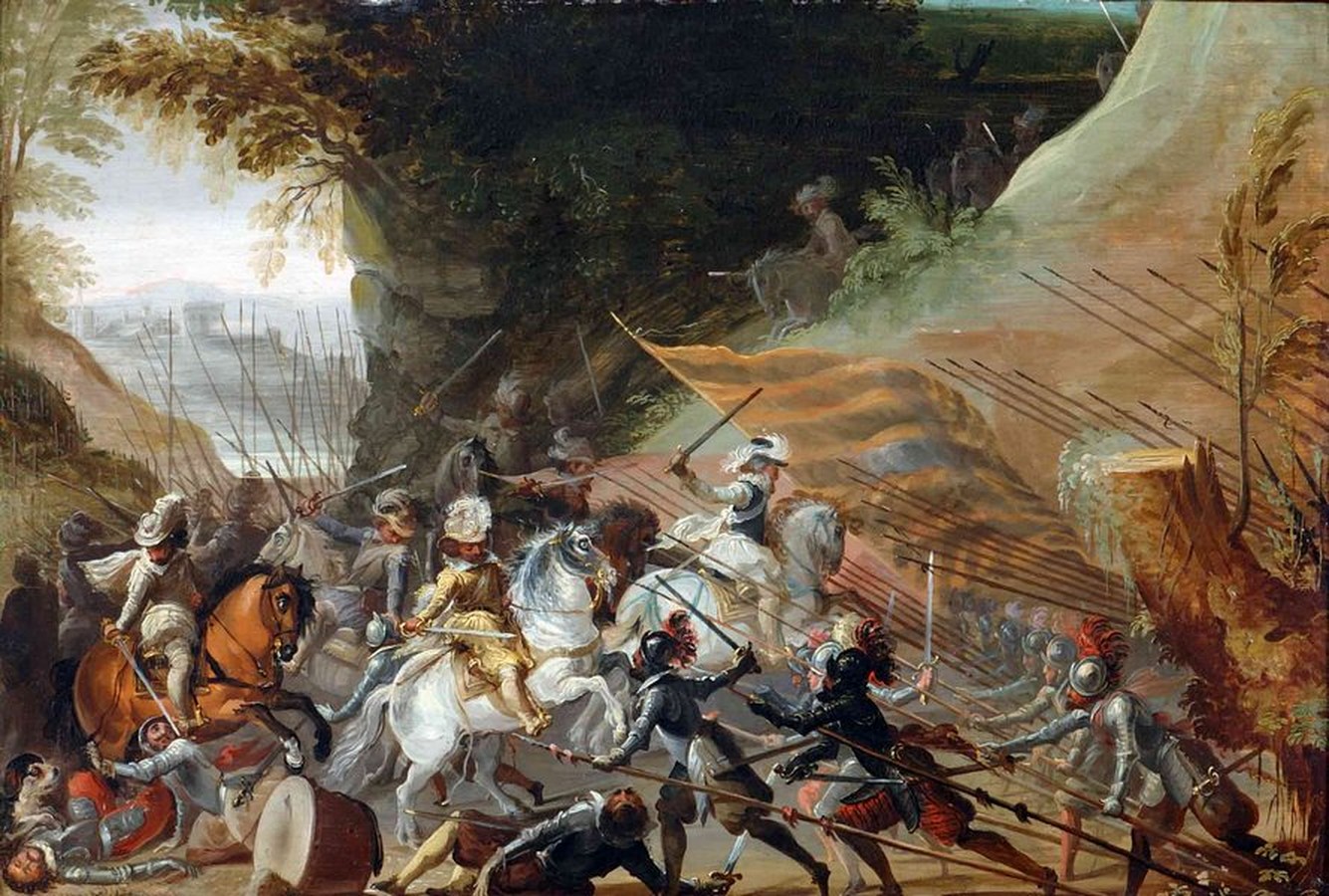
The fountain’s historical relevance is highlighted in the French Wikipedia entry for the Bataille de Fontaine‑Française, a 1595 clash during the French Wars of Religion. While the battle occurred several kilometres away, the memorials and references in the region underscore the era’s turbulent backdrop, making any structure bearing Henri IV’s name a subtle reminder of the monarch’s efforts to rebuild and unify France.
Cultural Significance
In rural Bourgogne, communal fountains have long acted as social hubs—places where villagers gathered to fetch water, exchange news, and celebrate local festivals. Fontaine Henri IV continues this tradition today. During the summer months, locals often set up small tables nearby, sipping coffee while children play in the shallow splash zone. For visitors, the fountain offers an authentic glimpse into the daily rhythm of a French countryside community that has remained largely unchanged for centuries.
How to Get There
By Car
- From Dijon (the regional capital): Take the A31 northbound toward Beaune, exit at Macon‑Sud and follow the D906 toward Mirebeau‑sur‑Béze. The drive is approximately 80 km and takes about 1 hour 15 minutes.
- From Lyon: Follow the A7 north, then the A31 toward Dijon, and continue as above. Total distance ≈ 150 km, 2 hours 10 minutes.
Parking is available in a small municipal lot just a few metres from the fountain. The lot is free, but spaces fill quickly during local market days (usually Saturday mornings), so arriving early is advisable.
By Public Transport
- Train: The nearest SNCF station is Mâcon‑Loché, about 15 km away. From there, catch a regional TER bus (line 210) to Mirebeau‑sur‑Béze; the journey lasts roughly 30 minutes.
- Bus: Direct inter‑city buses run between Beaune and Mâcon, stopping at Mirebeau‑sur‑Béze on select weekdays. Check the latest schedules on the Bourgogne Mobilités website.
By Bike or Foot
For the adventurous, the Voie Verte de la Vallée du Béze offers a scenic, traffic‑free cycling route that threads through vineyards, historic farms, and the riverbanks, ending near the fountain. The stretch from Beaune to Mirebeau‑sur‑Béze is roughly 25 km and well‑marked.
Best Time to Visit
| Season | Why Visit | Weather & Tips |
|---|---|---|
| Spring (April‑June) | Blossoming almond trees and vibrant green fields create a postcard backdrop. | Mild temperatures (12‑20 °C). Bring a light jacket and a reusable water bottle. |
| Summer (July‑August) | Longer daylight hours allow for leisurely picnics by the fountain. | Warm (22‑28 °C). Expect occasional crowds on weekends; arrive early for a quiet experience. |
| Autumn (September‑October) | Harvest colours paint the landscape; the Béze River reflects golden hues. | Pleasant (13‑19 °C). Ideal for photography; soft light during golden hour. |
| Winter (November‑March) | The fountain takes on a serene, almost mystical quality when dusted with frost. | Cold (0‑8 °C). Some facilities may have limited opening hours; check local schedules. |
Top Recommendation: Late September offers a perfect blend of comfortable weather, fewer tourists, and stunning autumn foliage—making it the optimal window for photography and relaxed strolling.
What to Expect
The Visual Experience
Approaching Fontaine Henri IV, you’ll first notice the gentle murmur of water echoing through the stone basin. The fountain’s simple design—clean lines, a single water jet, and a weathered stone façade—creates a minimalist elegance that contrasts beautifully with the surrounding rustic architecture of Mirebeau‑sur‑Béze. In the early morning, a soft mist rises from the basin, catching the sunrise and casting a subtle rainbow—an Instagram‑worthy moment for any traveler.
Sensory Details
- Sound: The constant, soothing flow of water provides a natural white‑noise backdrop, ideal for quiet contemplation or a brief meditation break.
- Smell: In spring, the scent of nearby almond blossoms mingles with the fresh river air. In autumn, the earthy aroma of fallen leaves adds a nostalgic feel.
- Touch: The stone surrounding the fountain is cool to the hand, especially after a rain shower, offering a tactile connection to centuries of history.
Activities
- Photography: Capture the fountain from multiple angles—low shots emphasizing the water’s motion, wide panoramas that include the village rooftops, and close‑ups of the stone’s texture.
- Picnicking: Bring a baguette, local cheese (such as Epoisses), and a bottle of Burgundy wine to enjoy on the nearby grass.
- Cultural Interaction: If you visit on a Saturday morning, you may witness a small market where locals sell fresh produce, homemade jams, and artisanal crafts.
Nearby Attractions
While Fontaine Henri IV is the star of the show, the surrounding area offers several other points of interest within a short drive:
| Category | Distance | Description | Link |
|---|---|---|---|
| Fountain | 1.4 km | A second historic fountain nestled in a neighboring hamlet, showcasing similar stonework and a tranquil setting. | Explore Fountain 1.4 km |
| Fountain | 3.4 km | A larger, decorative fountain located near a former monastery, featuring ornate carvings and a small garden. | Explore Fountain 3.4 km |
| Weir | 3.7 km (Franche‑Comté) | A functional weir on the Béze River that creates a picturesque cascade—great for nature walks. | Explore Weir 3.7 km |
| Weir | 3.8 km (Bourgogne) | Another historic weir offering scenic views of the river and surrounding vineyards. | Explore Weir 3.8 km |
| Weir | 5.4 km (Franche‑Comté) | A larger engineering work with walking trails and interpretive signage about regional water management. | Explore Weir 5.4 km |
These attractions are perfect for a relaxed half‑day itinerary: start at Fontaine Henri IV, wander to the nearby fountains, and finish with a gentle stroll along one of the weirs for a change of scenery.
Travel Tips
- Carry Cash – Small village shops and market stalls may not accept cards.
- Dress Comfortably – Cobblestone streets can be uneven; wear sturdy walking shoes.
- Respect Local Customs – Keep noise to a minimum around the fountain, especially during early mornings and evenings.
- Stay Hydrated – While the fountain provides water, it’s not treated for drinking. Bring your own supply.
- Check Opening Hours – The municipal information board near the fountain lists any temporary closures (e.g., for maintenance).
- Photography Etiquette – Ask permission before photographing locals, especially during market days.
- Language – Basic French greetings go a long way: “Bonjour,” “Merci,” and “S’il vous plaît.”
- Safety – The water flow is gentle, but keep children supervised near the basin, particularly after heavy rain when water levels rise.
Final Thoughts
Fontaine Henri IV may not dominate travel guide headlines, but its understated beauty, historic resonance, and serene setting make it a rewarding destination for those willing to step off the usual tourist trail. Whether you’re tracing the legacy of King Henry IV, savoring a glass of Burgundy wine beside a centuries‑old stone basin, or simply seeking a quiet spot to pause and reflect, this fountain offers a slice of authentic French countryside life that lingers long after you’ve left.
Pack your camera, chart your route, and let the gentle splash of Fontaine Henri IV guide you into the heart of Bourgogne’s timeless charm. Safe travels!