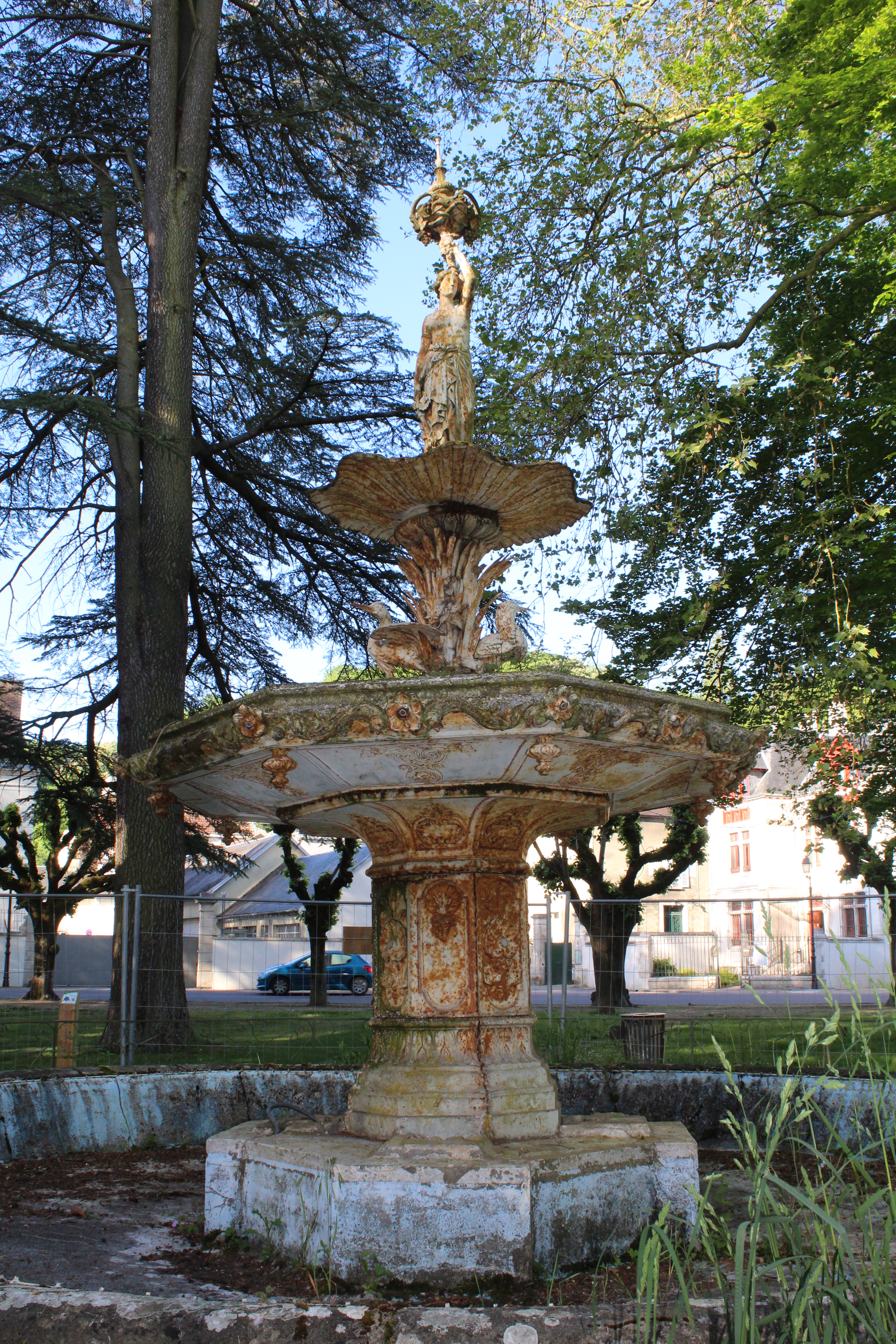
Fontaine du Patis – A Hidden Jewel in Tonnerre, Bourgogne
Discover the charm of one of France’s lesser‑known historic fountains, nestled in the heart of Tonnerre, Bourgogne.
Introduction
If you think the iconic fountains of Paris are the only ones worth a photo‑stop, think again. Tucked away in the medieval town of Tonnerle, Bourgogne, the Fontaine du Patis offers travelers a quiet moment of reflection, a splash of local history, and a perfect backdrop for that Instagram story you’ve been planning. Whether you’re a history buff, a photography enthusiast, or simply wandering the French countryside in search of authentic experiences, this modest stone fountain is a must‑see on any Bourgogne itinerary.
About Fontaine du Patis
A Brief Description
The Fontaine du Patis is a stone fountain located at the coordinates 47.859252, 3.972017 in the centre of Tonnerre. While its exact height and altitude remain undocumented, the fountain’s simple yet elegant design reflects the practical aesthetics of rural French waterworks dating back several centuries. Water once rose from a concealed spring beneath the stone basin, providing fresh drinking water to townsfolk and travelers alike.
History & Significance
Historical records on the fountain are scarce, which only adds to its mystique. According to the French‑language entry on Wikipedia, the Fontaine du Patis has been a fixture of Tonnerre’s public space for generations, serving as a communal gathering point long before modern plumbing arrived. Its name—Patis—is believed to stem from an old local dialect, possibly referring to the surrounding meadow or a family name linked to the original benefactors.
Even without a grand backstory, the fountain stands as a testament to the importance of public water sources in medieval and early‑modern French towns. It reminds visitors that before cafés and bakeries, fountains like the Fontaine du Patis were the lifelines of daily life, offering both sustenance and a place for social exchange.
How to Get There
By Train
The nearest major rail hub is Paris‑Gare de Lyon, from which you can catch a TGV to Dijon Ville (≈1h 45m). From Dijon, transfer to a regional TER line heading toward Tonnerre. The journey from Dijon to Tonnerre takes roughly 1 hour and drops you off at the Tonnerre station, located within walking distance of the town centre.
By Car
Driving gives you the most flexibility to explore the surrounding countryside. From Paris, take the A6 south toward Lyon, then follow the A38 to Auxerre. From Auxerre, the D965 leads directly to Tonnerre. The total drive is about 3 hours (≈300 km). Parking is available in several municipal lots just a few minutes’ walk from the fountain.
By Bus & Bike
Local bus services (e.g., Line 31 from Auxerre) stop at Tonnerre’s main square, a short stroll from the Fontaine du Patis. If you love cycling, the EuroVelo 6 route passes near Tonnerre, offering a scenic ride through vineyards and historic villages before arriving at the fountain’s doorstep.
Getting the Exact Spot
Once in Tonnerre, head toward the historic centre and look for the stone fountain near the town’s main pedestrian zone. The coordinates 47.859252, 3.972017 can be entered into any GPS app for pinpoint accuracy.
Best Time to Visit
| Season | Why Visit | Tips |
|---|---|---|
| Spring (Mar‑May) | Blossoming orchards, mild temperatures, fewer tourists. | Bring a light jacket; the water may be cooler. |
| Summer (Jun‑Aug) | Long daylight hours, lively town festivals. | Arrive early to avoid midday heat; stay hydrated. |
| Autumn (Sep‑Nov) | Golden foliage, harvest markets, crisp air. | Perfect for photography; the fountain’s stone glows in the low sun. |
| Winter (Dec‑Feb) | Quiet streets, occasional festive decorations. | Check opening hours of nearby attractions; the fountain may be less accessible in heavy rain. |
Overall, late spring and early autumn provide the most comfortable weather and the best photographic lighting for the Fontaine du Patis.
What to Expect
When you approach the Fontaine du Patis, you’ll notice a modest stone basin framed by a low, ornamental wall—typical of rural French fountains. The water, sourced from an underground spring, gently bubbles up, creating a soothing sound that blends with the town’s ambient chatter.
Visitors often pause to:
- Take photos: The fountain’s simple geometry makes for striking black‑and‑white or pastel shots, especially when framed by historic façades or seasonal foliage.
- Enjoy a moment of quiet: Sit on the nearby stone bench, listen to the water, and watch locals exchange greetings.
- Learn local lore: Occasionally, a resident will share a short anecdote about the fountain’s role in town festivals or its connection to old water rights.
Because the fountain is a public amenity, there is no admission fee. However, be respectful—avoid climbing on the stonework and keep the area tidy for future travelers.
Nearby Attractions
Tonnerre’s compact historic centre means you can explore several points of interest within a short walk from the Fontaine du Patis.
- Weir (0.3 km) – A small hydraulic structure that once regulated water flow for local mills.
- Marguerite de Bourgogne Fountain (0.4 km) – Another charming fountain named after the famed duchess, perfect for a quick photo‑stop.
- Weir (0.6 km) – A second weir offering insight into the region’s historic water management.
- Dam (0.6 km) – A modest dam that showcases early engineering techniques used in the Bourgogne countryside.
- Dam (0.6 km) – A twin structure to the previous dam, illustrating the network of water control that supported agriculture in the area.
These attractions are all easily reachable on foot, allowing you to weave a full‑day walking tour that combines history, architecture, and the natural beauty of the Yonne river valley.
Travel Tips
- Wear comfortable shoes – The cobblestone streets around Tonnerre can be uneven.
- Carry a reusable water bottle – While the fountain’s water is historically drinkable, modern regulations may limit direct consumption. Refill at a café instead.
- Check opening hours of nearby museums – The Musée de Tonnerre and local art galleries often close earlier in winter.
- Plan for parking – Municipal lots fill up quickly during weekend markets; arriving early secures a spot close to the fountain.
- Learn a few French phrases – A simple “Bonjour” or “Merci” goes a long way with friendly locals.
- Respect the environment – Keep litter to a minimum and stay on designated paths to protect the historic stonework.
- Capture the moment responsibly – Use a tripod only if the area is not crowded; avoid blocking pedestrian traffic.
Bottom Line
The Fontaine du Patis may not boast the grandeur of Parisian landmarks, but its quiet charm, authentic history, and central location make it a standout highlight for anyone exploring Tonnerre or the wider Bourgogne region. Pair it with nearby weirs, dams, and the delightful Marguerite de Bourgogne Fountain for a day steeped in French heritage and scenic beauty.
Pack your camera, lace up those walking shoes, and let the gentle flow of the Fontaine du Patis guide you through one of France’s most picturesque countryside towns. Safe travels!