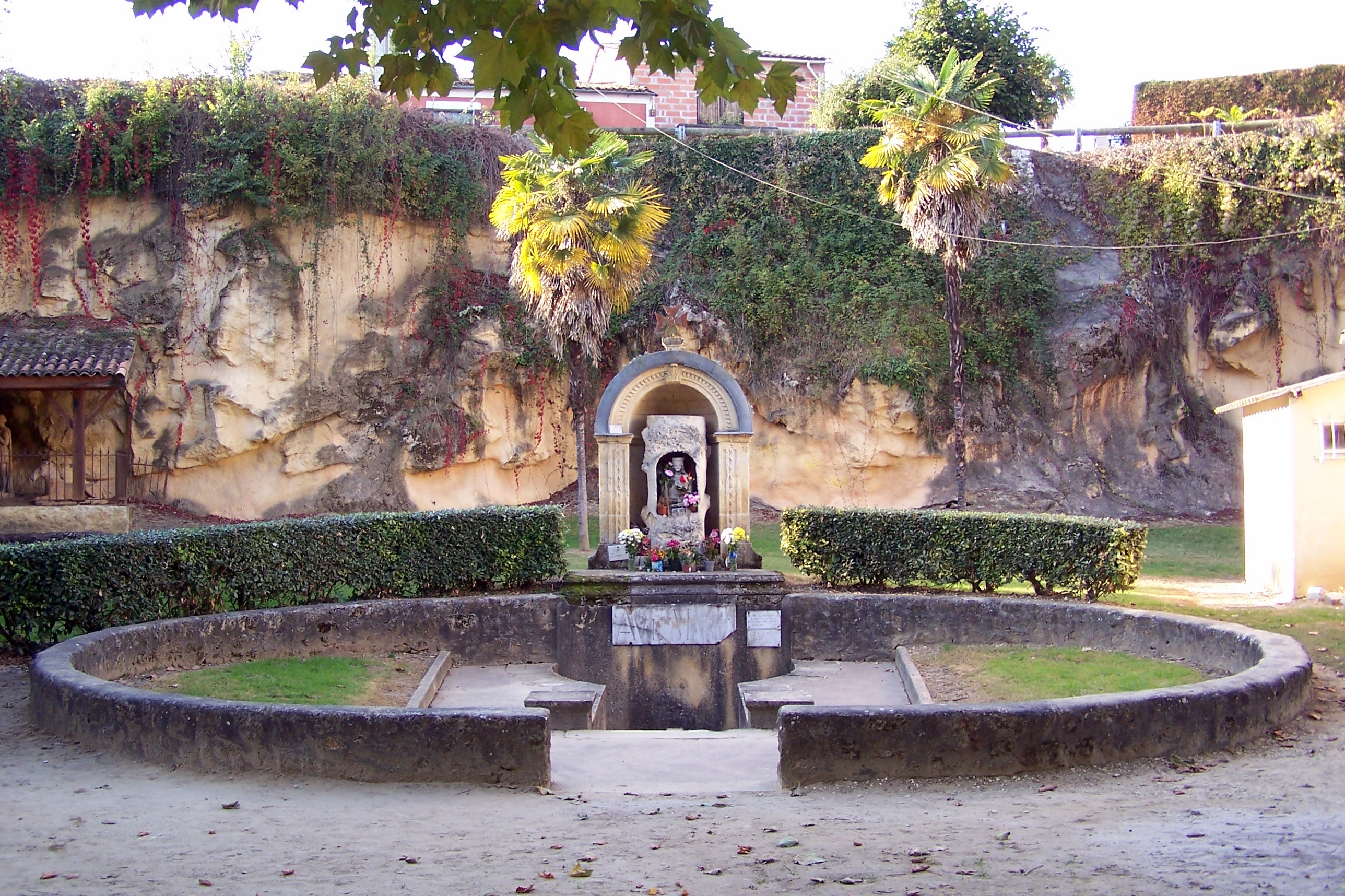
Discover the Enchanting Fontaine Votive et Groupe Commémoratif du Pas de la Mule in Saint‑Maixant, Aquitaine
If you’ve ever dreamed of wandering through the quiet, stone‑lined lanes of rural France and stumbling upon a hidden piece of history, the Pas de la Mule fountain is waiting for you.
1. Introduction
Nestled amid the rolling vineyards and gentle hills of Saint‑Maixant, the Fontaine Votive et Groupe Commémoratif du Pas de la Mule is more than just a decorative water feature—it’s a living relic of pilgrimage, devotion, and local craftsmanship. Travelers who venture off the beaten path of the Gironde region often describe the site as “a serene oasis that whispers stories of centuries‑old faith.” Whether you’re a history buff, a lover of rustic French landscapes, or simply seeking a quiet spot to pause and reflect, this modest yet poignant fountain offers a unique glimpse into Aquitaine’s cultural tapestry.
2. About the Pas de la Mule Fountain
Description
- Type: Votive fountain and commemorative group
- Material: Grès‑céramique (sandstone‑ceramic)
- Location: Saint‑Maixant, Aquitaine, France
- Coordinates: 44.589536, -0.246263
The fountain consists of a modest stone basin crowned by a small sculptural ensemble, all crafted from locally sourced sandstone‑ceramic. While the exact height and altitude remain undocumented, the structure blends seamlessly with the surrounding countryside, its weathered surface bearing the gentle patina of time.
History & Significance
The Pas de la Mule site has long served as a pilgrimage waypoint for devotees traveling to the renowned shrine of Verdelais, a major Marian pilgrimage destination in Aquitaine. Pilgrims would stop at the fountain to pray, refresh themselves, and leave votive offerings—a tradition that gave rise to the term “votive” in its name. Over the centuries, the fountain also evolved into a commemorative monument, honoring local saints and the collective memory of the community’s spiritual journey.
According to the French Wikipedia entry, the fountain is part of a broader ensemble of religious artifacts that punctuate the landscape of Saint‑Maixant, reflecting the deep-rooted Catholic heritage of the region. Its presence today continues to attract both pilgrims and curious travelers who appreciate the quiet reverence that permeates the site.
3. How to Get There
By Car
- From Bordeaux: Take the A10 motorway north toward Libourne, then exit onto the D936 toward Saint‑Maixant. Follow the signs for the village center; the fountain sits just a short walk from the main road.
- Parking: Free roadside parking is available near the village square. From there, it’s a 5‑minute stroll to the fountain.
By Public Transport
- Train: The nearest SNCF station is Libourne, about 15 km away. From Libourne, catch a regional TER bus (line 84) toward Saint‑Maixant.
- Bus: The local bus stops a few minutes’ walk from the fountain. Check the latest schedules on the Nouvelle Aquitaine transport website, as services are limited on weekends.
By Bike or On Foot
The surrounding countryside is crisscrossed with quiet country lanes and marked hiking trails. Cycling from nearby towns such as Bordeaux (≈ 50 km) or Libourne (≈ 15 km) offers a scenic, low‑impact way to arrive. The gentle gradients make it suitable for all skill levels.
4. Best Time to Visit
| Season | Weather | Visitor Experience |
|---|---|---|
| Spring (Mar‑May) | Mild temperatures, blossoming vines | Ideal for photography; the surrounding fields are lush and colorful. |
| Summer (Jun‑Aug) | Warm, occasional rain showers | Longer daylight hours, but expect more local tourists. Early mornings are quieter. |
| Autumn (Sep‑Nov) | Cool, golden foliage | Perfect for a tranquil walk; the harvest season adds a festive atmosphere in nearby villages. |
| Winter (Dec‑Feb) | Cool, occasional frost | Fewer visitors; the fountain’s stonework takes on a dramatic, mist‑kissed look. |
Tip: The pilgrimage season peaks in early September, aligning with the traditional Fête de la Vierge in Verdelais. Visiting during this period offers a unique chance to witness local devotional practices.
5. What to Expect
When you arrive at the Pas de la Mule fountain, you’ll be greeted by a peaceful tableau:
- A Quiet Sanctuary: The fountain sits in a small, paved courtyard shaded by ancient oak trees. The gentle sound of trickling water creates a meditative backdrop.
- Historical Ambience: Weathered stone plaques and subtle religious symbols hint at the site’s centuries‑old purpose. You may see small votive candles or ribbons left by pilgrims.
- Scenic Views: Beyond the fountain, the rolling vineyards of Saint‑Maixant stretch toward the horizon, punctuated by stone farmhouses and distant hills.
- Local Interaction: Residents often stop by to refill water bottles or chat with visitors, offering a warm, authentic French hospitality.
Take a moment to sit on the stone bench, sip the cool water (if still flowing), and soak in the tranquility that has comforted travelers for generations.
6. Nearby Attractions
While the Pas de la Mule fountain is a highlight in its own right, the surrounding area brims with additional points of interest—perfect for a full‑day itinerary.
| Attraction | Distance | Type | Quick Link |
|---|---|---|---|
| Fontaine Votive du Pas de la Mule | 0 km | Fountain | Learn More |
| Fontaine de Penot | 2.5 km | Spring | Explore Penot Spring |
| Source de La Corne | 3.0 km | Spring | Visit Source de La Corne |
| Fontaine de Corneil | 3.2 km | Spring | Discover Fontaine de Corneil |
| [Unnamed Fountain] | 3.7 km | Fountain | (Link unavailable – explore local maps for hidden gems) |
Additional suggestions:
- Verdelais Shrine – A short drive (≈ 12 km) to the famed Marian pilgrimage site, featuring a beautiful basilica and a bustling market on feast days.
- Saint‑Émilion Vineyards – World‑renowned wine region just 20 km away; consider a wine‑tasting tour or a leisurely stroll among the historic vineyards.
7. Travel Tips
| Tip | Details |
|---|---|
| Dress Comfortably | Rural paths may be uneven; wear sturdy walking shoes and bring a light jacket, especially in spring or autumn. |
| Respect the Site | As a place of pilgrimage, avoid loud conversations and refrain from touching any religious artifacts. |
| Stay Hydrated | While the fountain offers fresh water, bring a reusable bottle for convenience. |
| Check Opening Hours | The fountain is publicly accessible year‑round, but nearby cafés and shops may have limited hours outside peak tourist season. |
| Currency | Euros are accepted everywhere; many small villages prefer cash for tiny purchases. |
| Language | French is the primary language; a few basic phrases (“Bonjour”, “Merci”) go a long way with locals. |
| Photography | Allowed, but be mindful of any signs indicating restrictions, especially around religious symbols. |
| Parking | Free street parking is available, but arrive early during weekends to secure a spot. |
| Local Events | Look up the calendar for Verdelais pilgrimage dates and Saint‑Maixant village festivals for a richer cultural experience. |
Final Thoughts
The Fontaine Votive et Groupe Commémoratif du Pas de la Mule may not boast towering arches or grand museums, but its quiet charm lies in the stories etched into its stone and the serenity it offers travelers willing to wander off the main tourist routes. Pair it with a leisurely drive through Aquitaine’s vineyards, a sip of local Bordeaux wine, and a stroll through neighboring springs, and you’ll discover a slice of French heritage that feels both timeless and intimately personal.
Pack your curiosity, follow the coordinates 44.589536, -0.246263, and let the gentle murmur of the Pas de la Mule fountain guide you into the heart of Saint‑Maixant’s hidden treasures. Safe travels!