Discover the Hidden Charm of Fontaine de Blienschwiller – An Alsatian Fountain Gem
If you think the iconic vineyards and fairy‑tale villages are the only reasons to visit Alsace, think again. Nestled in the quiet hamlet of Blienschwiller, just a stone’s throw from Dambach‑la‑Ville, lies a modest yet captivating water feature that locals cherish: the Fontaine de Blienschwiller. This unassuming fountain invites travelers to pause, sip the history of the region, and soak in the serene countryside.
About Fontaine de Blienschwiller
A Brief Description
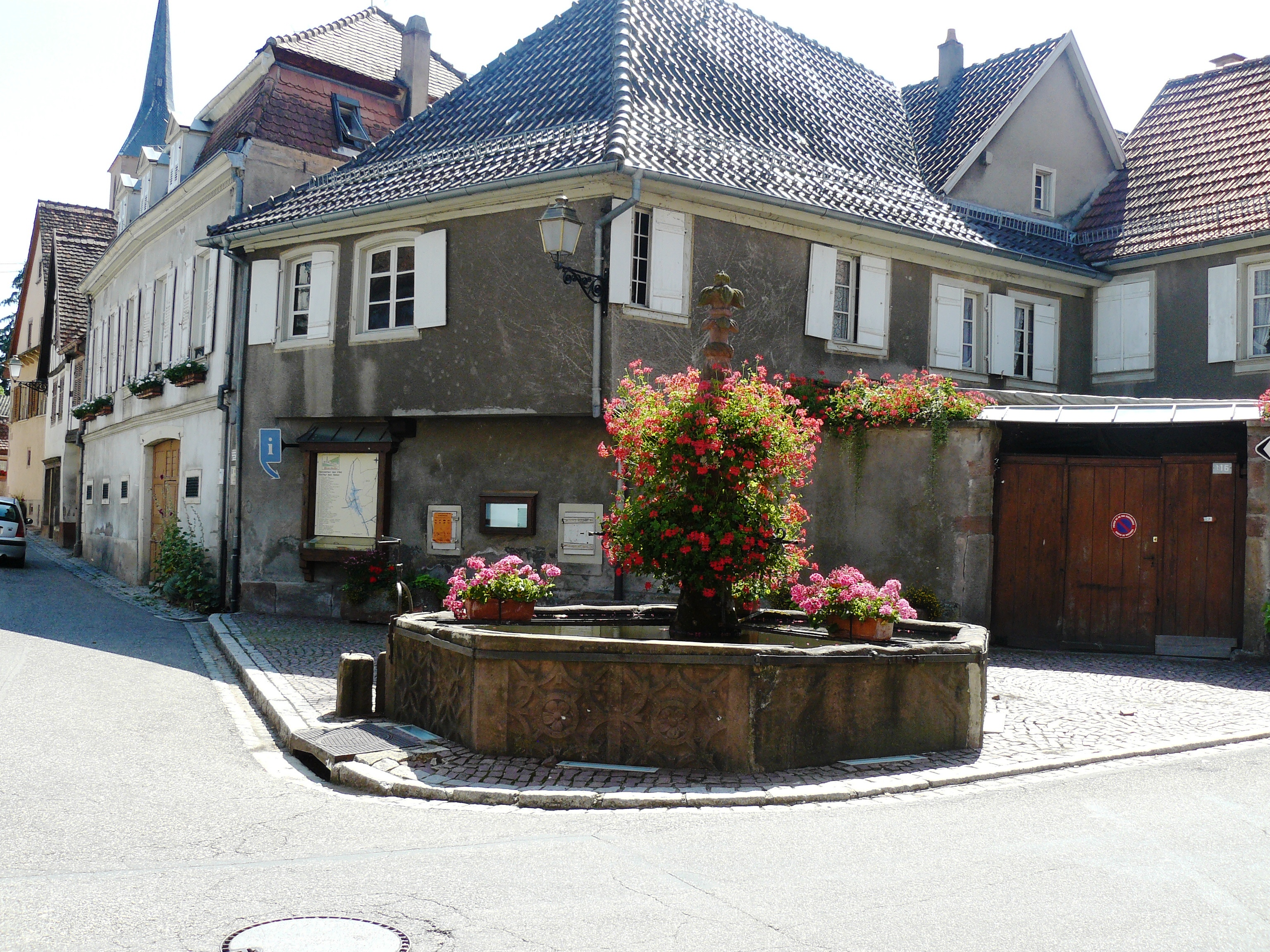
The Fontaine de Blienschwiller (French: Fontaine de Blienschwiller) is a traditional stone fountain perched at the heart of the tiny village of Blienschwiller in the Bas‑Rhin department of Alsace. While its exact height and altitude remain undocumented, the fountain’s simple stone basin and gently arcing water spout embody the classic Alsatian style—functional, sturdy, and subtly decorative.
Historical Roots
The fountain dates back to the 19th century, a period when communal water sources were essential for daily life in rural France. Villagers would gather here not only to draw drinking water but also to exchange news, celebrate festivals, and mark the rhythm of agricultural seasons. Over time, the Fontaine de Blienschwiller transitioned from a practical necessity to a cultural landmark, symbolising the enduring bond between Alsace’s people and their natural environment.
Why It Matters
- Cultural Heritage: The fountain is listed on the French heritage register, underscoring its value as a piece of local history.
- Architectural Simplicity: Its stone construction showcases the region’s traditional masonry techniques, offering a tangible lesson in Alsatian craftsmanship.
- Community Hub: Even today, residents use the fountain as a meeting point during village fêtes and seasonal celebrations.
How to Get There
By Car
- From Strasbourg: Take the A35 south toward Sélestat, exit at D662 and follow signs for Dambach‑la‑Ville. After passing the town centre, continue on D264 for about 3 km; the fountain sits just off the road near the crossroads of Rue du Village.
- Parking: A small public parking area is available near the village church, a short 5‑minute walk to the fountain.
By Public Transport
- Train: Board a TER Alsace train to Sélestat (approximately 30 minutes from Strasbourg).
- Bus: From Sélestat, catch the Line 22 bus toward Dambach‑la‑Ville. Get off at the “Blienschwiller” stop; the fountain is a 3‑minute walk from the bus shelter.
- Bike: The Alsace bike‑path network (Véloroute du Rhin) runs close to the village, offering a scenic 12‑km ride from Sélestat for the more adventurous.
By Foot
For avid hikers, the GR 5 long‑distance trail passes near Dambach‑la‑Ville. A detour of about 1 km will bring you to the fountain, perfect for a refreshing break after a forest walk.
Coordinates: 48.341501 N, 7.418246 E – plug these into any GPS or mapping app for precise navigation.
Best Time to Visit
| Season | What to Expect | Why It’s Ideal |
|---|---|---|
| Spring (April‑June) | Blooming orchards, mild temperatures (12‑18 °C) | The fountain’s water flow is strongest after the winter melt, and the surrounding meadows burst into color. |
| Summer (July‑August) | Warm days (20‑26 °C), longer daylight | Perfect for picnics on the nearby grassland; the fountain provides a cool, shaded spot. |
| Autumn (September‑October) | Golden foliage, harvest festivals | The village hosts a small “Fête de la Fontaine” celebrating local produce—great for cultural immersion. |
| Winter (November‑March) | Quiet, occasional frost | While the water may be reduced, the serene snow‑covered landscape offers a magical, off‑peak experience. |
Tip: The fountain is most photogenic during early morning light (sunrise) or late afternoon (golden hour) when the stone glows softly and the surrounding vineyards catch the sun.
What to Expect
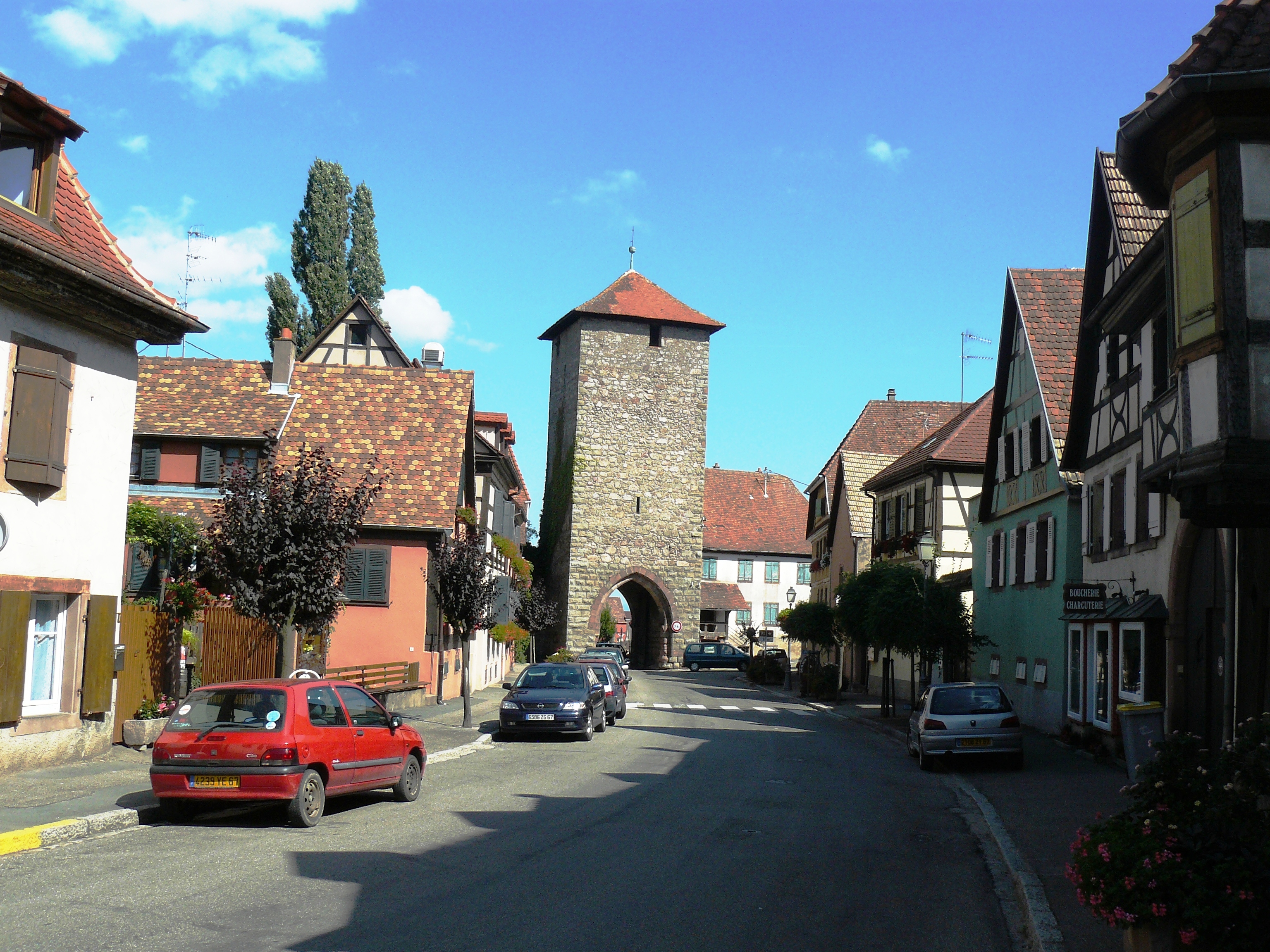
Arriving at Fontaine de Blienschwiller, you’ll be greeted by the gentle murmur of water cascading over aged stone. The setting is quintessentially Alsatian: a backdrop of terraced vineyards, half‑timbered houses with colorful shutters, and the distant silhouette of the Vosges mountains.
- Atmosphere: Expect a tranquil, almost meditative vibe. Locals often sit on the low stone benches nearby, chatting in the Alsatian dialect.
- Photography: The fountain’s simple geometry makes it an excellent subject for both wide‑angle landscape shots and intimate detail photos of the water flow.
- Refreshments: A small kiosk a few meters away sells fresh “Eau de source” (bottled spring water) and regional pastries like Kougelhopf—ideal for a quick snack while you admire the view.
Because the fountain is a community asset, visitors are encouraged to respect its cleanliness—no litter, and avoid feeding the water to pets.
Nearby Attractions
While the Fontaine de Blienschwiller is a highlight, the surrounding countryside brims with additional points of interest—all within a short walk or bike ride.
| Distance | Attraction | Type | Why Visit |
|---|---|---|---|
| 1.1 km | Unnamed Fountain | Fountain | A quiet spot perfect for a short stroll; ideal for sunrise photography. |
| 2.0 km | Unnamed Fountain | Fountain | Offers a picturesque setting near a small orchard. |
| 2.0 km | Fontaine de l'Ours | Fountain | Known locally as “Bear Fountain,” featuring a whimsical bear sculpture—great for family photos. |
| 2.1 km | Unnamed Fountain | Fountain | Nestled beside a historic stone bridge, providing a glimpse into medieval engineering. |
| 2.2 km | Unnamed Fountain | Fountain | Overlooks a meadow dotted with wild lavender, perfect for a relaxing picnic. |
Quick Links
- Fontaine de l'Ours – Wikipedia (if available)
- For the other nearby fountains, simply follow the local signage; they’re all marked on the village trail map available at the tourist office in Dambach‑la‑Ville.
Additional Must‑See Spots (within a 10‑km radius):
- Château du Hohlandsbourg – a medieval castle offering panoramic views of the Alsace plain.
- Route des Vins d'Alsace – the famous wine route, where you can sample Rieslings and Gewürztraminers at family‑run cellars.
- Parc naturel régional des Vosges du Nord – a protected natural park with hiking trails, wildlife observation points, and traditional Alsatian villages.
Travel Tips
- Language: While French is the official language, many locals speak Alsatian dialect. A friendly “Bonjour” goes a long way.
- Cash: Small villages often prefer cash for market stalls and kiosks. Keep a few euros handy.
- Parking: Arrive early during weekends to secure a spot in the limited village parking lot.
- Timing: If you’re interested in the Fête de la Fontaine (usually held in early October), check the Dambach‑la‑Ville municipal website for exact dates.
- Dress Code: Comfortable walking shoes are essential; some paths near the fountain are cobblestoned.
- Photography Etiquette: Ask permission before photographing locals, especially during private moments at the fountain.
- Sustainability: Bring a reusable water bottle—refill it at the fountain (if permitted) to reduce plastic waste.
Wrap‑Up
The Fontaine de Blienschwiller may not boast the grandeur of Parisian monuments, but its quiet elegance captures the soul of Alsace—where history, nature, and community flow together like the water from its stone spout. Whether you’re a seasoned traveler seeking off‑the‑beaten‑path experiences, a photography enthusiast chasing the perfect light, or simply a wanderer yearning for a peaceful pause, this hidden fountain offers a memorable slice of French countryside charm.
Pack your camera, hop on a bike, or take the scenic train to Dambach‑la‑Ville, and let the gentle splash of the Fontaine de Blienschwiller guide you into the heart of Alsace’s timeless allure.
Happy travels, and may every sip of this historic water inspire your next adventure!