Fontaine de l'Ours – A Hidden Gem in the Heart of Alsace
Discover the charm of Dambach‑la‑Ville’s most iconic fountain and why it belongs on every traveler’s Alsace itinerary.
Introduction
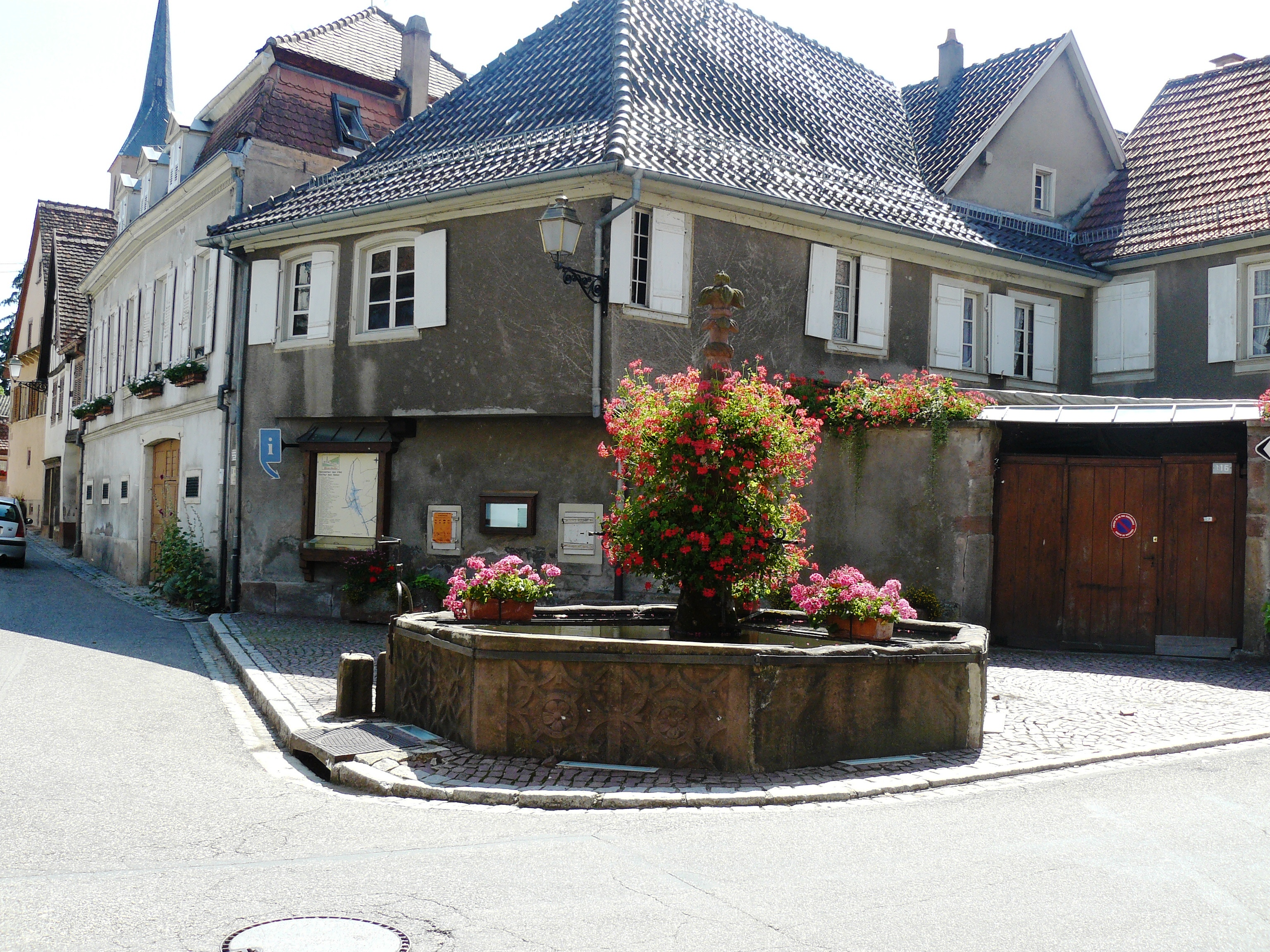
If you picture Alsace, you might first think of vineyards, half‑timbered houses, and the bustling streets of Strasbourg. Yet some of the region’s most memorable moments happen in the quiet corners of its small villages. One such moment awaits you at Fontaine de l'Ours, a modest yet captivating fountain perched in the historic centre of Dambage‑la‑Ville. With its bear‑themed stonework and the gentle murmur of water, this fountain offers a perfect pause for photographers, history lovers, and anyone craving an authentic slice of French village life.
About Fontaine de l'Ours
A Brief Description
- Type: Fountain ⛲
- Location: Dambach‑la‑Ville, Alsace, France
- Coordinates: 48.323704 N, 7.425042 E
The fountain’s name—de l’Ours (“of the Bear”)—derives from the sculpted bear that crowns the stone basin. While the exact height and altitude remain undocumented, the structure’s proportions blend seamlessly with the surrounding medieval façades, creating a harmonious focal point in the village square.
Historical Roots
The fountain dates back to the 19th century, a period when many Alsatian towns invested in public water sources to improve sanitation and provide a communal gathering place. Over time, Fontaine de l'Ours evolved from a purely utilitarian installation into a symbolic landmark, representing the resilience and folklore of the region. Local legends tell of a bear that once roamed the nearby Vosges hills, a creature that inspired the fountain’s decorative motif and continues to be celebrated in village festivals.
Cultural Significance
Beyond its aesthetic appeal, the fountain serves as a social hub. Villagers traditionally meet here to exchange news, sip a glass of vin d’Alsace, and enjoy the occasional street performance. For travelers, it offers a glimpse into everyday life in a quintessential Alsatian community—an experience that can’t be replicated in larger tourist hotspots.
How to Get There
By Air
- Nearest airports: Strasbourg Airport (SXB) – 70 km; Basel-Mulhouse‑Freiburg Airport (BSL/MLH/EAP) – 95 km.
- From either airport, rent a car or take a regional train to Sélestat, then a short bus ride or taxi to Dambach‑la‑Ville.
By Train
- Sélestat is the closest major railway station, served by TGV and TER lines from Paris, Strasbourg, and Basel.
- From Sélestat, catch the TER Alsace line toward Molsheim; get off at Dambach‑la‑Ville (the journey lasts ~15 minutes).
By Car
- From Strasbourg: take A35 south toward Sélestat, then exit onto D417 toward Dambach‑la‑Ville. The drive is roughly 1 hour (≈70 km).
- Parking is available in the village’s public lot just a few minutes’ walk from the fountain.
By Bike or Foot
- The Véloroute du Rhin passes near Dambach‑la‑Ville, offering scenic cycling routes through vineyards and forested hills.
- For the adventurous, a 10‑km hike from the Vosges foothills brings you directly to the village square, where the fountain awaits.
Best Time to Visit
| Season | Why Visit? | Weather & Crowd Levels |
|---|---|---|
| Spring (April‑June) | Blossoming vineyards and mild temperatures make for perfect photo lighting. | Light crowds, occasional rain showers—bring a light jacket. |
| Summer (July‑August) | Long daylight hours allow evening strolls around the illuminated fountain. | Warm, busy tourist season; arrive early to avoid midday crowds. |
| Autumn (September‑October) | Golden foliage frames the fountain, and the harvest festivals add extra vibrancy. | Pleasant temps, fewer tourists—ideal for relaxed exploration. |
| Winter (November‑March) | The fountain takes on a quiet, almost magical atmosphere, especially when dusted with snow. | Cold; some attractions may have limited hours, but the village’s charm remains. |
Insider tip: Visiting on a Tuesday morning (when most locals are at work) gives you the most tranquil experience, allowing you to hear the water’s gentle splash without background chatter.
What to Expect
Visual & Sensory Experience
Approaching the fountain, you’ll first notice the bear sculpture perched proudly atop the stone basin—its eyes seem to follow you, adding a playful character to the scene. The water flows in a steady, soothing stream, creating a subtle mist that catches the sunlight in the summer or glistens with frost in winter.
Photo Opportunities
- Close‑up of the bear: Capture the intricate carving against a soft background.
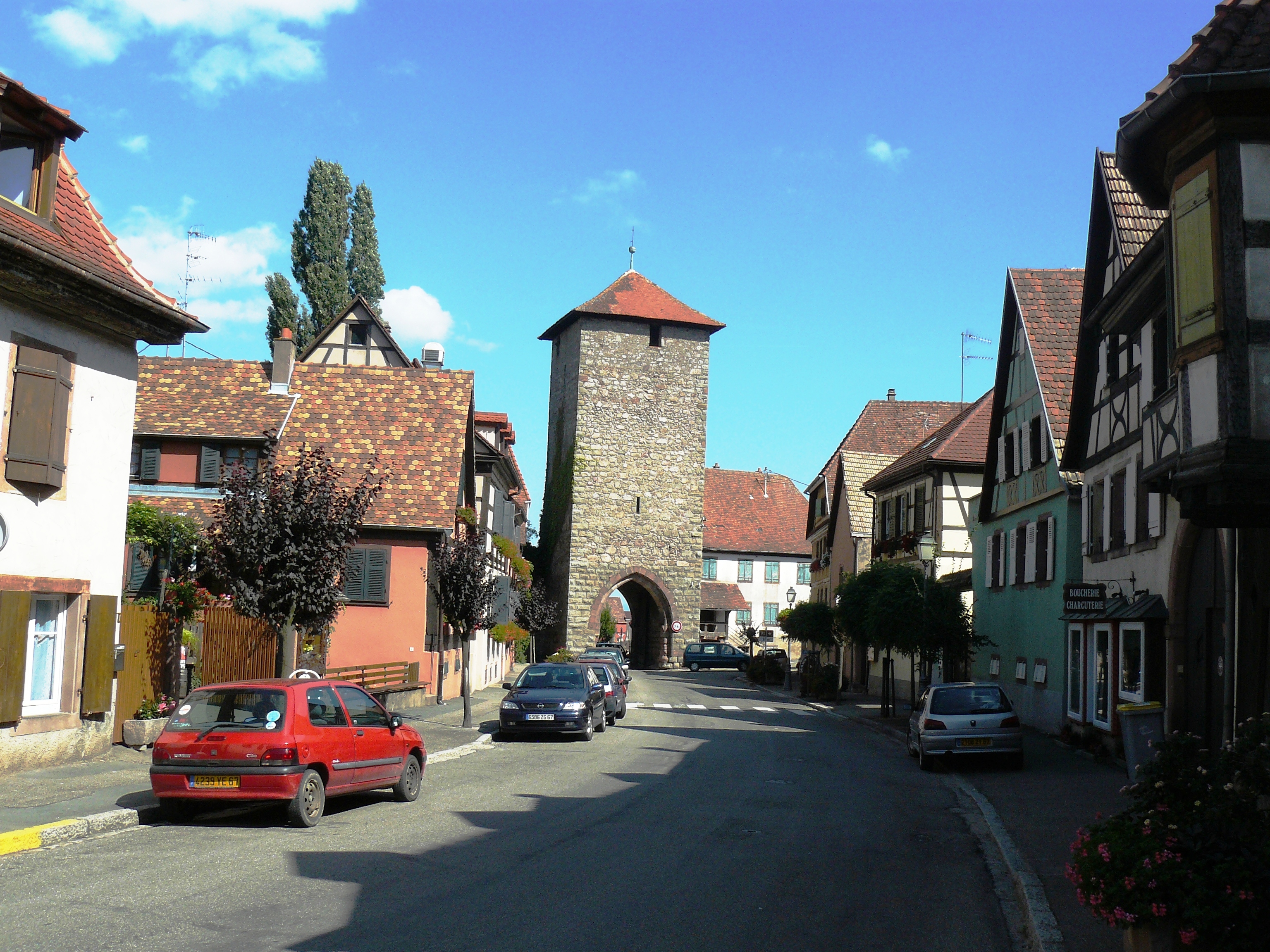
- Wide shot of the square: Include the surrounding half‑timbered houses for a quintessential Alsatian tableau.
- Nighttime illumination: If you’re lucky to visit after dusk, the fountain is softly lit, offering a romantic glow perfect for long‑exposure shots.
Interaction
Feel free to dip your hands in the cool water—locals have done this for generations. If you’re traveling with children, the gentle flow makes for a safe, spontaneous splash zone.
Nearby Attractions
Dambach‑la‑Ville is a compact village, and the Fontaine de l'Ours sits within walking distance of several other charming sights:
| Distance | Attraction | Description |
|---|---|---|
| 0.1 km | Nearby Fountain | A small stone fountain tucked behind the town hall, perfect for a quick photo stop. |
| 0.2 km | Fountain #2 | Features a decorative bas-relief of local flora; often used as a meeting point for market days. |
| 0.2 km | Fountain #3 | Known for its historic plaque commemorating the village’s 19th‑century water system. |
| 0.2 km | Fountain #4 | A modern reinterpretation of traditional Alsatian motifs, installed in 2005. |
| 0.2 km | Fountain #5 | Situated near the old mill, this fountain offers a serene backdrop for picnics. |
All of these fountains are easily reachable on foot and can be explored as part of a leisurely “fountain tour” of Dambach‑la‑Ville.
For a deeper dive into the village’s history, visit the Dambach‑la‑Ville Wikipedia page, which includes additional context about the fountain and its surroundings.
Travel Tips
- Currency & Payments – France uses the Euro (€). Most cafés and shops accept card payments, but keep some cash for small vendors or market stalls.
- Language – While French is the official language, many locals speak Alsatian dialects. A few polite French phrases (“Bonjour,” “Merci”) go a long way.
- Dress Code – Comfortable walking shoes are a must; cobblestone streets can be uneven. In winter, layered clothing and waterproof boots are advisable.
- Photography Etiquette – Respect private properties surrounding the fountain. Ask permission before photographing people, especially during market days.
- Local Cuisine – Don’t miss the chance to try tarte flambée (flammekueche) at a nearby winstub. Pair it with a glass of Gewürztraminer from the surrounding vineyards.
- Timing for Markets – The village market usually takes place on Saturday mornings in the square adjacent to the fountain. Arriving early ensures the best selection of fresh produce and artisanal goods.
- Safety – The fountain’s water is safe for touching but not for drinking. Keep an eye on children near the basin, especially during busy periods.
Wrap‑Up
Whether you’re a seasoned traveler seeking off‑the‑beaten‑path experiences or a casual explorer eager to soak up authentic Alsatian culture, Fontaine de l'Ours offers a delightful blend of history, art, and everyday life. Its bear‑crowned stonework stands as a silent storyteller, inviting you to pause, listen to the water, and become part of Dambach‑la‑Ville’s living heritage.
Pack your camera, lace up your walking shoes, and let the gentle splash of Fontaine de l'Ours guide you through one of Alsace’s most charming villages. Happy travels!