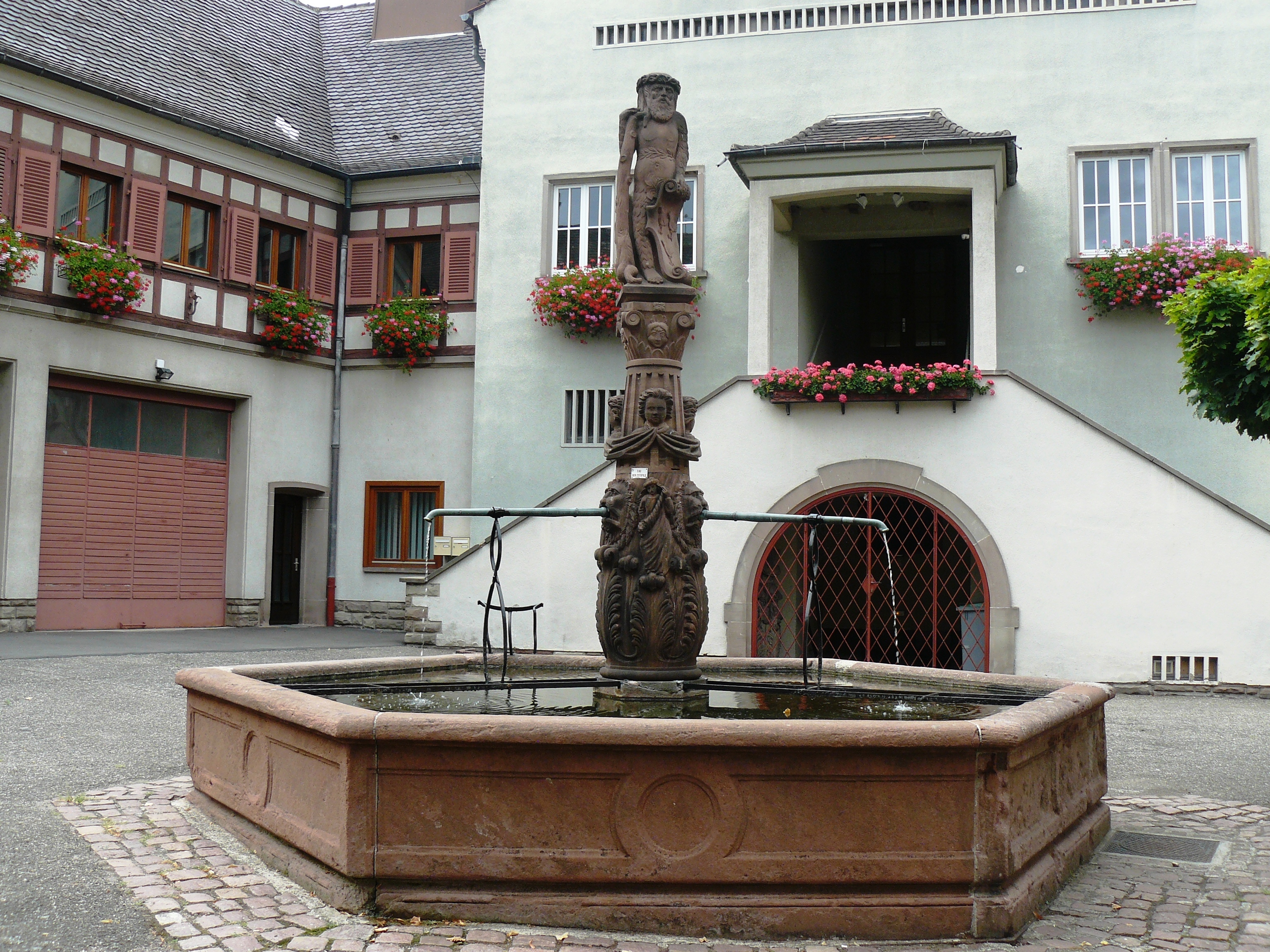
Fontaine de l'Homme Sauvage – A Hidden Fountain Gem in Alsace, France
Discover the charm of this little‑known fountain nestled in the heart of Ammerschwihr, and learn how to make the most of your Alsace adventure.
Introduction
If you think the vineyards of Alsace are only about wine, you’ve missed one of the region’s quiet treasures: Fontaine de l'Homme Sauvage. Tucked away in the picturesque village of Ammerschwihr, this modest stone fountain offers a perfect pause for travelers craving an authentic slice of French countryside life. Whether you’re strolling through the vineyards, exploring medieval streets, or simply chasing Instagram‑worthy moments, the fountain’s rustic allure and the legend hinted by its name (“Wild Man”) make it a must‑see stop on any Alsace itinerary.
About Fontaine de l'Homme Sauvage
Description
- Type: Fountain ⛲
- Location: Ammerschwihr, Alsace, France
- Coordinates: 48.125444 N, 7.281790 E
The fountain sits at the intersection of a quiet lane and the village’s central square, surrounded by traditional half‑timbered houses that define Alsace’s architectural heritage. While the exact height and altitude of the structure remain undocumented, its stone basin and low‑relief sculpture—evoking the “wild man” motif—blend seamlessly with the surrounding landscape.
History & Significance
The name Homme Sauvage (Wild Man) references a recurring figure in European folklore, often depicted as a bearded, rustic man symbolising the untamed forest. In Alsace, such imagery historically marked communal water sources, serving both practical and cultural purposes. Though detailed archival records for this specific fountain are scarce, its presence on the village map underscores its role as a historic gathering point for locals who once fetched water here before modern plumbing.
Today, the fountain stands as a living piece of Ammerschwihr’s heritage, offering visitors a glimpse into the everyday life of past centuries while providing a tranquil spot for contemplation amid the rolling vineyards of the Alsace wine route.
How to Get There
By Air
- Nearest airports: Strasbourg International Airport (SXB) – ~60 km; Basel-Mulhouse‑Freiburg (BSL/MLH) – ~70 km.
- From either airport, rent a car or catch a regional train to Colmar, the gateway city to the Haut‑Rhin department.
By Train
- Colmar is well‑connected via TGV (high‑speed) and TER regional services from Paris, Strasbourg, and Basel.
- From Colmar, board a TER train toward Mittelbergheim or Kaysersberg and alight at Ammerschwihr (the stop is only a few minutes away).
By Car
- From A6 (Paris‑Lyon) take the A35 toward Strasbourg → Colmar → Ammerschwihr.
- Parking is available on the village’s peripheral streets; look for signs indicating “Parking Public” near the town hall.
By Bike or Foot
- The EuroVelo 6 (Rivers and Routes) passes close to Ammerschwihr, making the fountain an ideal waypoint for cyclists exploring the Alsace wine route.
- For walkers, the Sentier des Vignes trail links neighboring villages and offers scenic vineyard views en route to the fountain.
Best Time to Visit
| Season | Weather | Visitor Experience |
|---|---|---|
| Spring (Mar‑May) | Mild temperatures, blooming vines | Ideal for photo‑ops; fewer crowds |
| Summer (Jun‑Aug) | Warm, occasional thunderstorms | Vibrant village festivals; watch locals fill the fountain |
| Autumn (Sep‑Nov) | Harvest colours, crisp air | Perfect for wine‑tasting tours; the fountain glistens with fallen leaves |
| Winter (Dec‑Feb) | Cold, occasional snow | Quiet, magical atmosphere; the stone basin may be frosted, creating a fairytale scene |
Tip: The fountain is accessible year‑round, but the late spring and early autumn months provide the best combination of pleasant weather, lush surroundings, and manageable visitor numbers.
What to Expect
Arriving at Fontaine de l'Homme Sauvage, you’ll first notice the gentle sound of water trickling into a stone basin—a soothing backdrop to the village’s quiet rhythm. The fountain’s low‑relief sculpture, reminiscent of a “wild man” emerging from the earth, invites close inspection; take a moment to trace the weathered lines that have endured centuries of Alsatian weather.
Surrounding the fountain are benches and a small paved plaza where locals often sit with a glass of Gewürztraminer or a freshly baked Bretzel. In summer, children splash their hands in the cool water, while in winter, the basin may be rimmed with a delicate layer of frost, turning the spot into a miniature ice sculpture.
Because the fountain is a community landmark, you’ll frequently hear the soft chatter of villagers in the Alsatian dialect, the clink of café cups from nearby cafés, and the distant hum of vineyard tractors during harvest season. This authentic ambiance makes the fountain more than a photo backdrop—it’s a living slice of Alsatian daily life.
Nearby Attractions
While you’re in the area, consider extending your itinerary to include these charming sites, all within a short walk or bike ride:
| Attraction | Type | Distance from Fountain | Quick Info |
|---|---|---|---|
| Stockbrunnen | Fountain | 0.1 km | Another historic stone fountain, perfect for a quick photo series. |
| [Unnamed Weir] | Weir | 0.9 km | A small water management structure that illustrates traditional Alsatian engineering. |
| [Unnamed Fountain] | Fountain | 1.1 km | A hidden gem tucked behind a vineyard wall—ideal for quiet contemplation. |
| [Unnamed Weir] | Weir | 1.1 km | Offers a scenic spot for bird‑watching along the local stream. |
| [Unnamed Weir] | Weir | 1.1 km | Provides a gentle walking path alongside the watercourse. |
Note: The exact names of the three weirs and the second fountain are not listed in official guides, but they are easily discoverable by following the village’s small footpaths and asking a local for directions.
Travel Tips
- Bring Cash for Small Purchases – Many village cafés and souvenir stalls in Ammerschwihr prefer euros in cash.
- Learn a Few French Phrases – A simple “Bonjour” or “Merci” goes a long way with friendly locals.
- Dress Comfortably – Cobblestone streets can be uneven; wear supportive shoes, especially if you plan to explore the surrounding vineyards on foot.
- Stay Hydrated – While the fountain’s water is not for drinking, the region’s warm summer days can be dehydrating. Carry a reusable bottle.
- Respect the Site – The fountain is a historic communal water source. Avoid climbing on the stone basin and keep litter to a minimum.
- Check Local Event Calendars – Ammerschwihr hosts seasonal festivals (wine harvest, Christmas markets) that can add cultural depth to your visit.
- Parking – If you drive, aim to arrive early in the morning to secure a spot near the village center; the streets can fill quickly during peak tourist season.
- Photography – Early morning light (around 7 am) or the golden hour (around 6 pm) casts soft shadows that highlight the fountain’s stone texture.
Final Thoughts
The Fontaine de l'Homme Sauvage may not appear on every mainstream travel guide, but that’s precisely what makes it a rewarding discovery for the curious explorer. Its modest stone elegance, coupled with the surrounding charm of Ammerschwihr and the broader allure of the Alsace wine route, offers a uniquely French experience—one where history, nature, and everyday life converge around a single, gently bubbling fountain.
So the next time you find yourself wandering through the vineyards of eastern France, carve out a few minutes to stand before this quiet monument. Let the water’s murmur remind you that the most memorable journeys are often found in the places that whisper rather than shout.
Happy travels, and may your path through Alsace be as refreshing as the waters of Fontaine de l'Homme Sauvage!