Fontaine aux Abeilles – The Charming Bee‑Shaped Fountain of Haguenau, Alsace
Discover the hidden sparkle of Haguenau’s historic town centre and why the Fontaine aux Abeilles should be on every traveler’s Alsace itinerary.
1. Introduction
If you think of Alsace as only vineyards, timber‑framed houses, and the majestic Château du Haut‑Kœnigsbourg, think again. Nestled in the heart of Haguenau, the Fontaine aux Abeilles (Bee Fountain) is a petite yet unforgettable landmark that captures the playful spirit of this French‑German border region. At just 4 metres tall, the fountain may be modest in size, but its ornate design, central location, and buzzing history make it a perfect photo‑stop for culture lovers, families, and anyone strolling through the historic streets of Haguenau.
Whether you’re mapping out a day‑trip from Strasbourg, a weekend road‑trip through the Alsace wine route, or a leisurely walk along the River Moder, the Fontaine aux Abeilles is a must‑see “Instagram‑worthy” spot that adds a splash of local charm to your travel story.
2. About Fontaine aux Abeilles
Description
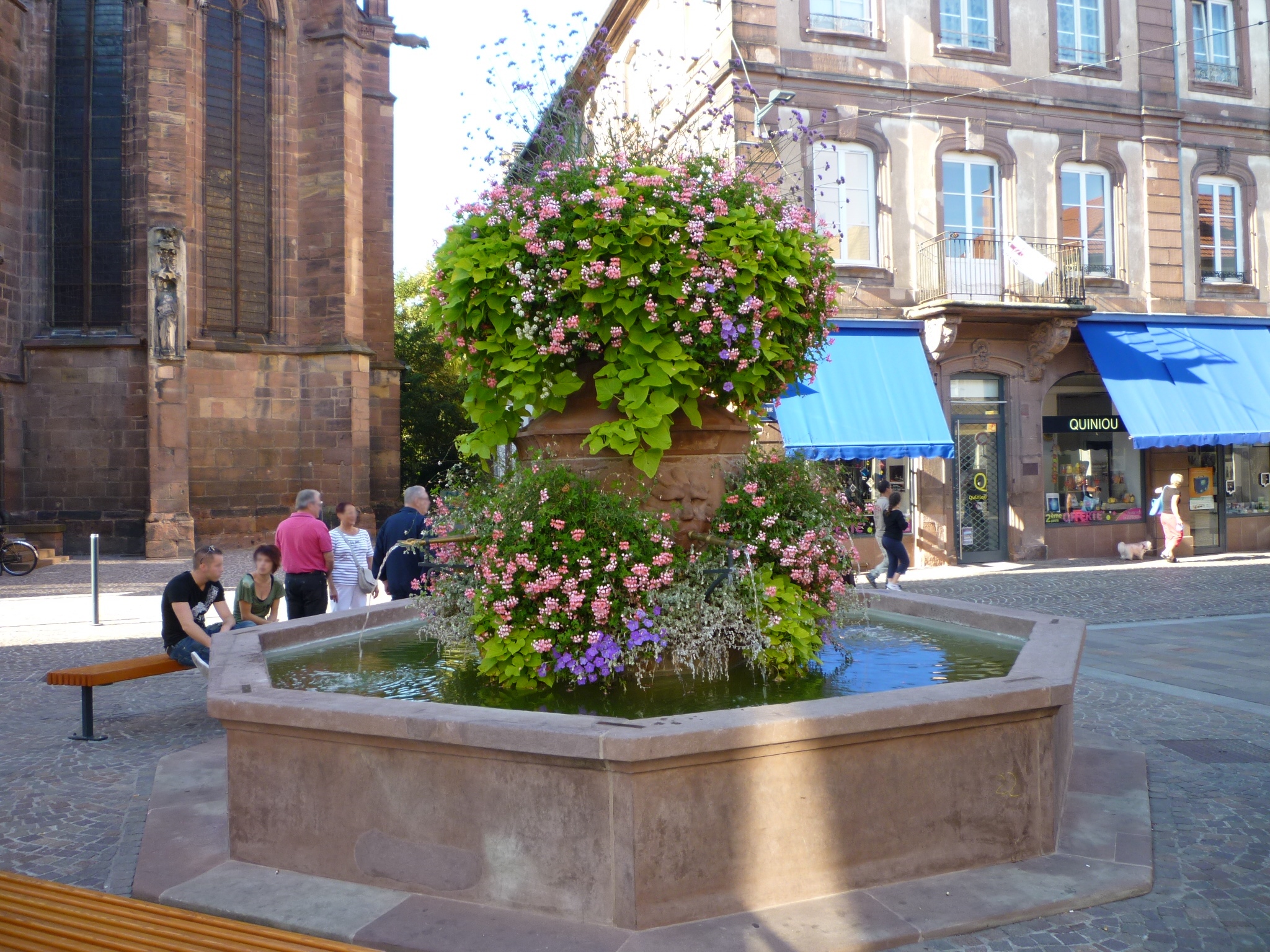
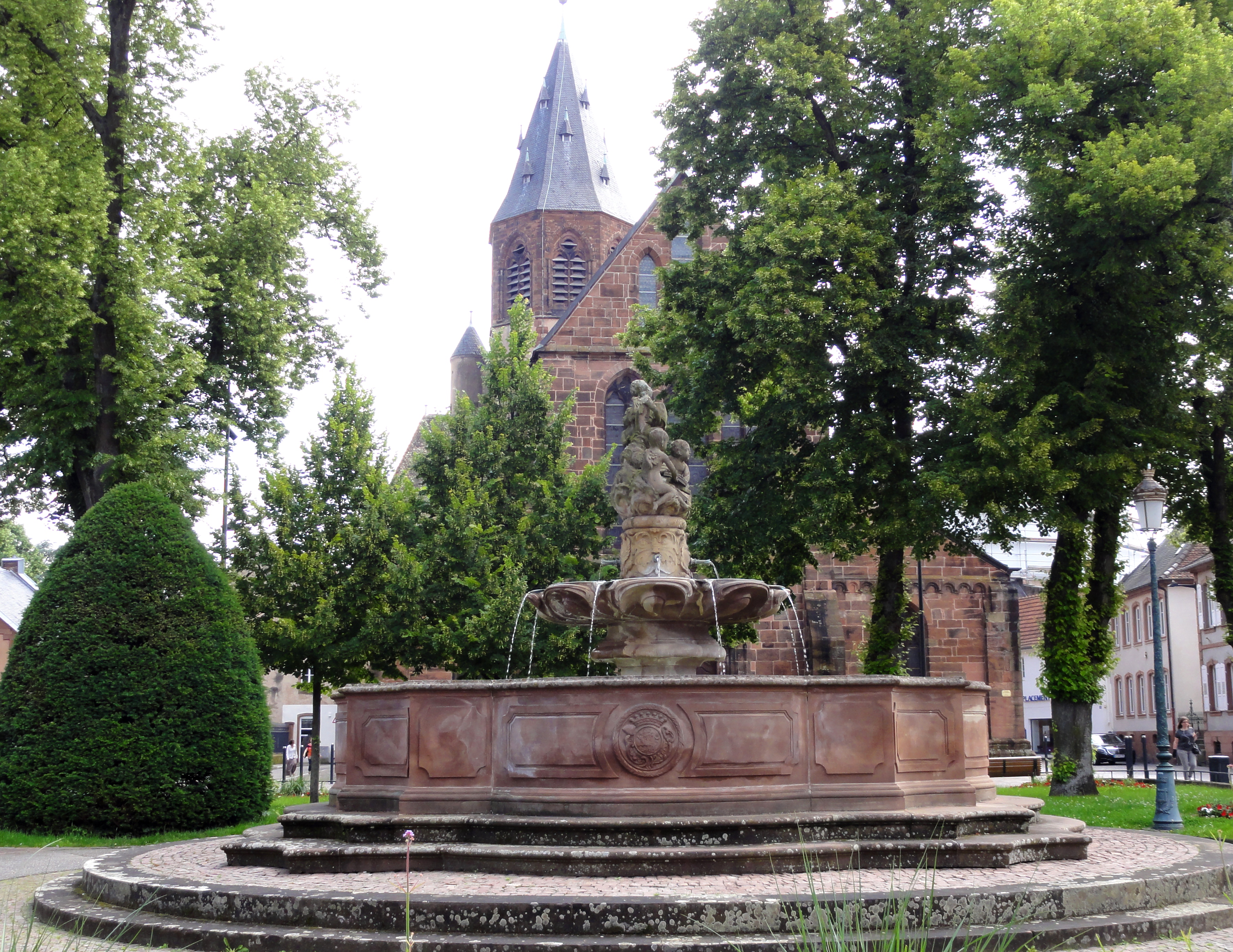
The Fontaine aux Abeilles is a stone fountain standing approximately 4 m high at the coordinates 48.813670, 7.785945. Its name—Bee Fountain—derives from the sculpted bee motifs that adorn the basin and the central column, a nod to the industrious spirit of Haguenau’s historic merchants and artisans. The water gently cascades from the top of the column into a shallow basin, creating a soothing soundscape that blends seamlessly with the chatter of the surrounding market square.
History & Significance
While the exact construction date of the fountain is not widely documented, the Fontaine aux Abeilles has long been a focal point of Haguenau’s public life. In many French towns, fountains served both practical and symbolic roles: they supplied fresh water to residents, acted as gathering places, and often celebrated local trades or heraldic symbols. The bee, a traditional emblem of diligence and community, reflects Haguenau’s historic reputation as a bustling centre of commerce and craft.
Over the centuries, the fountain has survived wars, renovations, and the changing tides of urban development, remaining a beloved piece of the town’s heritage. Today, it is listed on the French heritage registers and is featured on the French‑language Wikipedia page for the Fontaine aux Abeilles.
3. How to Get There
By Train
- Haguenau Train Station (Gare de Haguenau) is on the SNCF TER line that connects Strasbourg, Sarre‑bourg, and Metz.
- From the station, the fountain is a 10‑minute walk (≈800 m). Exit the station onto Rue du Général de Gaulle, turn left onto Rue du Château, then follow the signs to the historic centre.
By Car
- From Strasbourg, take the A35 south toward Haguenau (approximately 45 km, 40 minutes).
- Take exit Haguenau‑Centre, follow the signs for Place de la République. Parking is available at the Parking du Centre (P+R) a few blocks away. The fountain lies within a short pedestrian zone.
By Bus
- Local bus line 31 (Strasbourg‑Haguenau) stops at Place du Marché, a stone’s throw from the fountain. Check the SIVOM schedule for exact times.
On Foot or Bicycle
- Haguenau’s compact historic centre is bike‑friendly. Rent a Vélo from a local shop and ride along the Canal de la Bruche toward the town centre; the fountain sits at the intersection of Rue du Marché and Place du Marché.
4. Best Time to Visit
| Season | Why It Works | Tips |
|---|---|---|
| Spring (April‑June) | Blooming chestnut trees and mild temperatures make the town square lively. | Arrive early to avoid the midday market crowd. |
| Summer (July‑August) | Warm evenings bring street musicians and outdoor cafés. | Bring a refillable water bottle—water from the fountain is safe to drink. |
| Autumn (September‑October) | Golden foliage adds a warm backdrop; fewer tourists. | Perfect for photography with soft natural light. |
| Winter (November‑March) | The fountain is illuminated against festive holiday decorations. | Dress warmly; some nearby attractions may have reduced hours. |
Overall, late spring to early autumn offers the most pleasant weather for strolling around Haguenau and enjoying the fountain’s reflective waters.
5. What to Expect
When you arrive at the Fontaine aux Abeilles, you’ll find yourself in a vibrant public square framed by historic half‑timber houses, cafés, and boutique shops. The fountain’s stone column, topped with stylized bee reliefs, draws the eye upward, while the gentle spray creates a cooling micro‑climate—ideal for a quick respite on a sunny day.
Sights & Sounds
- The rhythmic sound of water mingles with the chatter of locals and tourists.
- Seasonal flower beds flank the basin, adding bursts of colour.
Photo Opportunities
- Capture the bee motifs up close for a unique detail shot.
- Frame the fountain against the backdrop of the Place du Marché market stalls for a lively street‑scene photo.
Local Life
- On market days (typically Tuesdays and Saturdays), vendors set up stalls around the square, offering Alsatian cheeses, pretzels, and fresh produce. The fountain becomes a natural meeting point for locals to pause, chat, and enjoy a glass of Alsace white wine or a refreshing Kir.
6. Nearby Attractions
While you’re in the vicinity of the Fontaine aux Abeilles, make the most of Haguenau’s rich fountain heritage and historic sites—all within a short walk:
- Fontaine Saint‑Georges – just 0.1 km away, this elegant 18th‑century fountain features a saintly figure and is a favorite spot for portrait photography.
- Fontaine aux Dauphins – 0.2 km from the Bee Fountain, the dolphin‑decorated basin reflects the town’s historic ties to river trade.
- Fontaine de la place de la République – a 0.3 km stroll leads you to this larger civic fountain, surrounded by the town hall and a bustling café terrace.
- Vestiges du moulin Dischlach – located 0.3 km away, the remains of the historic Dischlach mill offer a glimpse into Haguenau’s industrial past.
These attractions are all easily reachable on foot, allowing you to weave a relaxed “fountain‑hop” itinerary that showcases Haguenau’s artistic stonework and community spirit.
7. Travel Tips
| Tip | Details |
|---|---|
| Bring a reusable water bottle | The fountain’s water is clean and free to drink—great for staying hydrated while exploring. |
| Check market days | If you love the buzz of local stalls, plan your visit on a Tuesday or Saturday; otherwise, weekdays are quieter. |
| Wear comfortable shoes | Cobblestone streets can be uneven; sturdy walking shoes will keep you comfortable. |
| Currency | France uses the Euro (€); most shops accept cards, but keep some cash for small market vendors. |
| Language | French is the official language, but many locals speak Alsatian dialects and some English, especially in tourist areas. |
| Photography etiquette | Respect private properties surrounding the fountain; ask permission before photographing people inside cafés. |
| Safety | The fountain area is well‑lit at night and generally safe, but keep an eye on personal belongings as with any busy square. |
| Nearby dining | Try the “Tarte flambée” (flammekueche) at Café du Marché, just a few steps from the fountain. |
| Public transport passes | If you’re traveling beyond Haguenau, consider a TER Pass for unlimited regional train travel in Alsace. |
Final Thought
The Fontaine aux Abeilles may be just one of many fountains dotting the Alsace landscape, but its central location, charming bee motifs, and lively surroundings make it a micro‑cosm of Haguenau’s cultural heartbeat. Pair it with a leisurely coffee, a stroll through the nearby historic fountains, and perhaps a bite of authentic Alsatian cuisine, and you’ve crafted a perfectly balanced half‑day adventure in one of France’s most picturesque regions.
Pack your camera, lace up those walking shoes, and let the gentle splash of the Bee Fountain guide you into the warm hospitality of Haguenau. Happy travels!