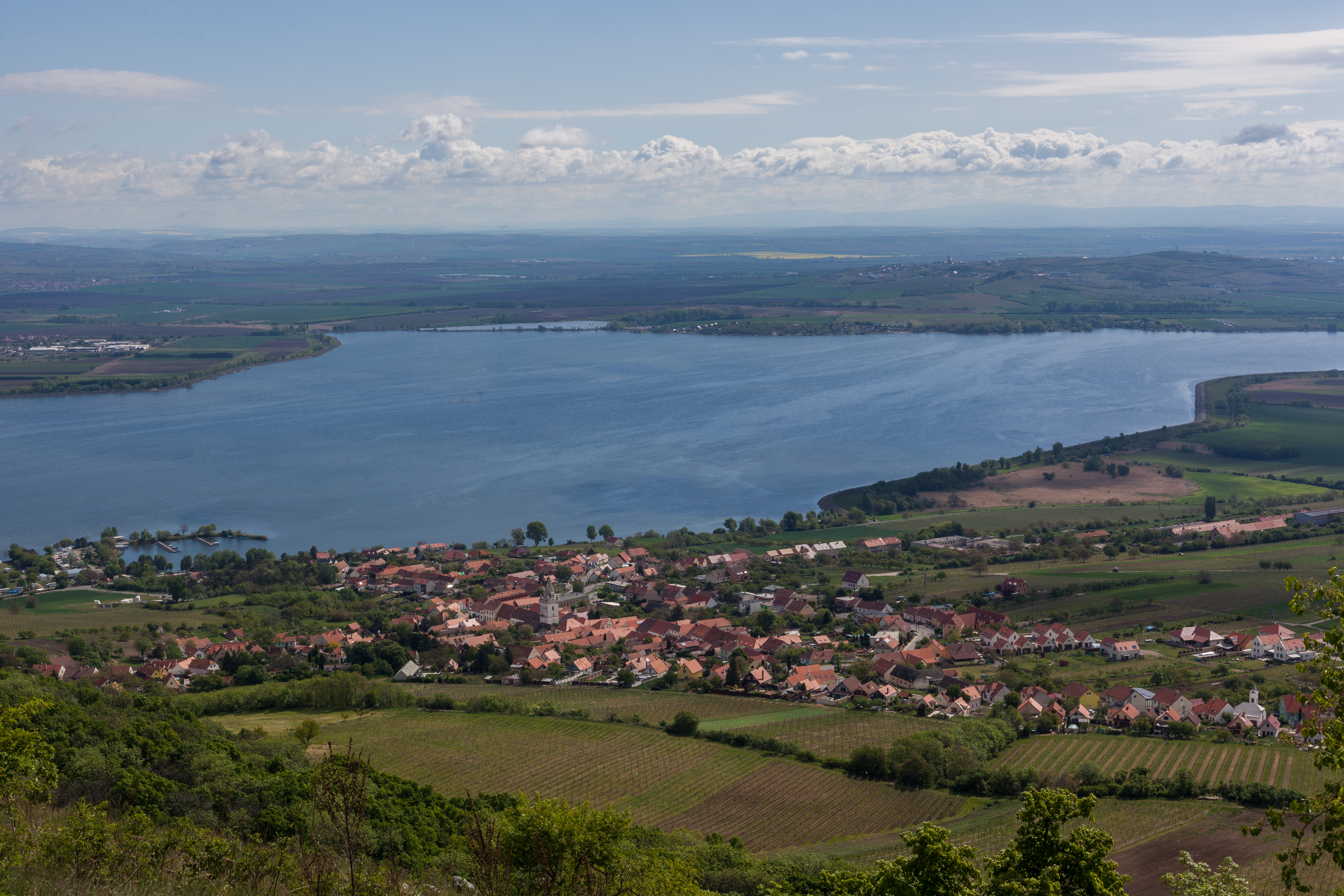
vodní dílo Nové Mlýny III – A Hidden Water‑Wonder in South Moravia
Discover the tranquil charm of one of Czechia’s lesser‑known dam sites, perfect for nature lovers, photographers, and anyone seeking a peaceful escape in the heart of South Moravian countryside.
Introduction
If you think the Czech Republic’s travel highlights are limited to medieval castles, bustling Prague cafés, and the vineyards of Mikulov, think again. Just a short drive from the historic town of Sakvice lies vodní dílo Nové Mlýny III, a sleek modern dam that forms part of the larger Nové Mlýny water system. While the name may sound technical, the setting is anything but – rolling hills, shimmering water, and a network of nearby weirs create a serene landscape that feels worlds away from the usual tourist trail. Whether you’re a seasoned road‑tripper, a bird‑watching enthusiast, or a cyclist hunting new routes, this dam offers a quiet yet captivating slice of South Moravian life.
About vodní dílo Nové Mlýny III
What is it?
vodní dílo Nové Mlýny III (English: Nové Mlýny Dam III) is the third major reservoir in the Nové Mlýny water‑management complex. Built to regulate the flow of the Thaya (Dyje) River, the dam helps control flooding, supports irrigation for the fertile vineyards of South Moravia, and provides a stable water source for local communities. Its exact height and altitude are not publicly listed, but the structure blends seamlessly into the surrounding low‑lying terrain, creating a broad, glass‑like surface that mirrors the sky.
A Brief History
The Nové Mlýny system was conceived in the 1970s as part of Czechoslovakia’s ambitious water‑resource projects. Construction of the first two reservoirs began in the early 1970s, while Nové Mlýny III was completed later, finalising the tri‑dam configuration that today spans roughly 33 km of the Dyje River. The project sparked debate at the time—environmentalists worried about the impact on the river’s natural flow, while agricultural interests praised the promise of reliable irrigation. Today, the dam stands as a testament to that era’s engineering vision and serves as a crucial ecological buffer for the region.
Why It Matters
- Water Management: By regulating river levels, the dam reduces flood risk for downstream towns such as Břeclav and Hodonín.
- Agriculture: The reservoir supplies irrigation water to some of the most celebrated vineyards in Czechia, contributing to the production of Moravian wine.
- Recreation: Though less commercialised than larger Czech lakes, the calm waters attract anglers, paddle‑boarders, and nature photographers.
- Biodiversity: The surrounding wetlands host a variety of bird species, making the area a modest but valuable stopover for migratory birds.
For a deeper dive into the technical and historical background, the Czech Wikipedia page offers a concise overview: Novomlýnská nádrž (cs).
How to Get There
By Car
The most flexible way to reach vodní dílo Nové Mlýny III is by car. From Brno, the regional capital, take the E59/D2 highway toward Břeclav (approx. 70 km). Exit at Sakvice and follow local signs for the dam; the journey takes roughly 1 hour 15 minutes. Parking is available at the small lay‑by near the visitor area, but spaces can fill quickly on sunny weekends, so arrive early.
By Public Transport
- Train: The nearest train station is Sakvice on the Brno–Břeclav line. Trains run hourly, and the ride from Brno takes about 45 minutes. From the station, a local bus (line 247) or a short taxi ride (≈ 5 km) will drop you off at the dam’s entrance.
- Bus: Regional buses from Břeclav or Hodonín also stop in Sakvice. Check the South Moravian Transport (JMK) website for up‑to‑date timetables.
By Bike
South Moravia is famed for its well‑marked cycling routes. The EuroVelo 6 “River Route” passes close to the dam, offering a scenic 30‑km stretch from Mikulov to Sakvice. Bring a lock for your bike; the parking area near the dam includes a secure rack.
Coordinates & Map
- Latitude: 48.858127
- Longitude: 16.723271
Plug these into any GPS or mapping app for turn‑by‑turn navigation.
Best Time to Visit
| Season | Weather | What to Expect | Why It’s Ideal |
|---|---|---|---|
| Spring (April‑May) | Mild, occasional rain | Fresh green foliage, blooming wildflowers, migratory birds returning | Perfect for photography and bird‑watching |
| Summer (June‑August) | Warm, sunny | Calm waters ideal for paddle‑boarding, longer daylight hours | Best for water‑sports and picnics |
| Autumn (September‑October) | Cool, golden leaves | Vibrant foliage, quieter visitor numbers | Ideal for peaceful walks and wine‑region tours |
| Winter (November‑March) | Cold, occasional frost | Snow‑capped surroundings, tranquil atmosphere | Great for quiet contemplation and low‑key photography |
Overall, late spring to early autumn offers the most pleasant conditions for outdoor activities, while early autumn provides a blend of comfortable temperatures and fewer crowds.
What to Expect
Scenic Views
Approaching the dam, you’ll be greeted by a broad, glass‑like water surface that reflects the sky and surrounding hills. The shoreline is dotted with reeds and small islands, creating natural frames for photos. A short walk along the promenade trail offers multiple viewpoints, each revealing a slightly different angle of the reservoir.
Wildlife
Even though the dam is a man‑made structure, the surrounding wetlands have become a haven for wildlife. Look out for:
- Birds: Mallards, coots, and the occasional heron. In spring, you may spot warblers and finches flitting among the reeds.
- Fish: The reservoir is stocked with carp and pike, making it a modest fishing spot for locals (permits required).
Activities
- Paddle‑boarding & Kayaking: Small rental kiosks operate during the summer months, offering boards and paddles for a modest fee.
- Fishing: Anglers can fish from designated banks; check local regulations before casting.
- Cycling & Walking: The surrounding paths are well‑maintained, suitable for both casual strolls and more vigorous bike rides.
- Picnicking: Picnic tables are scattered near the visitor area—bring a blanket, some local cheese, and a bottle of Moravian wine for a perfect lakeside lunch.
Facilities
- Visitor Center: A modest information kiosk provides maps, seasonal event flyers, and basic restrooms.
- Parking: Free parking for cars and bikes is available near the main trailhead.
- Accessibility: The main pathway is level and wheelchair‑friendly, though some of the more natural trails may be uneven.
Nearby Attractions
While vodní dílo Nové Mlýny III is the star of the day, the surrounding region offers several complementary spots worth a quick detour:
| Attraction | Distance | Type | Quick Note |
|---|---|---|---|
| Nearby Dam | 3.8 km | Dam | A smaller auxiliary dam offering additional viewpoints over the water system. |
| Weir A | 4.1 km | Weir | Ideal for a short walk and spotting local fish habitats. |
| Weir B | 4.1 km | Weir | Similar to Weir A; both are part of the Dyje’s flow‑control network. |
| Weir C | 4.6 km | Weir | Slightly more secluded, perfect for quiet contemplation. |
| Weir D | 4.8 km | Weir | Offers a small observation platform for bird‑watchers. |
These sites are easily reachable by bike or car and provide additional perspectives on the region’s water‑management heritage. For exact locations, simply input the coordinates into your navigation app or follow the local signage from the main dam.
Travel Tips
- Check the Weather – The reservoir can become windy in late afternoon, especially during summer. Arrive early for calmer conditions.
- Bring Cash – Some small rental kiosks and food stalls accept only cash.
- Dress in Layers – Even on warm days, breezes off the water can feel chilly, especially near the shoreline.
- Respect the Environment – Stick to marked trails, avoid disturbing nesting birds, and dispose of litter responsibly.
- Parking Fees – Parking is free, but during peak summer weekends a short waiting time may be required.
- Safety First – Swimming is not officially permitted; the water can be deep and currents unpredictable. Use designated areas for water‑sports only.
- Local Cuisine – After your visit, stop by a nearby hospoda (traditional Czech tavern) in Sakvice for a plate of smažený sýr (fried cheese) and a glass of Moravian white wine.
- Stay Connected – Mobile coverage is generally good, but some remote spots may have limited signal. Download offline maps if you plan to explore on foot or bike.
Final Thought
vodní dílo Nové Mlýny III may not appear on the typical Czech travel itineraries, but that’s precisely why it feels like a secret treasure. Its calm waters, surrounding wetlands, and easy access make it a perfect day‑trip destination for anyone traveling through South Moravia. Pair it with a leisurely bike ride, a taste of local wine, and a stroll through the nearby weirs, and you’ll leave with a genuine sense of the region’s natural beauty and quiet engineering marvels.
Pack your camera, slip on comfortable shoes, and let the gentle ripple of the reservoir guide you into the heart of Czechia’s lesser‑known countryside. Safe travels!