Staroměstský Jez – The Hidden Weir of Mala Strana, Prague
Discover the quiet charm of Prague’s oldest riverwork and why it belongs on every traveler’s itinerary.
Introduction
When you think of Prague, images of the Charles Bridge, the Astronomical Clock, and the towering spires of St. Vitus instantly spring to mind. Yet tucked away in the historic Mala Strana district, just a stone’s throw from the bustling Old Town, lies a modest yet fascinating piece of hydraulic engineering: Staroměstský jez. This low‑key weir may not boast the grandeur of a castle, but it offers a unique glimpse into the city’s relationship with the Vltava River, a perfect spot for history buffs, photography enthusiasts, and anyone craving a quieter side of the Czech capital.
In this guide, we’ll explore the story behind Staroměstský jez, how to reach it, the best moments to visit, what you’ll see on site, nearby attractions worth a detour, and practical tips to make your Prague adventure seamless.
About Staroměstský Jez
What Is It?
Staroměstský jez (Czech for “Old Town weir”) is a weir—a small, fixed barrier built across a river to control water flow and level. Situated at 50.085013 N, 14.411913 E in the heart of Mala Strana, the structure has long helped regulate the Vltava’s water level as the city expanded. While its exact height and altitude remain undocumented, the weir’s modest silhouette blends effortlessly with the surrounding historic architecture, making it easy to miss unless you’re looking for it.
A Brief History
The weir’s origins trace back to the medieval period when Prague’s burgeoning trade and defensive needs demanded better water management. Over centuries, the Vltava’s fluctuating currents threatened both the city’s bridges and its riverfront neighborhoods. Staroměstský jez was erected as part of a broader network of hydraulic works that protected the Old Town (Staré Město) and the royal district of Mala Strana from flooding.
Although the structure has undergone several repairs and modest upgrades, its core design remains faithful to the original medieval engineering principles—an enduring testament to the ingenuity of Prague’s early builders.
Why It Matters
Beyond its functional role, Staroměstský jez is a cultural landmark. It illustrates how Prague’s historic urban fabric was shaped not only by stone and spires but also by water. The weir stands as a silent witness to centuries of city life—royal processions, market days, and even the occasional ice‑skating festival when the Vltava froze in winter. For travelers, it offers a rare chance to step away from the tourist crowds and contemplate the subtle ways nature and human design intertwine in the capital’s story.
Learn more on the Czech‑language Wikipedia page: Staroměstský jez.
How to Get There
By Public Transport
- Metro: Take Line A (Green) to Malostranská station. Exit toward the Nerudova street and walk south for about 5 minutes.
- Tram: Tram lines 12, 20, and 22 stop at Maltézské Náměstí. From there, a short 3‑minute walk leads you directly to the weir’s vicinity.
By Foot
If you’re already exploring the Old Town Square or the Charles Bridge, Staroměstský jez is a pleasant 10‑15 minute stroll. Head west along Karlova street, cross the bridge, and follow the riverbank past the Kampa Island park. The weir sits near the intersection of Nerudova and Smetanova streets—look for a low stone barrier jutting into the water.
By Bicycle or E‑Scooter
Prague’s growing network of bike lanes makes a quick ride possible. Use the Vltava River bike path (Cyklostezka Vltavy) and dismount near the Mala Strana stop. The weir is visible from the path, offering a perfect photo op.
Best Time to Visit
Spring (April–June)
The Vltava’s water level rises gently, creating a shimmering surface that reflects the blossoming trees of Kampa Park. Early mornings are especially tranquil, with soft light ideal for photography.
Summer (July–August)
Long daylight hours let you linger. While the water may be busier with riverboats, the weir remains a quiet spot to sit on a bench and watch the city’s rhythm. Evening concerts on nearby riverbanks add a festive vibe.
Autumn (September–October)
Golden foliage frames the weir, and cooler temperatures make for comfortable walks. The Vltava’s flow slows, revealing more of the stonework.
Winter (November–March)
If the river freezes—a rare but magical occurrence—you might glimpse a thin layer of ice hugging the weir. The surrounding streets are less crowded, and the atmospheric streetlights create a cozy, almost fairytale ambiance. Dress warmly, as temperatures can dip below freezing.
What to Expect
Visual Experience
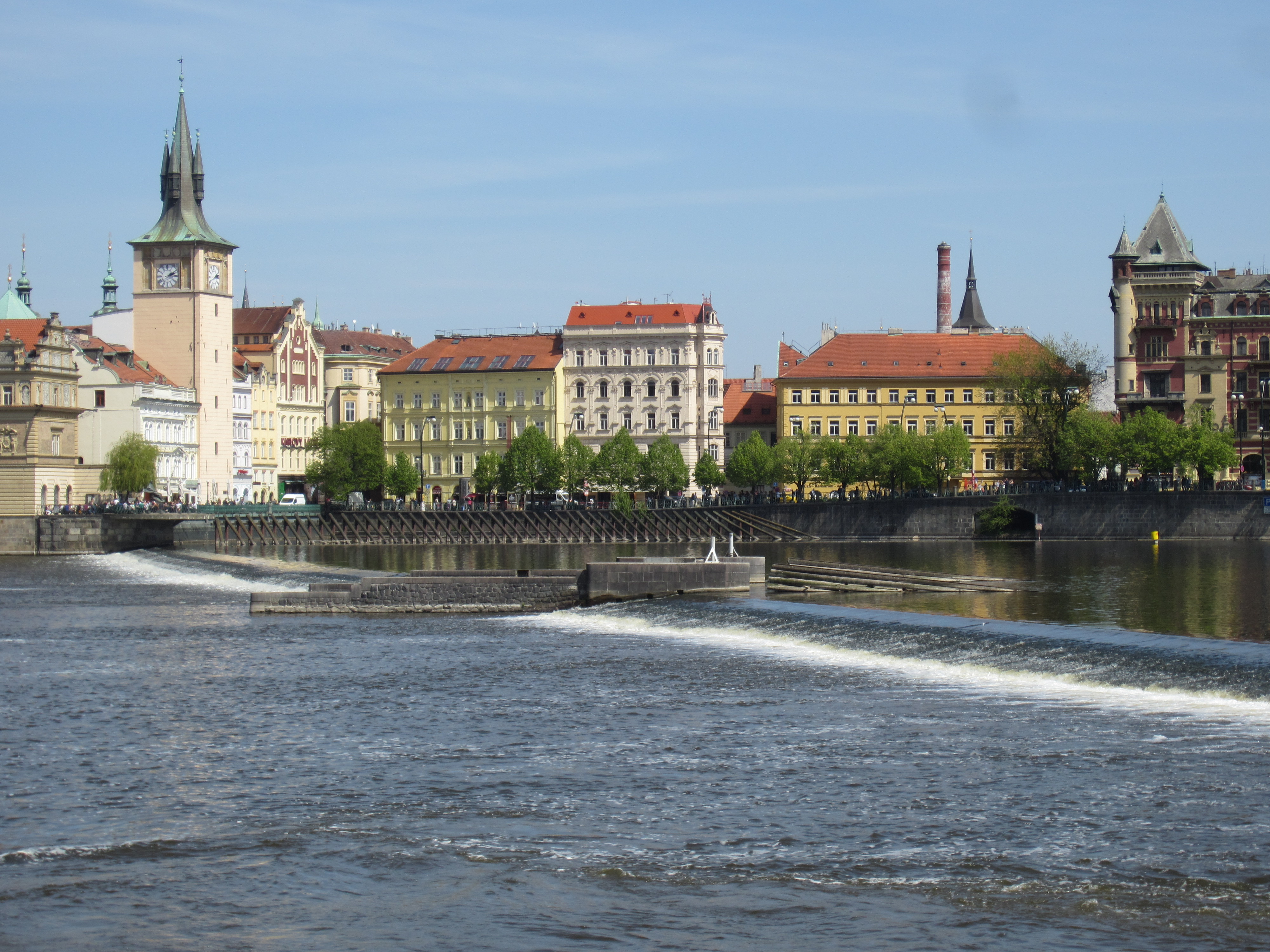
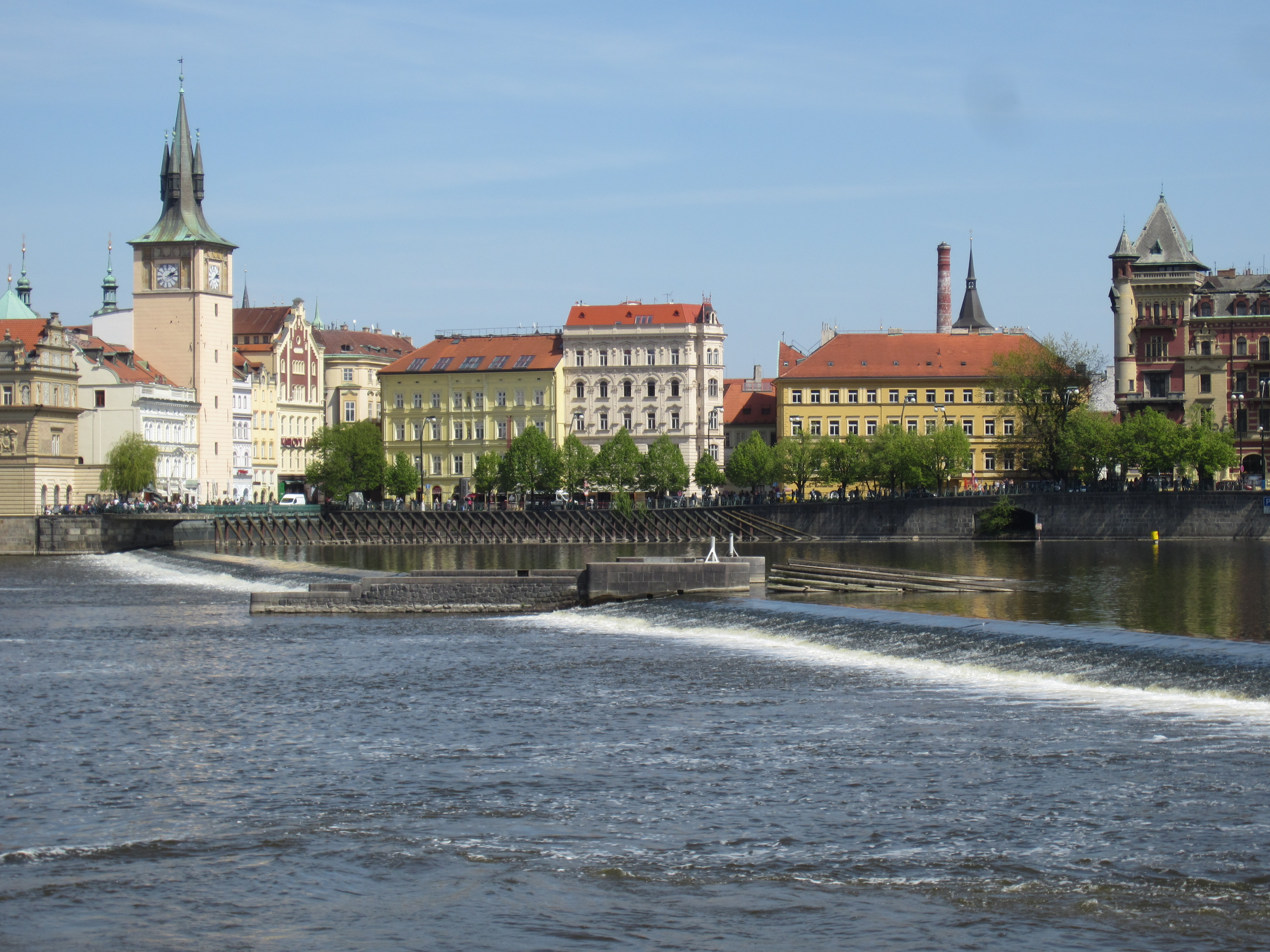
Staroměstský jez is modest in size, consisting of a low stone wall extending a few meters into the Vltava. Its weathered masonry blends with the historic façades of Mala Strana, while the water gently cascades over the top, producing a soft, continuous murmur. The weir’s simplicity makes it a perfect foreground for iconic Prague vistas—especially when the Charles Bridge looms in the background.
Sensory Details
- Sound: The subtle rush of water creates a calming soundtrack, contrasting with the city’s occasional hustle.
- Smell: Fresh river air mingles with the scent of nearby cafés and the occasional whiff of roasted chestnuts from street vendors.
- Touch: Benches and railings near the weir are made of wrought iron and wood, offering comfortable spots to sit and dip your fingers into the cool water (though be mindful of safety).
Photographic Opportunities
- Golden hour: Capture the weir bathed in sunrise or sunset hues, with the Vltava reflecting pink and amber tones.
- Night lights: The illuminated bridges and historic street lamps cast gentle reflections on the water, turning the weir into a silhouette against the night sky.
- Seasonal contrasts: From spring blossoms to autumn leaves, each season paints a distinct backdrop.
Nearby Attractions
While you’re in the area, several other points of interest are just a short walk away. All are within a 0.3 km radius, making it easy to combine them into a relaxed half‑day itinerary.
| Attraction | Type | Distance | Quick Link |
|---|---|---|---|
| Staroměstský jez | Weir | 0 km (you’re already here) | — |
| Neptun Fountain | Fountain | 0.2 km | Neptun Fountain (Prague) |
| Unnamed Fountain #1 | Fountain | 0.3 km | — |
| Unnamed Fountain #2 | Fountain | 0.3 km | — |
| Unnamed Weir | Weir | 0.3 km | — |
Tip: The Neptun Fountain sits near the Křižík’s Light Fountain area, a popular spot for locals to relax. Even if the other fountains lack official names, they contribute to the river’s charming cascade of water features—perfect for a leisurely stroll.
Travel Tips
- Dress for the Weather – Prague’s climate can shift quickly, especially near the river. Layered clothing and waterproof shoes are advisable.
- Bring a Small Picnic – Several benches line the riverbank. Grab a pastry from a nearby bakery (try a traditional trdelník) and enjoy it with a view of the weir.
- Mind the Flow – While the water is generally calm, it can become swift after heavy rain. Keep a safe distance from the edge, especially with children.
- Use a Map App – Input the coordinates 50.085013, 14.411913 for pinpoint navigation, especially if you’re walking from a less familiar part of the city.
- Combine with a River Cruise – Short boat tours often pass by Staroměstský jez. Ask the captain for a brief stop to view the weir from the water—an unforgettable perspective.
- Respect the Heritage – The weir is a protected historic structure. Avoid climbing on it or leaving litter.
Final Thoughts
Staroměstský jez may not appear on every standard Prague travel brochure, but that’s precisely why it deserves a spot on your itinerary. It offers a quiet, reflective pause amid the city’s bustling historic core, letting you connect with the Vltava’s timeless flow and the engineering ingenuity that helped shape Prague’s destiny.
Whether you’re a first‑time visitor or a seasoned traveler returning for deeper layers of the city, make time for this hidden weir. It’s a small slice of Prague that promises big rewards—serenity, history, and a fresh perspective on the capital’s iconic riverfront.
Happy travels, and may the gentle murmur of Staroměstský jez guide you to new discoveries in the heart of Czechia!