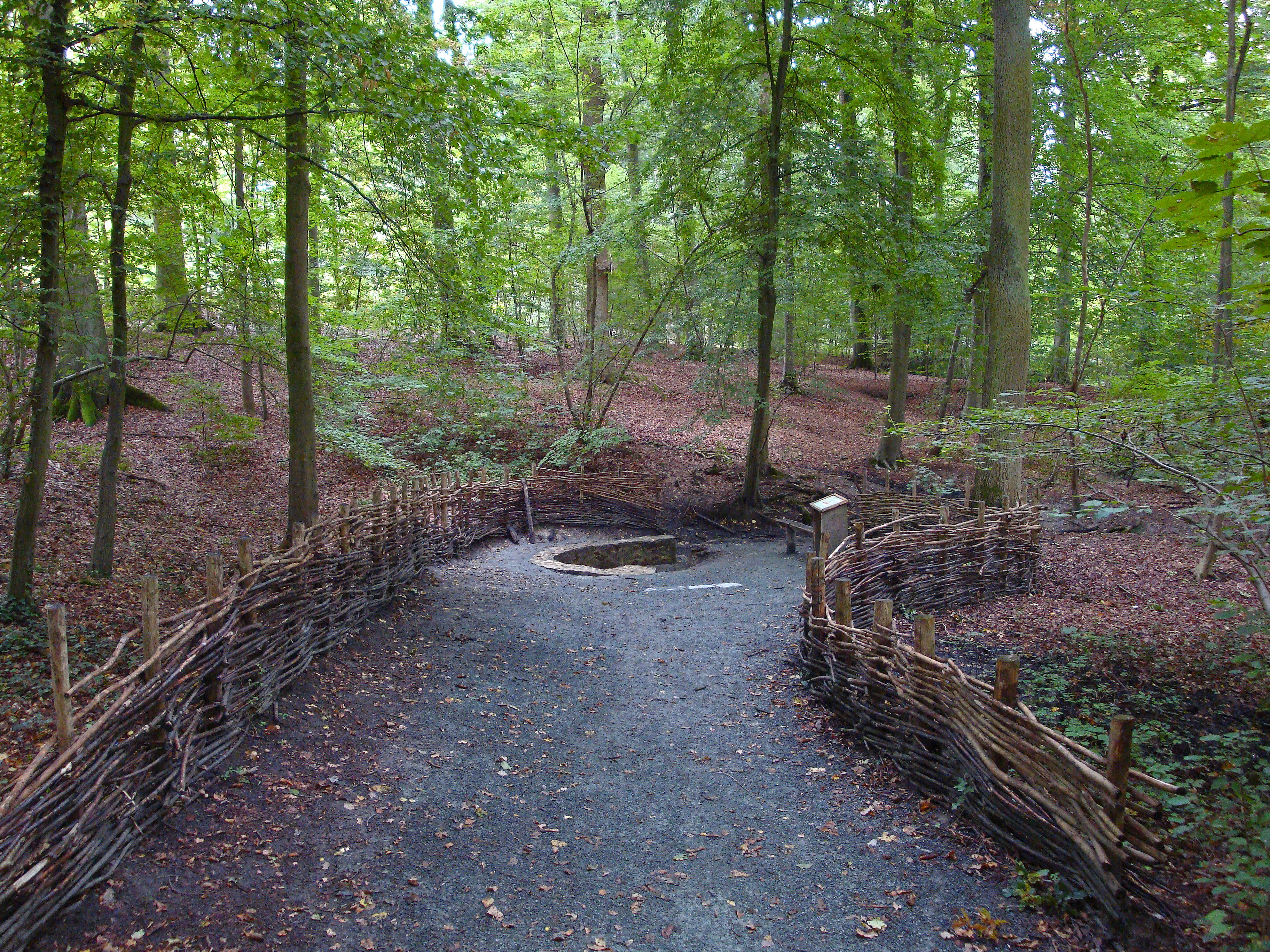
Discover Hertebron: A Hidden Spring Gem in Oud‑Heverlee, Flanders
If you think Belgium is only about chocolate, waffles, and medieval towns, think again. Nestled in the gentle rolling hills of Oud‑Heverlee, the Hertebron spring offers a quiet, refreshing escape for nature lovers and curious travelers alike.
1. Introduction
Imagine stepping off a quiet country lane, the scent of fresh earth filling the air, and hearing the soft murmur of water bubbling from a stone‑capped basin. That’s the moment you’ll experience at Hertebron, a modest yet captivating spring in the heart of Flanders, Belgium. While it doesn’t boast towering cliffs or dramatic waterfalls, Hertebron embodies the subtle charm of the Belgian countryside—perfect for a short hike, a reflective pause, or a family picnic.
Whether you’re a local looking for a weekend “stay‑cation” spot, a cyclist touring the Leuven‑Heverlee region, or an international traveler craving off‑the‑beaten‑path experiences, Hertebron should be on your list of hidden natural springs in Belgium.
2. About Hertebron
- Name: Hertebron
- Type: Spring 💧
- Location: Oud‑Heverlee, Flanders, Belgium
- Coordinates: 50.794602 N, 4.662536 E
Hertebron is a small, natural spring that has long served as a source of fresh water for the surrounding farms and villages. While the exact height and altitude of the spring are not documented, its modest size belies its importance to the local ecosystem. The water emerges from a stone‑lined basin, creating a clear, cool pool that reflects the surrounding trees and sky.
Historically, springs like Hertebron were often considered sacred or at least noteworthy by the communities that settled nearby. In Flanders, many such water sources became gathering points for villagers, especially before modern plumbing arrived. Although specific legends about Hertebron are scarce, its continued presence on local maps and in regional references (see the Dutch Wikipedia entry) highlights its lasting relevance.
3. How to Get There
By Car
- From Leuven: Take the N2 highway north toward Oud‑Heverlee. Exit at the Heverlee roundabout, follow signs for Kessel-Lo and then Oud‑Heverlee. After about 5 km, look for a small gravel road marked “Hertebron” on the side. Parking is limited but there is a modest roadside space near the spring.
- From Brussels: Drive east on the E40, exit at Leuven, then follow the same directions above. The total drive is roughly 30 km (≈ 30 minutes).
By Public Transport
- Train: Catch a Belgian Rail (SNCB) train to Leuven (main station).
- Bus: From Leuven station, board Bus 45 toward Heverlee and alight at the Oud‑Heverlee stop (approximately 10 minutes). The spring is a 5‑minute walk north of the bus stop, following the signs for “Hertebron”.
By Bike or Foot
The area around Oud‑Heverlee is criss‑crossed with well‑maintained cycling paths. From the Leuven city centre, you can follow the Leuven–Heverlee bike route (signed L‑13) which leads directly to the spring. The ride is about 7 km and mostly flat, making it suitable for families and casual cyclists.
4. Best Time to Visit
| Season | What to Expect | Why It’s Ideal |
|---|---|---|
| Spring (April‑June) | Fresh, crisp water; blooming wildflowers; longer daylight | The spring thaw revitalizes the spring’s flow, and the surrounding meadows burst into color—perfect for photography. |
| Summer (July‑August) | Warm temperatures; occasional shade from nearby trees | Early mornings are especially pleasant; bring a hat and sunscreen for midday sun. |
| Autumn (September‑October) | Golden foliage; cooler air; quieter trails | The rustling leaves create a serene backdrop, and the water remains clear and inviting. |
| Winter (November‑March) | Quiet, possibly frosted surroundings; lower visitor numbers | While the spring may be partially frozen, the tranquil atmosphere is ideal for contemplative walks. |
Overall, late spring to early autumn offers the most comfortable conditions for an outdoor visit, but the spring’s low‑key charm makes it worthwhile any time of year.
5. What to Expect
Arriving at Hertebron feels like stepping into a miniature oasis. The spring’s water bubbles gently from a stone basin, forming a shallow pool that mirrors the sky. The immediate area is modestly landscaped with low hedges and a few benches, allowing visitors to sit and enjoy the soothing sound of flowing water.
Because the spring is not heavily commercialized, you’ll encounter few crowds—often just local families, hikers, or birdwatchers. The surrounding terrain consists of gently undulating fields and patches of mixed forest, offering ample opportunities for short nature walks or a quick picnic.
Wildlife: Expect to see common Belgian birds such as the European robin, blackbird, and occasionally kingfishers skimming the surface. Small insects and amphibians may also be present, especially after rain.
Photography: The spring’s reflective surface, framed by moss‑covered stones and leafy canopies, creates excellent macro and landscape shots. Early morning light or the golden hour in autumn yields the most dramatic colors.
6. Nearby Attractions
While Hertebron is the star of the day, the surrounding Oud‑Heverlee region offers several other charming springs and historic spots within a short radius. Consider adding these to your itinerary:
- Kluisbron – 0.6 km away. Another small spring tucked behind a historic cloister ruin, perfect for a quick detour.
- Pier Slot – 1.0 km away. A lesser‑known spring that feeds into a tranquil meadow.
- Fontaine Saint‑Jean – 1.7 km away (just across the language border in Wallonia). This decorative fountain adds a touch of urban charm to the countryside.
- Minnebron – 3.1 km away. A larger spring with a small wooden footbridge, ideal for a leisurely stroll.
- Unnamed Fountain – 3.3 km away. A modest water feature located near a local farm; great for a quiet pause.
All of these spots are reachable on foot or by bike, making a spring‑hopping day trip both feasible and rewarding.
7. Travel Tips
| Tip | Details |
|---|---|
| Bring Water‑Friendly Footwear | The spring’s basin can be slippery when wet. Sturdy, non‑slip shoes keep you safe. |
| Pack a Picnic | There are no cafés on site, but the surrounding meadow is perfect for a packed lunch. |
| Respect the Environment | As a natural water source, avoid littering and stay on marked paths to protect the fragile ecosystem. |
| Check Weather Forecast | While the spring is accessible year‑round, heavy rain can make nearby paths muddy. |
| Combine with Leuven | The city of Leuven (just 5 km away) offers museums, historic buildings, and a vibrant food scene—ideal for an evening finish. |
| Use a GPS App | Enter the coordinates 50.794602, 4.662536 for precise navigation, especially if you’re driving a rental car. |
| Seasonal Gear | In summer, bring a hat and sunscreen; in winter, wear insulated layers and waterproof boots. |
| Photography Gear | A macro lens captures the delicate water droplets, while a wide‑angle lens works well for the surrounding landscape. |
| Local Language | While Dutch (Flemish) is the primary language, most locals understand basic English—polite greetings go a long way! |
Final Thought
Hertebron may not headline the typical “must‑see” lists of Belgium, but that’s exactly why it shines for the discerning traveler. Its gentle flow, serene setting, and proximity to other hidden springs make it a perfect micro‑adventure in Flanders’ countryside. So lace up your walking shoes, grab a reusable water bottle, and let the quiet charm of Hertebron refresh both body and soul.
Happy exploring!