Fontaine de Minerve – Minervafontein: A Hidden Gem in the Heart of Brussels
Discover the story, charm, and practical tips for visiting one of Brussels’ most elegant yet often overlooked fountains.
1. Introduction
If you think you’ve seen every iconic landmark Brussels has to offer, think again. Tucked amid the bustling streets of the city centre lies Fontaine de Minerve – known in Dutch as Minervafontein – a graceful marble fountain that whispers tales of classical mythology and 19th‑century urban design. Whether you’re a history buff, a photography enthusiast, or simply wandering the capital in search of quiet corners, this fountain offers a moment of serene beauty that contrasts perfectly with Brussels’ lively cafés and bustling squares.
Ready to add a splash of culture to your Brussels itinerary? Read on for everything you need to know about visiting the Fontaine de Minerve, from its fascinating backstory to the best time to snap that perfect shot.
2. About Fontaine de Minerve – Minervafontein
A Brief Description
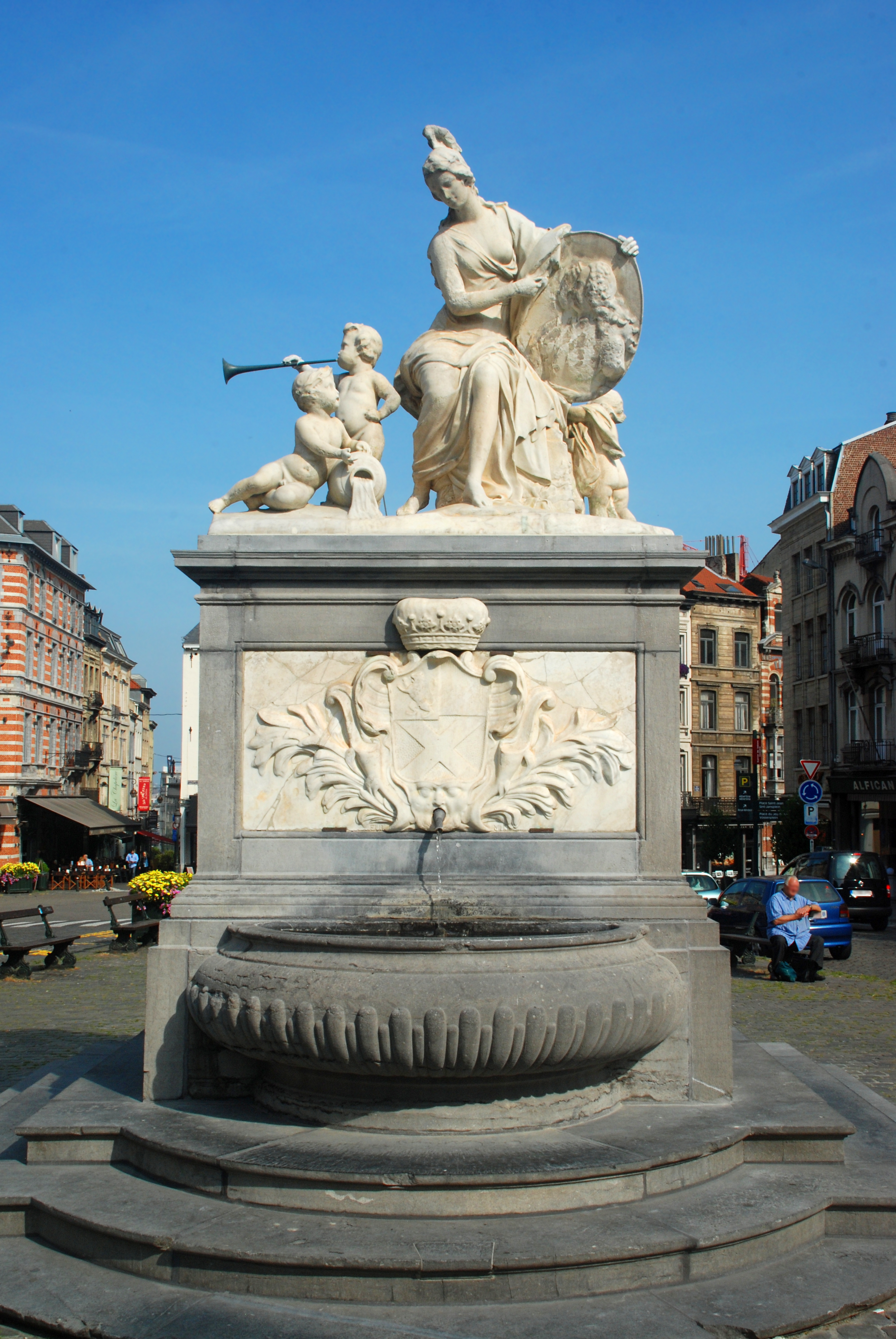
The Fontaine de Minerve (French) / Minervafontein (Dutch) is a marble fountain situated at 50.841231 N, 4.354517 E in the Brussels‑Capital Region. Although the exact height of the monument remains undocumented, the sculpture’s elegant proportions and finely carved details make it instantly recognizable. At its centre stands a bronze figure of Minerva, the Roman goddess of wisdom, arts, and strategic warfare, holding a shield and a spear—a tribute to the city’s long-standing appreciation for knowledge and creativity.
Historical Roots
The fountain was erected during a period when Brussels was reshaping its public spaces to reflect the ideals of the Belle Époque. While precise construction dates are scarce, the monument aligns with a wave of 19th‑century urban embellishments that celebrated classical motifs. The choice of Minerva as the focal point underscores Brussels’ ambition to position itself as a hub of intellectual and artistic exchange—a theme still evident today in its museums, universities, and vibrant cultural scene.
Cultural Significance
Beyond its aesthetic appeal, the Fontaine de Minerve serves as a symbolic reminder of Brussels’ multilingual identity. Its dual naming—French Fontaine de Minerve and Dutch Minervafontein—mirrors the city’s official bilingual status, inviting both francophone and Dutch‑speaking visitors to feel at home. The fountain also acts as a quiet gathering spot for locals, students, and tourists alike, offering a moment of reflection amid the city’s energetic rhythm.
For a deeper dive into the fountain’s history, you can explore the French‑language Wikipedia entry: Fontaine de Minerve (Bruxelles).
3. How to Get There
By Public Transport
- Metro: The fountain is a short walk from the Gare du Nord/Noordstation and Bourse/Beurs stations, both served by lines 1 and 5.
- Tram: Lines 3, 4, and 92 stop at nearby stops such as Place de la Bourse/Beursplein.
- Bus: Several city buses (e.g., 46, 48) pass close to the fountain’s location.
All routes are part of the STIB/MIVB network, and a single‑ticket (or day pass) grants unlimited travel across metro, tram, and bus lines.
By Foot or Bicycle
If you’re staying in the historic centre (Grand‑Place, Sablon, or the European Quarter), the fountain is comfortably reachable on foot—typically a 5‑10‑minute stroll. Brussels also boasts a public bike‑share system (Villo!), with docking stations located within a few blocks of the site.
Driving & Parking
Driving in central Brussels can be challenging due to limited street parking and low‑emission zones. If you must drive, aim for the Parc de Bruxelles underground car park or the Parking Grand‑Place facility, both a short walk away.
4. Best Time to Visit
Seasonal Recommendations
| Season | Why Visit? |
|---|---|
| Spring (March‑May) | Mild temperatures, blooming trees, and fewer crowds make it ideal for leisurely walks and photography. |
| Summer (June‑August) | Long daylight hours allow you to enjoy the fountain’s details well into the evening; however, expect more tourists in the surrounding squares. |
| Autumn (September‑November) | Golden foliage adds a warm backdrop, and the cooler weather is perfect for a relaxed stroll. |
| Winter (December‑February) | While the fountain may be less crowded, shorter daylight hours mean you’ll need to plan around the early sunset. |
Time of Day
- Early Morning (7 am‑9 am): The light is soft, and the area is quiet—great for capturing the statue without many people in the frame.
- Late Afternoon (4 pm‑6 pm): Sunlight hits the marble from the west, highlighting the sculptural details.
- Evening (7 pm‑9 pm): The fountain is subtly illuminated, creating a romantic ambience perfect for a brief pause after dinner.
5. What to Expect
When you arrive at the Fontaine de Minerve, you’ll be greeted by a tranquil oasis framed by historic façades and cobblestone streets. The fountain’s water gently cascades over the base, producing a soothing sound that masks the city’s hum. The bronze figure of Minerva, poised with a shield and spear, draws the eye upward, inviting contemplation of the goddess’s symbolism—wisdom, arts, and strategic thought.
Surrounding the fountain are benches and a few modest cafés where locals sip coffee or enjoy a quick croissant. The area is well‑maintained, and you’ll often see students from nearby universities sketching the statue or reading a book on the steps.
Because the fountain is not a major tourist magnet, you’ll experience a genuine slice of everyday Brussels life—perfect for those seeking authentic, off‑the‑beaten‑path moments.
6. Nearby Attractions
While the Fontaine de Minerve is a highlight in its own right, its central location makes it an excellent launching point for exploring other nearby sights. All distances are walking‑friendly (0.2‑0.3 km).
-
La Rivière – De Rivier (Fountain) – 0.2 km
A charming water feature that celebrates the flow of the Senne River. Its sleek lines contrast nicely with Minerve’s classical style. -
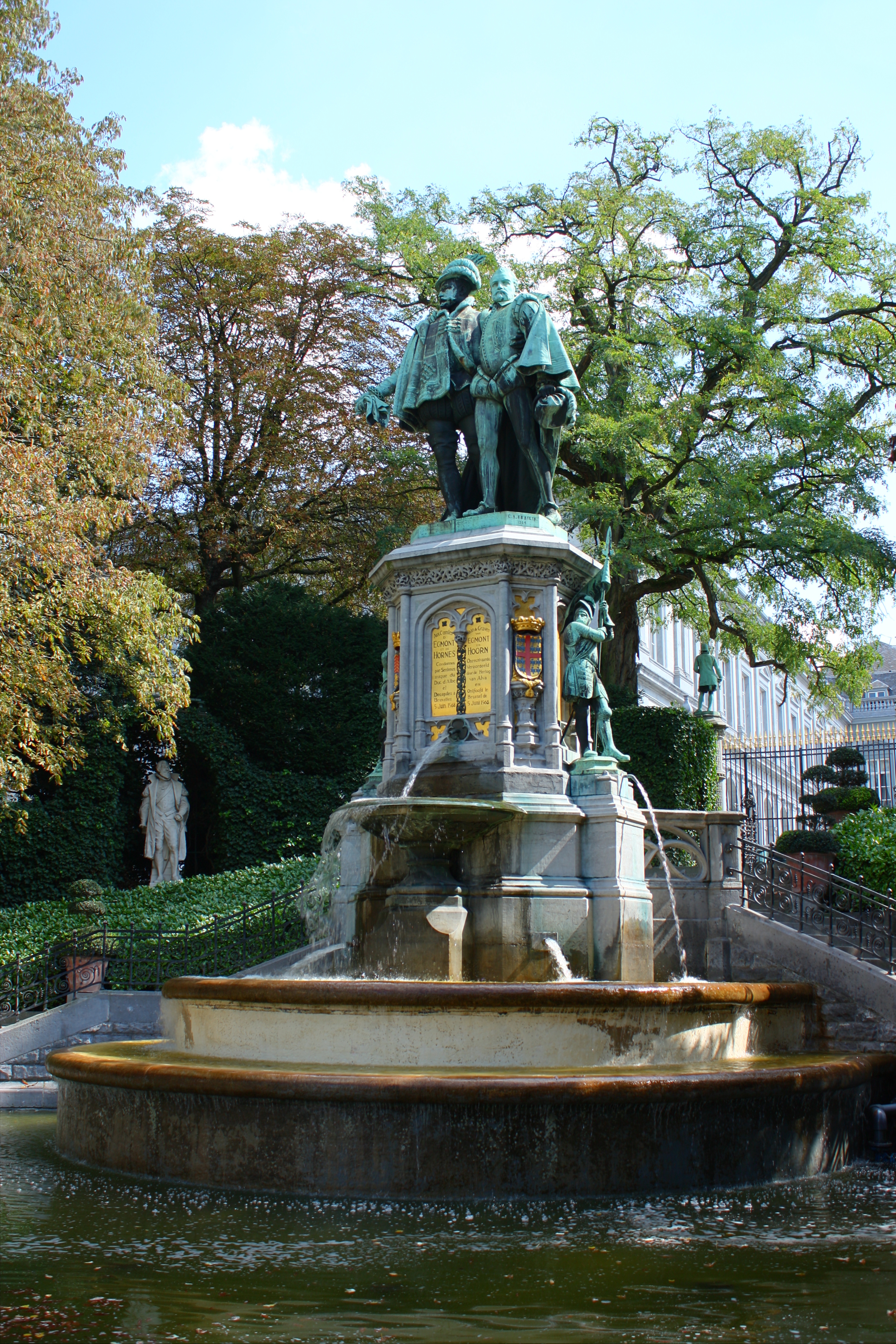
Comtes d’Egmont et de Hornes – Graven van Egmont en Hoorn (Fountain) – 0.3 km
This historic fountain pays tribute to two influential noble families in Belgian history. Its ornate basins and bronze sculptures make it a photographer’s delight.
(Note: Two additional fountains are listed in the source data without names; they are also within a 0.3 km radius and can be discovered during a casual walk.)
Other attractions within easy reach include:
- Grand‑Place/Grote Markt – Brussels’ UNESCO‑listed central square, famed for its gilded guildhalls and the Town Hall.
- Galeries Royales Saint‑Hubert – A covered shopping arcade offering boutique stores and cafés.
- Manneken Pis – The cheeky bronze boy statue, a must‑see for first‑time visitors.
7. Travel Tips
| Tip | Details |
|---|---|
| Bring a Compact Umbrella | Brussels weather can change quickly; a small, foldable umbrella ensures you stay dry while still being able to explore the fountain and its surroundings. |
| Wear Comfortable Shoes | Cobblestone streets are charming but uneven. Good walking shoes will keep you comfortable for the entire day. |
| Check the Water Schedule | Occasionally, maintenance work may temporarily shut off the fountain’s flow. Look for posted notices or ask a nearby shopkeeper for the latest schedule. |
| Capture the Details | For photography, use a wide‑angle lens to include both the statue and the surrounding architecture. Early morning light reduces glare on the marble. |
| Respect the Space | While it’s a public spot, avoid climbing on the statue or leaving litter. Keeping the area pristine preserves its charm for future visitors. |
| Combine with a Café Break | A short walk brings you to several cafés offering Belgian waffles, espresso, or a glass of local beer—perfect for a leisurely pause. |
| Language Basics | While most locals speak French, Dutch, and English, a friendly “Bonjour / Goedemorgen” goes a long way in receiving helpful directions. |
| Safety | The area is safe both day and night, but as with any city, keep an eye on personal belongings, especially in crowded tourist zones. |
Final Thought
The Fontaine de Minerve – Minervafontein may not dominate travel guide headlines, but its quiet elegance, historical resonance, and central location make it a rewarding stop for any Brussels itinerary. Whether you’re mapping a day of cultural immersion or simply seeking a peaceful spot to pause amid the city’s rhythm, this fountain offers a timeless slice of Belgian charm.
Add it to your travel list, grab your camera, and let Minerva’s wisdom guide you through the heart of Brussels.