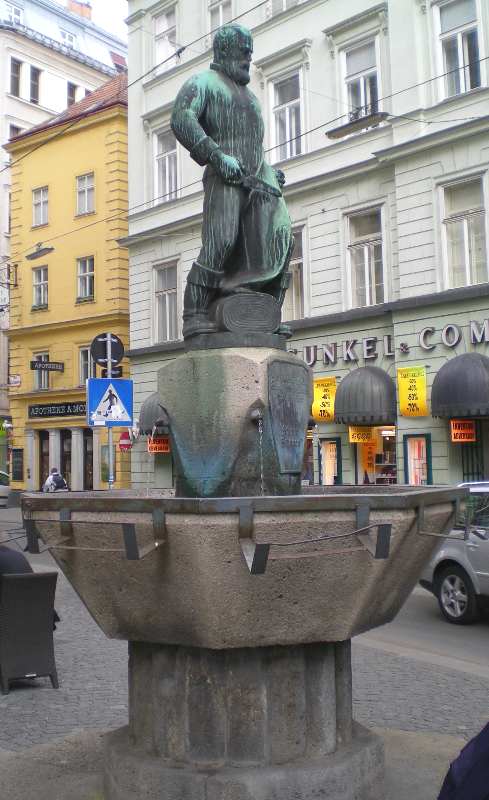
Tuchmacherbrunnen – Vienna’s Hidden Fountain Gem
Discover the charm of one of Vienna’s lesser‑known fountains, tucked away in the heart of the city. Whether you’re a first‑time visitor or a seasoned Viennese explorer, the Tuchmacherbrunnen offers a quiet moment of history, art, and local life.
1. Introduction
When you think of Vienna, images of imperial palaces, grand coffee houses, and the iconic St. Stephen’s Cathedral probably spring to mind. Yet the city’s true soul often reveals itself in the small details – the cobblestone alleys, the whisper of a waltz from a street performer, and the gentle splash of water from a centuries‑old fountain.
Enter Tuchmacherbrunnen, a modest yet elegant fountain that sits at the crossroads of Vienna’s historic districts. Its name, which translates to “Cloth‑Makers’ Fountain,” hints at the craft and commerce that once thrived around it. While it doesn’t boast the towering height of the Johann‑Sebastian‑Bach-Brunnen, its quiet presence makes it a perfect spot for a photo break, a moment of reflection, or a quick cultural pit‑stop on a walking tour of the city’s many fountains.
If you’re mapping out a Vienna travel itinerary, the Tuchmacherbrunnen is a hidden‑treasure checkpoint that adds depth to your journey without the crowds.
2. About Tuchmacherbrunnen
Description & Design
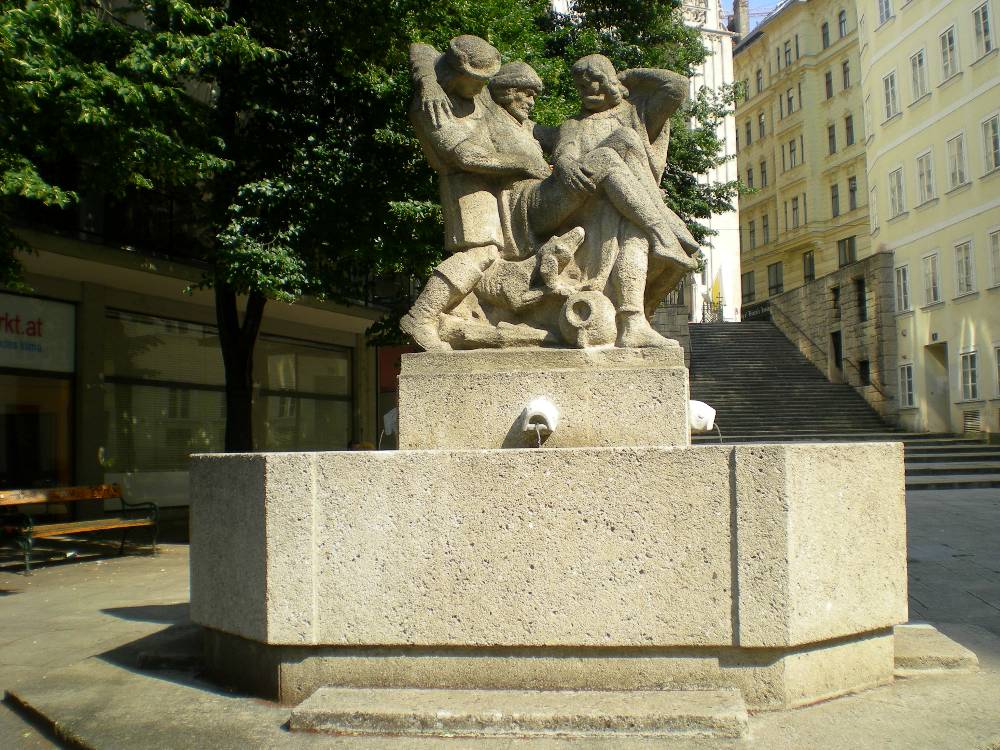
Tuchmacherbrunnen is a classic Viennese fountain ⛲ set within a small, paved square. The basin is lined with ornamental stonework, and a central sculptural element—historically linked to the cloth‑making guild—spouts clear water into the surrounding pool. Though the exact height and altitude of the fountain are not documented, its proportions are harmonious with the intimate urban setting, allowing visitors to get up close and admire the fine detailing of the stone.
Historical Roots
The fountain’s name reflects its origins: it was erected to honor the Tuchmacher (cloth‑makers) guild, a vital part of Vienna’s medieval economy. While precise construction dates are scarce, the fountain belongs to a wave of civic monuments installed in the 18th and 19th centuries to celebrate Vienna’s thriving artisan communities.
According to the German‑language Wikipedia entry for the Tuchmacherbrunnen (Wien), the fountain has long served as a meeting point for locals and a decorative focal point within its neighborhood. Over the centuries, it has survived wars, urban redevelopment, and the occasional renovation, retaining its original charm while subtly adapting to the modern cityscape.
Cultural Significance
Vienna’s network of public fountains is more than decorative; each water feature tells a story about the trade, patron, or event it commemorates. Tuchmacherbrunnen stands as a reminder of the city’s textile heritage—a craft that helped shape Vienna’s reputation as a cultural and economic hub in Central Europe. For history buffs, the fountain offers a tangible link to the everyday lives of the artisans who once walked these streets.
3. How to Get There
Address (approximate): Intersection near 48.210177 N, 16.370502 E, Vienna, Austria
By Public Transport
| Mode | Line(s) | Nearest Stop | Walking Time |
|---|---|---|---|
| U‑Bahn (Metro) | U1, U2 | Schwedenplatz (U1/U2) | 5 min walk |
| Tram | 2, 44, 45 | Schwedenplatz | 5 min walk |
| Bus | 13A, 14A | Schwedenplatz | 5 min walk |
The Schwedenplatz hub is a major interchange, making the Tuchmacherbrunnen easily reachable from most parts of the city. If you’re staying near the Stephansplatz or Karlsplatz stations, a short 10‑minute walk or a quick tram ride will bring you straight to the fountain’s doorstep.
By Foot or Bike
Vienna’s city center is pedestrian‑friendly, and the fountain lies within the Innere Stadt (1st district) and the adjacent Leopoldstadt (2nd district) border. From St. Stephen’s Cathedral, head east along Kohlmarkt, cross the Ringstraße, and continue straight for about 800 m.
Bicycle rentals (e.g., Citybike Wien) are abundant, and the route is flat and well‑signposted.
Parking
If you’re driving, the nearest public parking garage is Parkgarage Schwedenplatz (address: Schwedenplatz 1). From there, it’s a short walk to the fountain.
4. Best Time to Visit
| Season | Why It Works |
|---|---|
| Spring (April–June) | Mild temperatures, blooming trees, and fewer tourists make for a pleasant stroll. |
| Early Autumn (September–October) | Golden light bathes the fountain, and the city’s cultural calendar is in full swing. |
| Evenings (May–September) | The fountain’s stone glows softly under street lamps, creating a romantic backdrop for night‑time photography. |
While the fountain is accessible year‑round, winter can be magical when a light dusting of snow covers the surrounding cobbles, though the water may be turned off for maintenance. Check the local tourism website for any temporary closures.
5. What to Expect
Arriving at Tuchmacherbrunnen, you’ll notice a tranquil oasis amid the city’s bustle. The gentle murmur of water provides a soothing soundtrack to the surrounding cafés and boutique shops.
- Photo Opportunities: The fountain’s stone details, combined with the historic façades nearby, create a perfect frame for Instagram‑ready shots. Early morning light casts soft shadows, while golden hour adds a warm hue.
- Local Atmosphere: Expect a mix of tourists snapping pictures and locals pausing for a brief respite. Occasionally, street musicians set up nearby, adding a Viennese melody to the scene.
- Seating: Small benches line the square, offering a place to sit, sip a coffee from a nearby café, and watch the world go by.
- Accessibility: The area is flat and wheelchair‑friendly, with smooth paving leading up to the fountain.
Because the Tuchmacherbrunnen is not a major tourist magnet, you’ll often enjoy it without the crowds that accompany larger attractions like the Schönbrunn Palace or the Belvedere.
6. Nearby Attractions
While you’re in the vicinity, make the most of the fountain’s central location by visiting other historic Viennese fountains and landmarks—all within a 0.2 km radius.
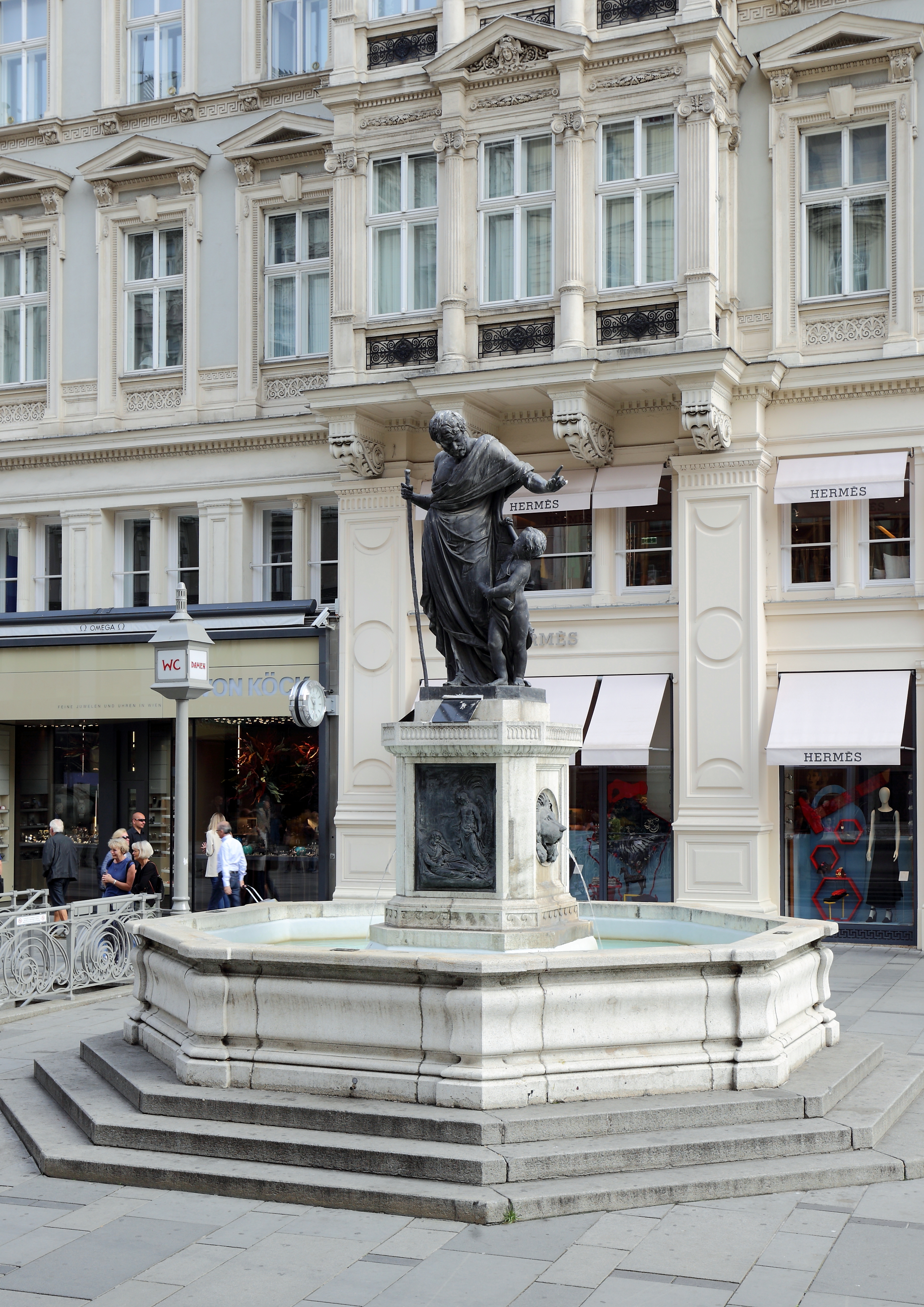
- Josefsbrunnen – A baroque masterpiece honoring Emperor Joseph II.
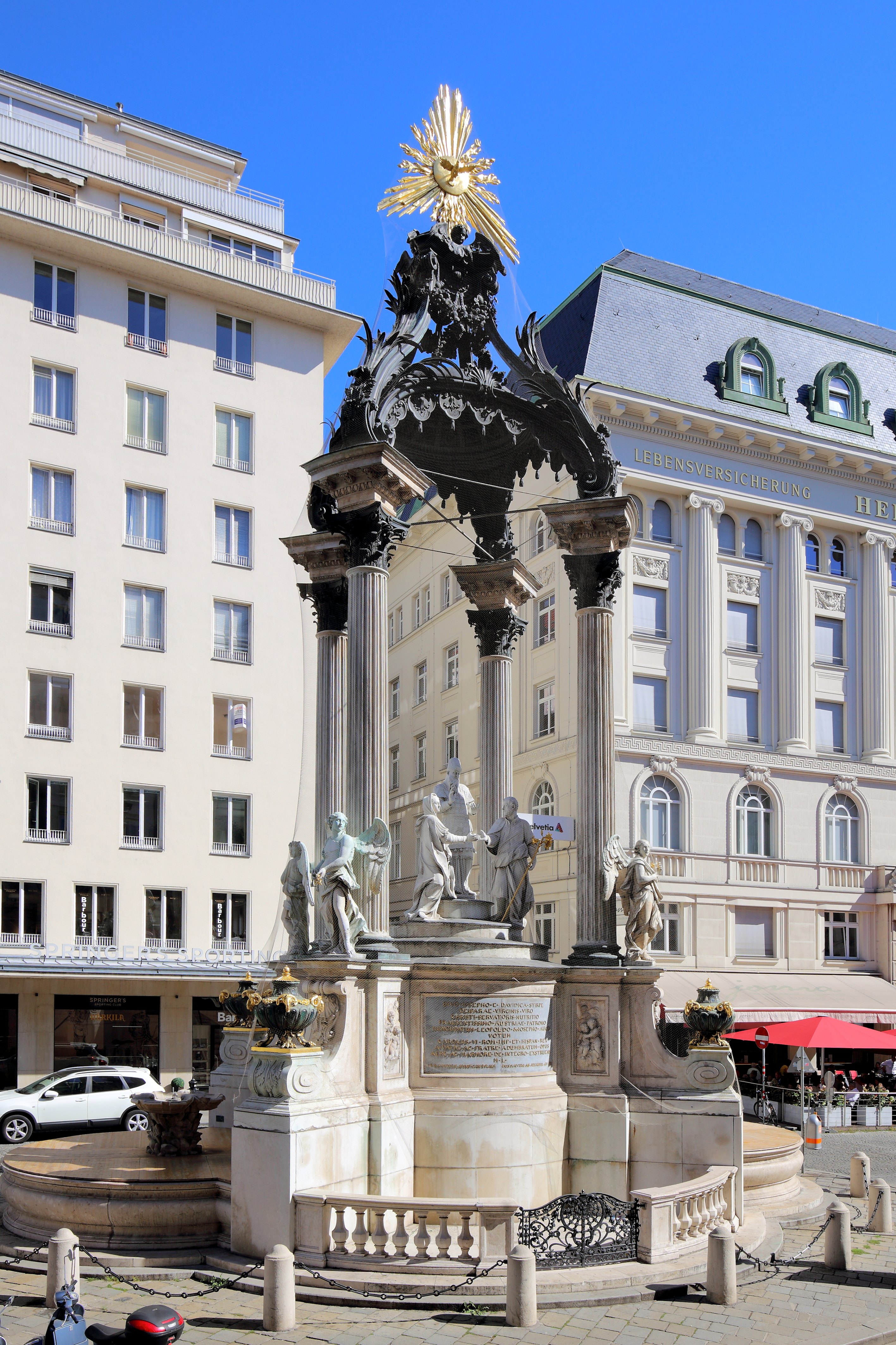
- Vermählungsbrunnen – Known as the “Marriage Fountain,” it celebrates Viennese matrimonial traditions.
- Leopoldsbrunnen – Dedicated to Emperor Leopold II, featuring a striking lion motif.
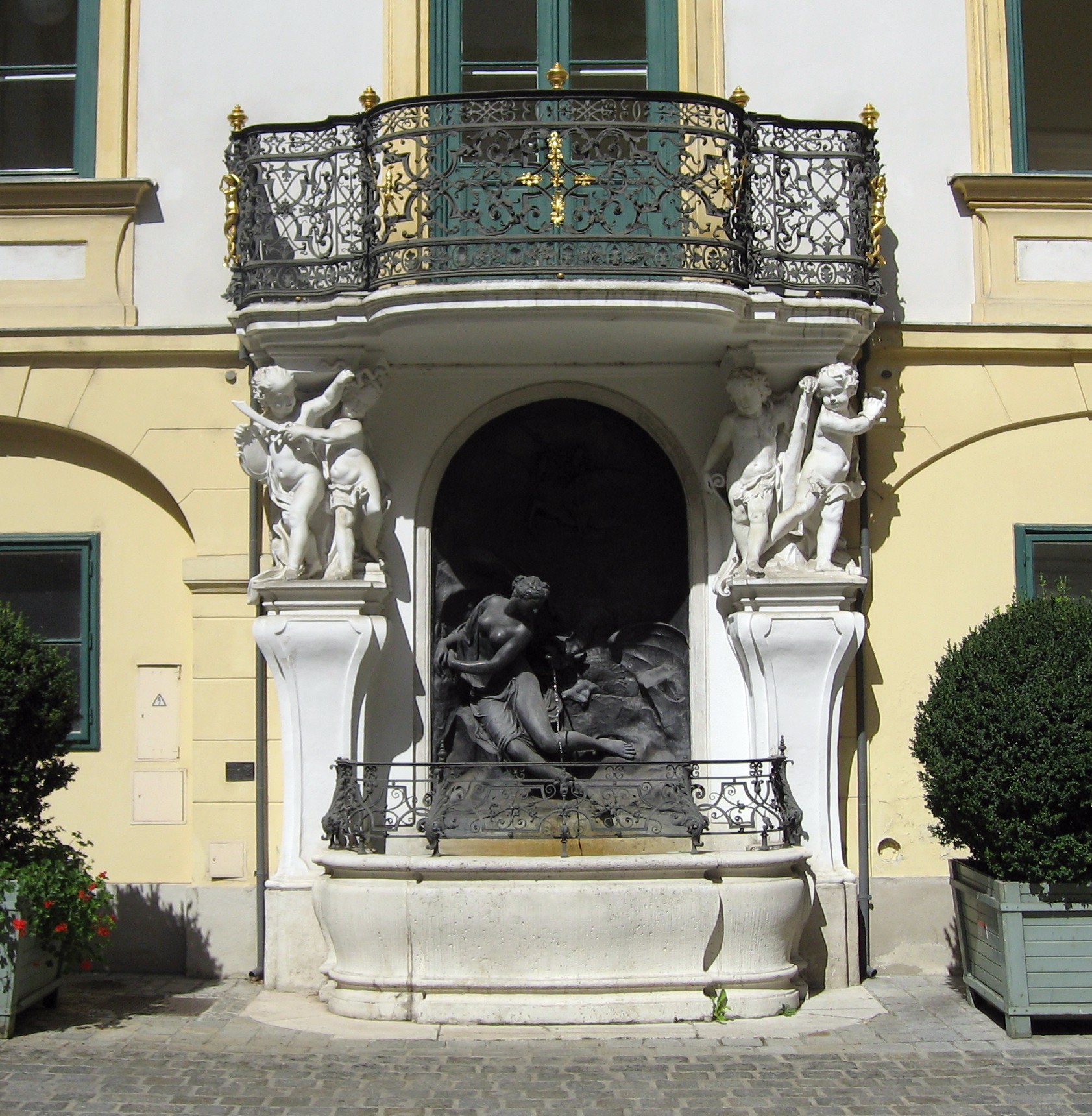
- Andromedabrunnen – A myth‑themed fountain depicting the constellations of Andromeda and Perseus.
All of these sites are easily reachable on foot, making the area a compact “fountain trail” that showcases Vienna’s dedication to public art and water architecture.
7. Travel Tips
- Combine with a Coffee Break – The square surrounding Tuchmacherbrunnen hosts several traditional Viennese cafés. Grab a Melange and enjoy people‑watching while the fountain provides a calming backdrop.
- Bring a Compact Umbrella – Vienna’s weather can be unpredictable. A small, foldable umbrella ensures you stay dry while still being able to capture the fountain’s details.
- Check for Special Events – Occasionally, the city organizes Fountain Light Shows or cultural performances near the Tuchmacherbrunnen. Look up the Wiener Linien or Vienna Tourist Board calendars for any scheduled events.
- Use a Map App with Offline Capability – While the area is well signposted, having offline maps (e.g., Google Maps offline area) can be handy if you lose signal while wandering the historic streets.
- Respect the Space – As a public monument, the fountain is maintained by the city. Avoid climbing on the stonework and keep the area tidy for fellow visitors.
Wrap‑Up
The Tuchmacherbrunnen may not dominate travel guide headlines, but its understated elegance, historical resonance, and prime location make it a must‑see for anyone crafting a Vienna travel guide of their own. By stopping here, you’ll tap into a slice of Viennese daily life that larger attractions often overlook.
So lace up your walking shoes, follow the coordinates 48.210177 N, 16.370502 E, and let the gentle flow of the Tuchmacherbrunnen refresh your Vienna adventure.
Happy travels, and may the water of Vienna’s fountains always lead you to new discoveries!